
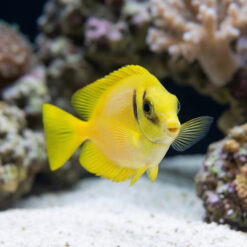
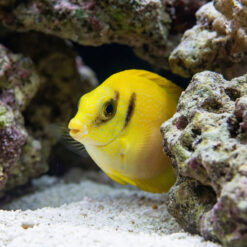
Blue-Spotted Rabbitfish
Siganus corallinus
| Stock | Variations | Price | Quantity | |
|---|---|---|---|---|
| Out of Stock | 2.25 - 4.25" - Indo-Pacific | Original price was: $196.99.$103.99Current price is: $103.99. | Email me |
Every order ships with our standard 3-hour live arrival guarantee. Need more time? Add our 5-Day Guarantee at checkout.
Full guarantee terms →Ships Monday – Thursday for next-day arrival at your nearest FedEx Hold location — typically ready by 9 AM. We monitor every delivery.
Shipping details →
Monday – Friday 8 AM – 9 PM
Saturday 12 PM – 4 PM
Sunday 12 PM – 9 PM
Healthy, stable animals from vetted suppliers — inspected before packing, shipped overnight. Decades of experience built this model so we can deliver premium livestock at 30%+ less than you'd pay elsewhere.
| Care Level | Moderate |
|---|---|
| Temperament | Peaceful |
| Reef Safe | With Caution |
| Functional Benefit | Algae Control |
| Diet Type | Herbivore |
| Mininum Tank Size | 180 gallons |
| Max Size | 12 inches |
| Temperature | 72–78°F |
| pH Range | 8.1–8.4 |
| Specific Gravity | 1.022–1.025 |
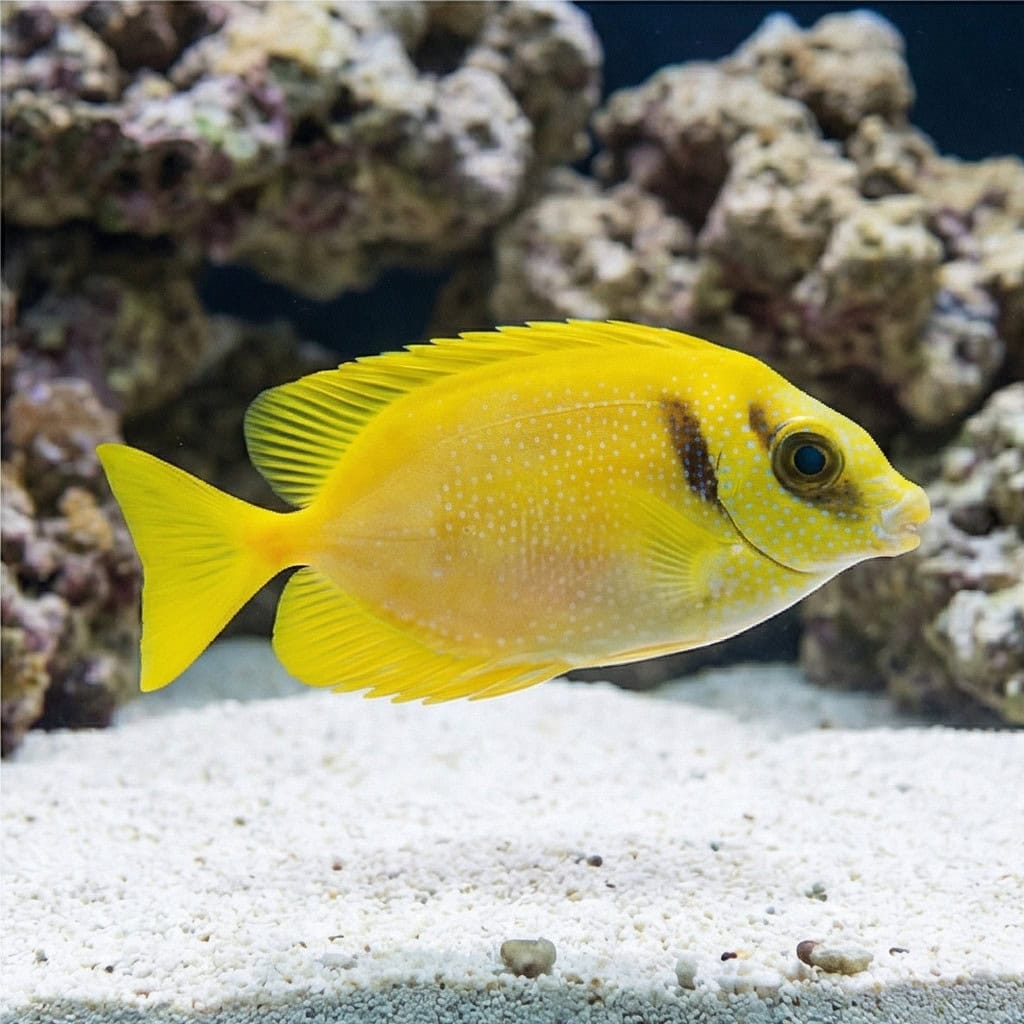
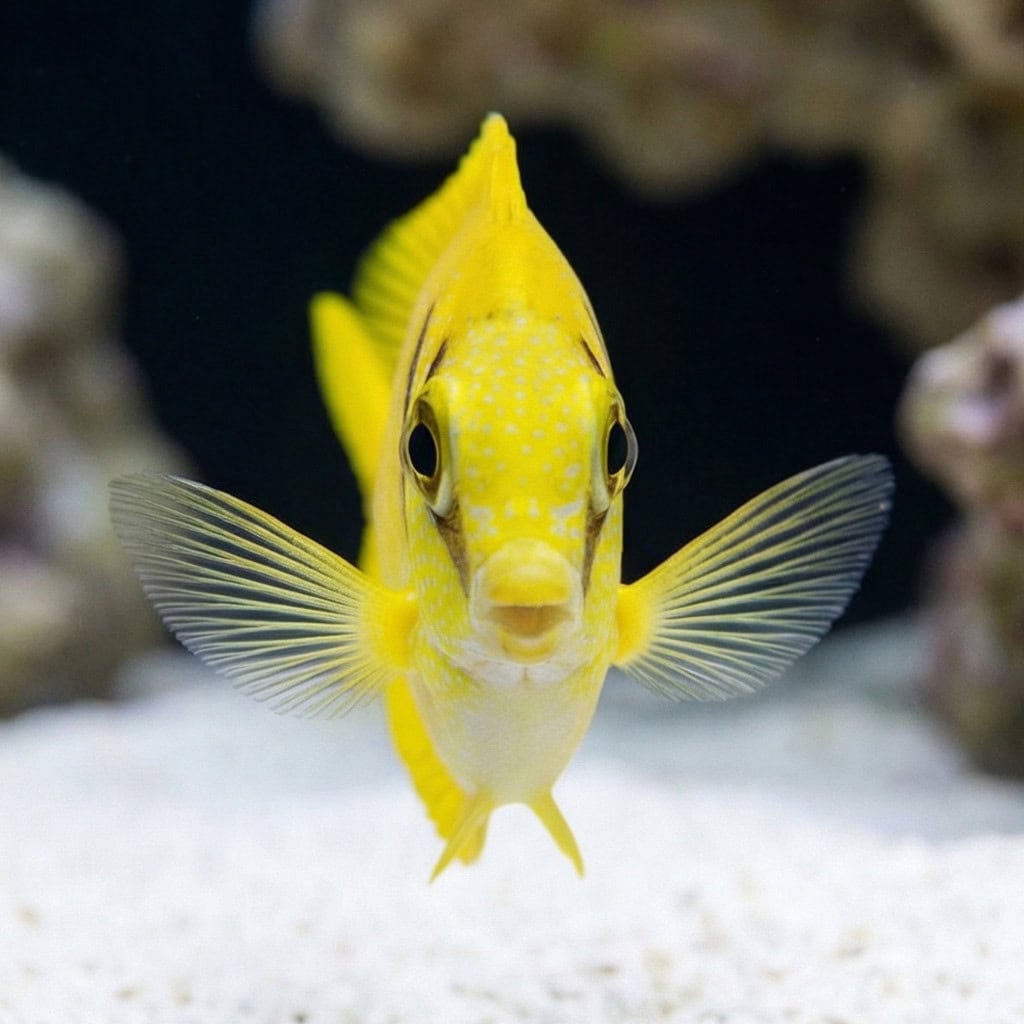
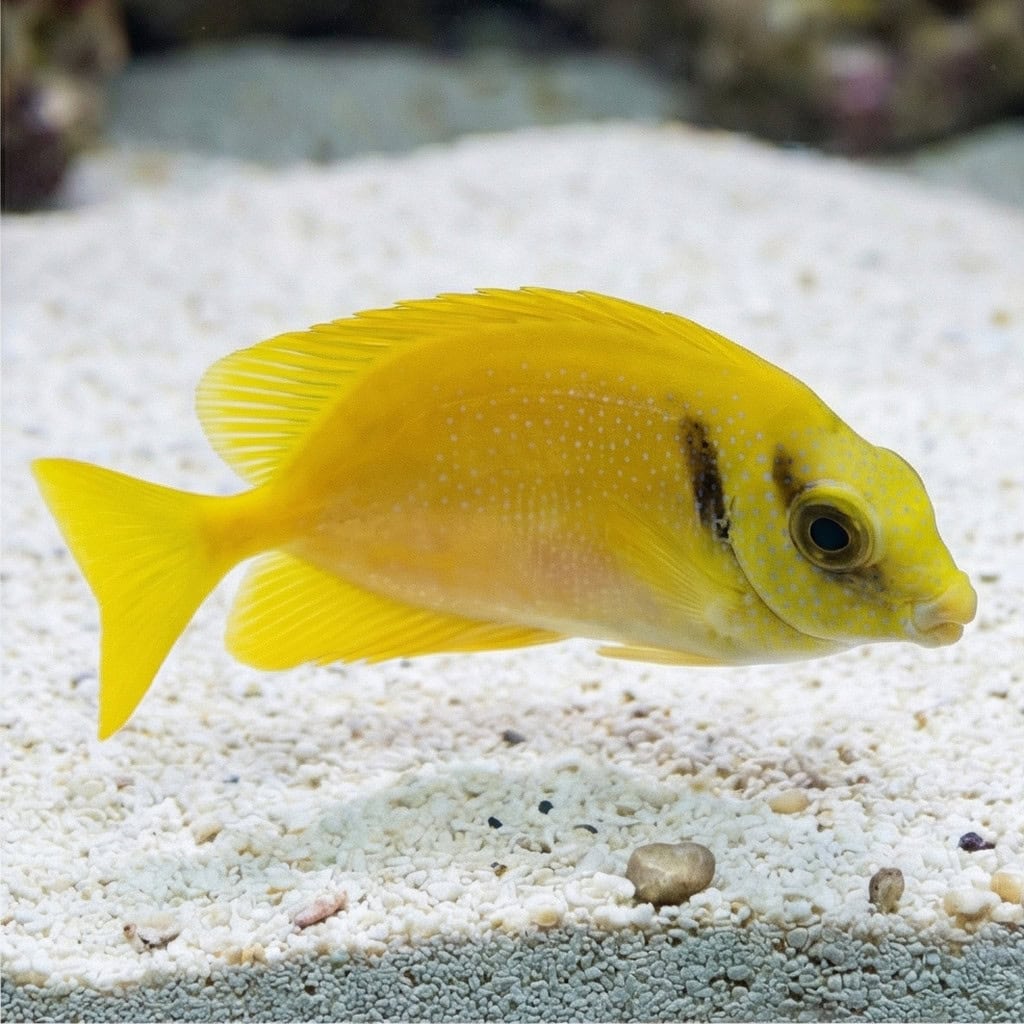
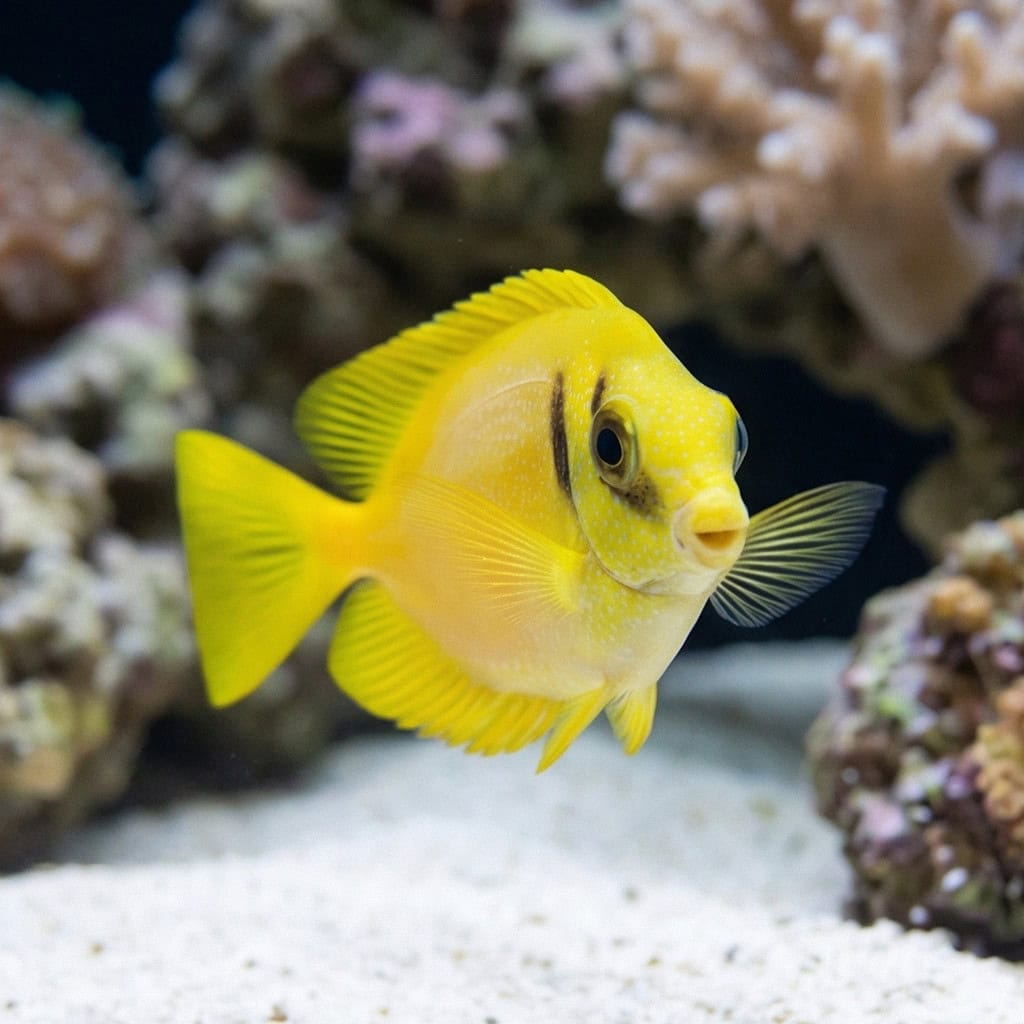
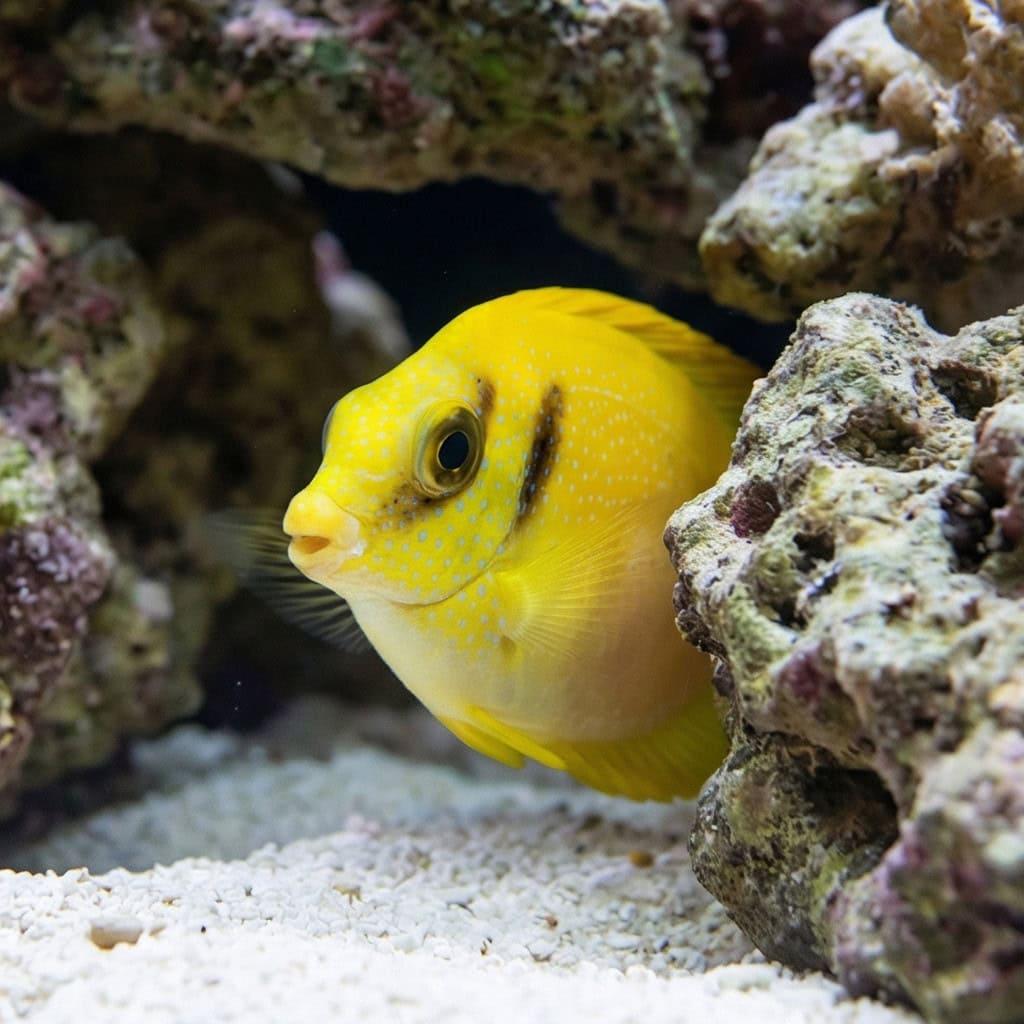
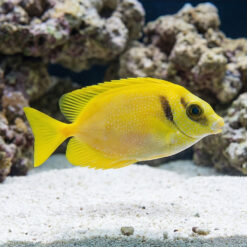
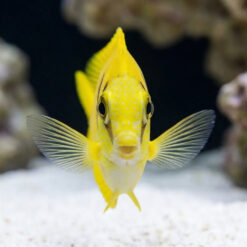
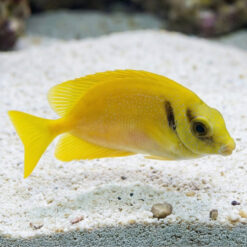
The Blue-Spotted Rabbitfish (Siganus corallinus), also called the blue-spotted spinefoot or coral rabbitfish, is a constant daytime grazer that spends its time picking at algae on rockwork and hard surfaces. Its body is orange-yellow with small blue spots, plus a darker mask-like marking around the eye that stands out under reef lighting. In nature it’s associated with coral-rich lagoons and shallow reefs, and it adapts well to aquariums that offer both open swim lanes and structure to weave through.
What You’ll Observe:
- Steady cruising and “pecking” behavior across rocks, overhangs, and tank walls
- A consistent daily routine, with most activity during the light cycle
- Regular use of the same rockwork zones as a home base once settled in
- Occasional pairing-style “side by side” swimming patterns in larger systems
Provide plenty of live rock and arches so your rabbitfish can graze and move naturally throughout the tank. Offer algae sheets and quality herbivore foods on a routine schedule to keep it actively browsing between feedings. Maintain stable reef parameters and good oxygenation so it stays active and engaged all day. With a mature, algae-friendly aquascape, this species becomes a dependable, always-on display fish.
Why does my rabbitfish look pale or “patternless” at night?
Many rabbitfish shift into a muted sleeping coloration after lights out, then return to normal colors once the tank brightens.
Is it normal for a rabbitfish to wedge itself into rockwork to rest?
Yes—many will choose a snug crevice or ledge as a nightly resting spot and return to it consistently.
How long can a Blue-Spotted Rabbitfish live in captivity?
Long-term keepers report decade-plus lifespans in established systems with stable care and consistent feeding.
What’s the safest way to move one without getting spined?
Use a specimen container or fish trap when possible, and guide it calmly rather than chasing it into a net.
Will it spend most of its time in the open once it settles in?
Often yes—after it learns the tank’s routine and grazing routes, it typically becomes a frequent “out front” swimmer during the day.
Shipped with pure oxygen and temperature control so it arrives stress-free and ready to eat.
Recently viewed products