
Blueface Angelfish
Pomacanthus xanthometopon
Price range: $325.99 through $441.99
| Stock | Variations | Price | Quantity | |
|---|---|---|---|---|
| Out of Stock | 2.75 - 3.75" - Adult - Indo-Pacific | Original price was: $642.99.$337.99Current price is: $337.99. | Email me | |
| Only 1 left | 4.5 - 5.5" - Adult - Indian Ocean | Original price was: $620.99.$325.99Current price is: $325.99. |
-
+
|
|
| Out of Stock | 3.75 - 4.5" - Adult - Indian Ocean | Original price was: $593.99.$311.99Current price is: $311.99. | Email me | |
| Only 1 left | 5.5 -7" - Adult - Indian Ocean | Original price was: $841.99.$441.99Current price is: $441.99. |
-
+
|
|
| Out of Stock | 2.25" or smaller - Juvenile - Indian Ocean | Original price was: $343.99.$180.99Current price is: $180.99. | Email me | |
| Out of Stock | 2.25 - 4.25" - Sub Adult / Changing - Indian Ocean | Original price was: $633.99.$332.99Current price is: $332.99. | Email me | |
| Out of Stock | 2.25" or smaller - Sub Adult / Changing - Indian Ocean | Original price was: $520.99.$273.99Current price is: $273.99. | Email me |
Every order ships with our standard 3-hour live arrival guarantee. Need more time? Add our 5-Day Guarantee at checkout.
Full guarantee terms →Ships Monday – Thursday for next-day arrival at your nearest FedEx Hold location — typically ready by 9 AM. We monitor every delivery.
Shipping details →
Monday – Friday 8 AM – 9 PM
Saturday 12 PM – 4 PM
Sunday 12 PM – 9 PM
Healthy, stable animals from vetted suppliers — inspected before packing, shipped overnight. Decades of experience built this model so we can deliver premium livestock at 30%+ less than you'd pay elsewhere.
| Care Level | Expert |
|---|---|
| Temperament | Semi-Aggressive |
| Reef Safe | No |
| Functional Benefit | Ornamental Only |
| Diet Type | Omnivore |
| Mininum Tank Size | 180 gallons |
| Max Size | 18 inches |
| Temperature | 72–78°F |
| pH Range | 8.1–8.4 |
| Specific Gravity | 1.022–1.025 |
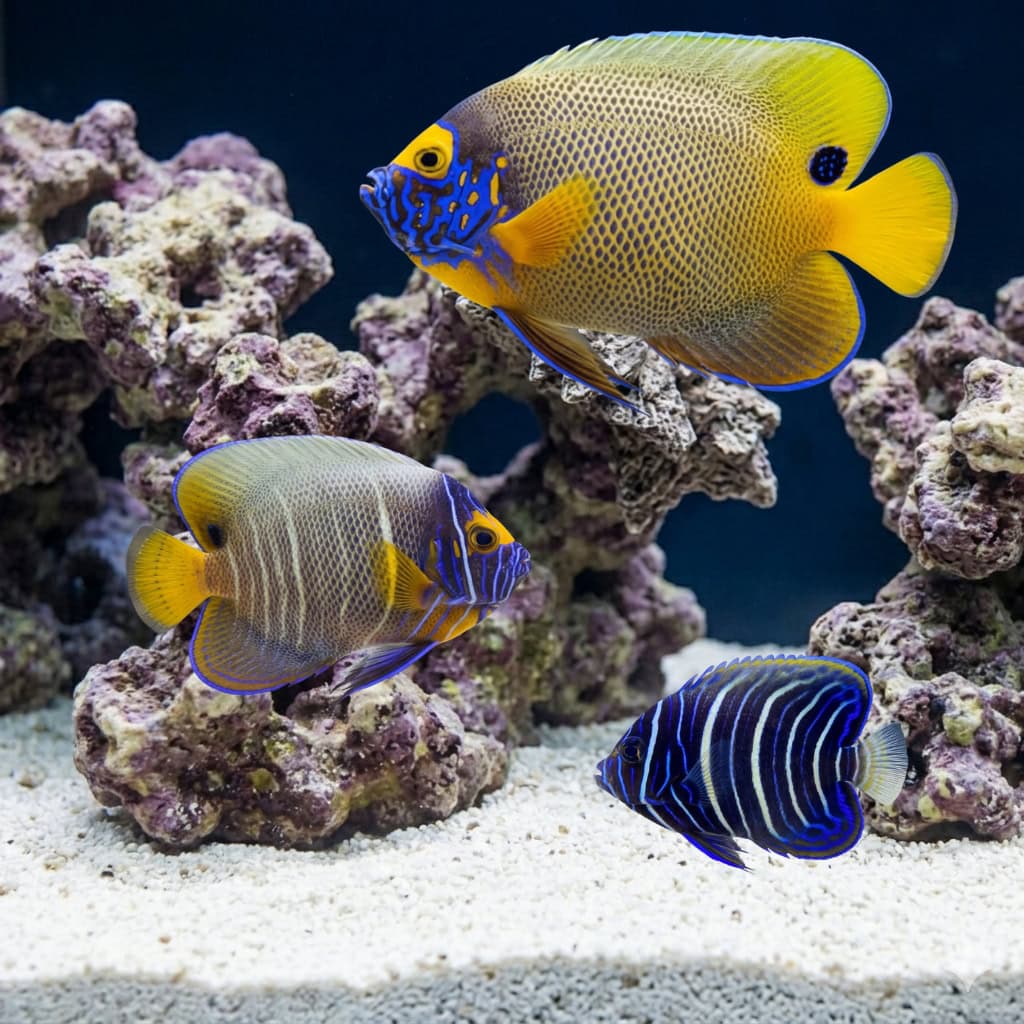
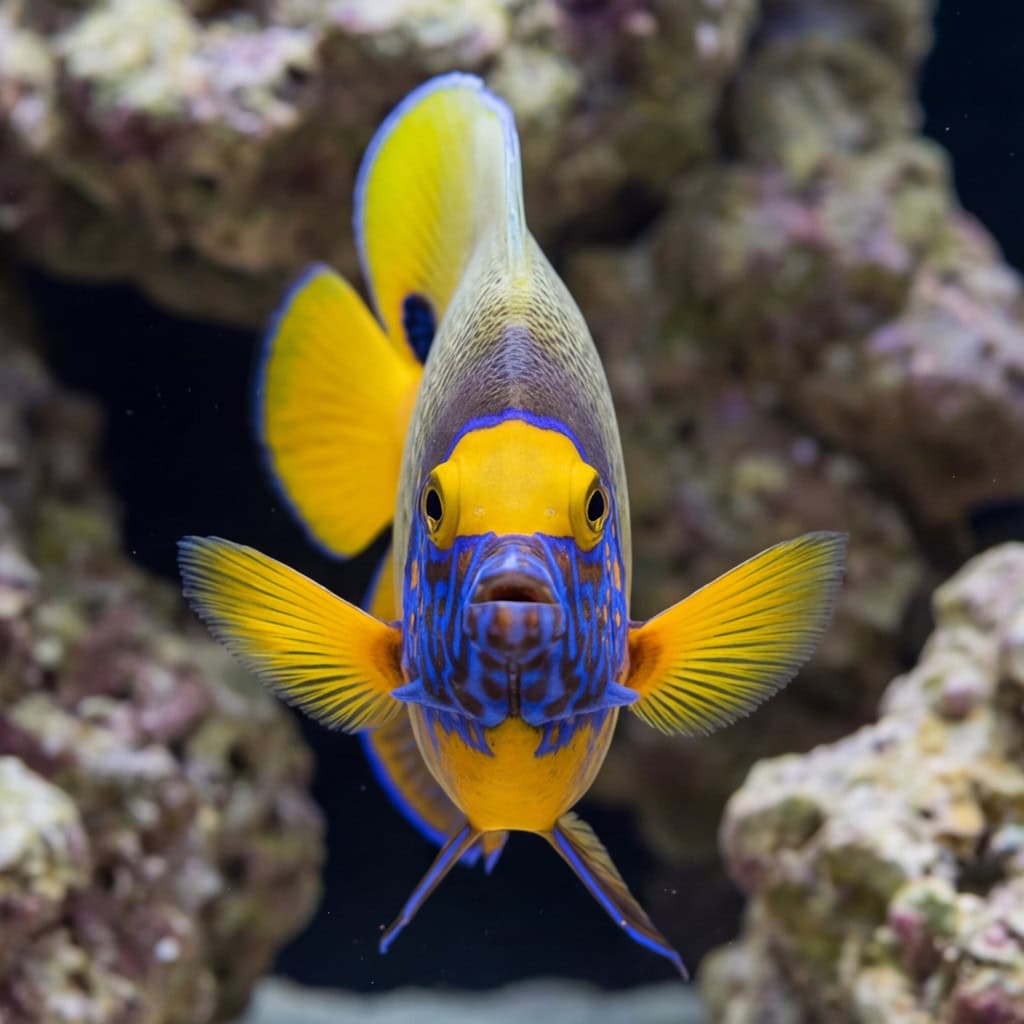
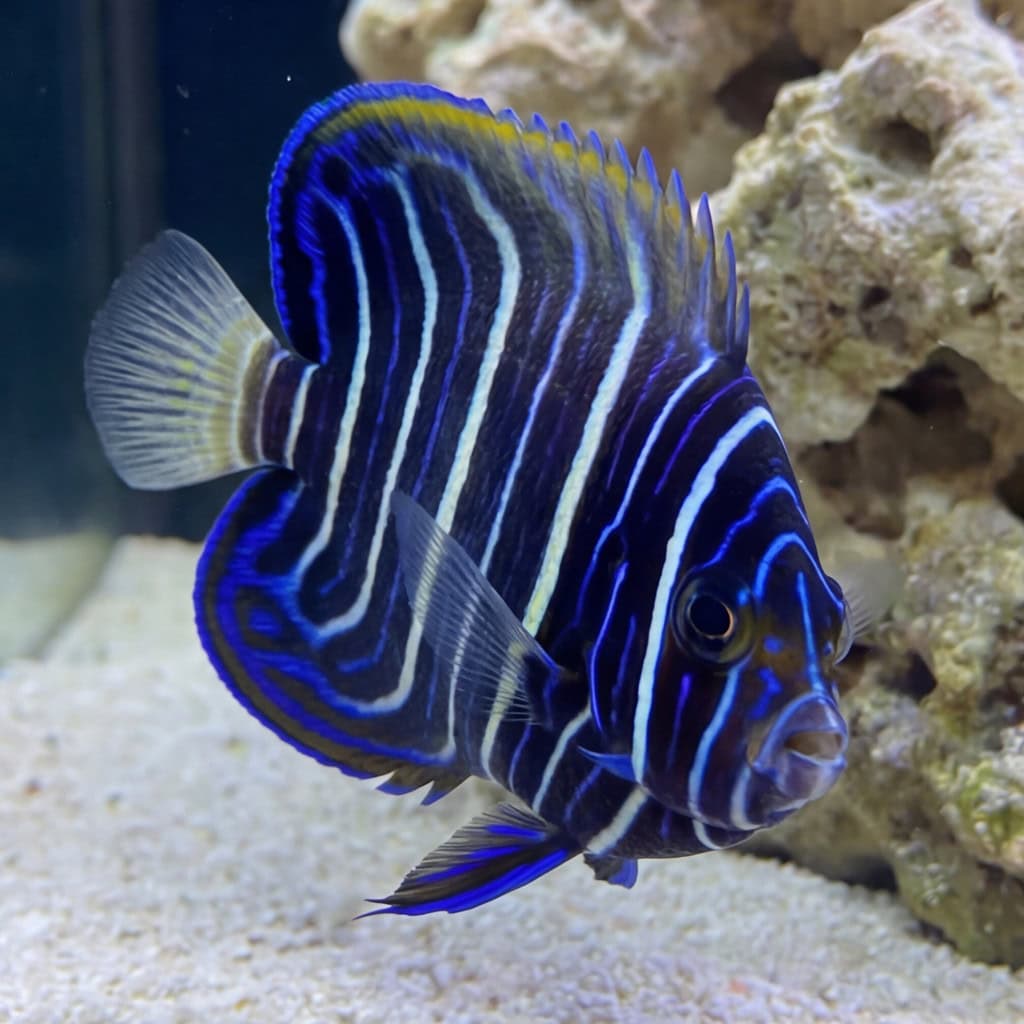
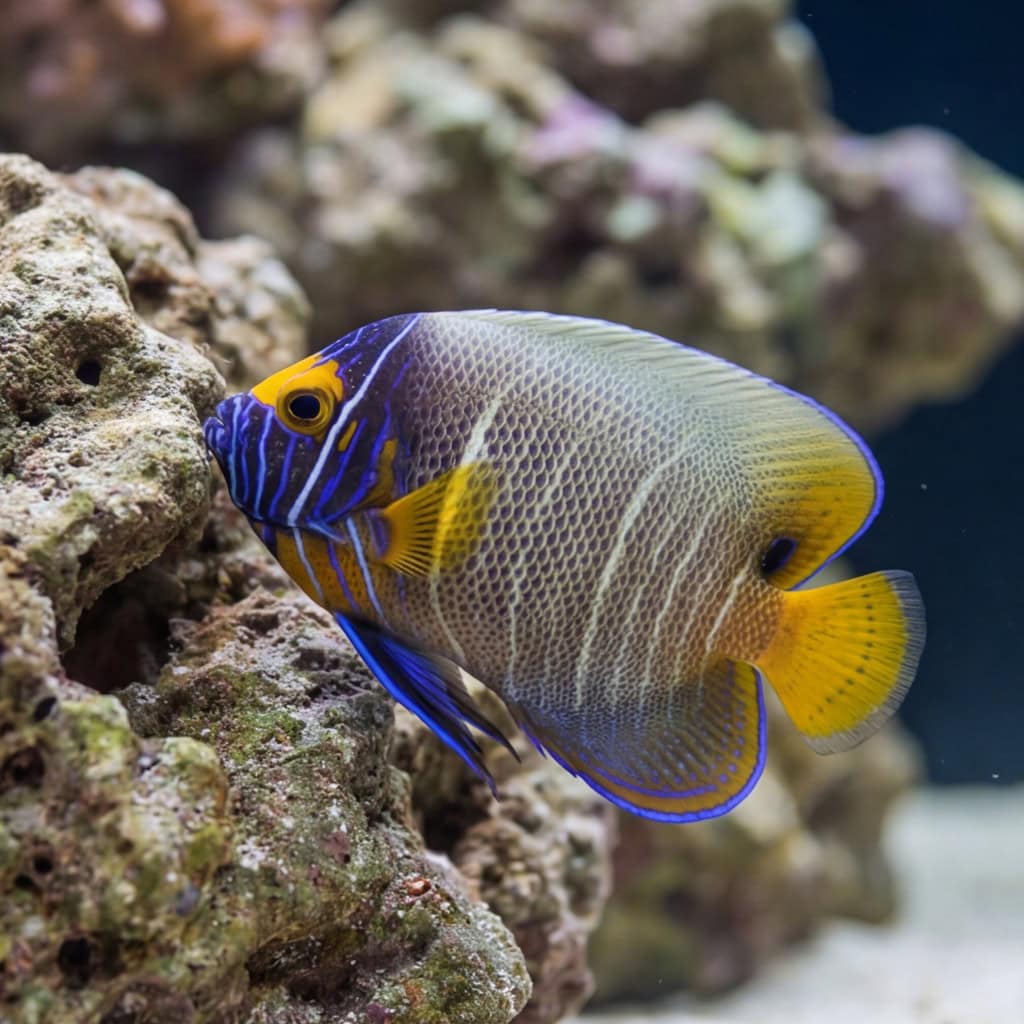
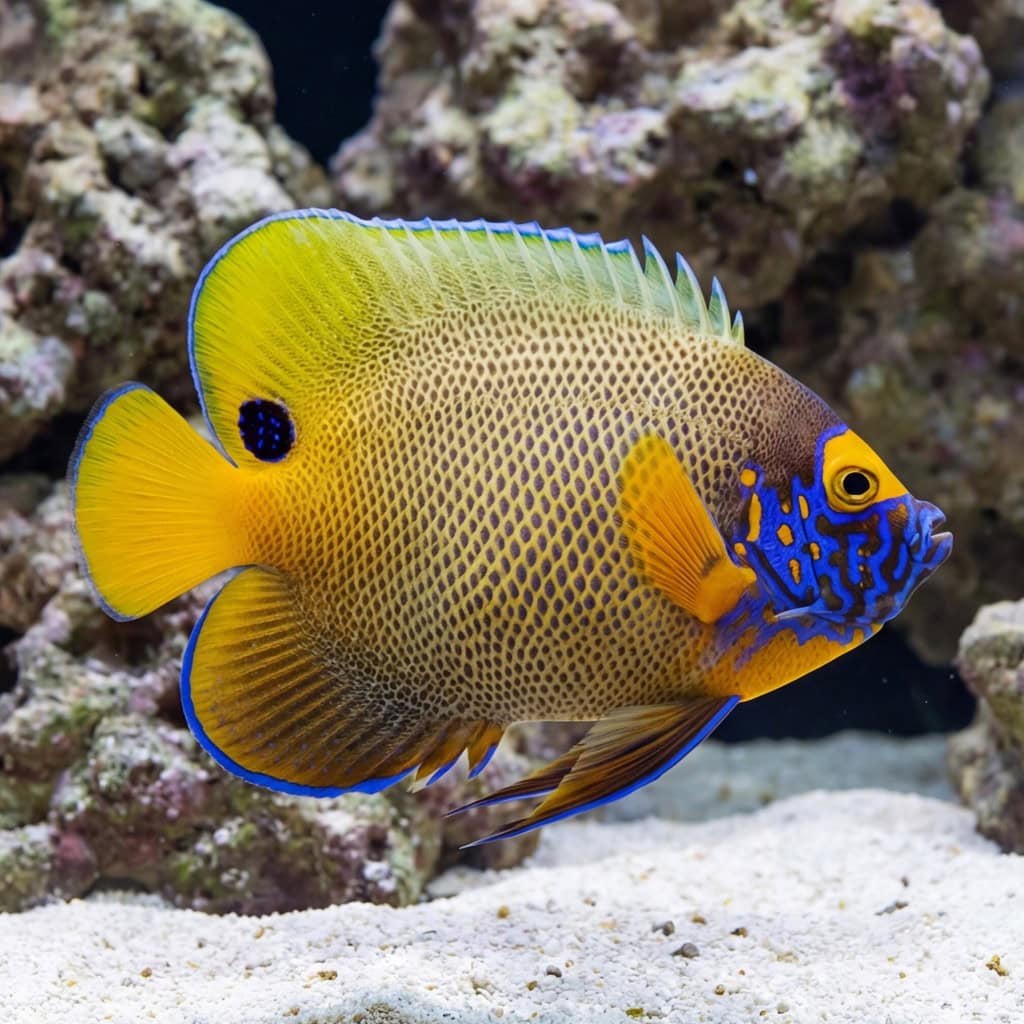
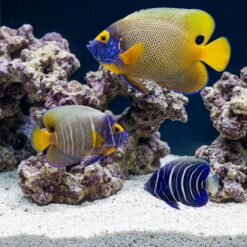
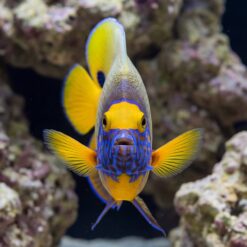
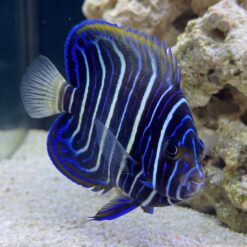
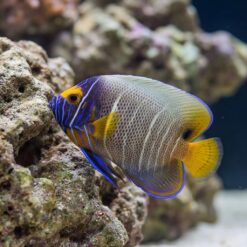
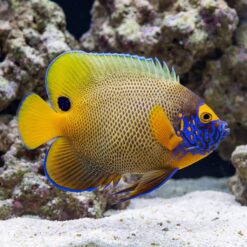
The Blueface Angelfish (Pomacanthus xanthometopon) is a large Pomacanthus angelfish from Indo-Pacific reefs, known for an adult yellow eye mask with blue facial lines and a blue, yellow-edged scale pattern. Juveniles show curved white-and-blue bars and shift toward adult coloration as they grow.
What You’ll Observe:
- Cruises open water, then returns to rock ledges and caves between laps
- Grazes throughout the day, pecking at rock surfaces and taking foods from a clip
- Becomes a consistent presence near the glass around feeding time
Provide a roomy aquarium with open swimming lanes plus live rock for grazing and shelter. Offer a varied menu of algae sheets, frozen meaty foods, and sponge-based angelfish preparations in several small feedings for steady condition.
How long until it shows adult colors?
Color change is gradual, often progressing over many months of growth.
Is it normal to choose one cave?
Many individuals adopt a favorite cave and expand their route as they settle.
What’s the easiest first food to offer?
Nori on a clip is commonly accepted and helps start a feeding routine.
Will it eat pellets?
Once settled, many take larger pellets, especially angelfish formulas with sponge.
Can it be kept with another large angel?
In very large displays, adding angels in a planned order can improve coexistence.
Each fish is checked for strong appetite and activity before we approve it for your tank.
Recently viewed products