
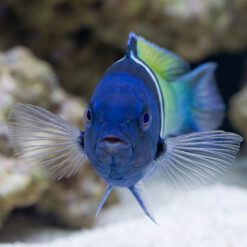
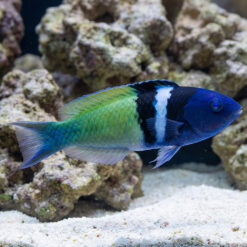
Bluehead Wrasse
Thalassoma bifasciatum
| Stock | Variations | Price | Quantity |
|---|
Every order ships with our standard 3-hour live arrival guarantee. Need more time? Add our 5-Day Guarantee at checkout.
Full guarantee terms →Ships Monday – Thursday for next-day arrival at your nearest FedEx Hold location — typically ready by 9 AM. We monitor every delivery.
Shipping details →
Monday – Friday 8 AM – 9 PM
Saturday 12 PM – 4 PM
Sunday 12 PM – 9 PM
Healthy, stable animals from vetted suppliers — inspected before packing, shipped overnight. Decades of experience built this model so we can deliver premium livestock at 30%+ less than you'd pay elsewhere.
| Care Level | Easy |
|---|---|
| Temperament | Semi-Aggressive |
| Reef Safe | No |
| Functional Benefit | Pest Control |
| Diet Type | Carnivore |
| Mininum Tank Size | 90 gallons |
| Max Size | 8 inches |
| Temperature | 72–78°F |
| pH Range | 8.1–8.4 |
| Specific Gravity | 1.022–1.025 |
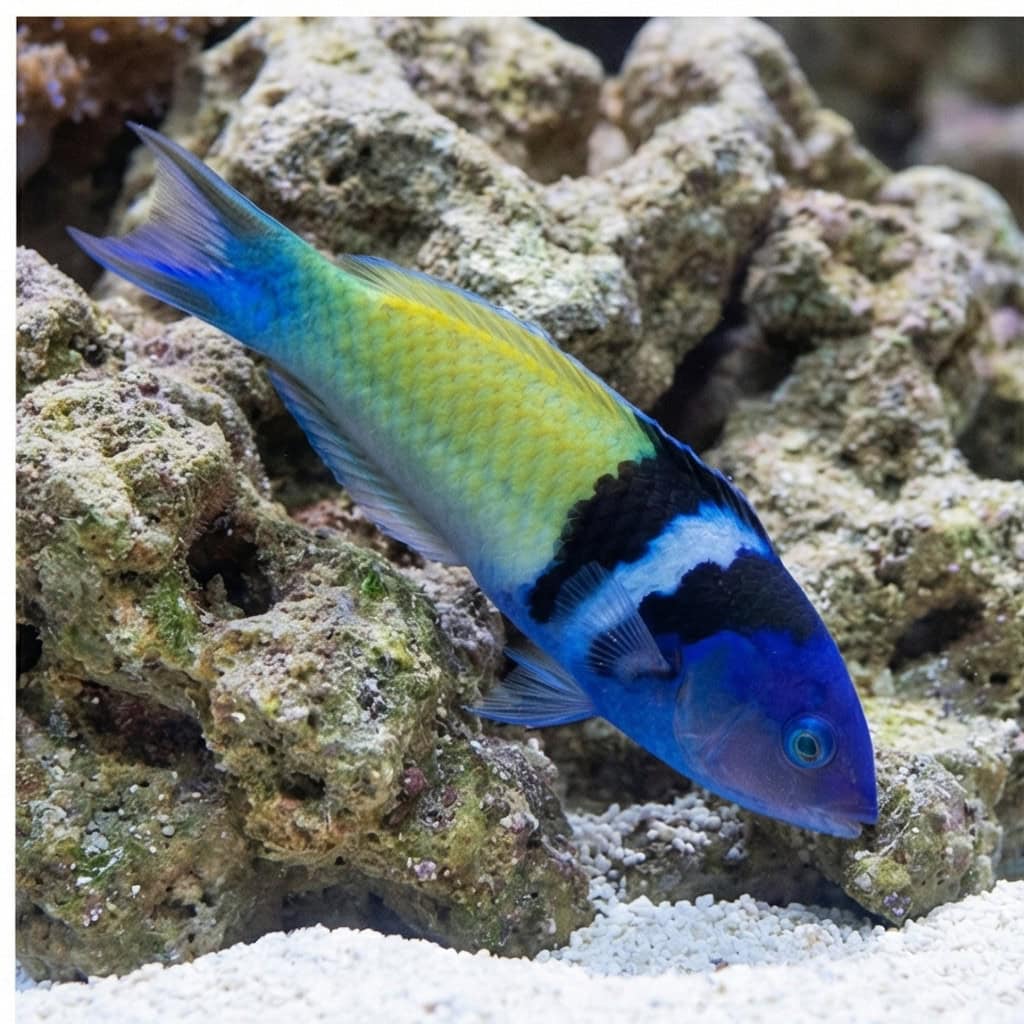
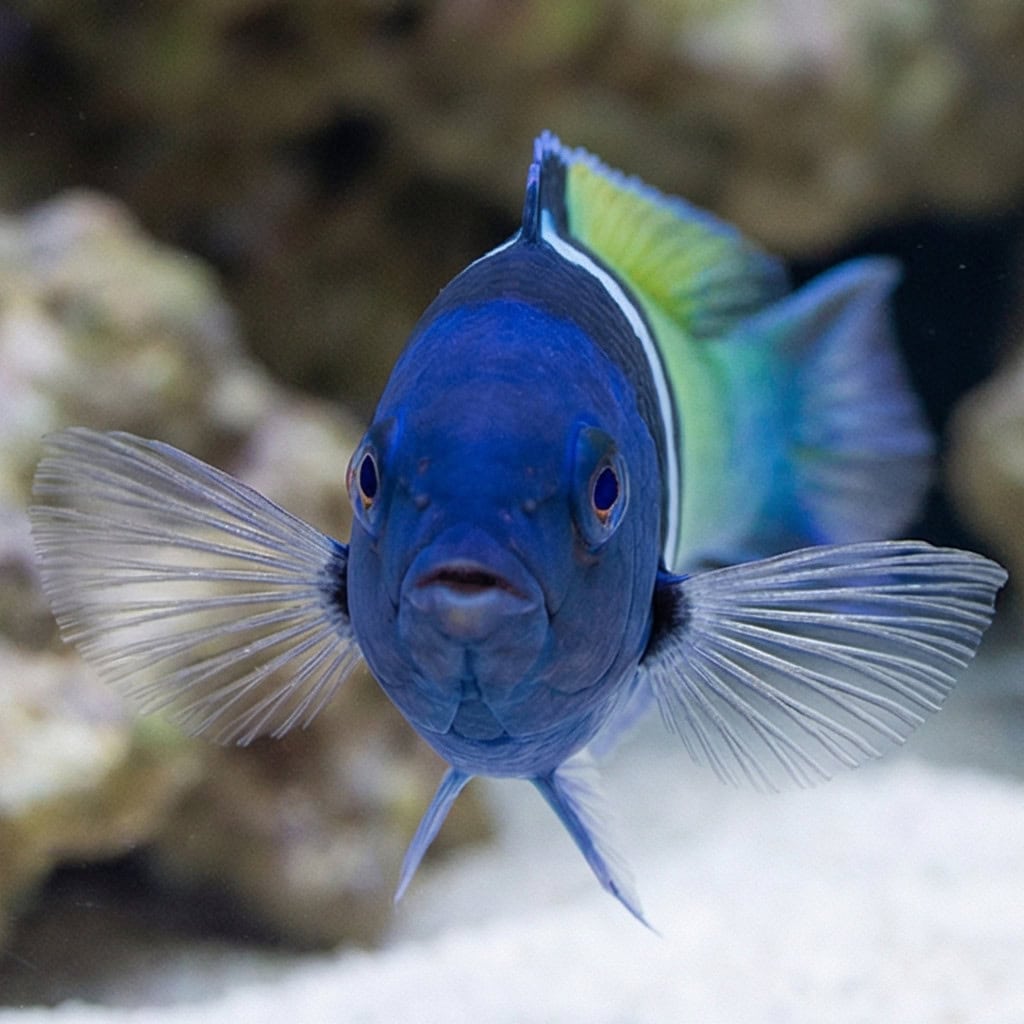
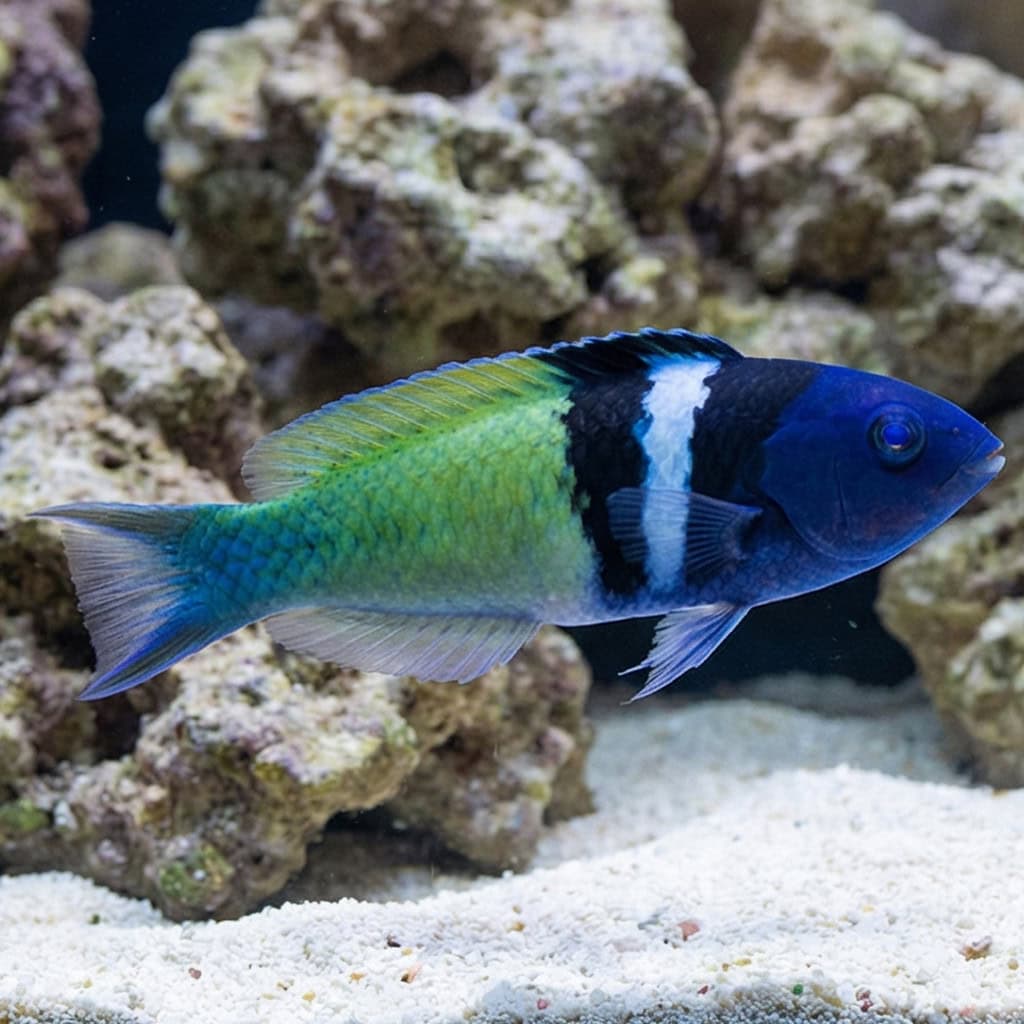
The Bluehead Wrasse (Thalassoma bifasciatum) is a fast-moving Caribbean and Western Atlantic wrasse known for clear color-phase changes as it grows, including the “blue head” adult male look with strong striping. In aquariums it actively hunts meaty foods and often patrols rockwork for small motile invertebrates, which can make it a useful option for hobbyists targeting certain pests.
What You’ll Observe:
- Constant cruising and quick turns through open water and around rockwork
- Rapid, assertive feeding response at the surface and mid-water
- Color intensity and pattern shifts during social moments and display
- Regular “inspection” of rocks and crevices while foraging
Provide open swimming room plus plenty of live rock structure so it can weave, hide, and establish a routine. Offer a varied meaty diet (like enriched mysis/brine and other chopped marine foods) and keep feedings consistent to match its high activity level. For the smoothest community dynamics, most keepers place it after more easygoing fish have already settled in.
Will this wrasse bother snails or shrimp?
It often shows interest in mobile invertebrates, so many keepers plan their clean-up crew and ornamental shrimp choices around that.
Does it “sleep in the sand” like some other wrasses?
Many hobbyists report it diving into sand at lights-out when a sand area is available, rather than only wedging into rock.
Why does it look different than photos online?
This species shows strong age/sex-related color phases, so juveniles, females, and terminal males can look like different fish.
Is it normal for it to rearrange small bits of rock or rubble?
Some individuals pick up or mouth small objects while hunting, especially when searching crevices for food.
Is “Bluehead Wrasse” sometimes confused with a reef-safe fairy wrasse?
Yes—stores and posts sometimes mix up common names, so matching the scientific name helps avoid surprises.
Each fish is checked for strong appetite and activity before we approve it for your tank.
Recently viewed products