
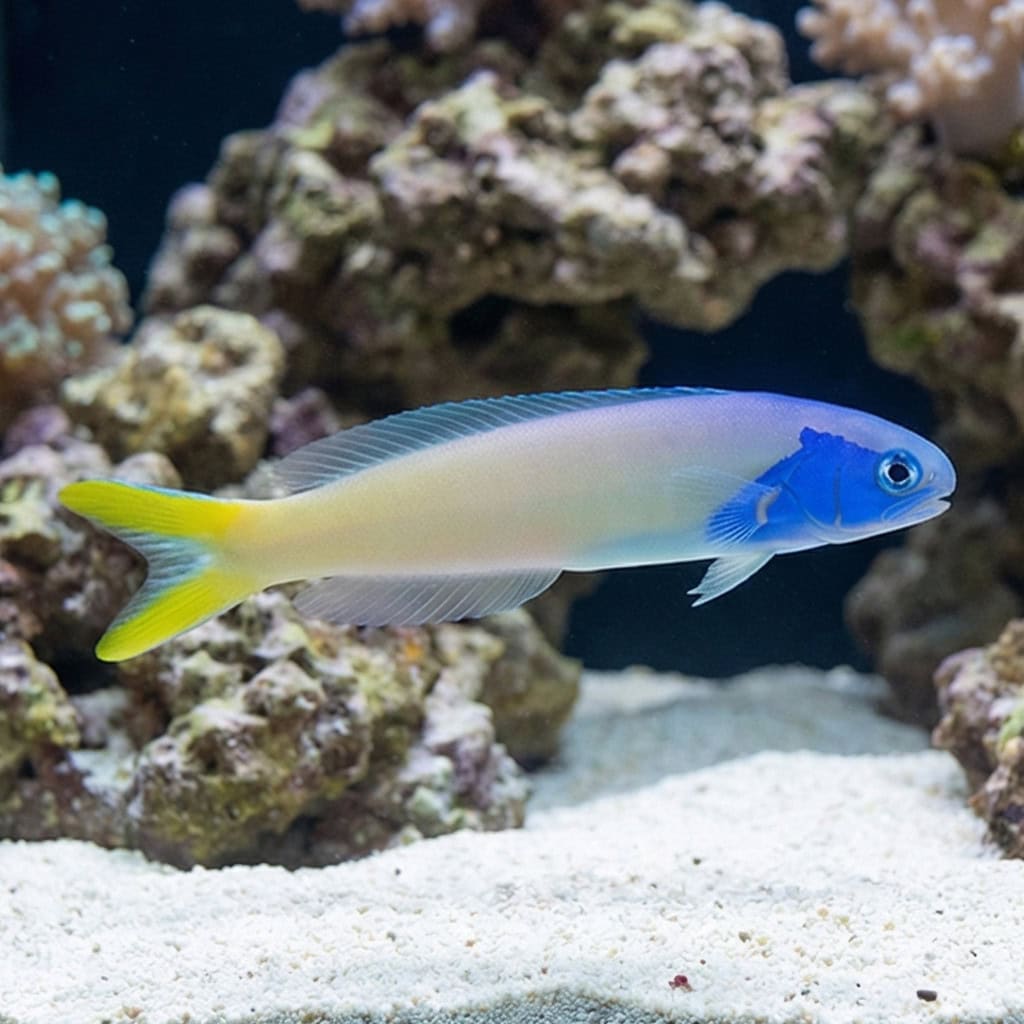
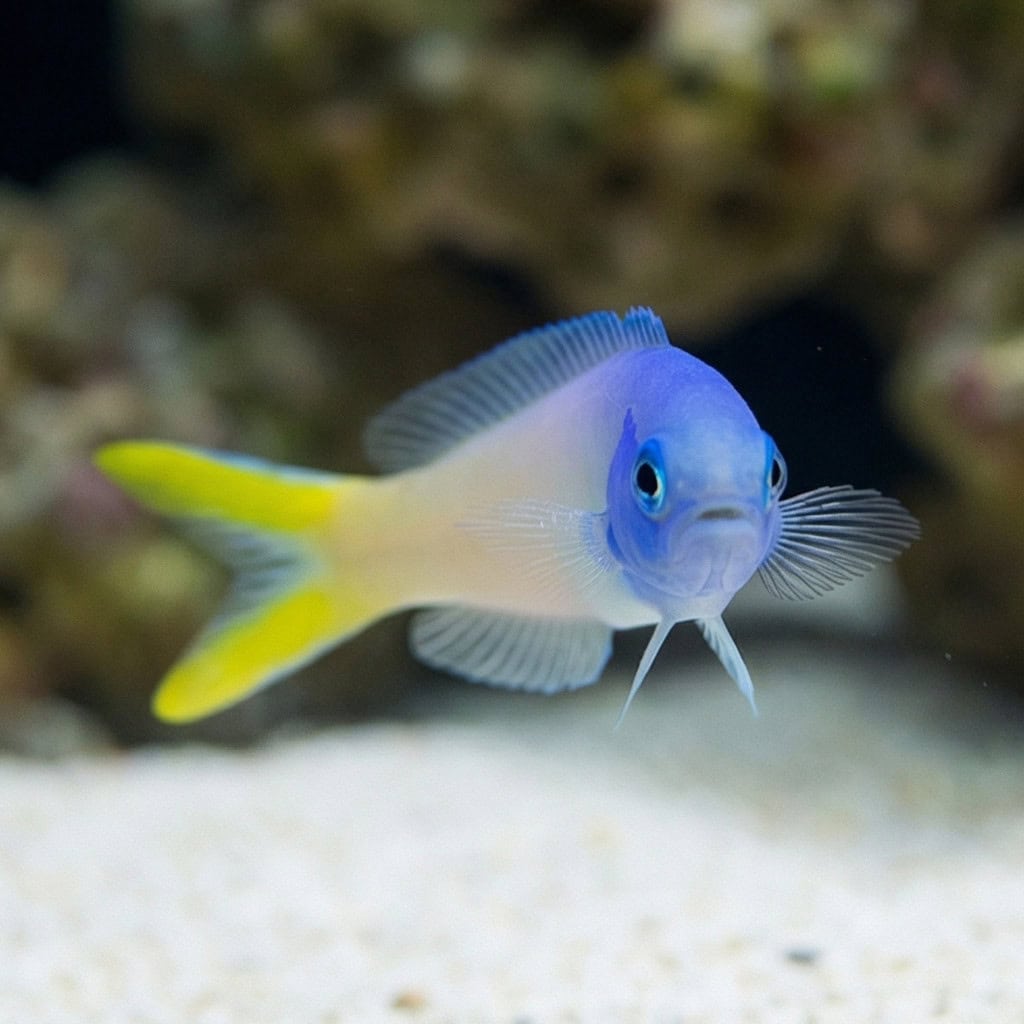
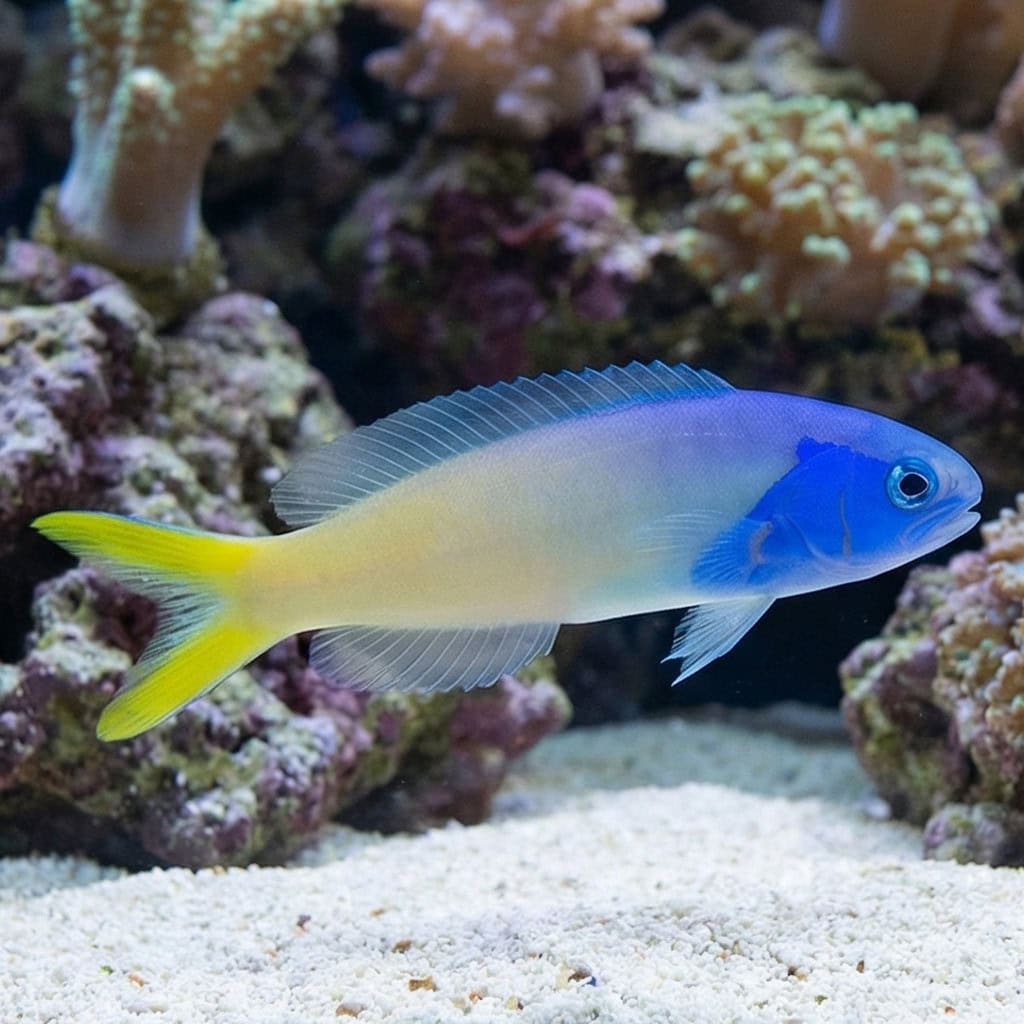
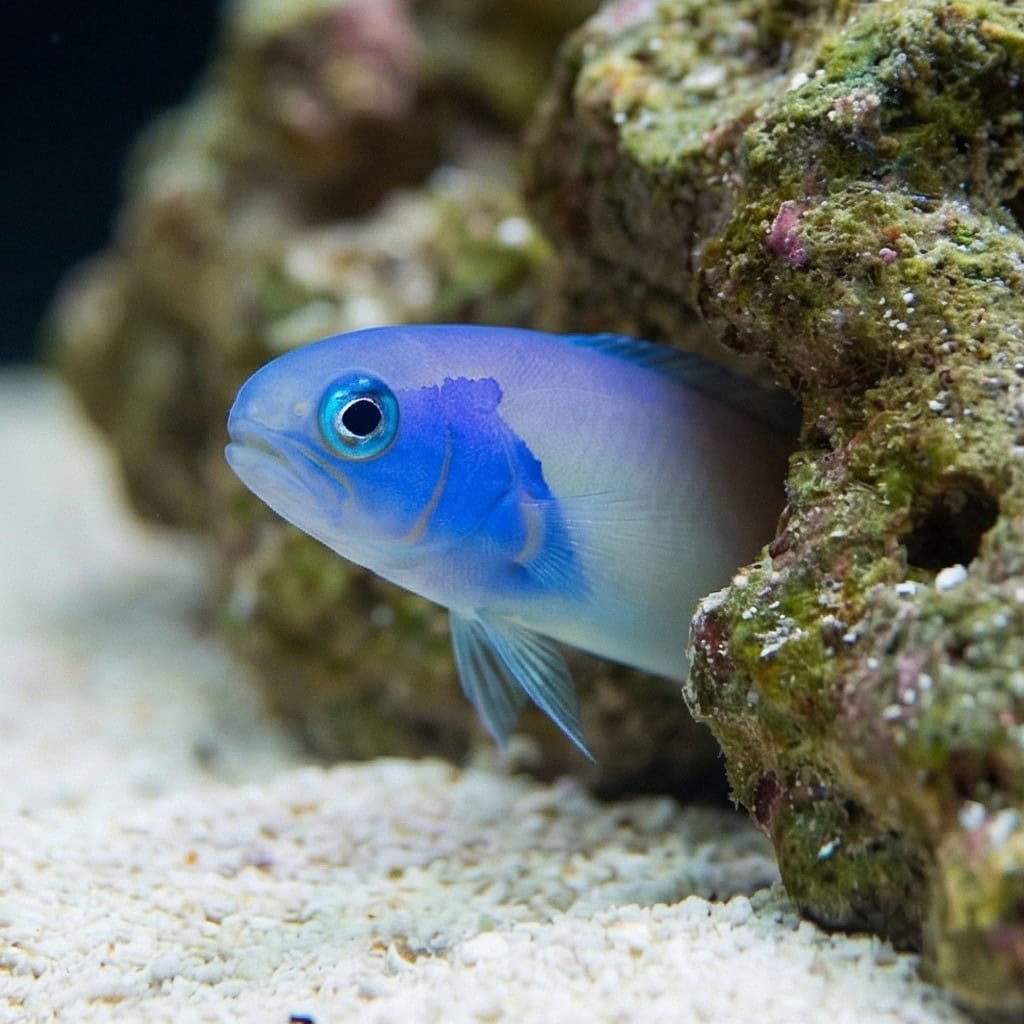
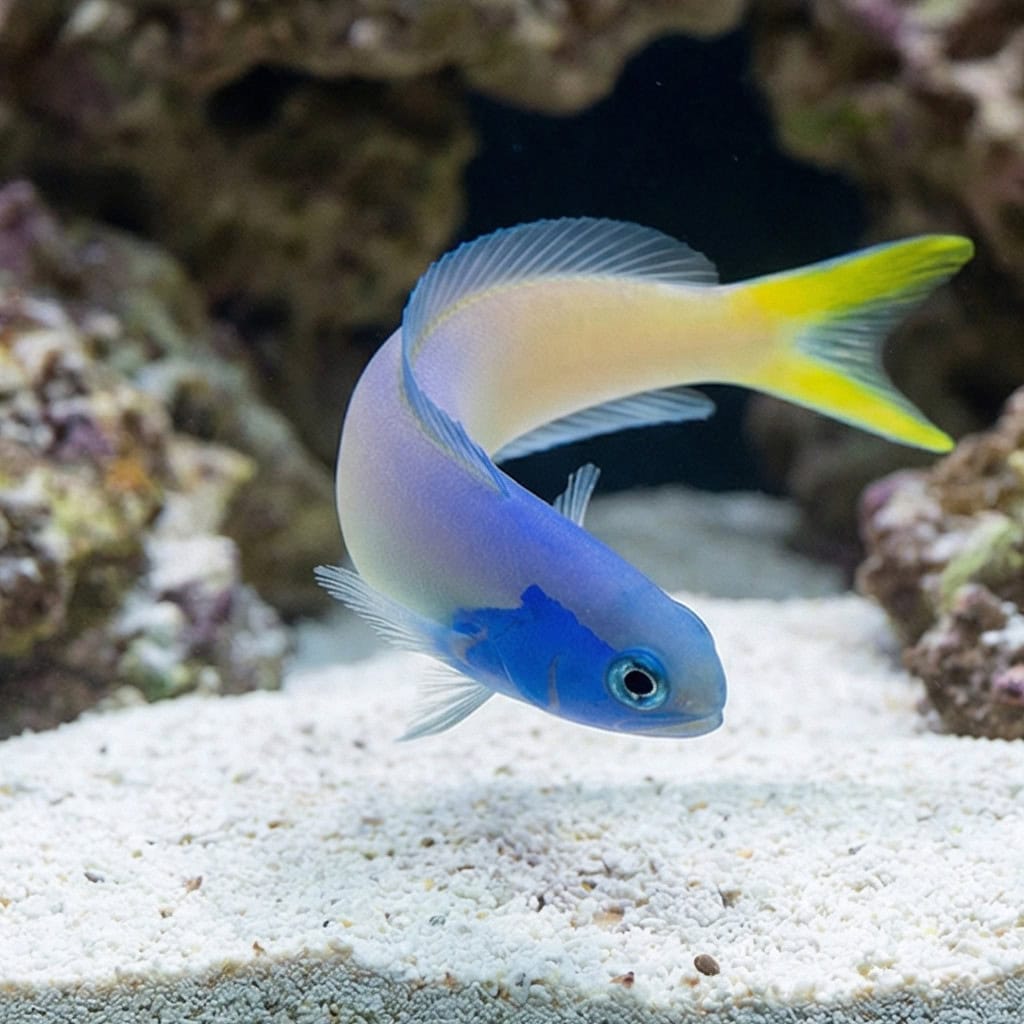
Bluejaw Tile Goby
Hoplolatilus starcki
| Stock | Variations | Price | Quantity |
|---|
Every order ships with our standard 3-hour live arrival guarantee. Need more time? Add our 5-Day Guarantee at checkout.
Full guarantee terms →Ships Monday – Thursday for next-day arrival at your nearest FedEx Hold location — typically ready by 9 AM. We monitor every delivery.
Shipping details →
Monday – Friday 8 AM – 9 PM
Saturday 12 PM – 4 PM
Sunday 12 PM – 9 PM
Healthy, stable animals from vetted suppliers — inspected before packing, shipped overnight. Decades of experience built this model so we can deliver premium livestock at 30%+ less than you'd pay elsewhere.
| Care Level | Moderate |
|---|---|
| Temperament | Peaceful |
| Reef Safe | Yes |
| Functional Benefit | Ornamental Only |
| Diet Type | Planktivore |
| Mininum Tank Size | 55 gallons |
| Max Size | 6 inches |
| Temperature | 72–78°F |
| pH Range | 8.1–8.4 |
| Specific Gravity | 1.022–1.025 |
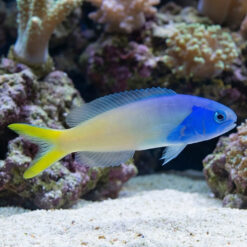
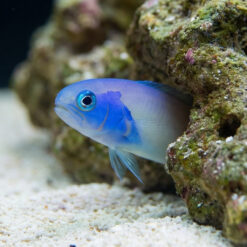
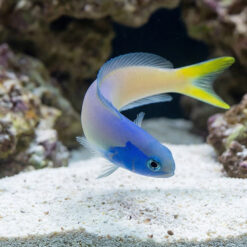
The Bluejaw Tile Goby (Hoplolatilus starcki) is a sand tilefish with a vivid blue head and a pale yellow body that stays in view near its chosen shelter. In reef aquariums it’s often seen hovering over mixed sand and rubble, then gliding into open water to grab small foods as they drift by.
What You’ll Observe:
- Hovers a few inches above the substrate near a favorite burrow or rock edge
- Quick, precise dashes back to its shelter when startled, then reappears soon after
- Takes small foods from the water column and often follows feeding activity closely
- In settled tanks, many become “front glass” fish that watch movement outside the aquarium
To succeed, provide open swimming space plus a mixed sand/rubble area it can use for a burrow, and keep a tight-fitting lid in place during feeding and maintenance. Offer a variety of plankton-sized meaty foods in several small feedings so it can eat consistently throughout the day.
How long does it usually take for one to act comfortable in a new tank?
Many begin by choosing one primary shelter and spending most of their time close to it, then expand their swimming range as they learn your feeding routine.
Is it normal for it to move sand or create small “craters”?
Yes—tilefish often blow or push sand to fine-tune the entrance to their burrow and clear a preferred resting spot.
Can it share space with other sand-working fish like diamond gobies?
Often yes in larger layouts with multiple suitable burrow zones, since different species may prefer different corners or rock edges for their “home base.”
Do they usually accept pellets, or stay on frozen foods?
Many transition to small pellets once they’re confidently feeding, especially when pellets are mixed into the water column with other foods.
Why does it sometimes change intensity or “flash” its colors?
Rapid shifts can show up during excitement (especially at feeding) or quick social interactions, and then it returns to its normal coloration shortly after.
Shipped with pure oxygen and temperature control so it arrives stress-free and ready to eat.
Recently viewed products