
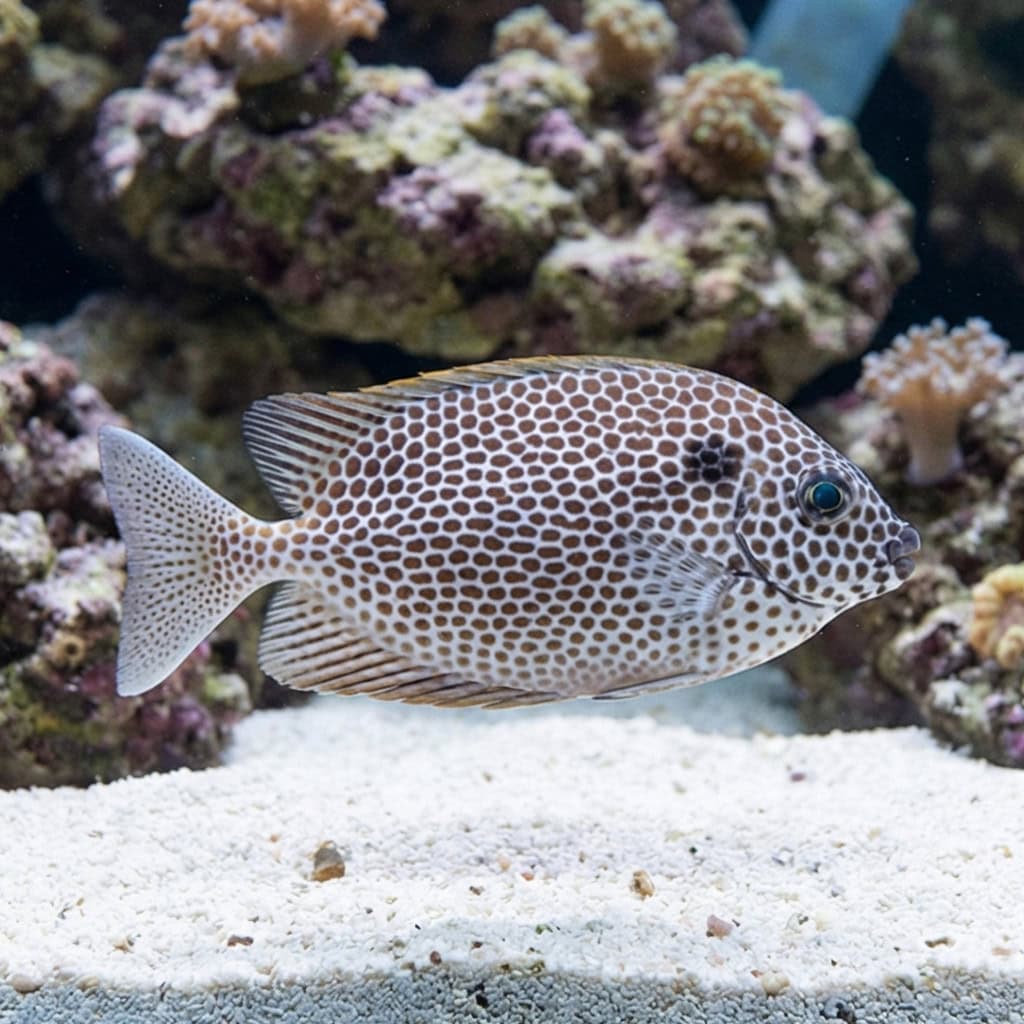
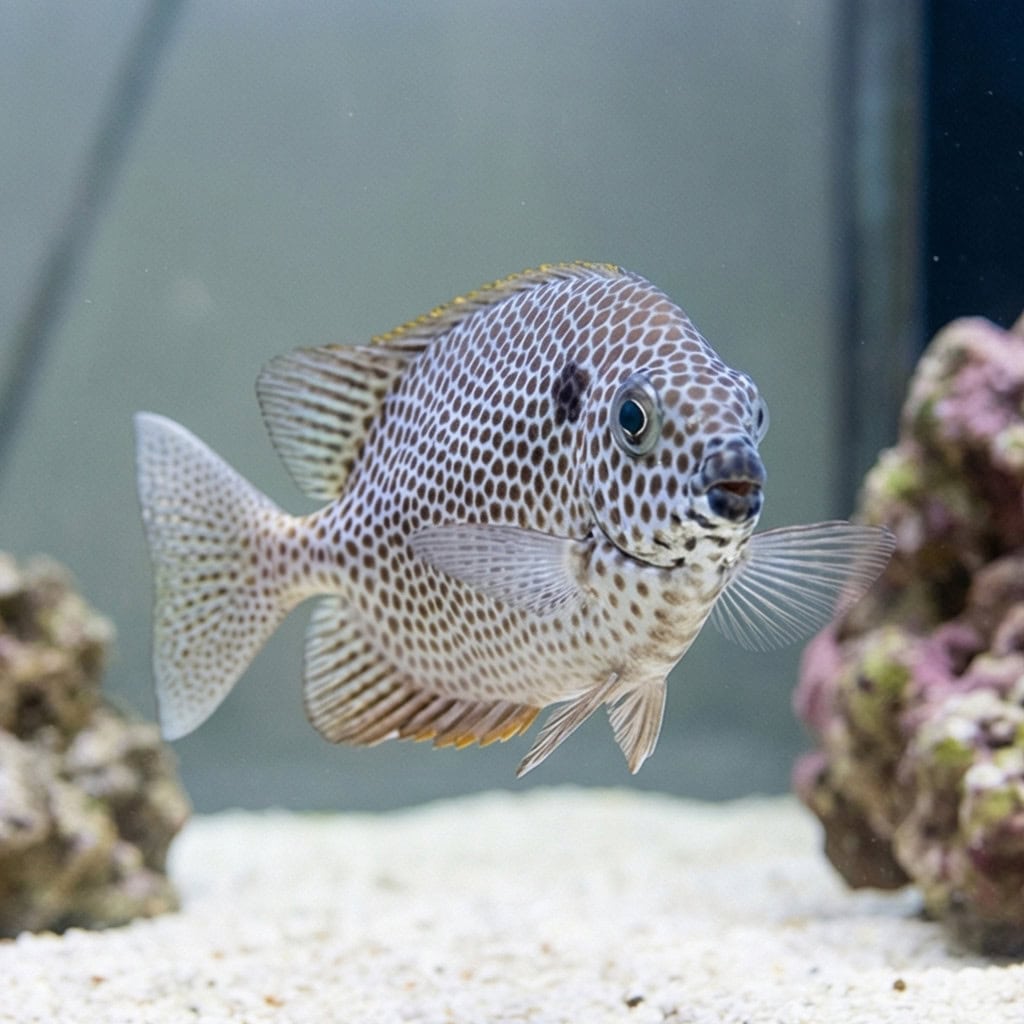
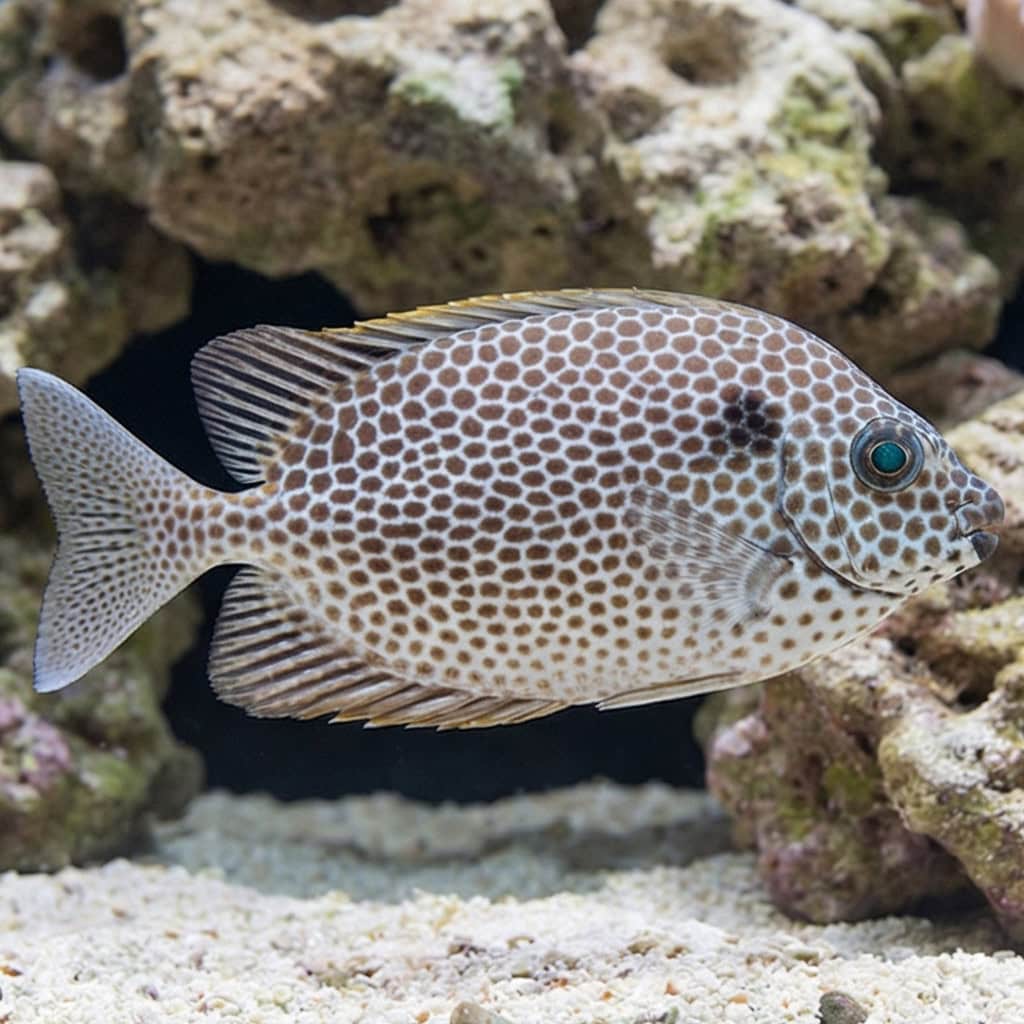
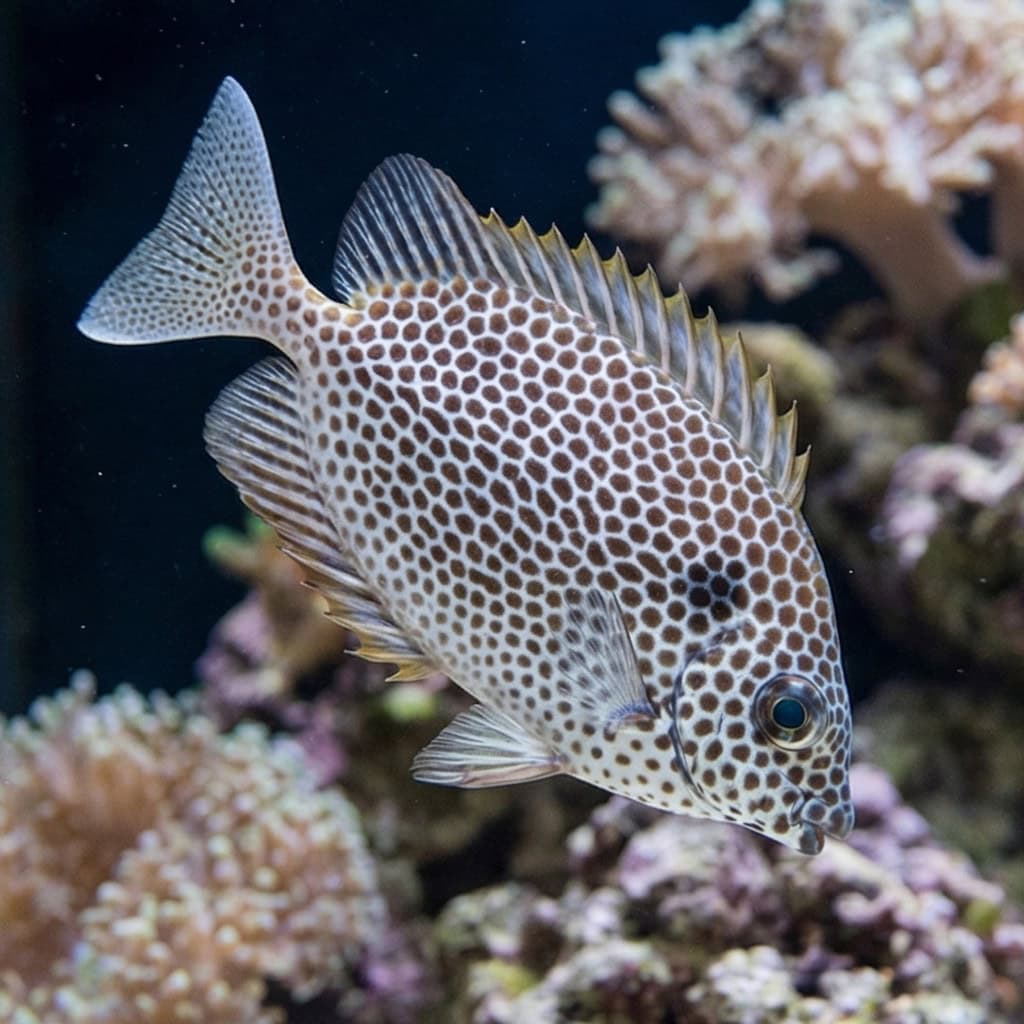
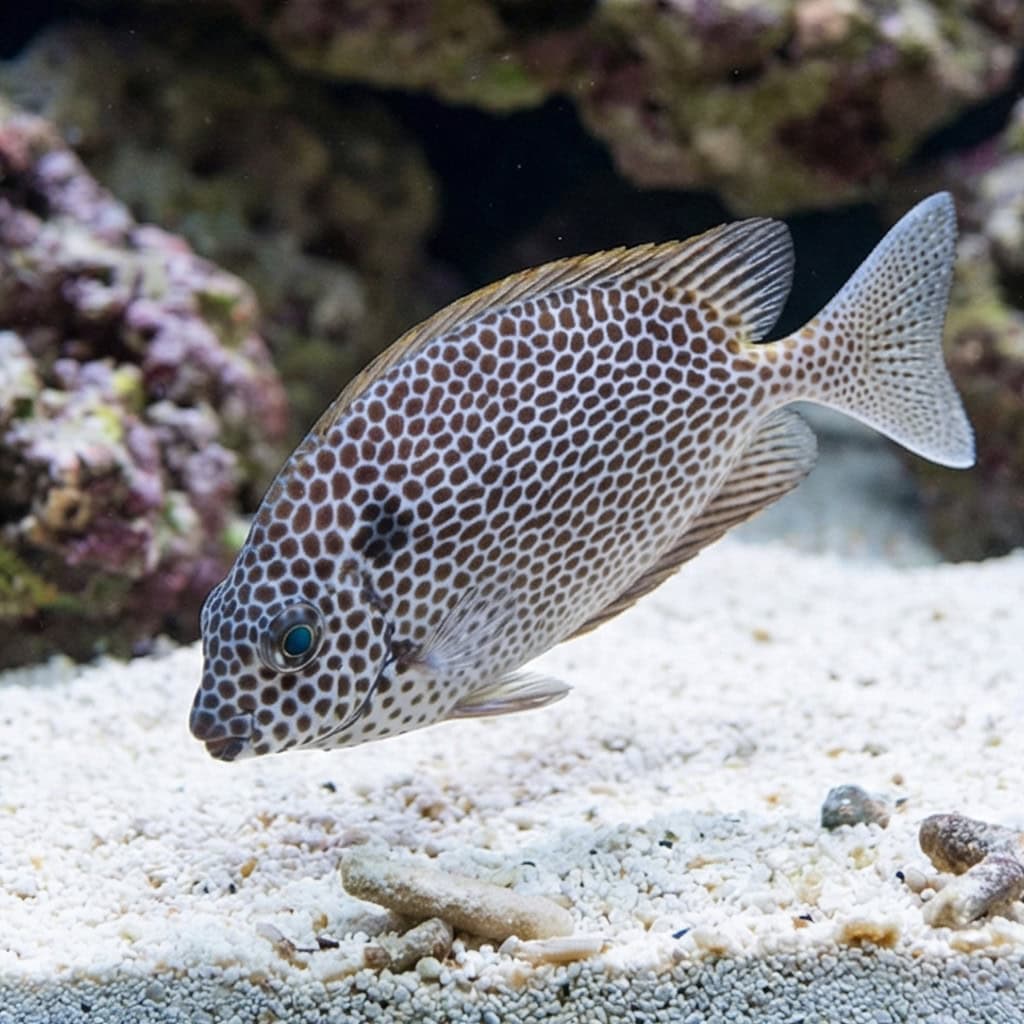
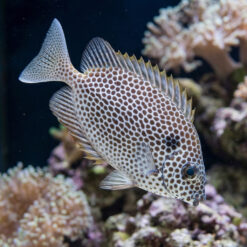
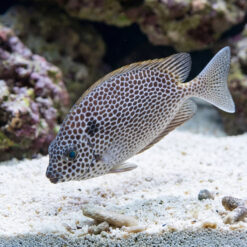
Brown-Spotted Rabbitfish
Siganus stellatus
Original price was: $221.99.$116.99Current price is: $116.99.
| Stock | Variations | Price | Quantity | |
|---|---|---|---|---|
| Only 8 left | 4.25 - 6.25" - Africa | Original price was: $221.99.$116.99Current price is: $116.99. |
-
+
|
|
| Out of Stock | 2.25 - 4.25" - Africa | Original price was: $168.99.$88.99Current price is: $88.99. | Email me |
Every order ships with our standard 3-hour live arrival guarantee. Need more time? Add our 5-Day Guarantee at checkout.
Full guarantee terms →Ships Monday – Thursday for next-day arrival at your nearest FedEx Hold location — typically ready by 9 AM. We monitor every delivery.
Shipping details →
Monday – Friday 8 AM – 9 PM
Saturday 12 PM – 4 PM
Sunday 12 PM – 9 PM
Healthy, stable animals from vetted suppliers — inspected before packing, shipped overnight. Decades of experience built this model so we can deliver premium livestock at 30%+ less than you'd pay elsewhere.
| Care Level | Moderate |
|---|---|
| Temperament | Peaceful |
| Reef Safe | With Caution |
| Functional Benefit | Algae Control |
| Diet Type | Herbivore |
| Mininum Tank Size | 250 gallons |
| Max Size | 18 inches |
| Temperature | 72–78°F |
| pH Range | 8.1–8.4 |
| Specific Gravity | 1.022–1.025 |
The Brown-Spotted Rabbitfish (Siganus stellatus) is a large herbivorous grazer that helps manage algae by browsing rockwork and other hard surfaces. It has a tight, star-like spotting pattern that reads as a honeycomb look across the body, and it’s found on reefs and lagoons across parts of the Indo-Pacific.
What You’ll Observe:
- Steady, methodical grazing laps through the rockwork and along tank edges as it searches for algae films
- Regular “patrol” swimming in open water, then quick returns to the rocks to pick and browse
- Noticeable color/pattern shifts with lighting and mood, especially when settling in or when the lights dim
- Adults commonly behave as paired fish in nature; in aquariums they typically act like a single “centerpiece grazer” that learns the tank’s routine
To succeed with this rabbitfish, provide a mature reef with ample live rock for grazing plus open swimming space for a fast-growing, deep-bodied fish. Offer frequent algae-based foods (like dried seaweed on a clip) alongside quality prepared foods so it stays focused on grazing and settles into a predictable feeding routine. It does best when given clear personal space from other rabbitfish and similar-shaped grazers.
Why does my rabbitfish turn pale or mottled at night (and sometimes rest at a strange angle)?
Rabbitfish commonly show a “sleep” coloration when lights go out, and many will park against rockwork or even tilt/lie over until the lights return. If it resumes normal color and behavior when the tank lights come on, keepers generally treat this as normal.
How quickly will it start grazing algae after you add it?
Many keepers report visible browsing within the first few days as the fish maps the tank and learns where algae is growing. A consistent seaweed clip helps it transition to grazing-and-clip feeding as a daily routine.
What do hobbyists do if a rabbitfish starts “sampling” certain corals?
A common approach is to keep algae foods available more consistently (especially seaweed) so the fish stays engaged with grazing. If it repeatedly targets one specific coral type even with steady feeding, many hobbyists choose to relocate either the coral or the fish.
Do rabbitfish learn to use a nori clip, and how often do people typically offer it?
Most learn quickly once they associate the clip with food, and many reefers offer a piece daily or every other day depending on fish load and nutrient control. Removing the clip once it’s picked clean is a common routine.
Is it normal for a rabbitfish to pick a specific sleeping spot in the rocks?
Yes—many choose a ledge, cave edge, or sheltered corner and return to it when the lights dim. This “same spot” routine is one reason stable rockwork and predictable lighting schedules help them look settled.
We work with trusted suppliers who keep our specimens healthy and well-fed before shipping.
Recently viewed products