
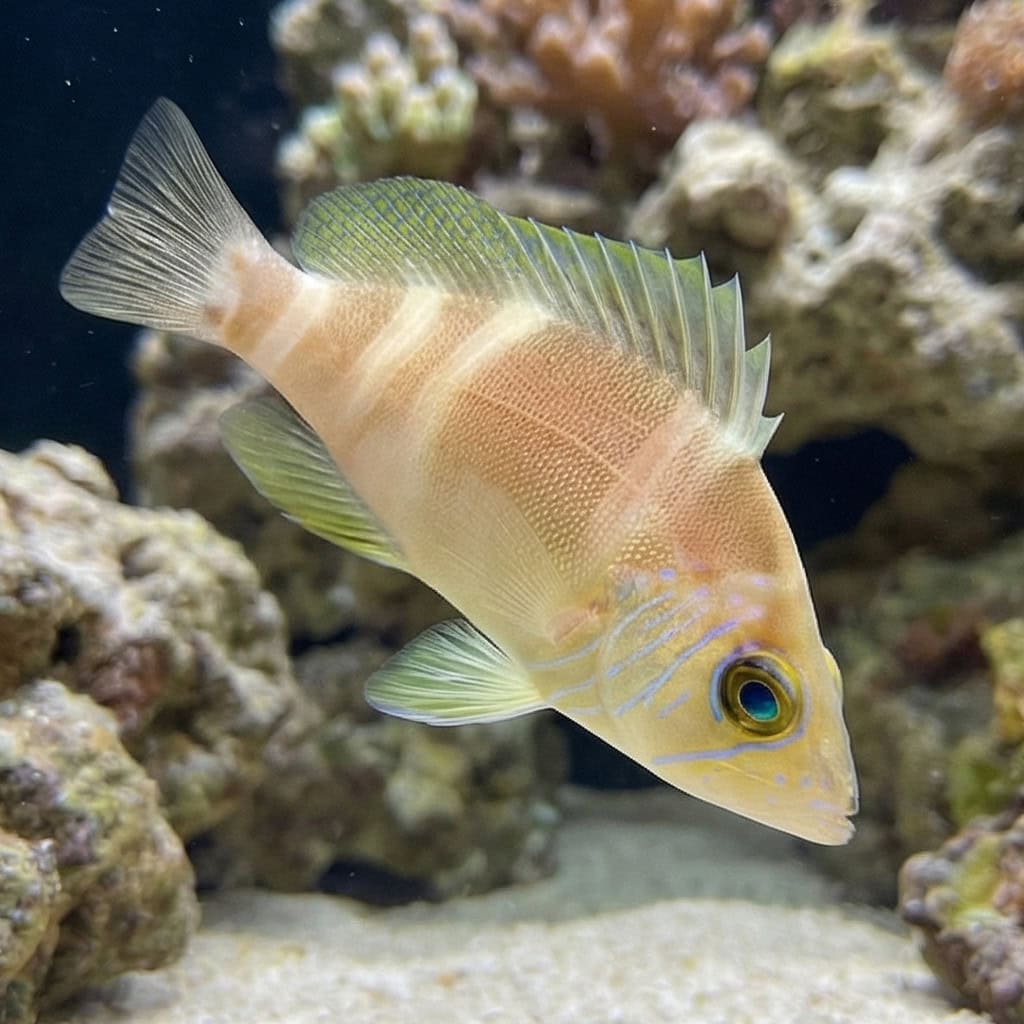
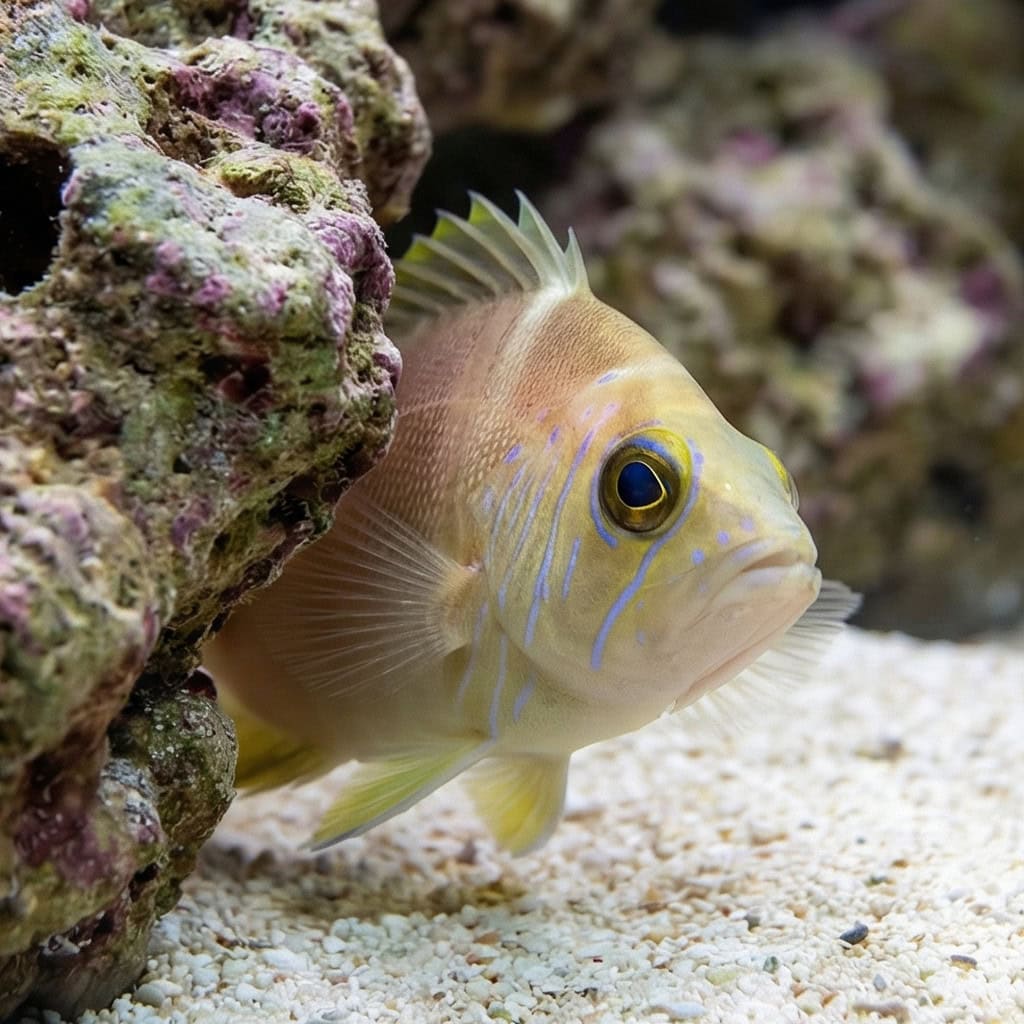
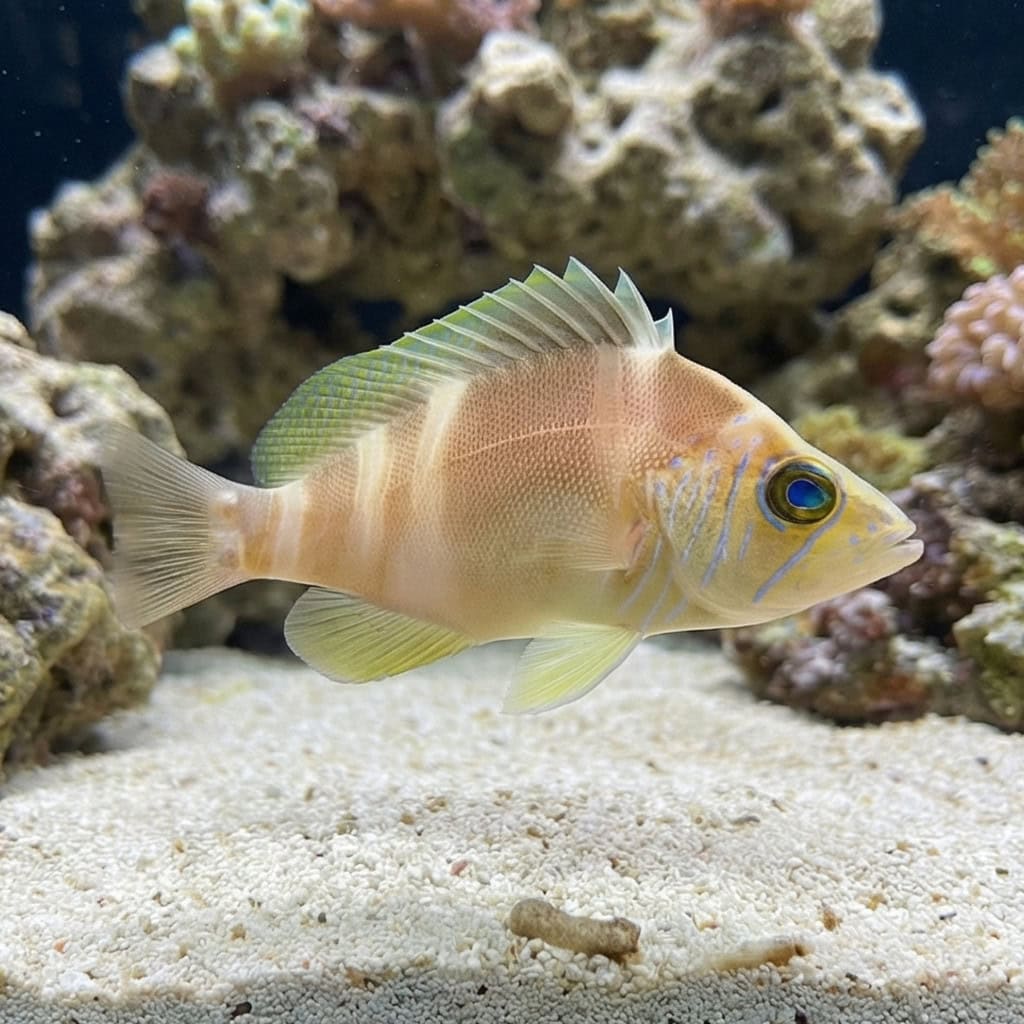
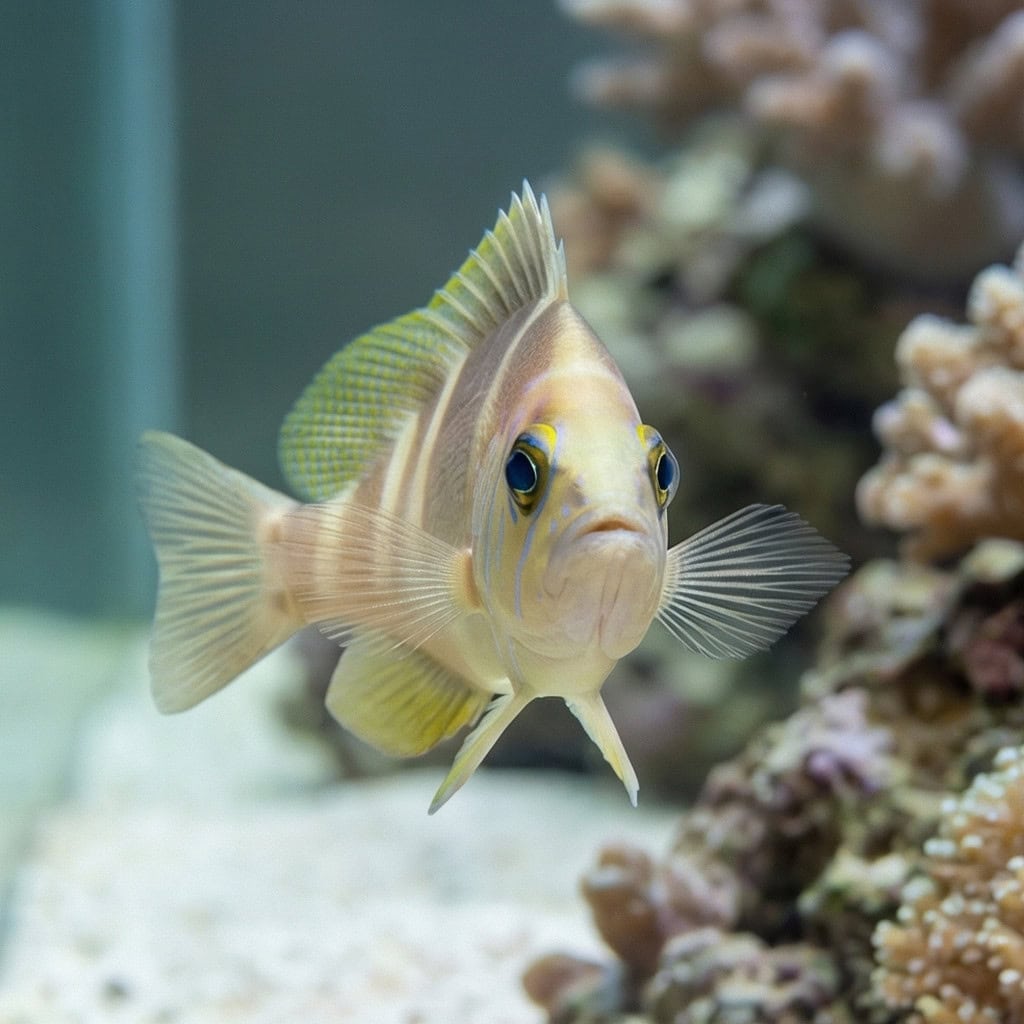
Butter Hamlet
Hypoplectrus unicolor
| Stock | Variations | Price | Quantity |
|---|
Every order ships with our standard 3-hour live arrival guarantee. Need more time? Add our 5-Day Guarantee at checkout.
Full guarantee terms →Ships Monday – Thursday for next-day arrival at your nearest FedEx Hold location — typically ready by 9 AM. We monitor every delivery.
Shipping details →
Monday – Friday 8 AM – 9 PM
Saturday 12 PM – 4 PM
Sunday 12 PM – 9 PM
Healthy, stable animals from vetted suppliers — inspected before packing, shipped overnight. Decades of experience built this model so we can deliver premium livestock at 30%+ less than you'd pay elsewhere.
| Care Level | Easy |
|---|---|
| Temperament | Semi-Aggressive |
| Reef Safe | With Caution |
| Functional Benefit | Ornamental Only |
| Diet Type | Carnivore |
| Mininum Tank Size | 55 gallons |
| Max Size | 5 inches |
| Temperature | 72–78°F |
| pH Range | 8.1–8.4 |
| Specific Gravity | 1.022–1.025 |
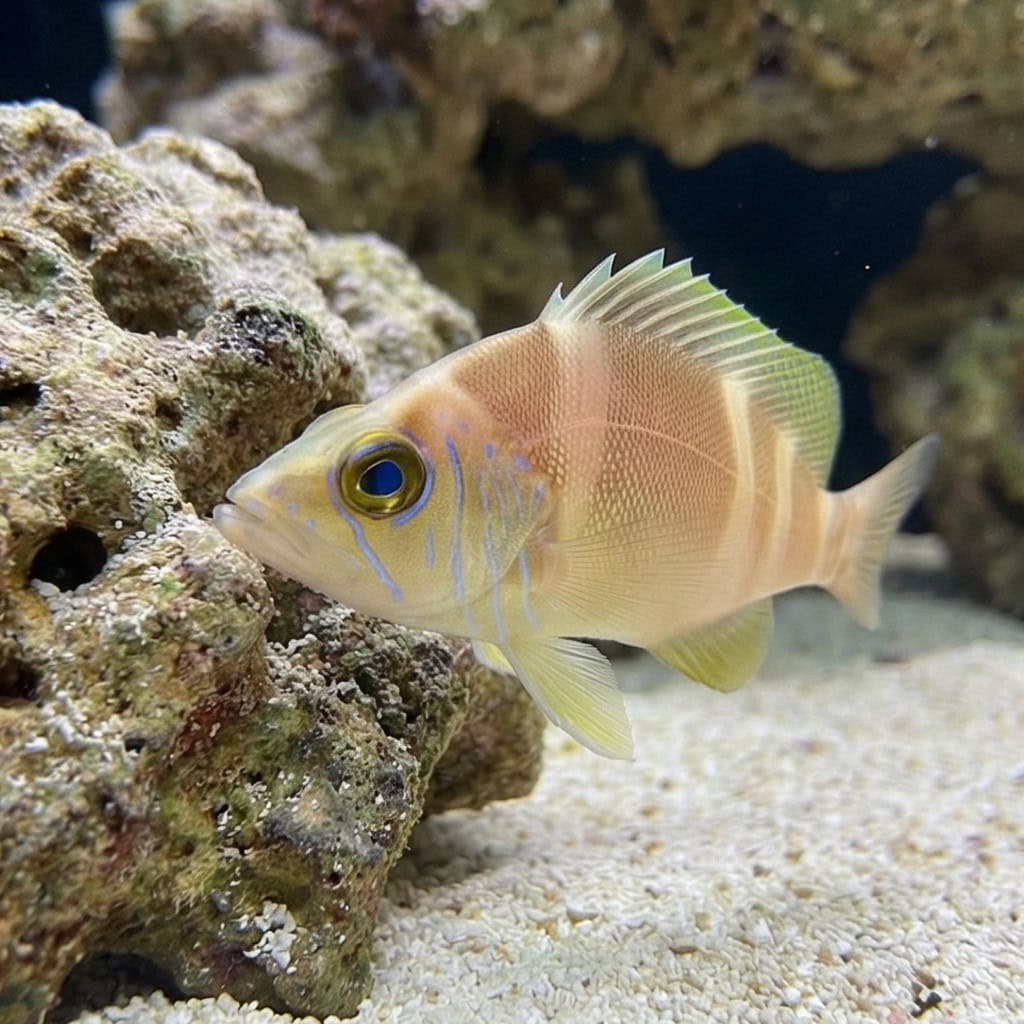
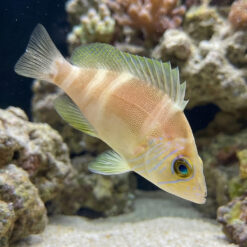
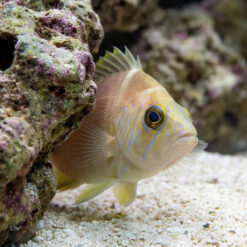
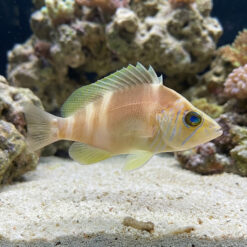
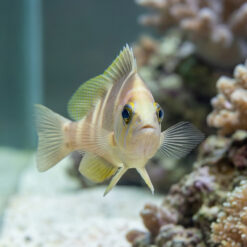
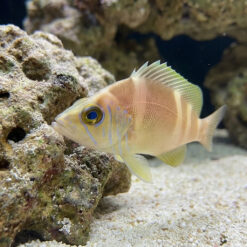
The Butter Hamlet (Hypoplectrus unicolor) is a Caribbean sea bass with a pale cream-to-yellow body, yellow pelvic fins, and a bold black “saddle” marking at the base of the tail. Subtle blue lines around the eye and on the face give it a clean, high-contrast look as it grows to about 5 inches.
What You’ll Observe:
- Short, deliberate patrol swims along the rockwork, then pausing to hover and watch the tank
- A favorite cave or overhang used as a home base between rounds
- Quick, accurate strikes at meaty foods when they drift within range
- Regular “checking in” at the front glass, especially around feeding time
Provide rockwork with multiple caves and shaded overhangs so it can choose a secure resting spot and still cruise open lanes. Offer mouth-sized meaty foods like mysis, chopped shrimp, and other frozen carnivore blends, and keep feedings consistent. It does best with tankmates that are similarly sized or larger, so its natural hunting behavior stays focused on prepared foods.
Can a hamlet live peacefully for months and then start eating smaller tankmates?
Yes—keepers often report that once the hamlet settles in and gains size/confidence, it may test what it can swallow, especially at night or during low-light periods.
Is it normal for a hamlet to spend a lot of time in a cave?
Very normal. Many hobbyists describe a pattern of “patrol and retreat,” where the fish cruises briefly, then returns to a preferred cave to rest and observe.
Do hamlets usually accept frozen foods right away, or do they need “training”?
Many transition quickly to frozen meaty foods, but some individuals respond best when food is delivered close to their cave at first (target feeding or using a baster).
Can you keep two hamlets together as a pair?
Some aquarists attempt it in larger, well-structured tanks with both added at the same time; others keep them singly after seeing dominance behavior in tighter spaces.
Why does a hamlet ignore food after being moved to a new tank?
A move can reset its routine; hobbyists often have better results by keeping lighting calm, feeding smaller portions more consistently, and offering a familiar frozen food near its home base until it resumes normal feeding.
Shipped with pure oxygen and temperature control so it arrives stress-free and ready to eat.
Recently viewed products