
-
×
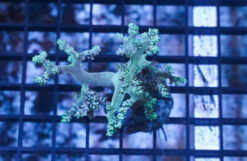 Kenya Tree Coral: Green, Size Medium
1 × $97.99
Kenya Tree Coral: Green, Size Medium
1 × $97.99
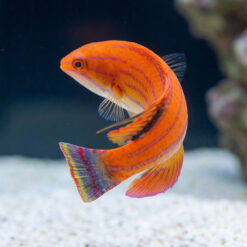
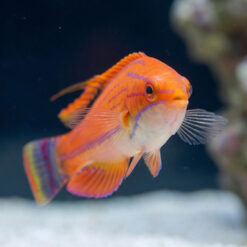

Carpenter’s Flasher Wrasse
Paracheilinus carpenteri
Original price was: $48.99.$25.99Current price is: $25.99.
| Stock | Variations | Price | Quantity | |
|---|---|---|---|---|
| Out of Stock | 2" or smaller - Indo-Pacific | Original price was: $48.99.$25.99Current price is: $25.99. | Email me | |
| In Stock | 2 - 3" - Indo-Pacific | Original price was: $48.99.$25.99Current price is: $25.99. |
-
+
|
Arrives Alive. Guaranteed.
▼
Every order ships with our standard 3-hour live arrival guarantee. Need more time? Add our 5-Day Guarantee at checkout.
Full guarantee terms →
FedEx Overnight. Every Order.
▼
Ships Monday – Thursday for next-day arrival at your nearest FedEx Hold location — typically ready by 9 AM. We monitor every delivery.
Shipping details →
Real People. 7 Days a Week.
▼
Monday – Friday 8 AM – 9 PM
Saturday 12 PM – 4 PM
Sunday 12 PM – 9 PM
Phone
Chat
Email
Text
Contact us →
Aquarium-Ready Livestock
▼
Healthy, stable animals from vetted suppliers — inspected before packing, shipped overnight. Decades of experience built this model so we can deliver premium livestock at 30%+ less than you'd pay elsewhere.
| Care Level | Moderate |
|---|---|
| Temperament | Peaceful |
| Reef Safe | Yes |
| Functional Benefit | Ornamental Only |
| Diet Type | Planktivore |
| Mininum Tank Size | 55 gallons |
| Max Size | 3 inches |
| Temperature | 72–78°F |
| pH Range | 8.1–8.4 |
| Specific Gravity | 1.022–1.025 |
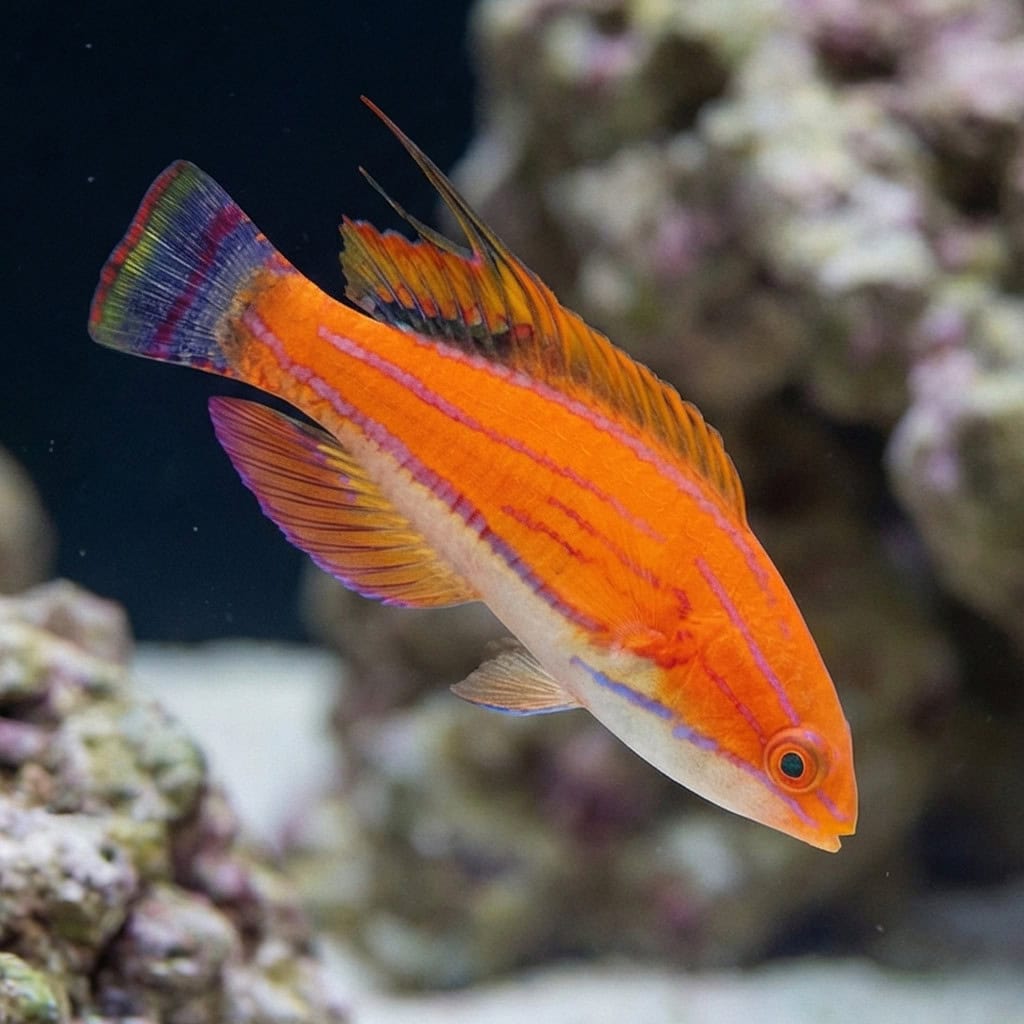
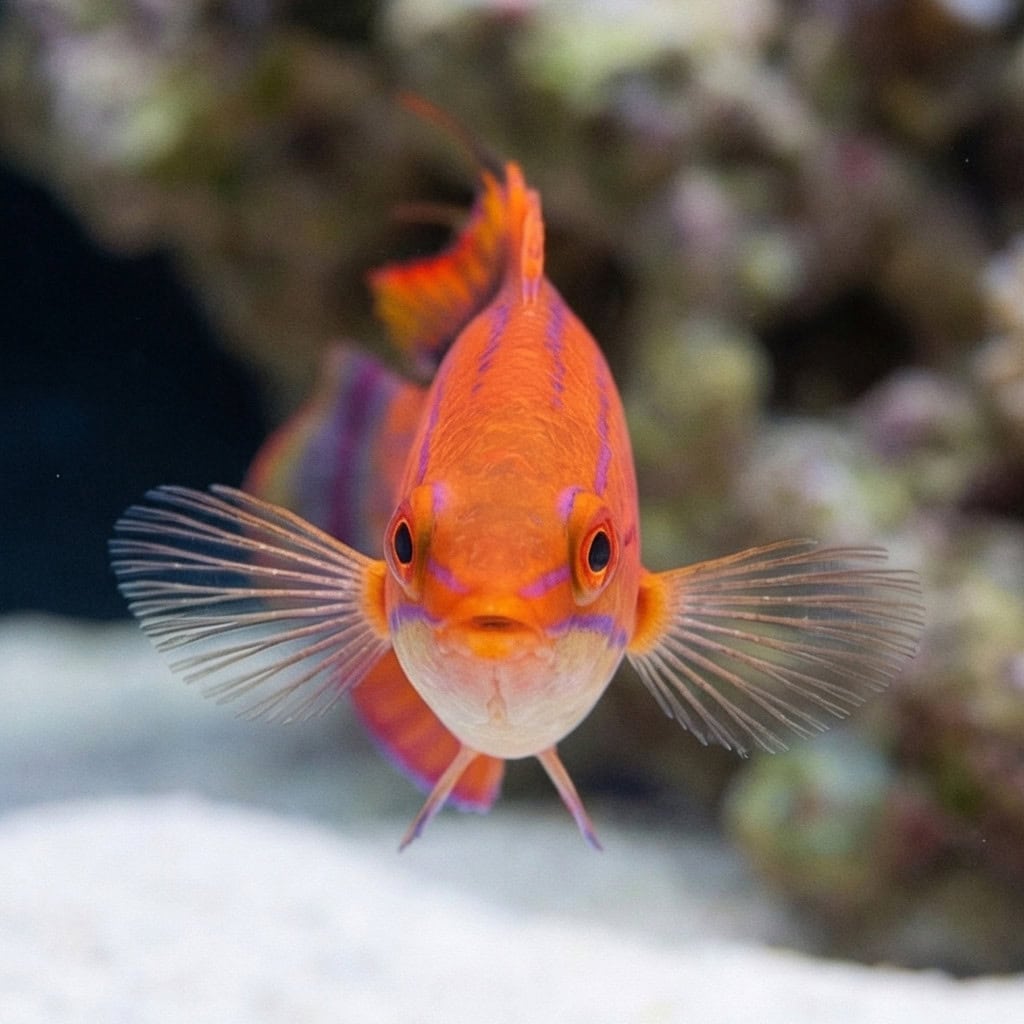
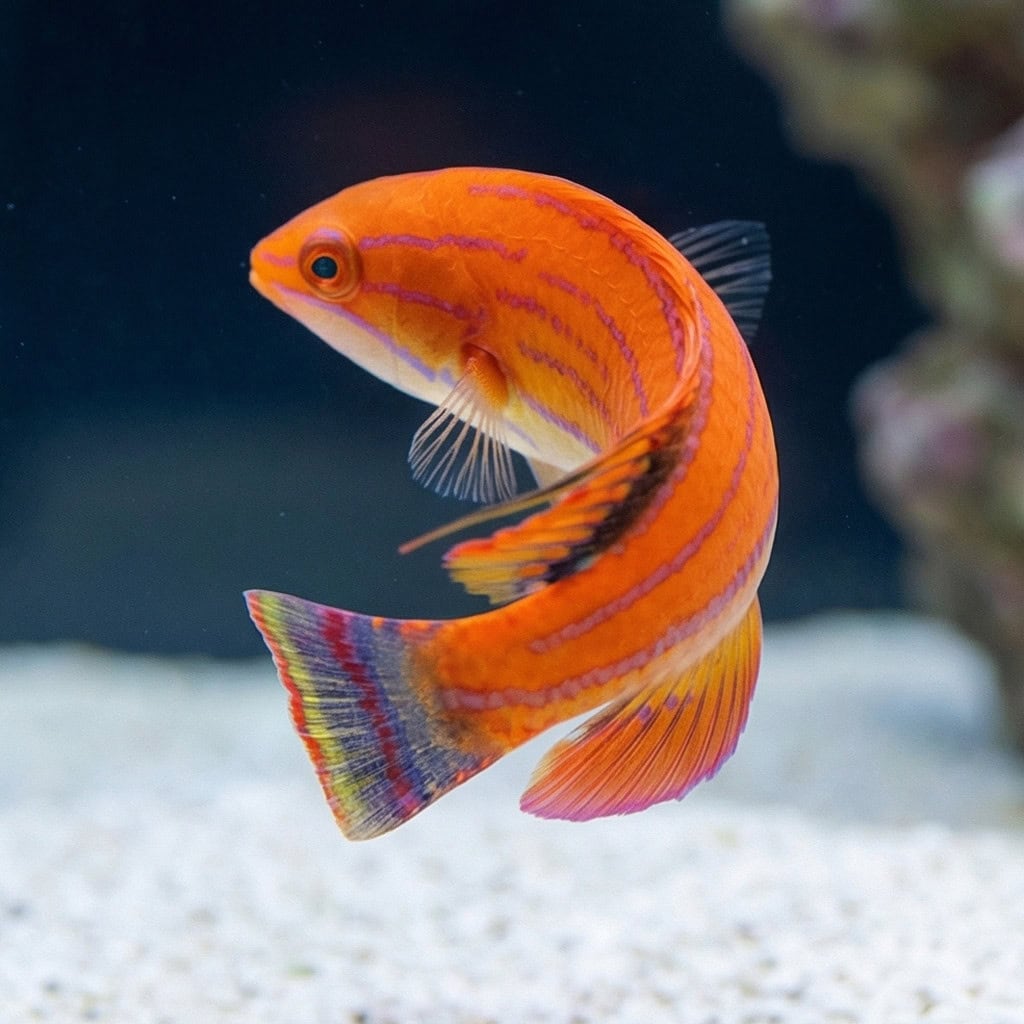
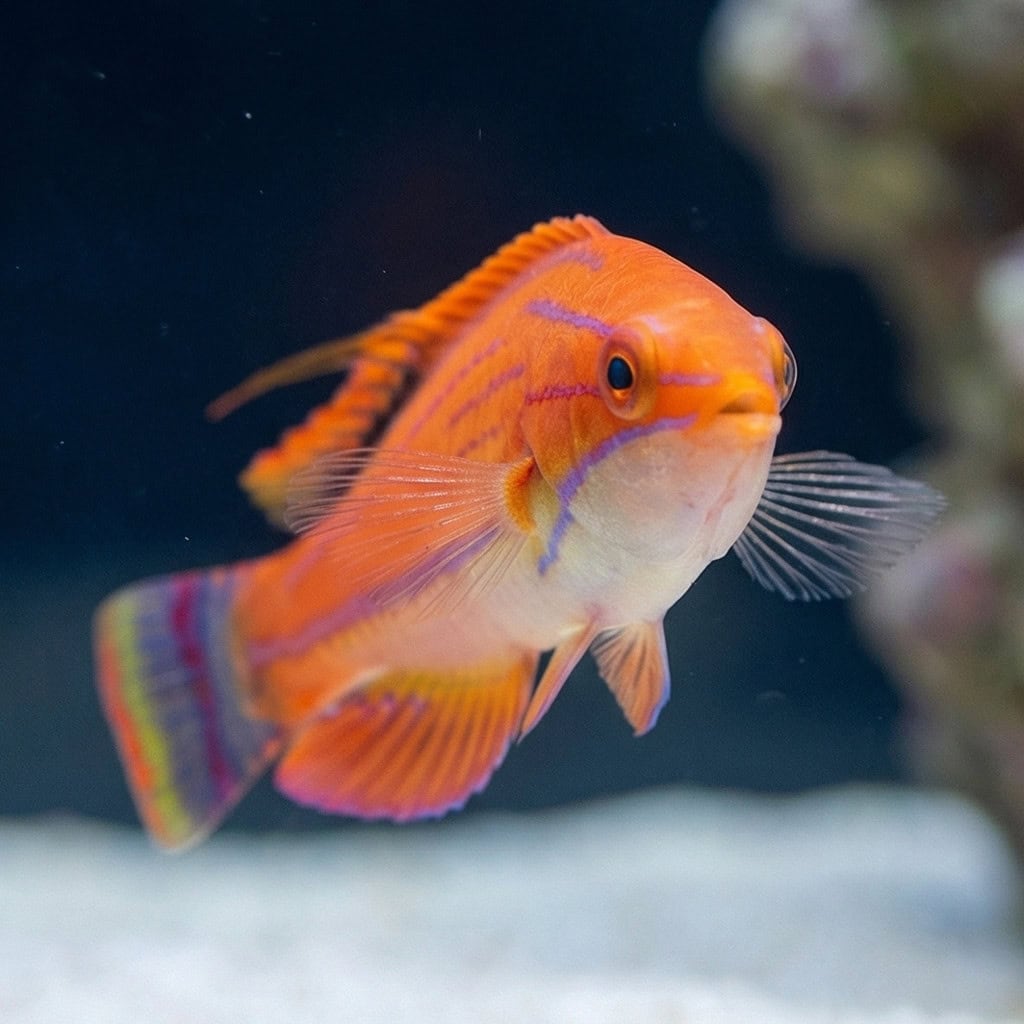
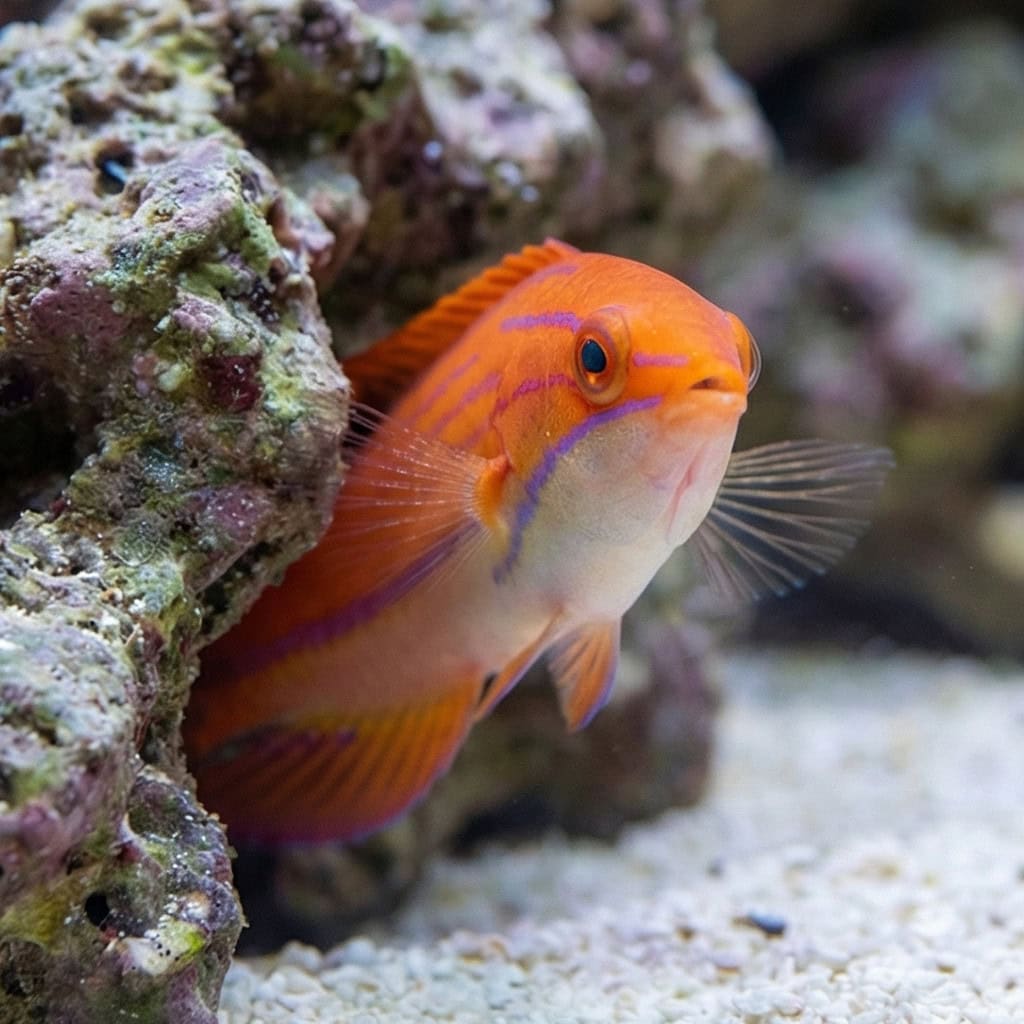
Carpenter’s Flasher Wrasse (Paracheilinus carpenteri) is a small reef-safe flasher wrasse from the western Pacific that typically reaches about 3 inches. Males show red-to-pink body color with fine blue linework and extend their fins during short display dashes in the water column. In a reef tank, it spends most of its time in open water while staying closely associated with a favorite section of rockwork.
What You’ll Observe:
- Cruises the middle and upper water column, then returns to the same rockwork “home base”
- Brief “flashing” bursts—quick dashes with fins flared—most often around feeding time or activity changes
- Sleeps tucked into rock crevices and reappears soon after the lights come on
- Learns a routine and often comes to the front glass when food is added
Provide open swimming room with plenty of rockwork structure for retreat points, and keep a tight-fitting mesh top with no gaps. Offer small meaty foods (mysis, finely chopped seafood, quality pellets) in several small feedings for best conditioning. It does well singly; if keeping a small group, add females first and keep only one male so display behavior stays directed and consistent.
Will it “flash” if it’s the only wrasse in the tank?
Many keepers still see short fin-flares and dashes during feeding or lights transitions, but the most frequent displays are usually reported when other wrasses are present.
How do you tell a male from a female at typical sale sizes?
Males usually show longer fin extensions and stronger pattern contrast, while females look more streamlined and subdued; juveniles can be hard to sex confidently.
How tight does the lid really need to be?
Hobbyists commonly report wrasses finding surprisingly small openings, so a snug mesh top with fully covered corners and cutouts tends to work best.
Can it be kept with other wrasses without constant chasing?
Most keepers focus on introduction order and first impressions—using an acclimation box and adding the more assertive fish later often helps everyone settle into separate routines.
Will it bother snails, shrimp, or other cleanup crew?
Reports most often describe flasher wrasses focusing on suspended foods and leaving typical cleanup crews alone, with occasional interest in very small crustaceans.
Our selection process means you get robust, well-adjusted specimens that settle in quickly.
Recently viewed products
Carpenter’s Flasher Wrasse (Paracheilinus carpenteri)
Starting at: $25.99
This product has multiple variants. The options may be chosen on the product page