
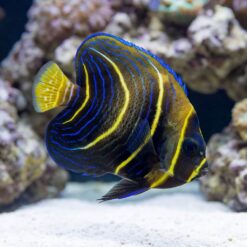
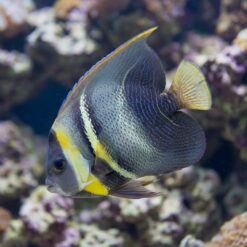
Cortez Angelfish
Pomacanthus zonipectus
| Stock | Variations | Price | Quantity | |
|---|---|---|---|---|
| Out of Stock | 1" or smaller - Juvenile - East Pacific | Original price was: $354.99.$186.99Current price is: $186.99. | Email me |
Every order ships with our standard 3-hour live arrival guarantee. Need more time? Add our 5-Day Guarantee at checkout.
Full guarantee terms →Ships Monday – Thursday for next-day arrival at your nearest FedEx Hold location — typically ready by 9 AM. We monitor every delivery.
Shipping details →
Monday – Friday 8 AM – 9 PM
Saturday 12 PM – 4 PM
Sunday 12 PM – 9 PM
Healthy, stable animals from vetted suppliers — inspected before packing, shipped overnight. Decades of experience built this model so we can deliver premium livestock at 30%+ less than you'd pay elsewhere.
| Care Level | Moderate |
|---|---|
| Temperament | Semi-Aggressive |
| Reef Safe | No |
| Functional Benefit | Ornamental Only |
| Diet Type | Omnivore |
| Mininum Tank Size | 250 gallons |
| Max Size | 18 inches |
| Temperature | 72–78°F |
| pH Range | 8.1–8.4 |
| Specific Gravity | 1.022–1.025 |
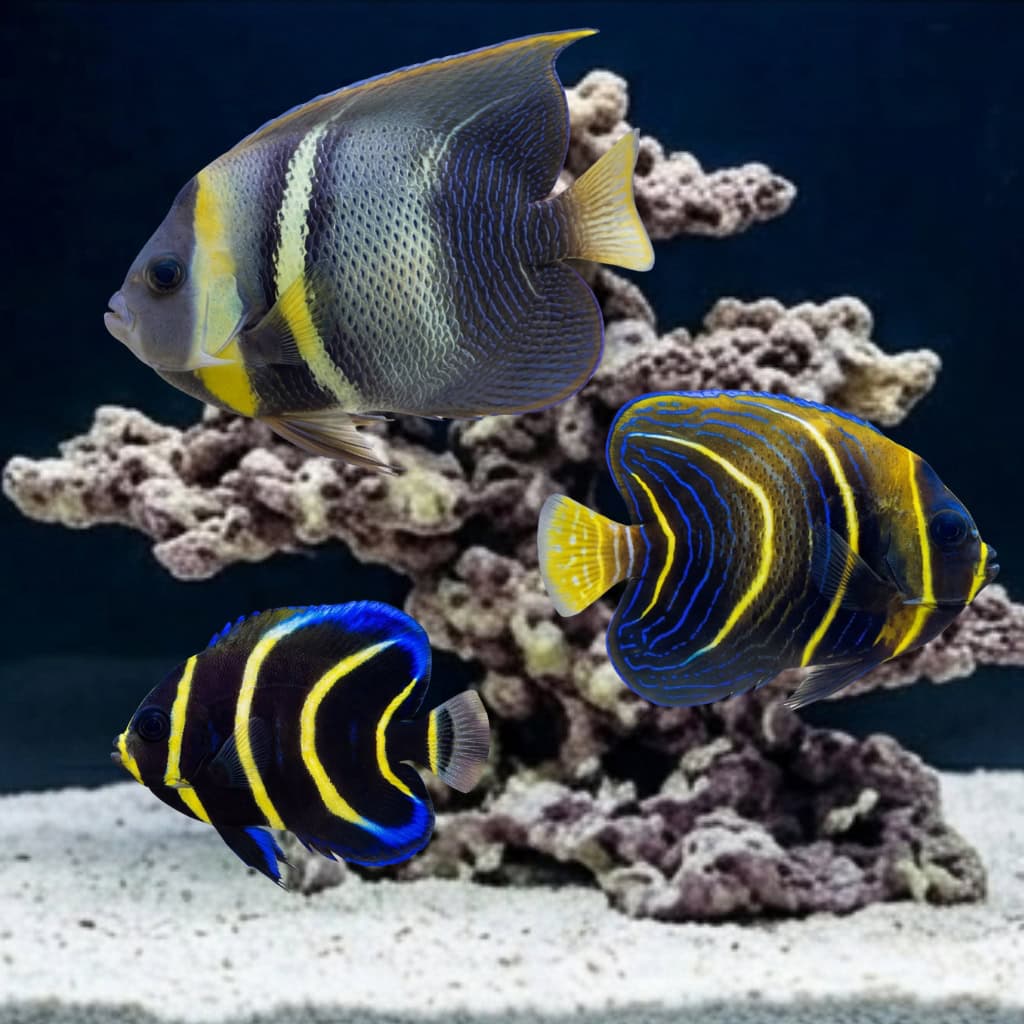
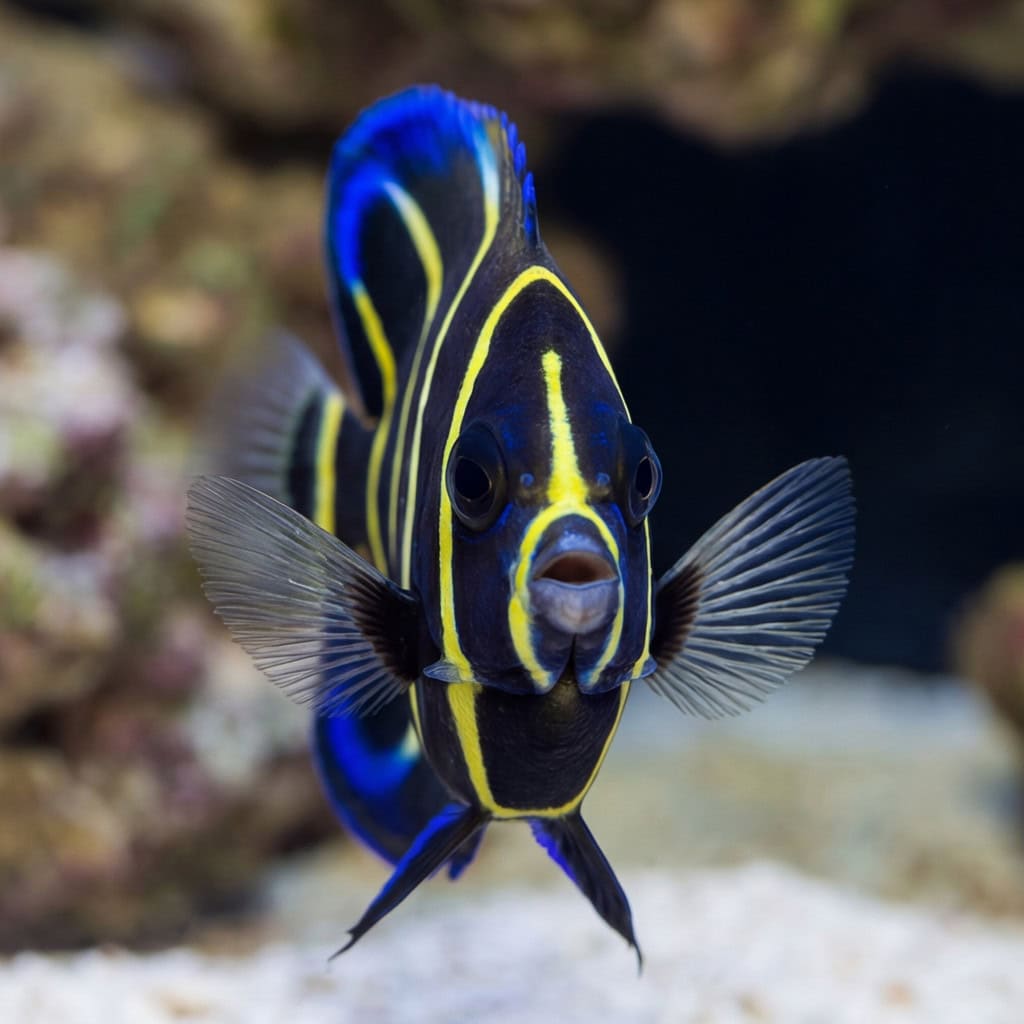
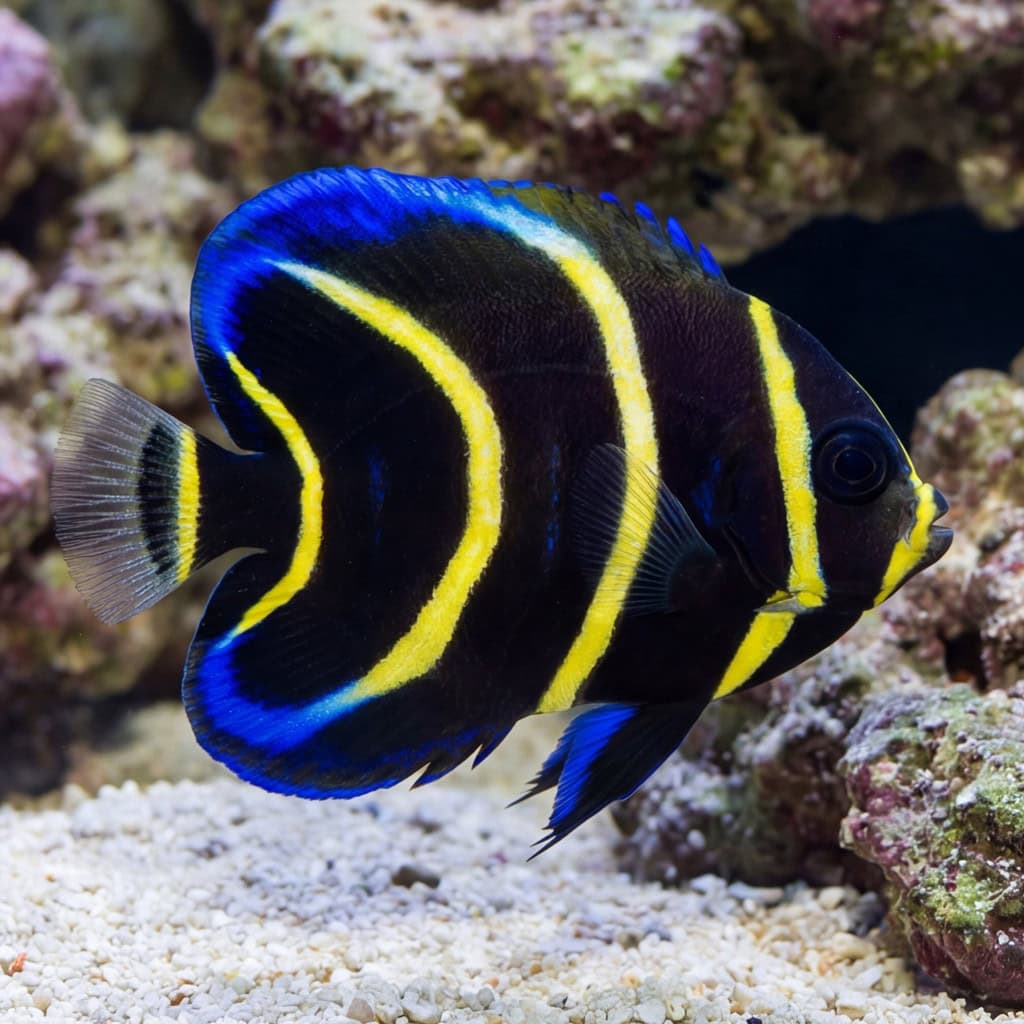
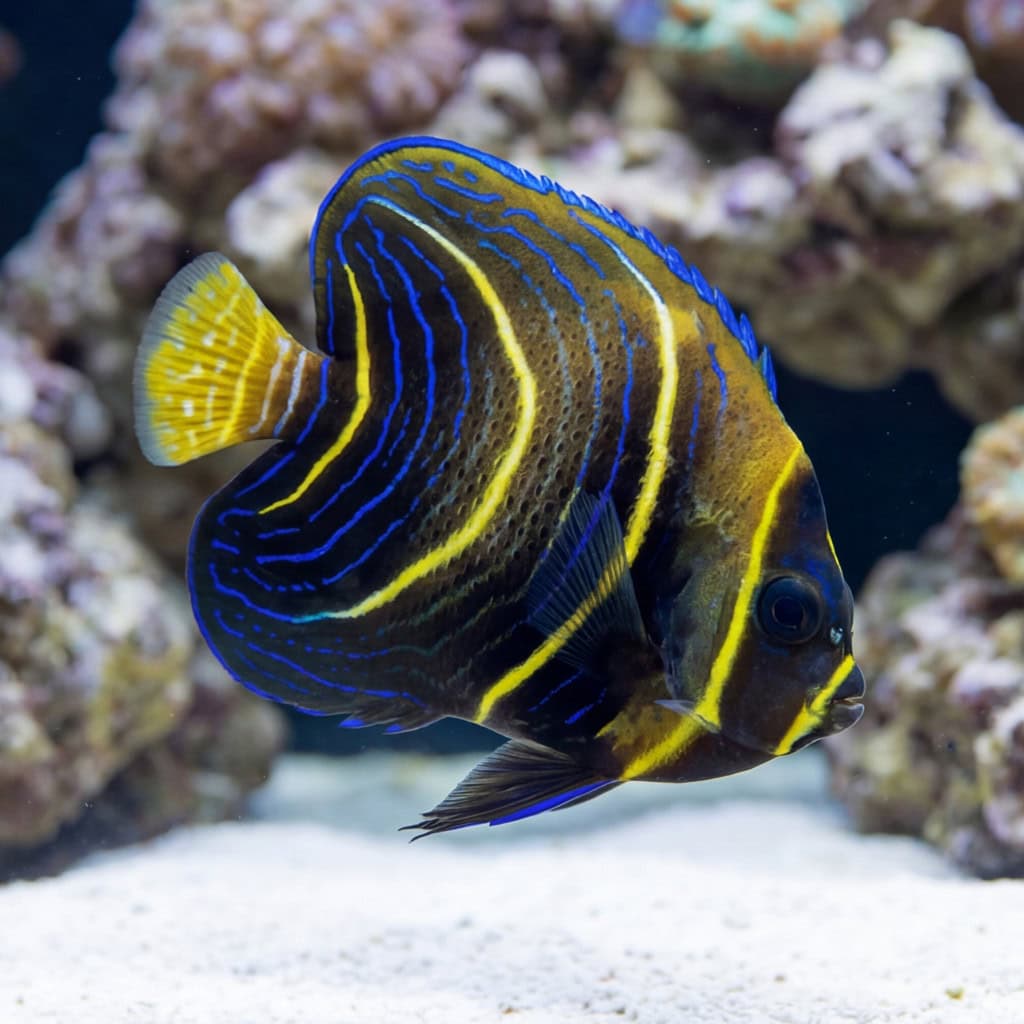
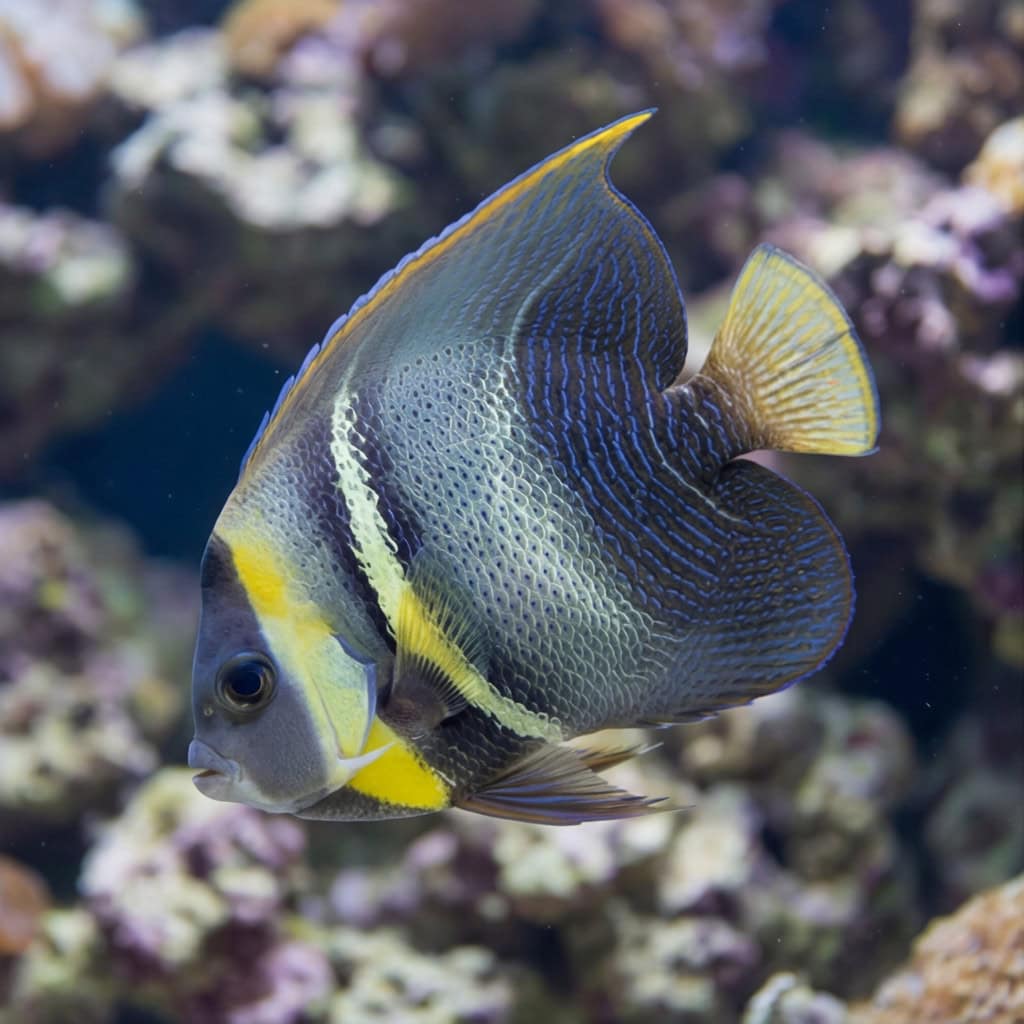
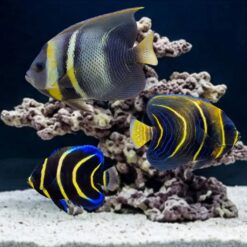
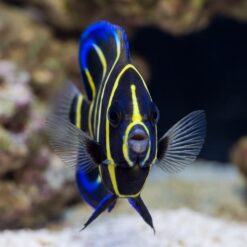
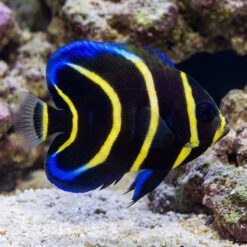
The Cortez Angelfish (Pomacanthus zonipectus) is a large marine angelfish from the tropical eastern Pacific, best known for its strong juvenile-to-adult color change. Juveniles show bold yellow banding with blue accents, while adults develop a yellow arc behind the pectoral fin area and fine reticulated patterning toward the back half of the body.
What You’ll Observe:
- Makes steady loops through open water, then returns to rockwork to graze
- Spends time inspecting ledges, overhangs, and caves as part of its daily route
- Becomes more front-of-tank focused at feeding time and learns the tank’s routine
- Shows noticeable pattern shifts as it grows, including “in-between” phases
Provide a spacious aquarium with substantial live rock and multiple cave-like retreats so it can cruise and break line-of-sight. Offer a varied menu that includes sponge-based angelfish foods alongside algae and meaty frozen options to match its natural grazing style.
How long does the juvenile pattern last?
Most keepers see gradual changes over months to years, and “in-between” patterns are common during growth.
Why does it look different from photos online?
This species can look very different as a juvenile, subadult, and adult, so matching by life stage helps.
Does it spend more time in the rocks or out in the open?
Many individuals do both—using rockwork as a route and refuge while still cruising the full length of the tank.
Can it be kept as a pair long-term?
Some aquarists plan for pairing only in very large systems, since adults naturally occur in pairs in the wild.
How quickly do they “outgrow” a display?
Growth rate varies with feeding and space, but planning around adult proportions early usually leads to the best long-term fit.
We source from vetted suppliers known for healthy, long-lived specimens.
Recently viewed products