
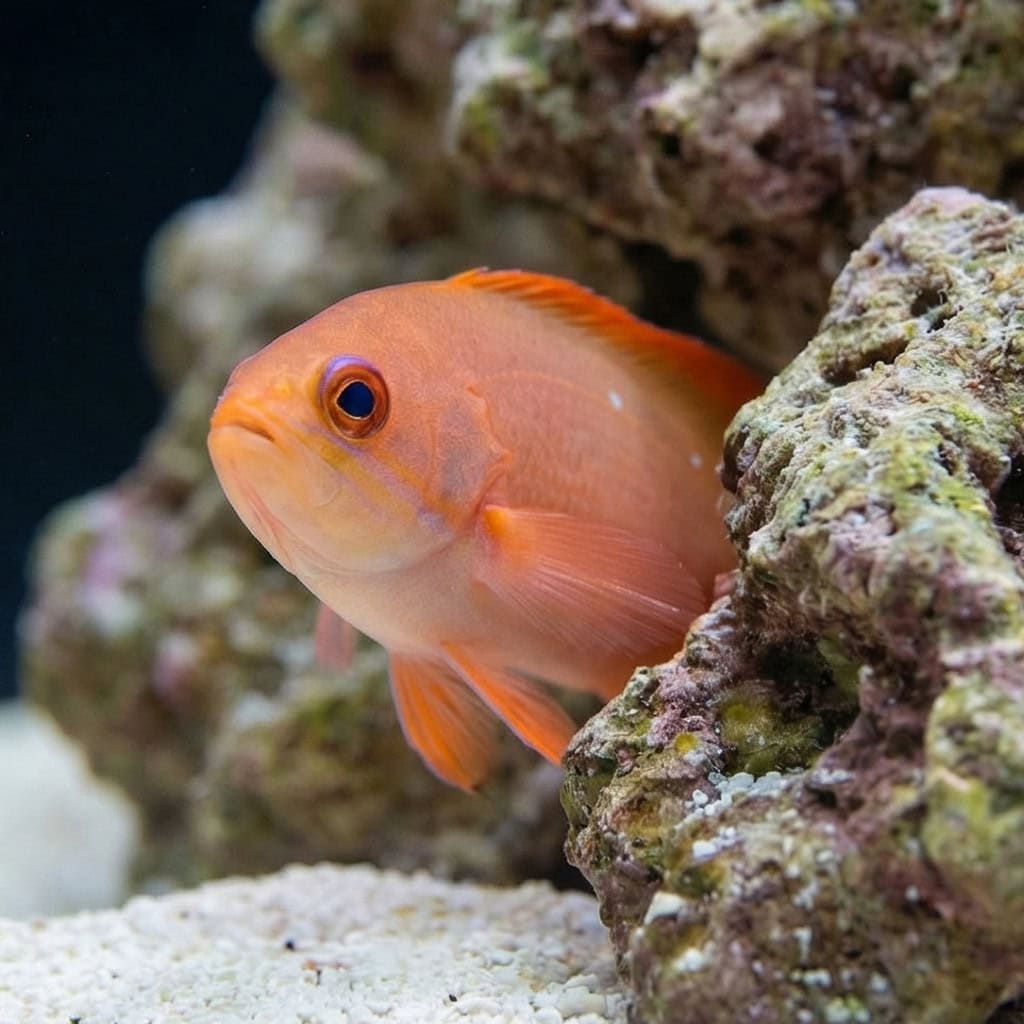
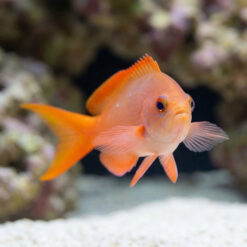
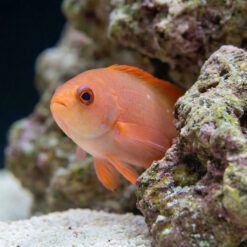
Creole Anthias
Paranthias colonus
Original price was: $196.99.$103.99Current price is: $103.99.
| Stock | Variations | Price | Quantity | |
|---|---|---|---|---|
| Only 4 left | 3.5 - 4.75" - East Pacific | Original price was: $196.99.$103.99Current price is: $103.99. |
-
+
|
Every order ships with our standard 3-hour live arrival guarantee. Need more time? Add our 5-Day Guarantee at checkout.
Full guarantee terms →Ships Monday – Thursday for next-day arrival at your nearest FedEx Hold location — typically ready by 9 AM. We monitor every delivery.
Shipping details →
Monday – Friday 8 AM – 9 PM
Saturday 12 PM – 4 PM
Sunday 12 PM – 9 PM
Healthy, stable animals from vetted suppliers — inspected before packing, shipped overnight. Decades of experience built this model so we can deliver premium livestock at 30%+ less than you'd pay elsewhere.
| Care Level | Moderate |
|---|---|
| Temperament | Semi-Aggressive |
| Reef Safe | With Caution |
| Functional Benefit | Ornamental Only |
| Diet Type | Planktivore |
| Mininum Tank Size | 90 gallons |
| Max Size | 8 inches |
| Temperature | 72–78°F |
| pH Range | 8.1–8.4 |
| Specific Gravity | 1.022–1.025 |
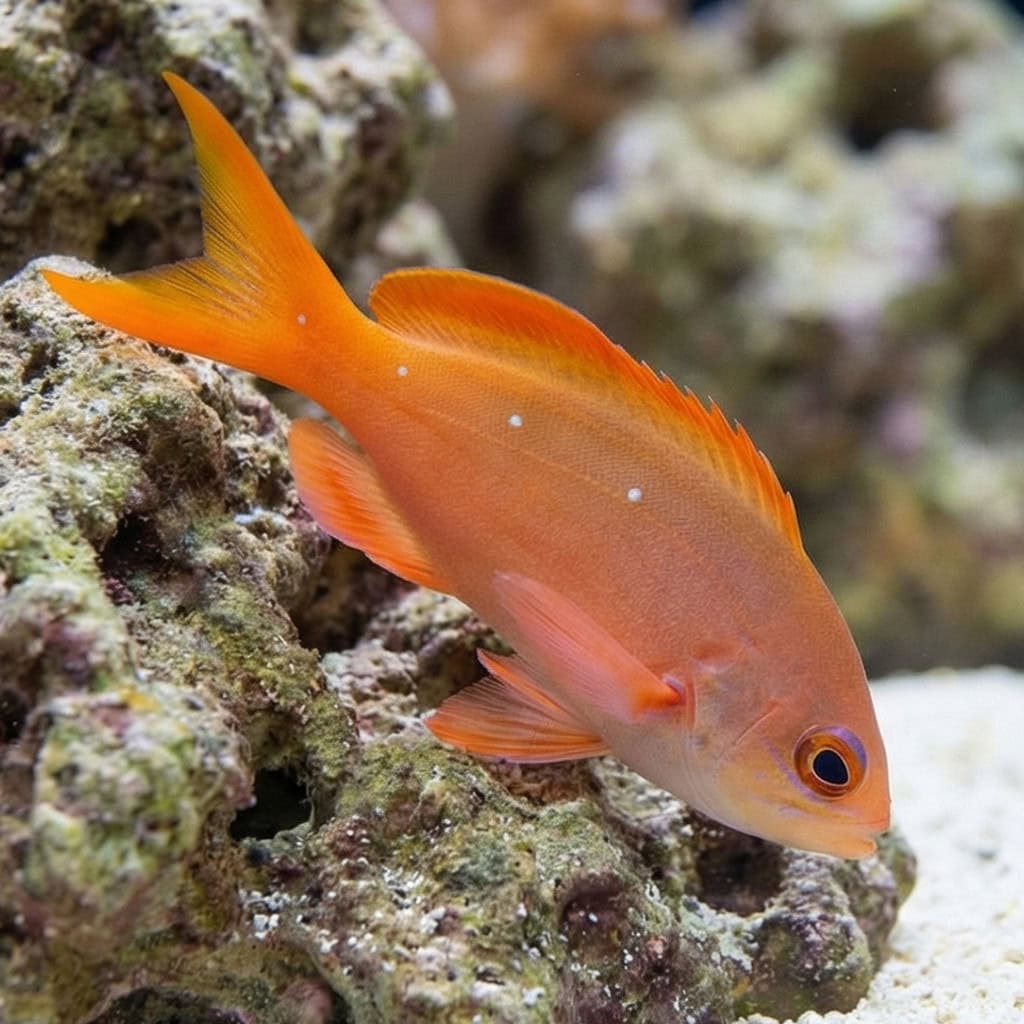
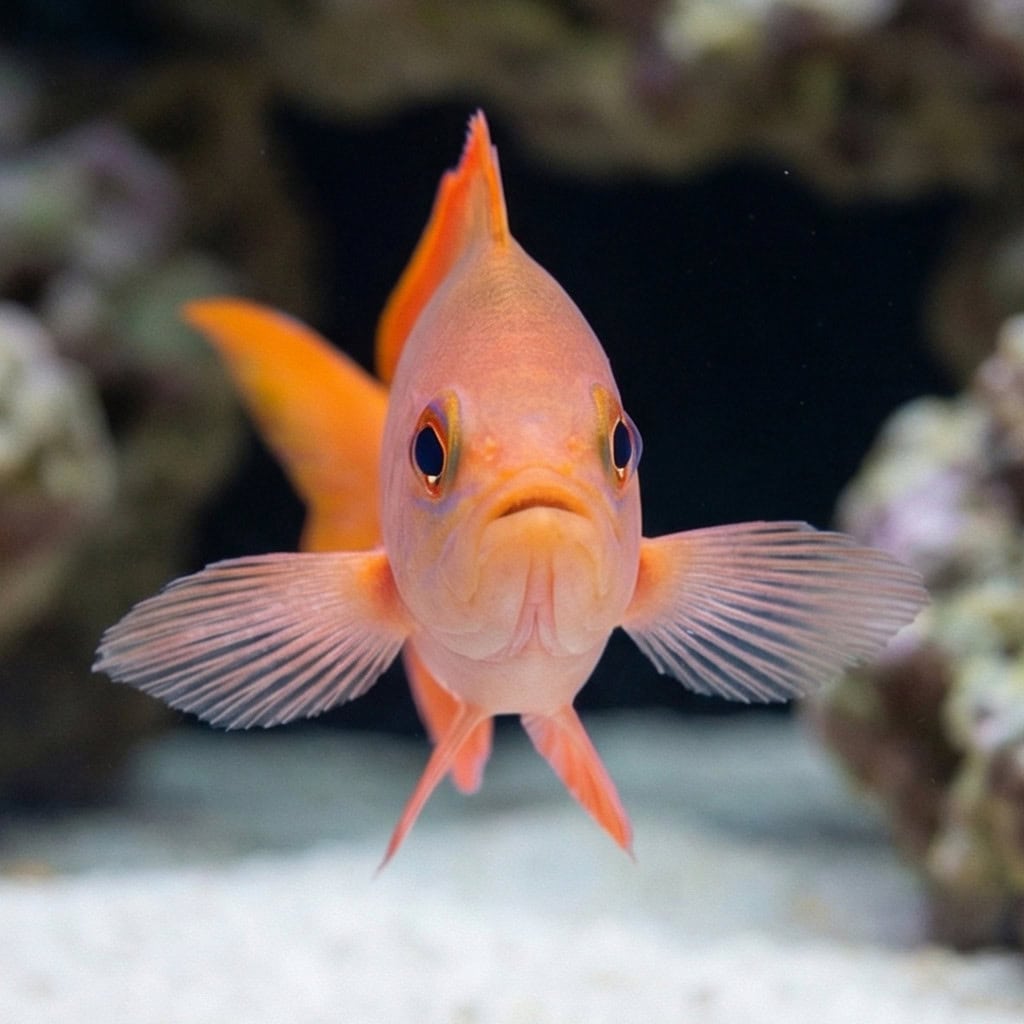
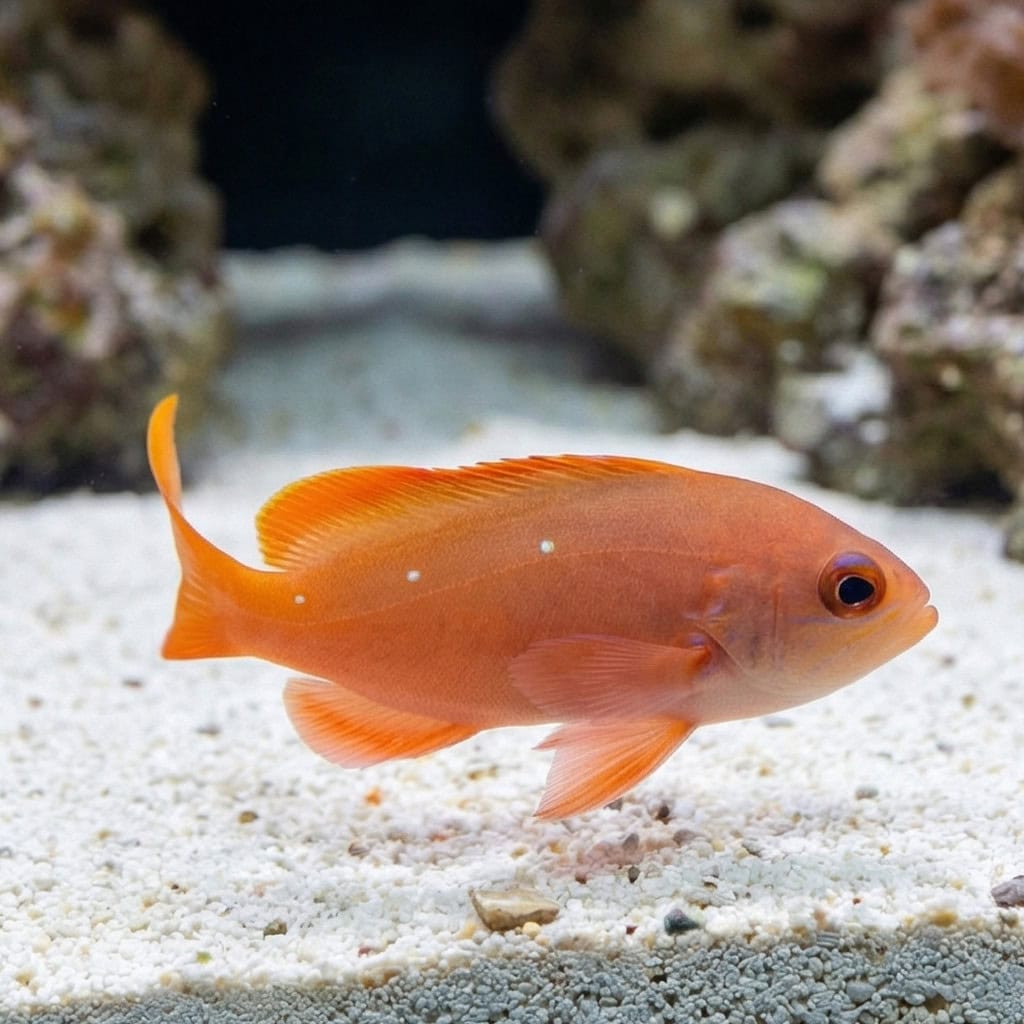
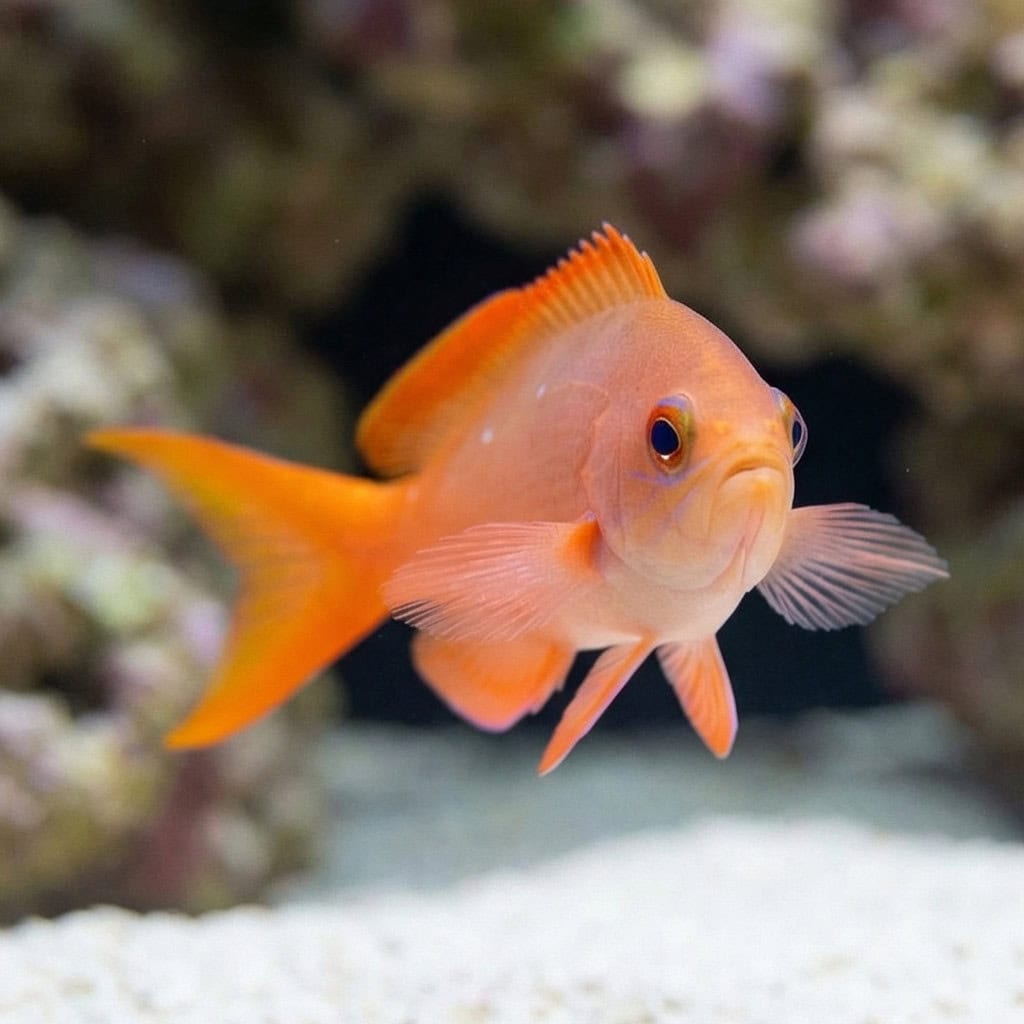
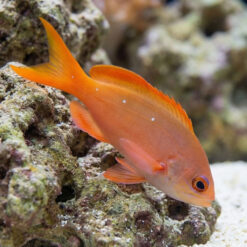
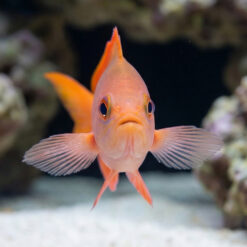
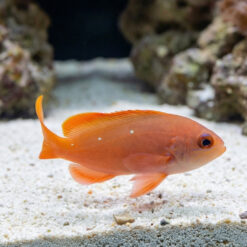
The Creole Anthias (Paranthias colonus), also called the Pacific creolefish, is a midwater schooling planktivore that spends most of its time cruising above the reef. Adults are typically reddish to greenish-brown with distinct pale spots, while juveniles can show brighter yellow tones.
What You’ll Observe:
- Active, open-water swimming with frequent “hovering” in the water column when food is present
- A predictable routine of moving out over open areas, then tucking back toward rockwork when resting
- Confident feeding behavior, especially once it recognizes your feeding schedule
- A tendency to claim a preferred sleeping/retreat spot in the rockwork after lights out
To do well long-term, provide open swimming room plus caves/overhangs for retreat, along with steady water movement. Offer small meaty foods (mysis, finely chopped seafood, quality pellets) in multiple smaller feedings spread through the day for best consistency. In most home aquariums it’s best kept as a single show specimen, with peaceful-to-moderate tankmates that don’t crowd its midwater space.
Does this fish “turn mottled” or look darker at night?
Many creolefish/creole “anthias” will shift to a more muted resting pattern after lights out, then return to their daytime look when the lights come on.
Will it bother cleaner shrimp or small ornamental crustaceans?
Keepers commonly report it ignores corals, but it may treat very small shrimp as food once it’s settled and feeding confidently.
How fast will it recognize feeding time and come into the open?
After a short settling-in period, it often starts meeting you in the water column when it associates your presence with food.
Can I train it onto pellets, or does it need only frozen foods?
Many hobbyists start with frozen mysis/finely chopped meaty foods, then mix in small sinking pellets until it takes both reliably.
Why is it sometimes sold as an “anthias” even though it looks like a small grouper?
It fills a similar open-water, plankton-feeding niche (and has a similar body shape), so it’s often labeled like an anthias in the trade even though its taxonomy is closer to groupers.
Each fish is checked for strong appetite and activity before we approve it for your tank.
Recently viewed products