Cubicus Boxfish
Ostracion cubicus
Original price was: $126.99.$66.99Current price is: $66.99.
| Stock | Variations | Price | Quantity | |
|---|---|---|---|---|
| Out of Stock | 1" or smaller - Indo-Pacific | Original price was: $98.99.$51.99Current price is: $51.99. | Email me | |
| Only 2 left | 2.25" or smaller - Indo-Pacific | Original price was: $126.99.$66.99Current price is: $66.99. |
-
+
|
Every order ships with our standard 3-hour live arrival guarantee. Need more time? Add our 5-Day Guarantee at checkout.
Full guarantee terms →Ships Monday – Thursday for next-day arrival at your nearest FedEx Hold location — typically ready by 9 AM. We monitor every delivery.
Shipping details →
Monday – Friday 8 AM – 9 PM
Saturday 12 PM – 4 PM
Sunday 12 PM – 9 PM
Healthy, stable animals from vetted suppliers — inspected before packing, shipped overnight. Decades of experience built this model so we can deliver premium livestock at 30%+ less than you'd pay elsewhere.
| Care Level | Expert |
|---|---|
| Temperament | Semi-Aggressive |
| Reef Safe | No |
| Functional Benefit | Ornamental Only |
| Diet Type | Omnivore |
| Mininum Tank Size | 250 gallons |
| Max Size | 18 inches |
| Temperature | 72–78°F |
| pH Range | 8.1–8.4 |
| Specific Gravity | 1.022–1.025 |
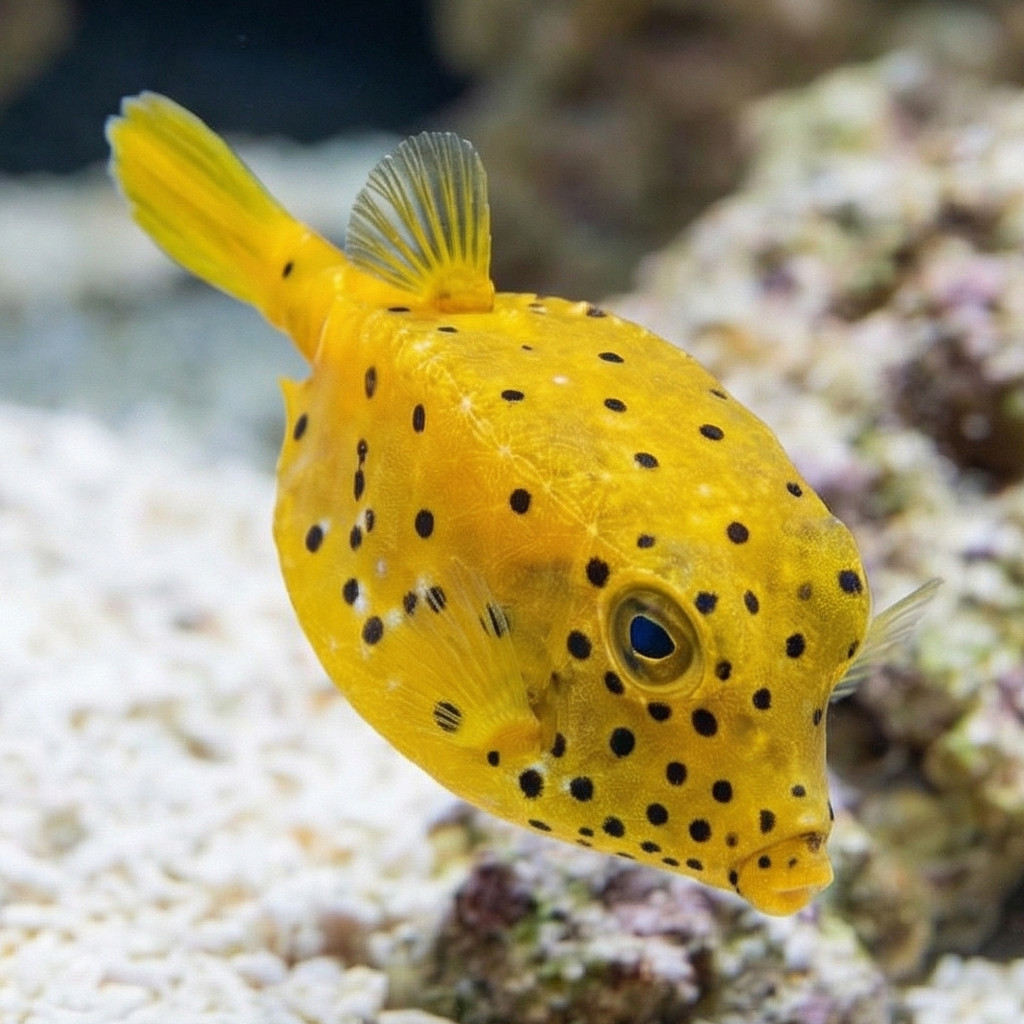
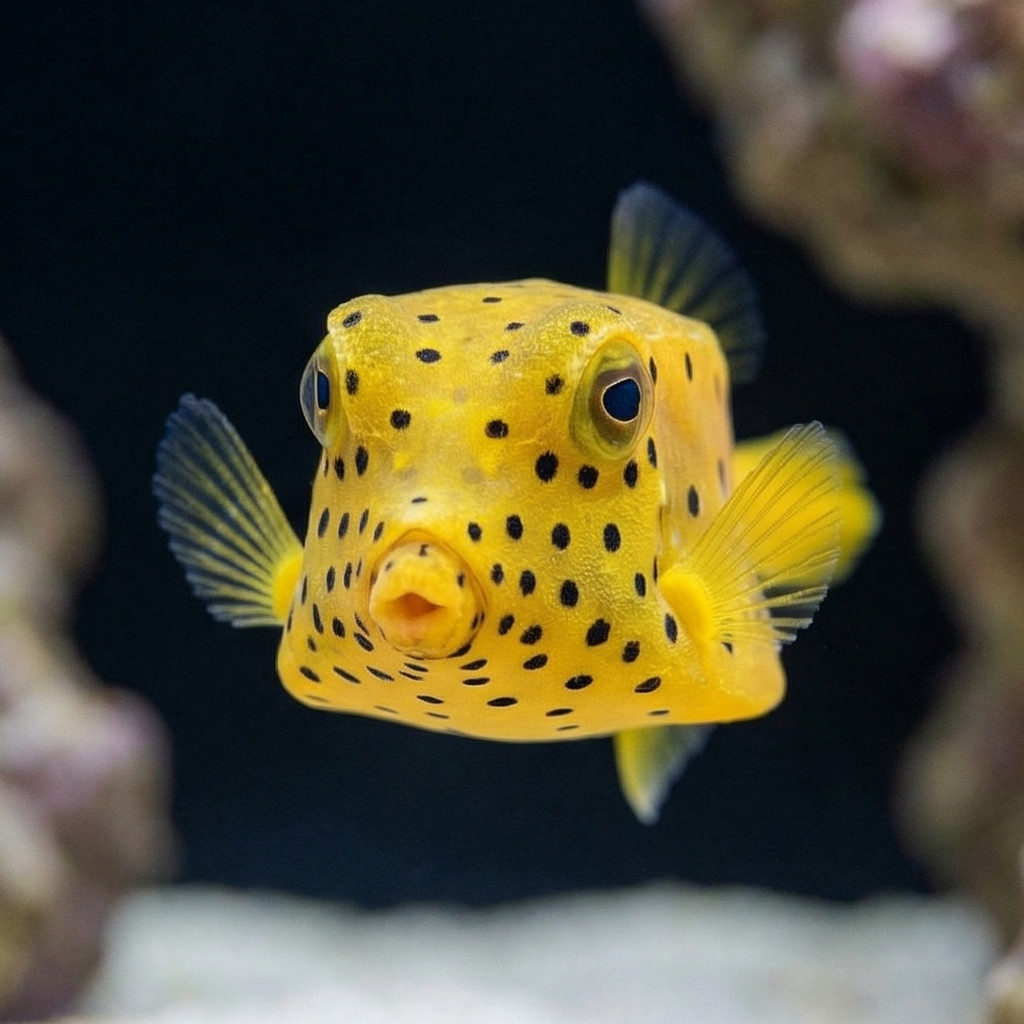
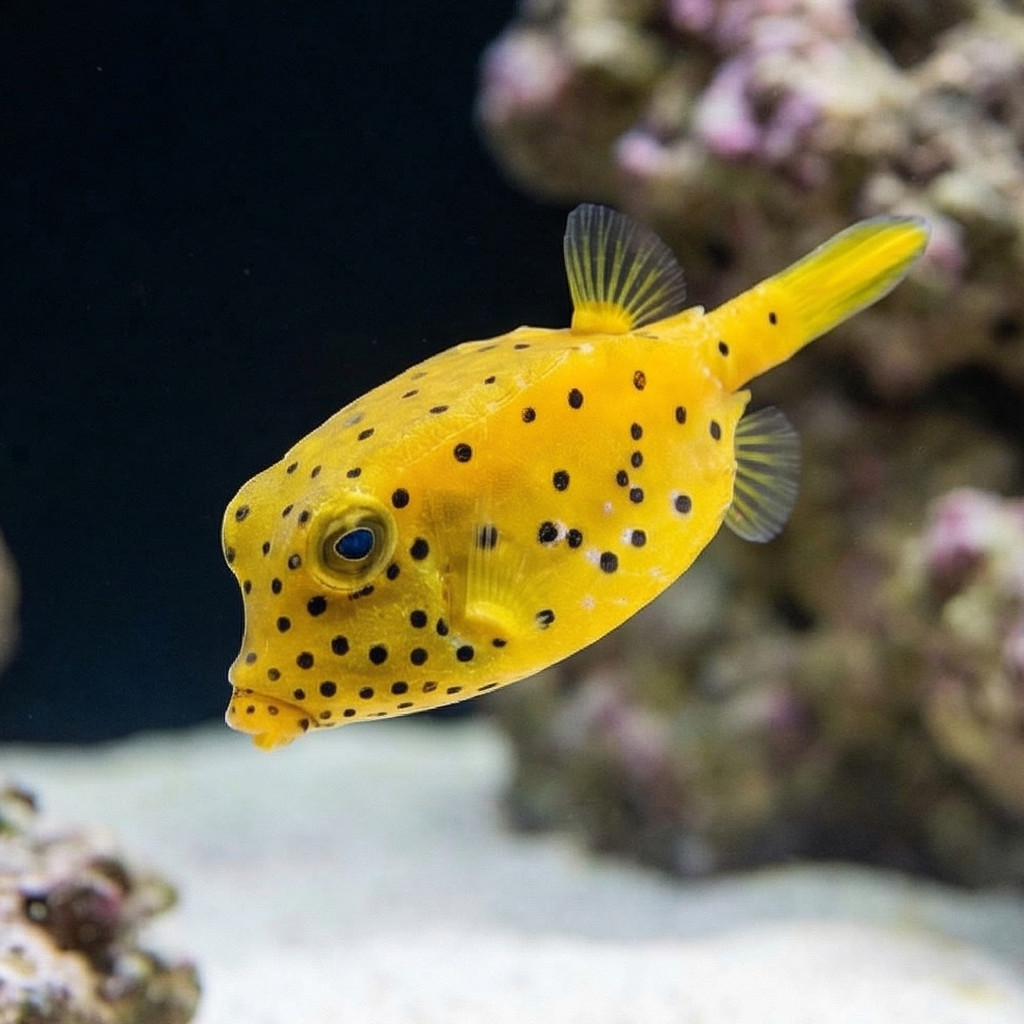
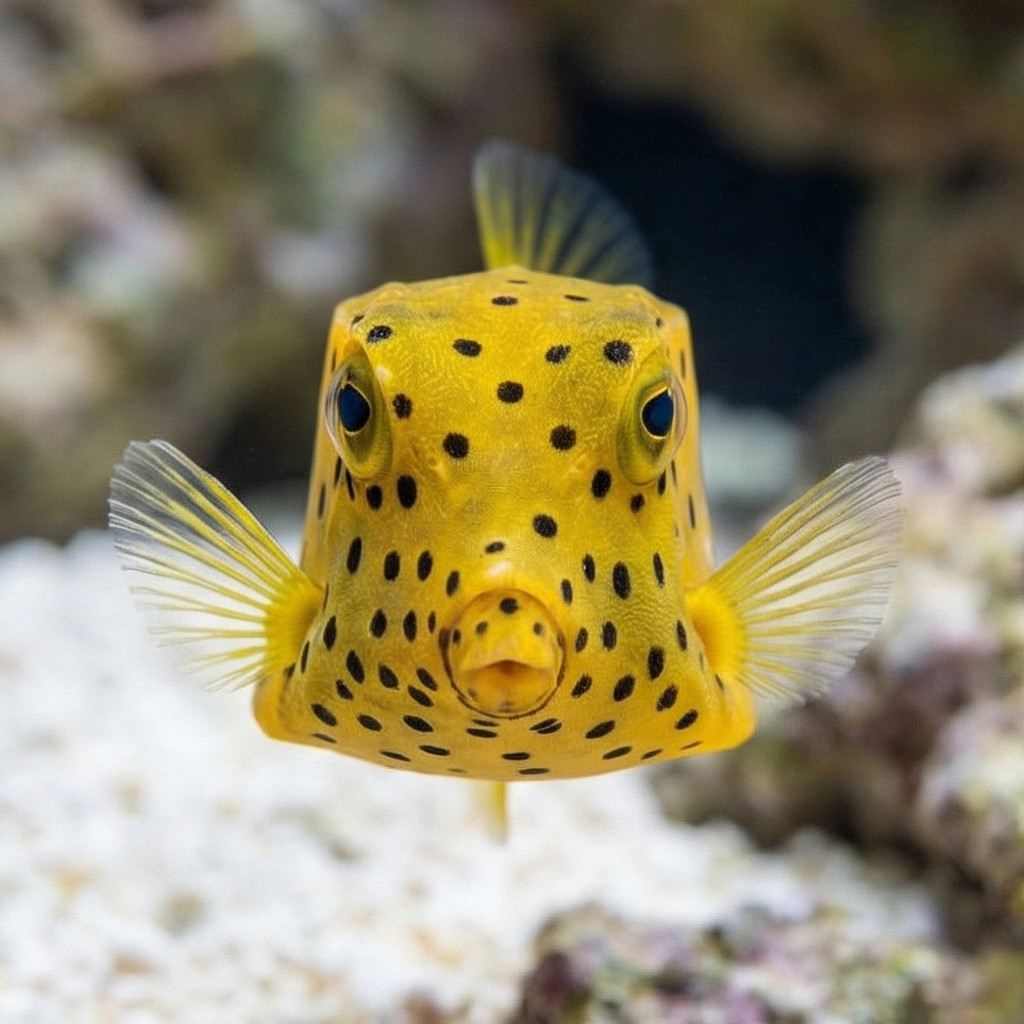
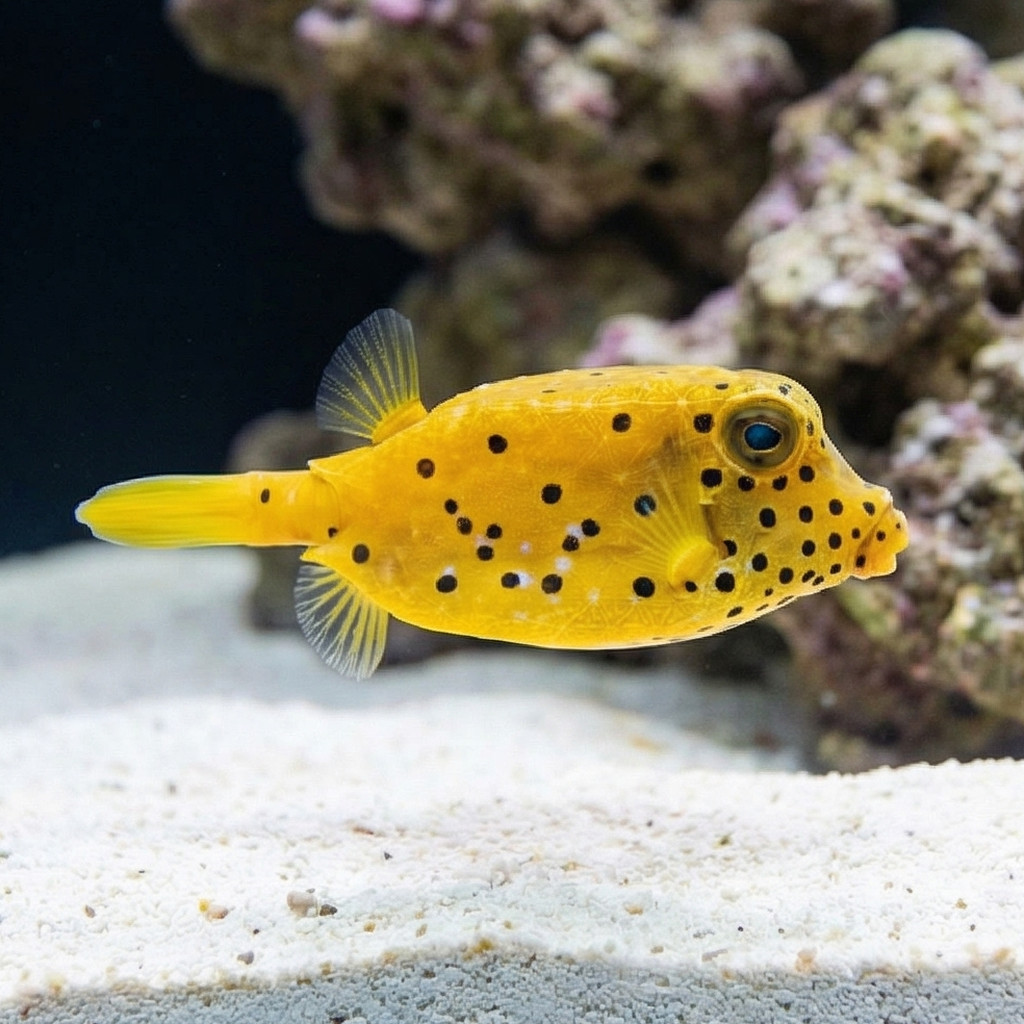
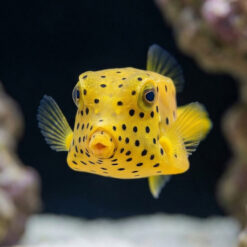
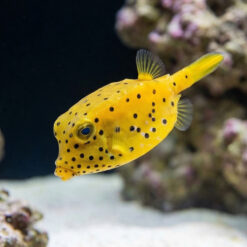
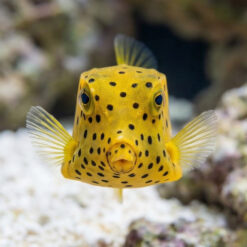
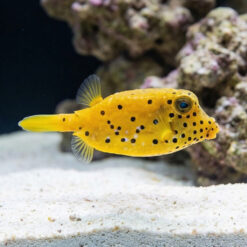
The Cubicus Boxfish (Ostracion cubicus), also called the Yellow Boxfish or Polka Dot Boxfish, has a box-shaped body and a steady “paddling” swim style. Juveniles are bright yellow with darker spots, and the coloration shifts toward darker brown/green tones as the fish matures.
What You’ll Observe:
- Slow, deliberate cruising through open water and along rockwork
- Regular “inspecting” behavior as it checks crevices and surfaces for small foods
- A consistent daily route it repeats around the tank once it settles in
- A gradual color change over months as it grows
Provide a mature, stable aquarium with open swimming lanes plus rockwork it can weave around and explore. Offer a varied mix of sinking foods and frozen meaty options in smaller portions spread across the day so it can graze and browse naturally. Consistent filtration and steady routines help this species stay active and engaged in your display.
Why did my Cubicus Boxfish change from bright yellow to tan/brown?
Color shift is a normal part of maturation for this species, and it can happen gradually over months. You may also notice short-term shade changes tied to activity and feeding.
Will it eat pellets, or does it only take frozen foods?
Many learn to take quality prepared foods, especially when offered as sinking pellets or small pieces they can pick at. Pair prepared foods with a rotation of frozen items to keep the diet varied.
Is it normal for it to “hover” and paddle instead of darting like other fish?
Yes—boxfish rely on small fins for precise movement, so their swimming looks like controlled hovering and slow cruising. Once comfortable, they often patrol the same areas repeatedly.
What’s the easiest way to move a boxfish during acclimation or tank work?
Most hobbyists use a clear cup or specimen container to keep transfers calm and fully submerged. This also makes it easier to guide the fish without chasing it around the tank.
Do boxfish do best with fast-moving community fish, or calmer tankmates?
They tend to settle in best when tankmates allow relaxed feeding time and don’t constantly rush the same areas. A calmer social pace helps them stay out in the open and follow a steady routine.
Shipped with pure oxygen and temperature control so it arrives stress-free and ready to eat.
Recently viewed products