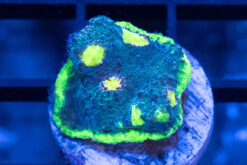
 Chalice Ultra Color 1 inches
 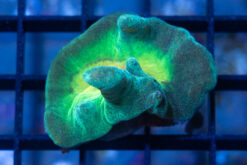 Paeonia Spiny ultra . 1.75 inches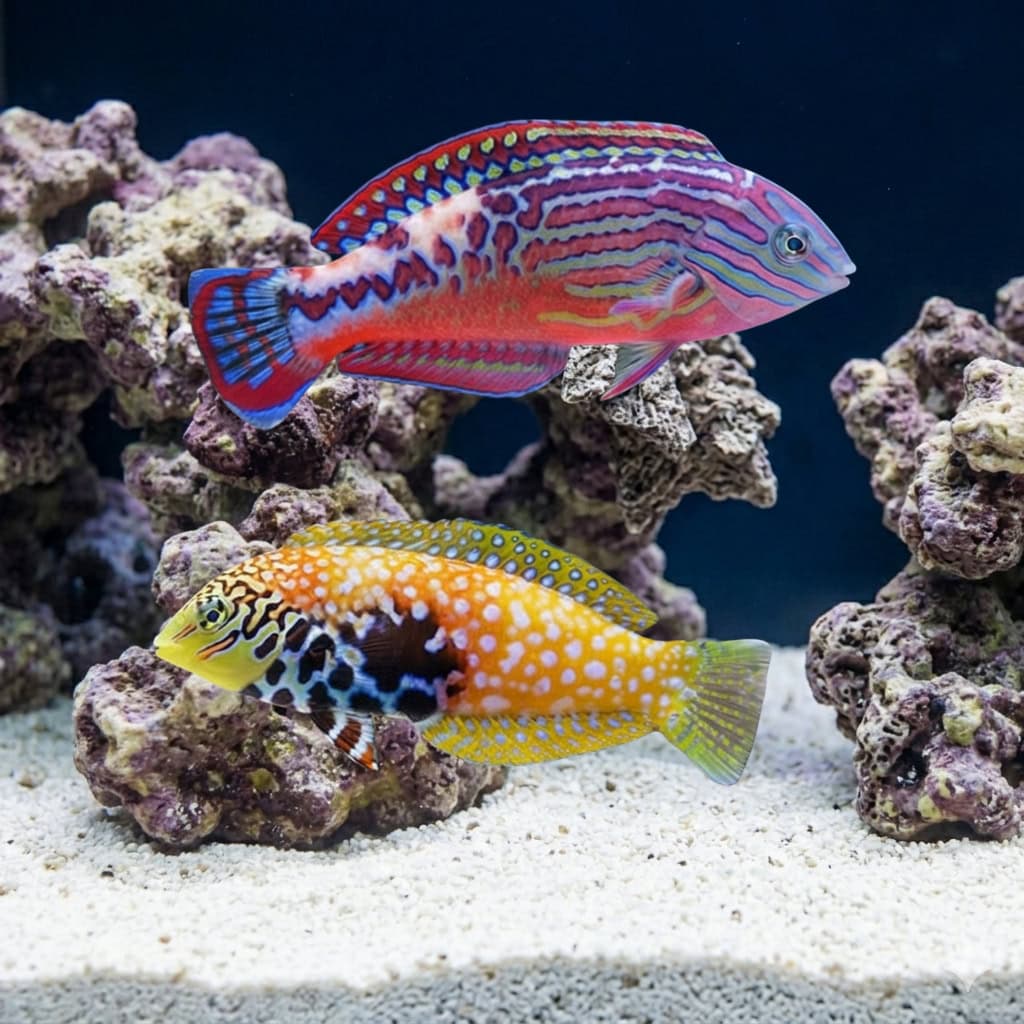


Divided Leopard Wrasse
Macropharyngodon bipartitus
Original price was: $208.99.$109.99Current price is: $109.99.
| Stock | Variations | Price | Quantity | |
|---|---|---|---|---|
| Out of Stock | 2 - 3" - Male - Africa | Original price was: $171.99.$90.99Current price is: $90.99. | Email me | |
| In Stock | 2 - 3" - Female - Indian Ocean | Original price was: $208.99.$109.99Current price is: $109.99. |
-
+
|
|
| Out of Stock | 2 - 3" - Female - Africa | Original price was: $177.99.$93.99Current price is: $93.99. | Email me | |
| Out of Stock | 3 - 4" - Male - Indian Ocean | Original price was: $303.99.$159.99Current price is: $159.99. | Email me | |
| Out of Stock | 2 - 3" - Male - Indian Ocean | Original price was: $243.99.$127.99Current price is: $127.99. | Email me |
Every order ships with our standard 3-hour live arrival guarantee. Need more time? Add our 5-Day Guarantee at checkout.
Full guarantee terms →Ships Monday – Thursday for next-day arrival at your nearest FedEx Hold location — typically ready by 9 AM. We monitor every delivery.
Shipping details →
Monday – Friday 8 AM – 9 PM
Saturday 12 PM – 4 PM
Sunday 12 PM – 9 PM
Healthy, stable animals from vetted suppliers — inspected before packing, shipped overnight. Decades of experience built this model so we can deliver premium livestock at 30%+ less than you'd pay elsewhere.
| Care Level | Expert |
|---|---|
| Temperament | Peaceful |
| Reef Safe | Yes |
| Functional Benefit | Ornamental Only |
| Diet Type | Carnivore |
| Mininum Tank Size | 55 gallons |
| Max Size | 5 inches |
| Temperature | 72–78°F |
| pH Range | 8.1–8.4 |
| Specific Gravity | 1.022–1.025 |
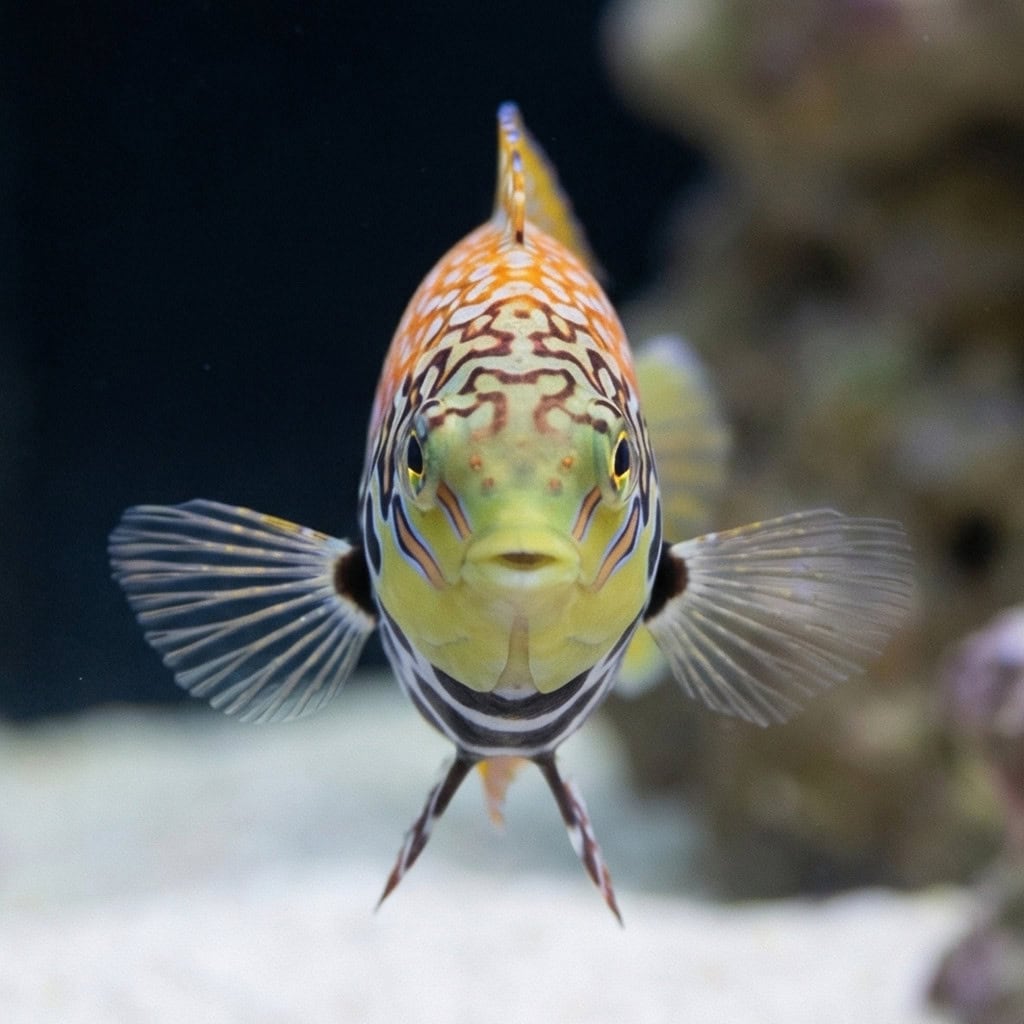
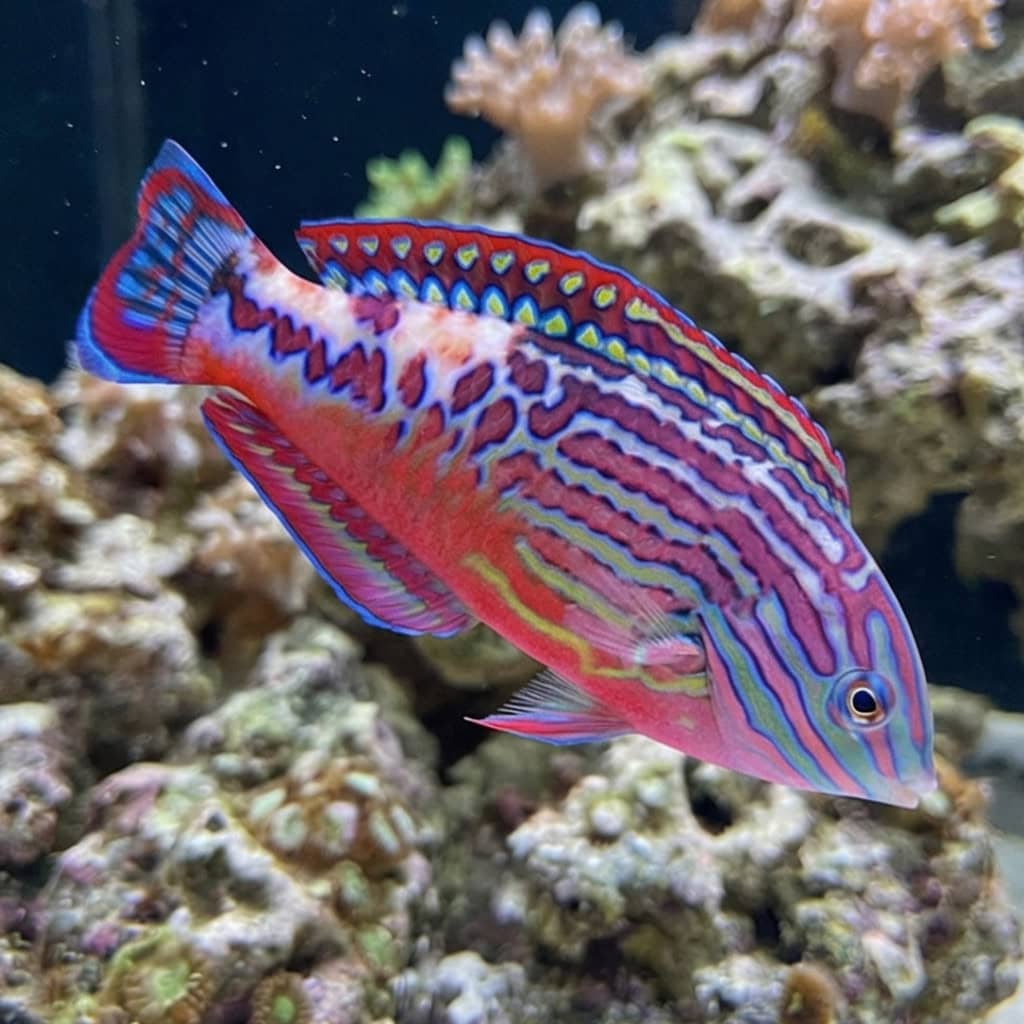
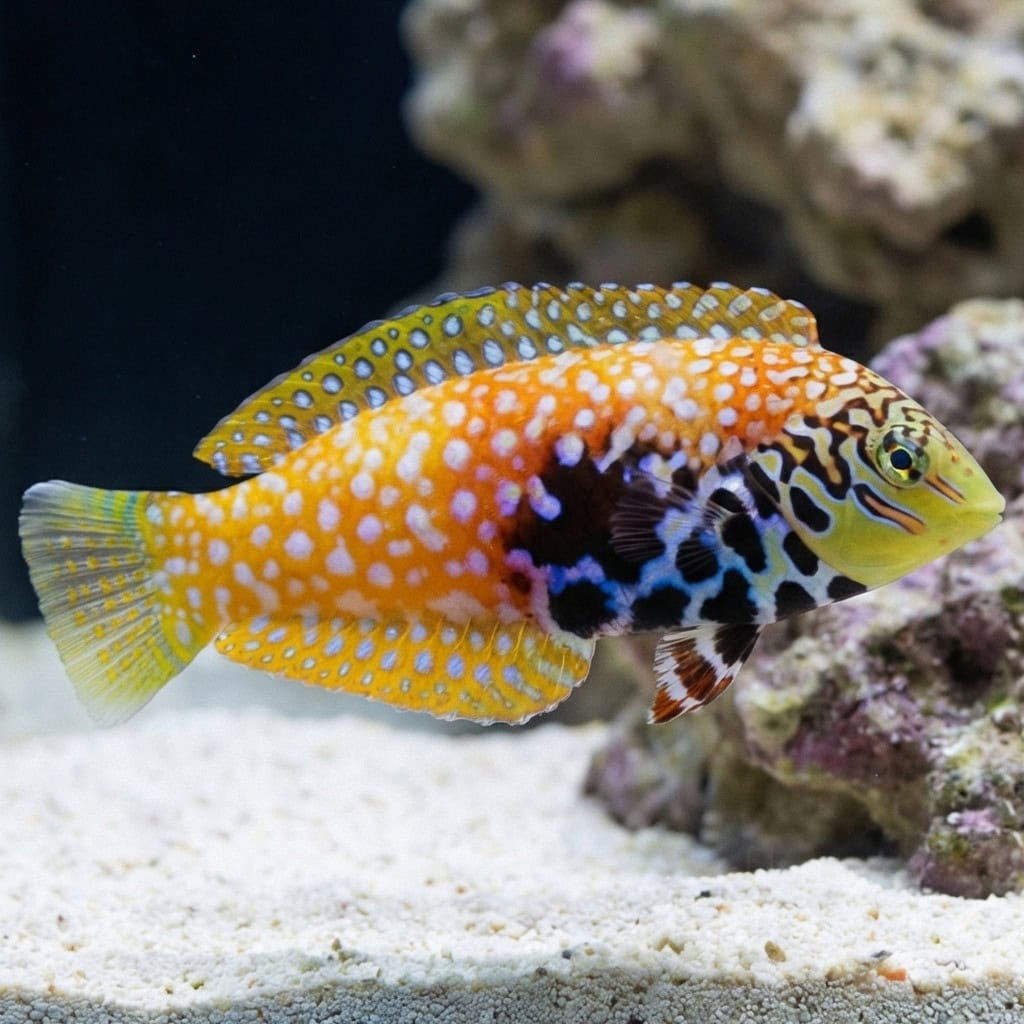
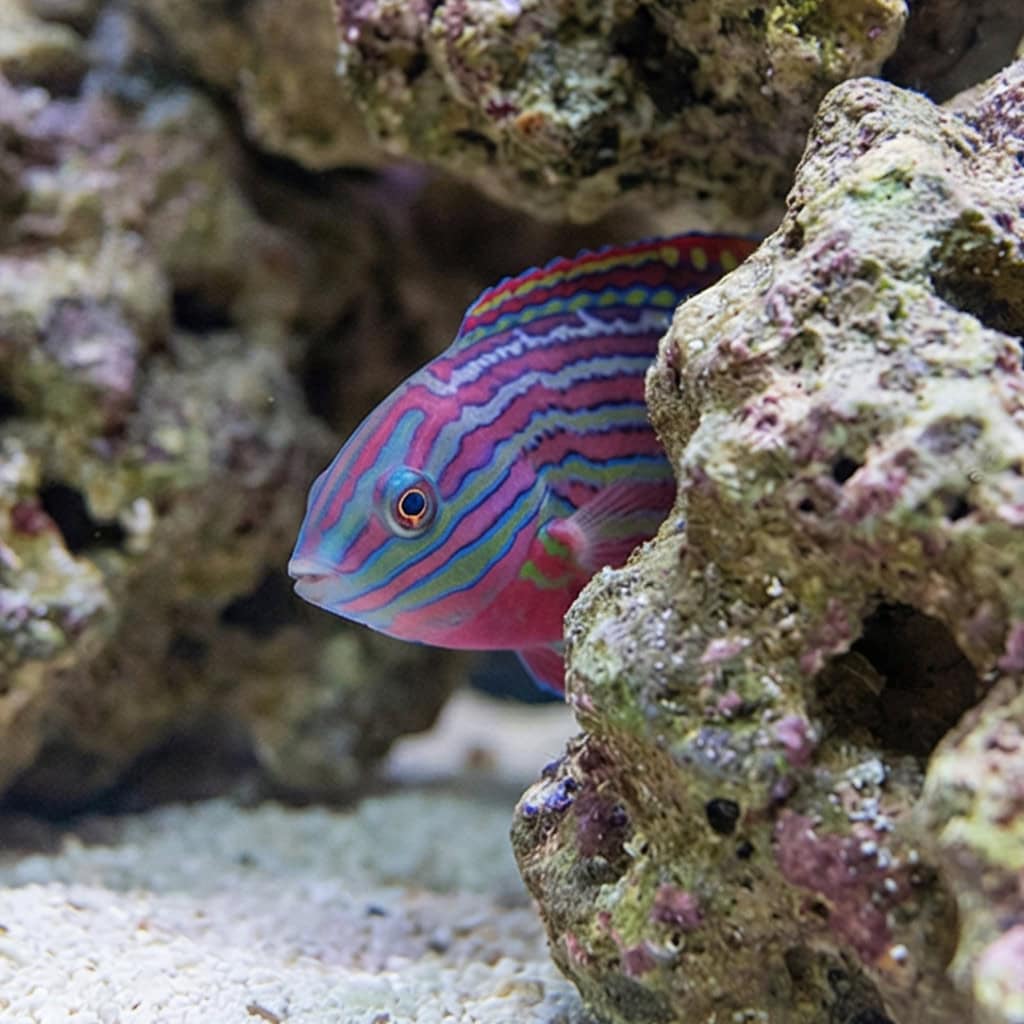
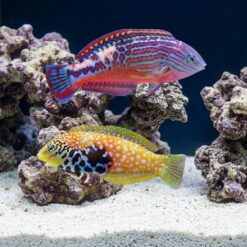
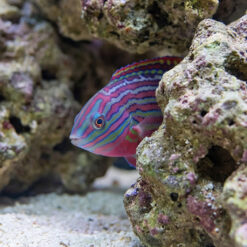
The Divided Leopard Wrasse (Macropharyngodon bipartitus), also sold as the Blue Star or Vermiculite Leopard Wrasse, shows a fine blue “leopard” spotting over orange, yellow, and tan tones. Females and juveniles are typically lighter, while mature males develop stronger green-blue striping and pattern contrast.
What You’ll Observe:
- Cruising low over rockwork and sand, pecking at tiny prey all day
- Short, quick “darts” between open areas and the reef structure
- A consistent lights-on/lights-off routine once settled in
- Diving into the sand to rest and reappearing with the next light cycle
Provide a mature reef setup with live rock for foraging and a sand bed it can fully bury into at night. Offer small, meaty foods in multiple feedings (and keep portions bite-sized) so it can graze naturally between meals. It does best when you maintain a calm, covered aquarium that supports steady daily routines.
My wrasse disappeared into the sand on day one—when should I expect to see it again?
It’s common for this species to stay buried while it adjusts, sometimes for several days and occasionally longer. Keeping a stable light schedule and letting it re-emerge on its own helps it settle into a predictable routine.
Do I need “sugar-fine” sand, or is coarse sand okay?
Most keepers report that finer, rounded sand makes burying easier and more consistent. If your substrate is coarse, many hobbyists add a small “burrowing zone” with finer sand in a low-flow area.
Can I keep a pair or group, and will one turn male?
Yes—many hobbyists keep small groups, and the dominant fish may transition to male over time. Adding fish of similar size at the same time usually leads to the most stable long-term dynamics.
Why does it grab food and then spit it back out?
New arrivals often “test” foods before committing to swallowing them. Try smaller pieces (mysis-sized or finer) and repeated small feedings; once it’s swallowing reliably, it’s often easier to keep it on a consistent prepared-food routine.
If I ever need to move it, how do I catch a fish that sleeps in the sand?
Many aquarists have the best luck at lights-out or early morning while it’s still buried. Using a container to lift a small section of sand where it sleeps can be more effective than chasing it with a net.
Each fish is checked for strong appetite and activity before we approve it for your tank.
Recently viewed products