
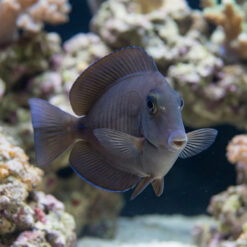
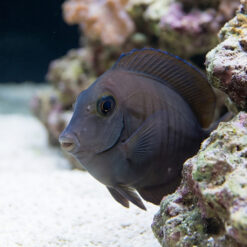
Doctorfish Tang
Acanthurus chirurgus
| Stock | Variations | Price | Quantity |
|---|
Every order ships with our standard 3-hour live arrival guarantee. Need more time? Add our 5-Day Guarantee at checkout.
Full guarantee terms →Ships Monday – Thursday for next-day arrival at your nearest FedEx Hold location — typically ready by 9 AM. We monitor every delivery.
Shipping details →
Monday – Friday 8 AM – 9 PM
Saturday 12 PM – 4 PM
Sunday 12 PM – 9 PM
Healthy, stable animals from vetted suppliers — inspected before packing, shipped overnight. Decades of experience built this model so we can deliver premium livestock at 30%+ less than you'd pay elsewhere.
| Care Level | Moderate |
|---|---|
| Temperament | Semi-Aggressive |
| Reef Safe | With Caution |
| Functional Benefit | Algae Control |
| Diet Type | Herbivore |
| Mininum Tank Size | 180 gallons |
| Max Size | 18 inches |
| Temperature | 72–78°F |
| pH Range | 8.1–8.4 |
| Specific Gravity | 1.022–1.025 |
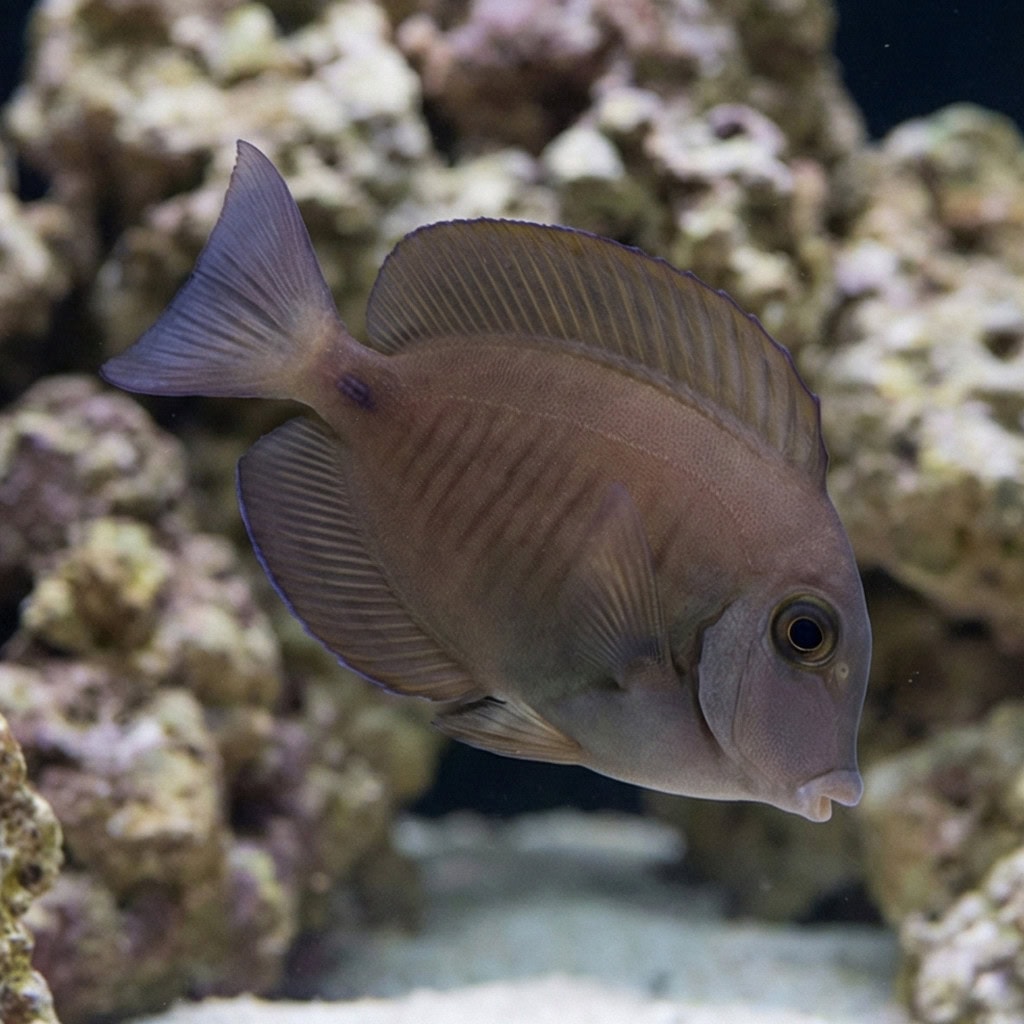
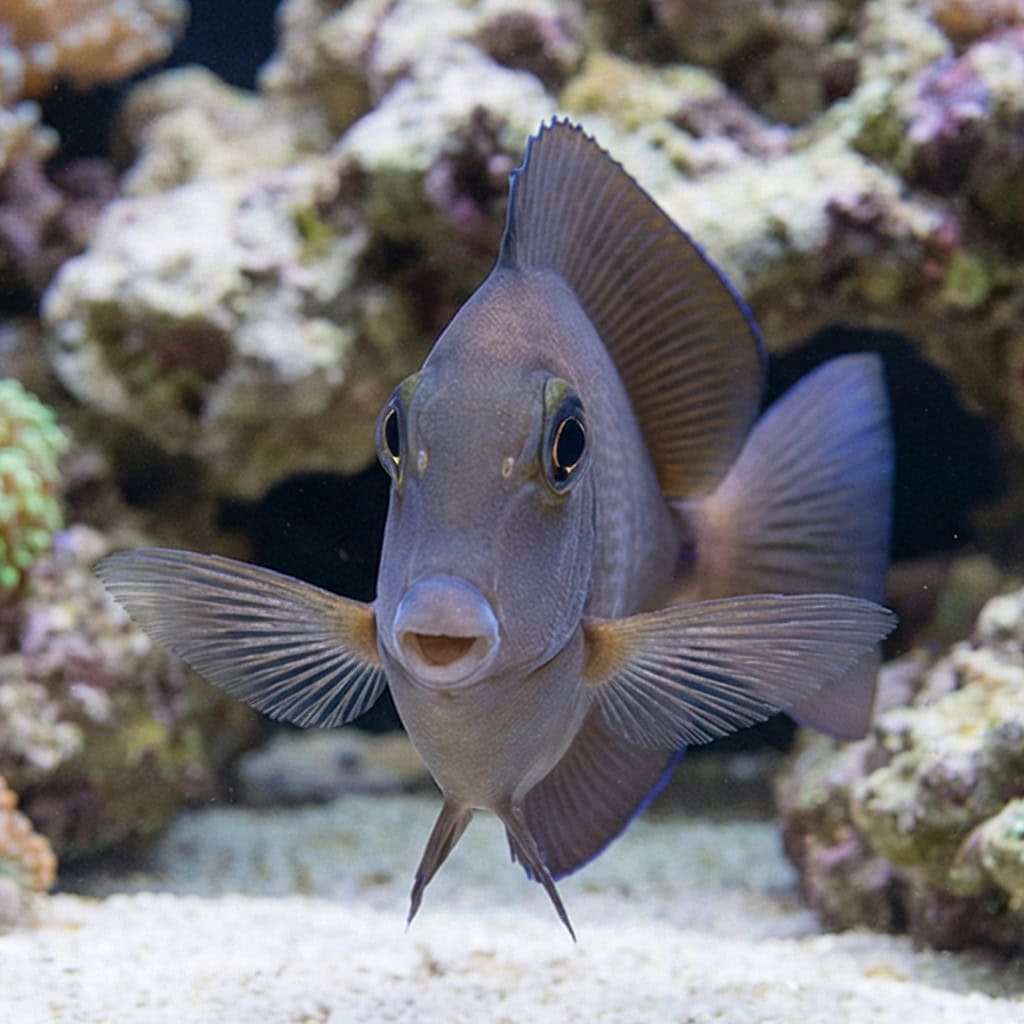
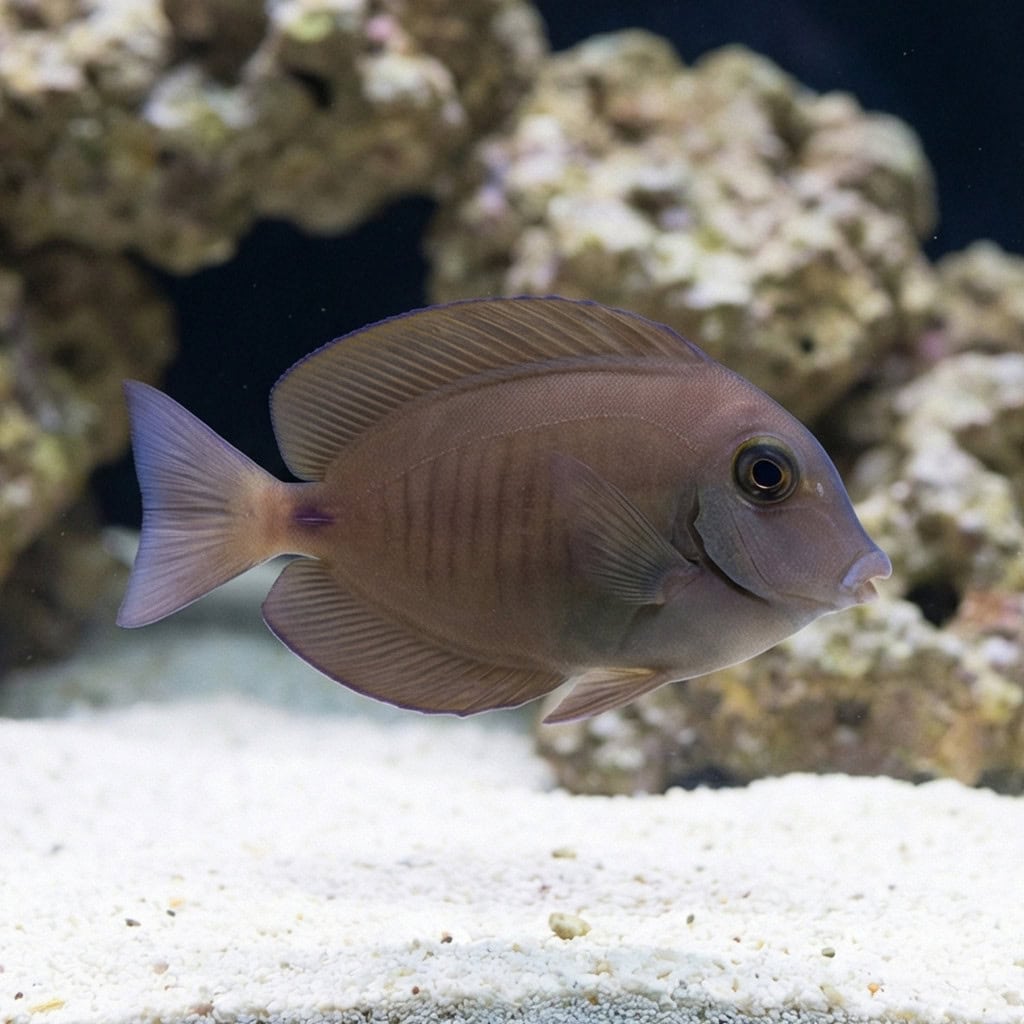
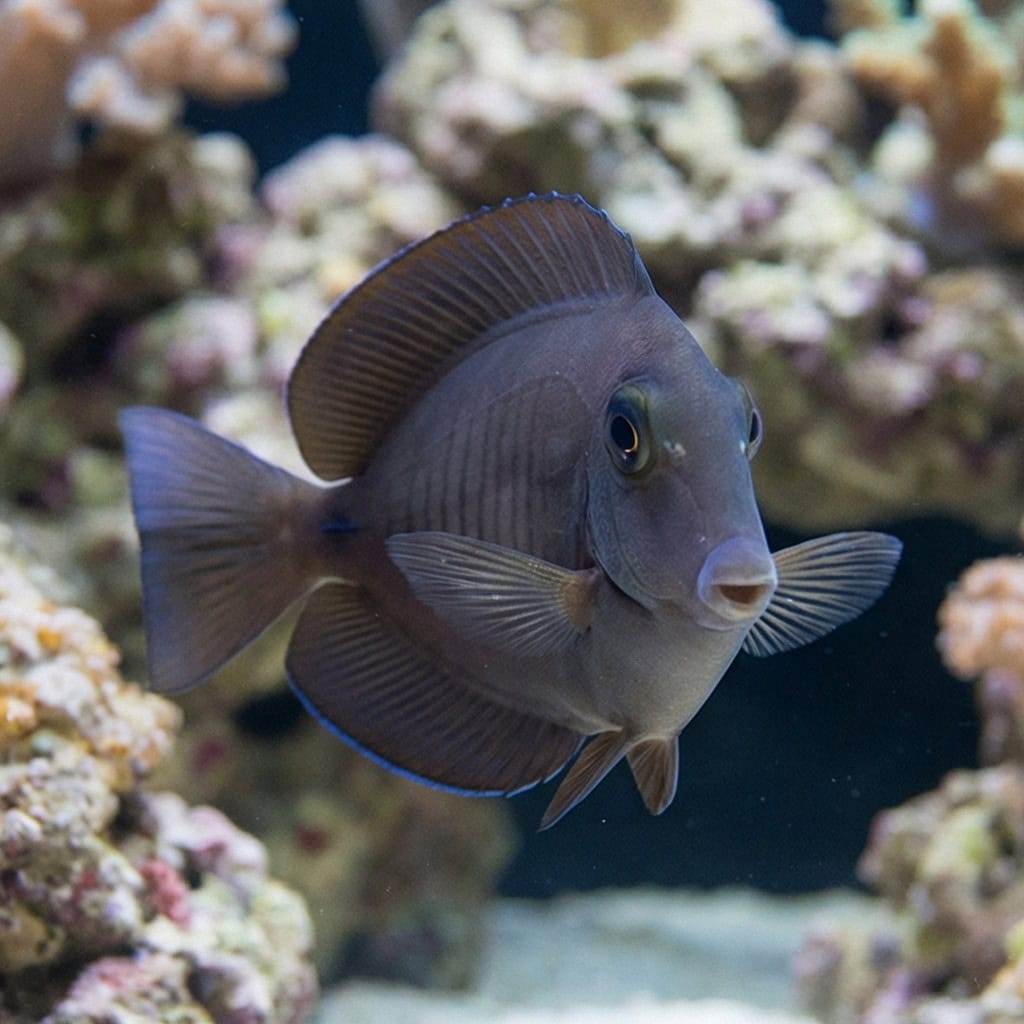
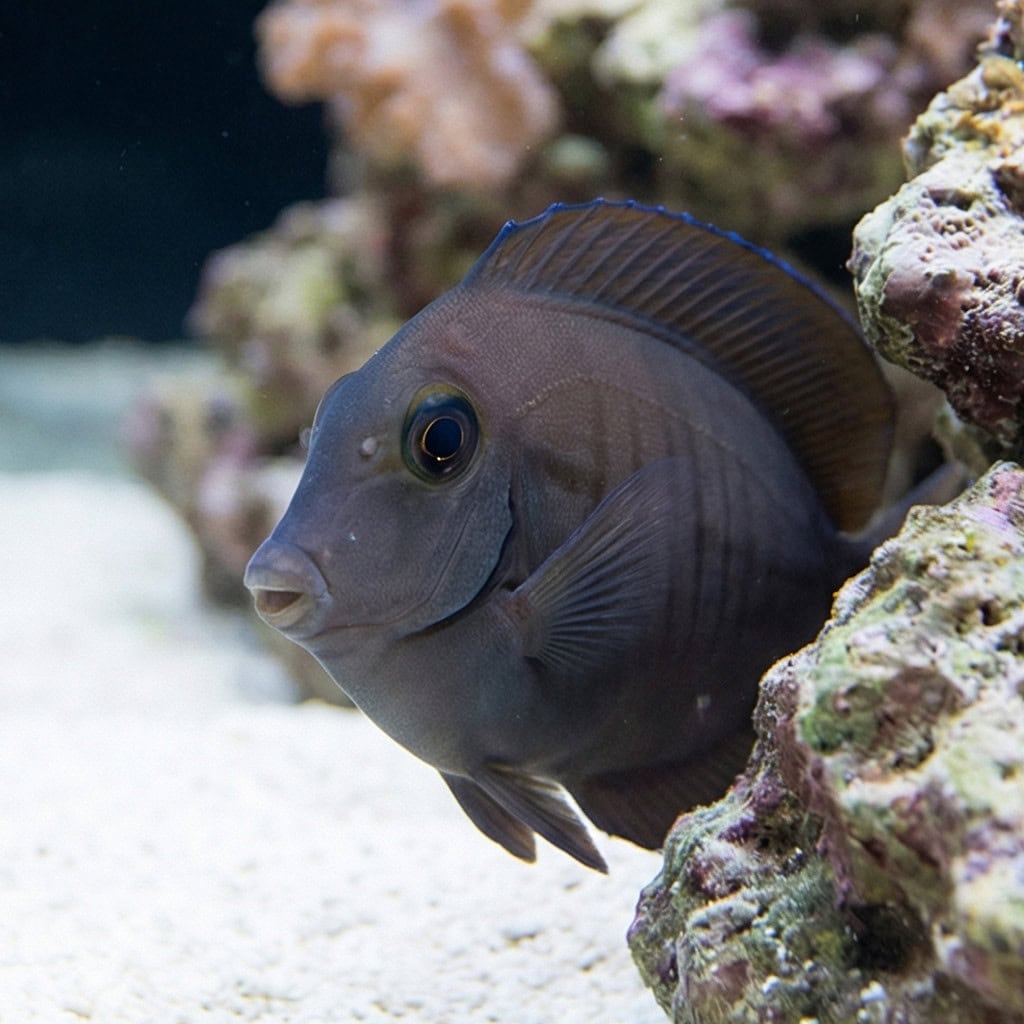
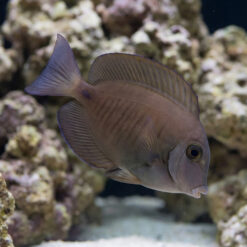
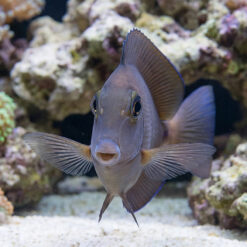
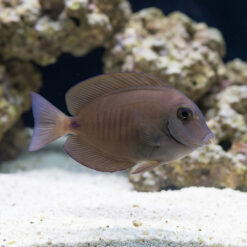
The Doctorfish Tang (Acanthurus chirurgus) is a Western Atlantic surgeonfish that spends much of the day cruising and grazing, helping manage film algae on rock and hard surfaces. Its body is blue-gray to brown with narrow vertical bars that can look faint or bold depending on mood and lighting, plus a pale marking near the tail that stands out as it swims.
What You’ll Observe:
- A steady “loop” around the tank, moving between open swim lanes and rockwork
- Frequent grazing on rock and along the sand line, with short bites taken all day
- Quick interest in a veggie clip, often returning for small bites between laps
- A regular evening routine of settling into the rockwork to rest, then resuming activity after lights come on
Provide a long aquarium with open swimming room and mature rockwork so it has natural areas to browse. Offer dried seaweed daily alongside herbivore pellets/flakes and occasional meaty frozen foods for variety. In larger communities, it does best when you introduce it with a clear feeding plan and plenty of grazing zones so it can establish a consistent routine.
What does it mean when the bars look faded one day and darker the next?
Color and bar contrast often shift with lighting, activity level, and resting vs. cruising. Many keepers notice the pattern looks bolder during active periods and softer when the fish is relaxed.
How do I get a Doctorfish Tang to start eating dried seaweed (nori)?
Try different colors (green/red), different clip locations, and smaller pieces offered more often. Once it learns the “feeding station,” it usually returns for repeated bites throughout the day.
Does it need a lot of natural algae in the tank to do well long-term?
A mature tank helps because it can graze between feedings, but it still does best with consistent seaweed and herbivore foods. Think of natural algae as bonus grazing, not the only food source.
Will it pick up sand while grazing?
It may take mouthfuls at the sand line while scraping algae and then spit out fine particles. This is commonly seen as part of its normal browsing style.
What’s the smoothest way to introduce it to a tank that already has other tangs?
Many hobbyists have better results when the new tang is added after a feeding, with multiple food stations running, and some temporary visual separation if needed. Keeping everyone busy grazing reduces early “testing” behavior.
Our selection process means you get robust, well-adjusted specimens that settle in quickly.
Only logged in customers who have purchased this product may leave a review.
Recently viewed products
Reviews
There are no reviews yet.