
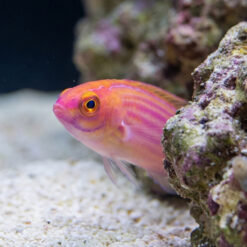
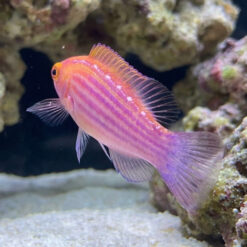
Earles Fairy Wrasse
Cirrhilabrus earlei
| Stock | Variations | Price | Quantity | |
|---|---|---|---|---|
| Out of Stock | 2.25 - 3.5" - Male - Central Pacific | Original price was: $1,240.99.$651.99Current price is: $651.99. | Email me |
Every order ships with our standard 3-hour live arrival guarantee. Need more time? Add our 5-Day Guarantee at checkout.
Full guarantee terms →Ships Monday – Thursday for next-day arrival at your nearest FedEx Hold location — typically ready by 9 AM. We monitor every delivery.
Shipping details →
Monday – Friday 8 AM – 9 PM
Saturday 12 PM – 4 PM
Sunday 12 PM – 9 PM
Healthy, stable animals from vetted suppliers — inspected before packing, shipped overnight. Decades of experience built this model so we can deliver premium livestock at 30%+ less than you'd pay elsewhere.
| Care Level | Moderate |
|---|---|
| Temperament | Peaceful |
| Reef Safe | Yes |
| Functional Benefit | Ornamental Only |
| Diet Type | Carnivore |
| Mininum Tank Size | 70 gallons |
| Max Size | 3 inches |
| Temperature | 72–78°F |
| pH Range | 8.1–8.4 |
| Specific Gravity | 1.022–1.025 |
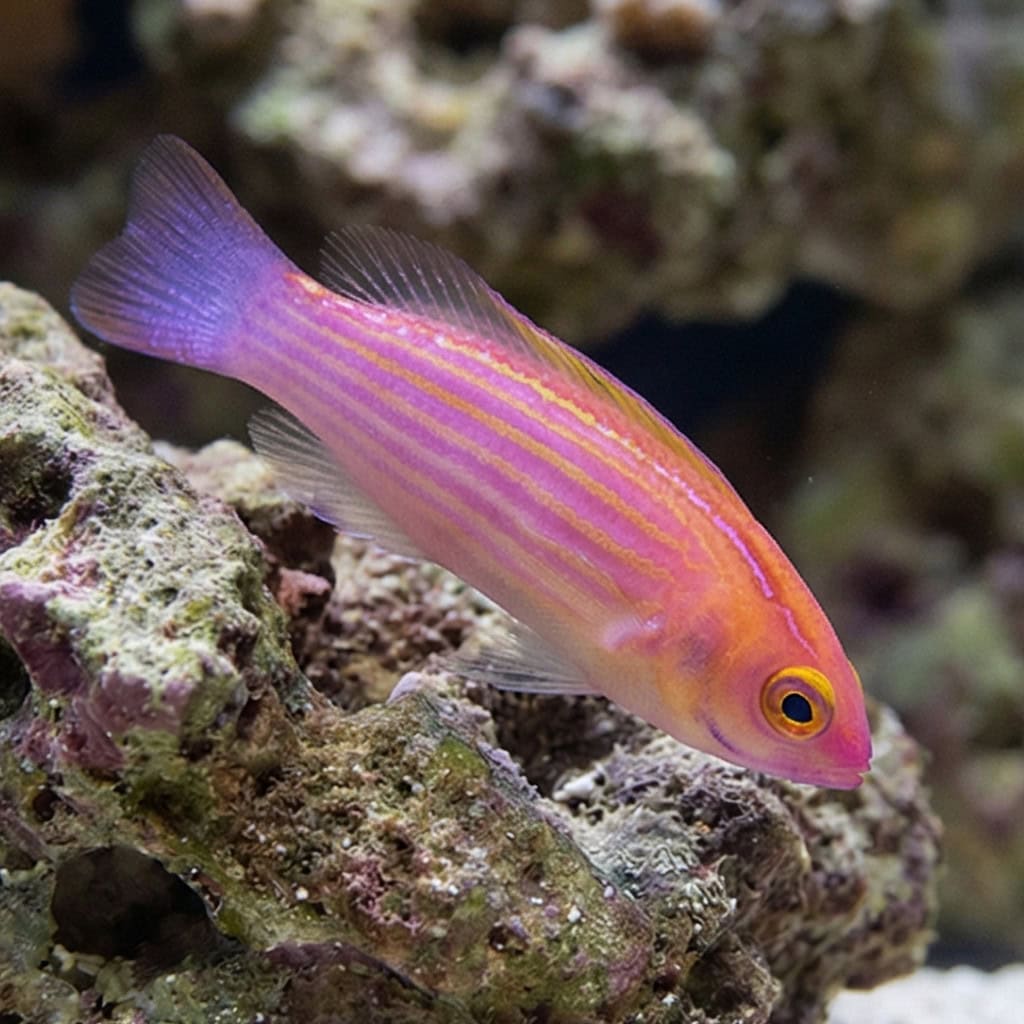
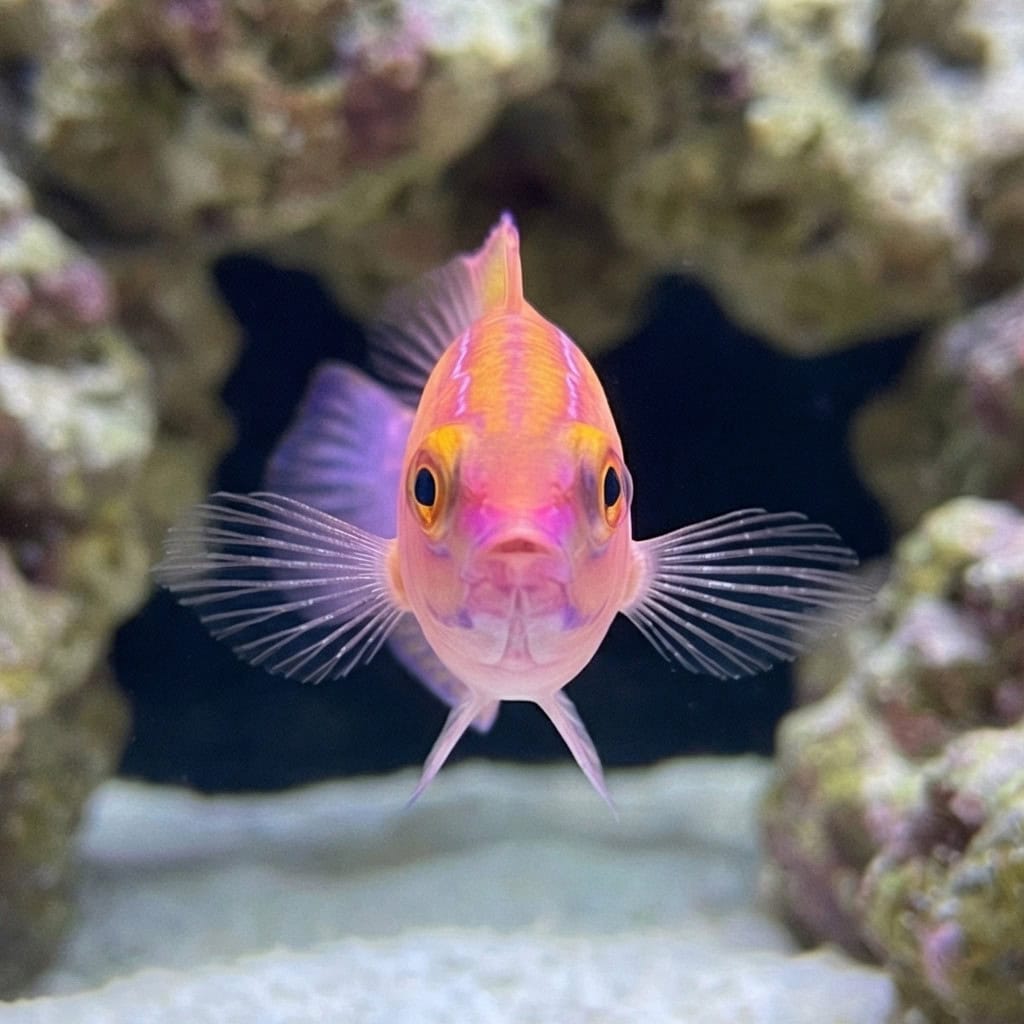
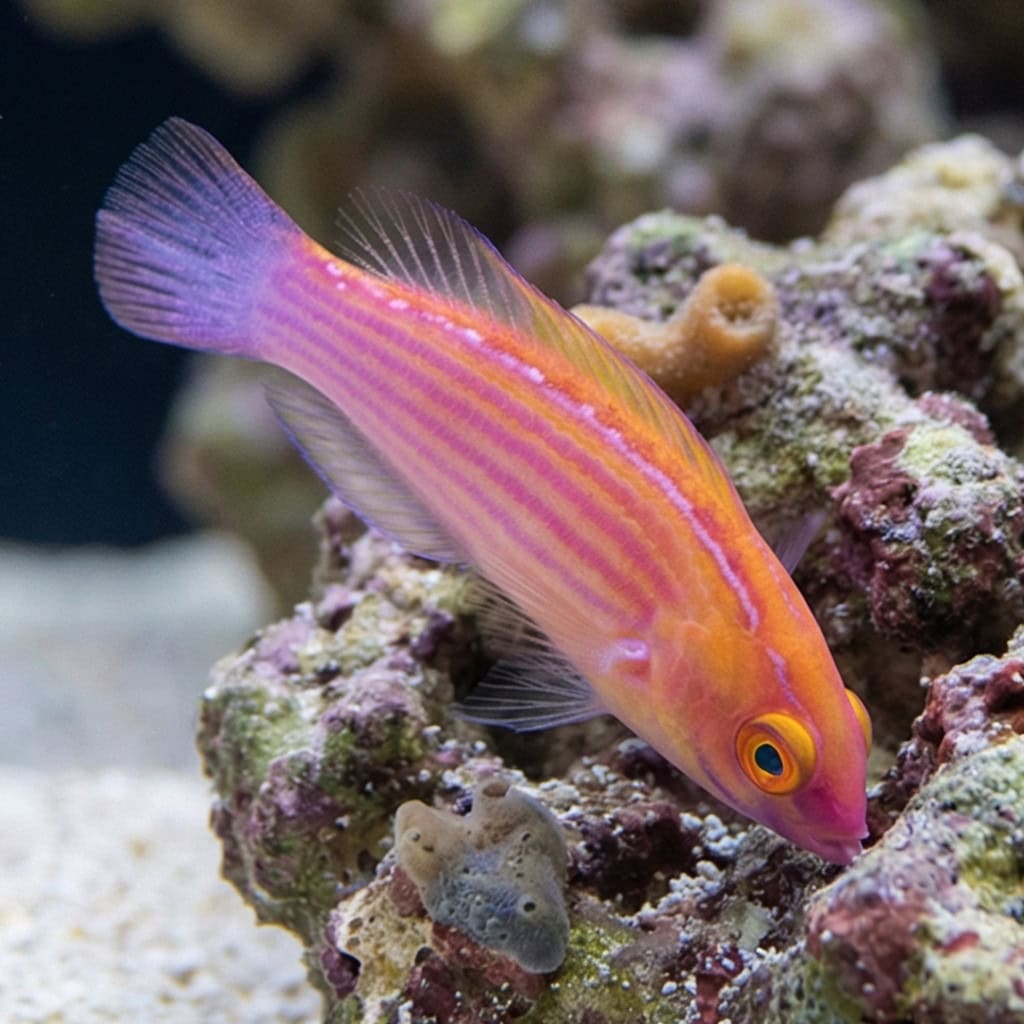
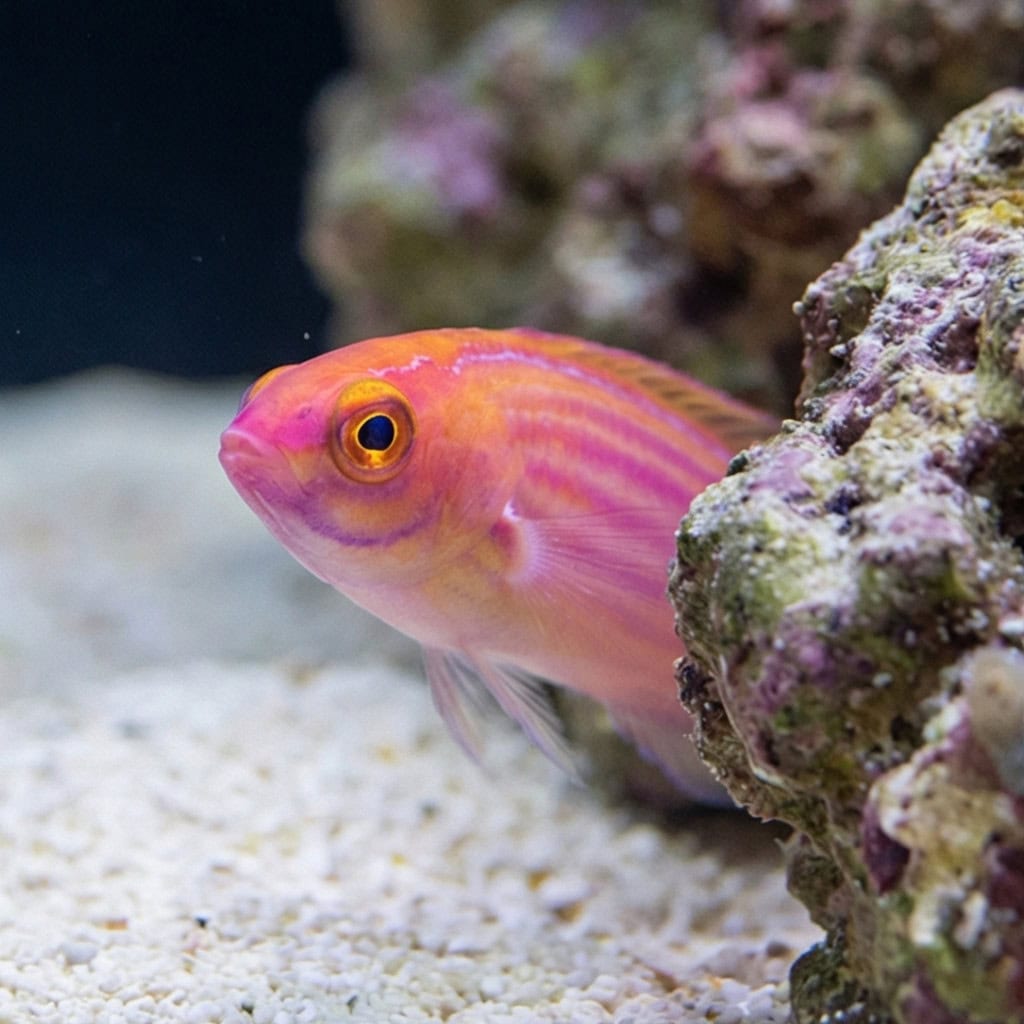
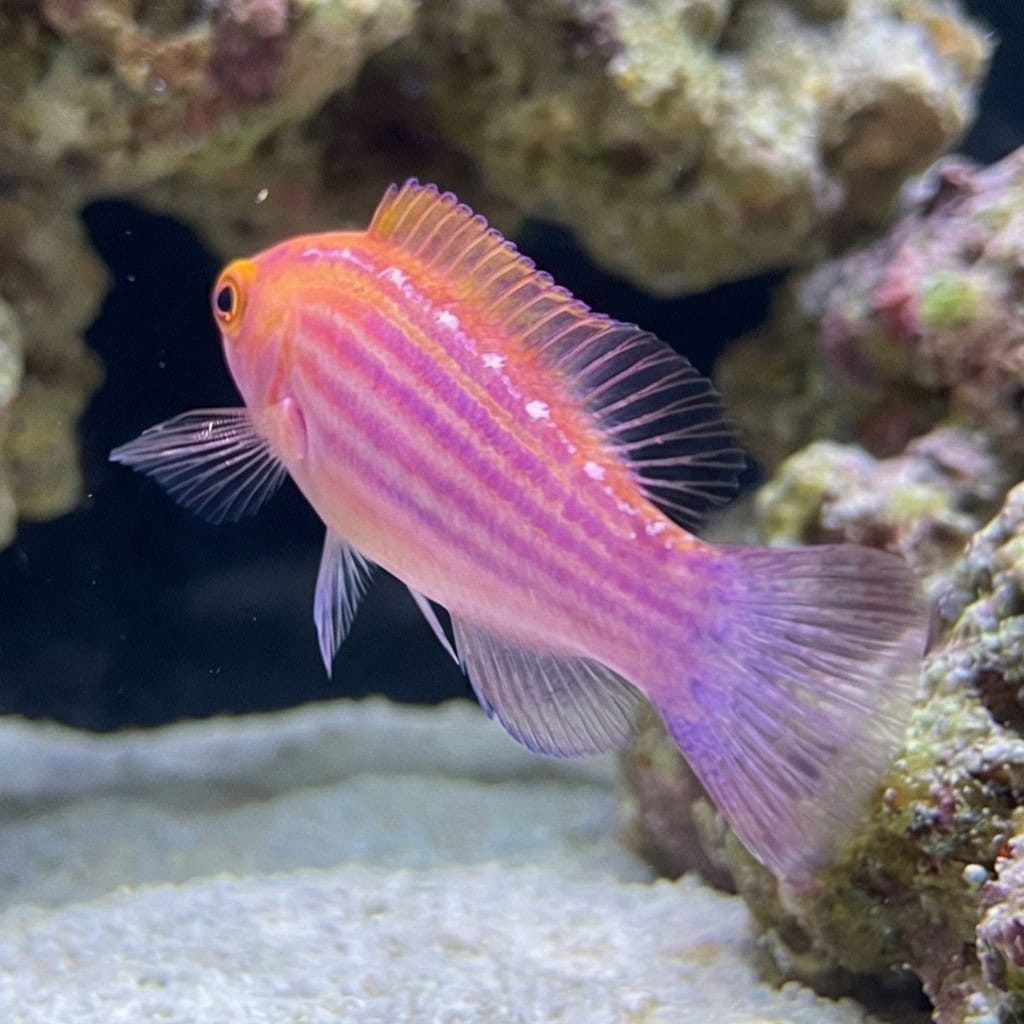
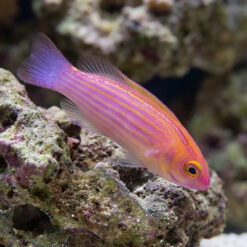
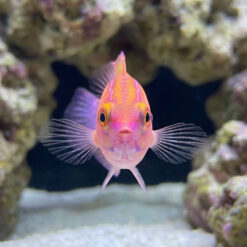
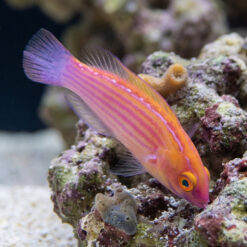
The Earles Fairy Wrasse (Cirrhilabrus earlei) is a deep-reef fairy wrasse known for a pink-to-magenta body with fine linear striping and a more extended tail shape as males mature. It naturally occurs around Palau and the Marshall Islands at deeper reef depths, which is why it’s most often seen as a premium, limited-availability wrasse in the hobby.
What You’ll Observe:
- Active, open-water cruising with frequent laps along the rockwork edge
- Quick, midwater feeding responses—rises into the water column when food hits the flow
- Noticeable “flashing” displays where color intensity increases during social moments
- A consistent daily routine: out and swimming through the light cycle, then settling into the rockwork to rest
To succeed, provide a tight-fitting lid or screen top and open swim lanes with plenty of rockwork breaks so it can move in and out of cover naturally. Offer small meaty foods and quality pellets in multiple small feedings per day to match its constant activity, and you’ll typically see steady daytime movement and strong food response.
Is it normal for its colors to look different day-to-day?
Yes—many keepers notice stronger striping and brighter overall tones during social interaction, feeding time, and late-day activity.
Does it sleep in the sand like some other wrasses?
Most fairy wrasses rest in the rockwork at night rather than burying; they pick a consistent crevice or ledge once they learn the layout.
What does “flashing” look like, and when does it happen?
Flashing is a brief display where the fish holds fins out and intensifies color while moving toward (or past) another fish, most often during feeding or when establishing its place in the tank.
How do hobbyists introduce it when other wrasses are already established?
A common approach is to use an acclimation box for a short period so it can be seen without being pressured, then release it when the tank is calm and well-fed.
Can it be kept as a single specimen, or is a pair better?
Many aquarists keep a single male successfully; in larger systems, a compatible pair or small group can work when introduced with planning and plenty of visual breaks.
Shipped with pure oxygen and temperature control so it arrives stress-free and ready to eat.
Recently viewed products