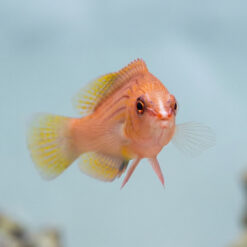
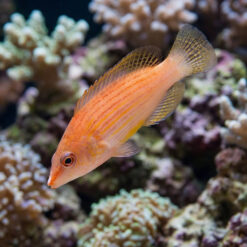
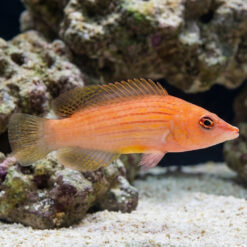
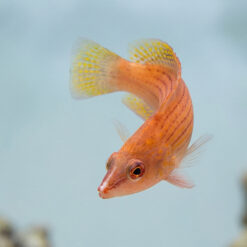
Eight Line Wrasse
Pseudocheilinus octotaenia
| Stock | Variations | Price | Quantity |
|---|
Every order ships with our standard 3-hour live arrival guarantee. Need more time? Add our 5-Day Guarantee at checkout.
Full guarantee terms →Ships Monday – Thursday for next-day arrival at your nearest FedEx Hold location — typically ready by 9 AM. We monitor every delivery.
Shipping details →
Monday – Friday 8 AM – 9 PM
Saturday 12 PM – 4 PM
Sunday 12 PM – 9 PM
Healthy, stable animals from vetted suppliers — inspected before packing, shipped overnight. Decades of experience built this model so we can deliver premium livestock at 30%+ less than you'd pay elsewhere.
| Care Level | Moderate |
|---|---|
| Temperament | Semi-Aggressive |
| Reef Safe | Yes |
| Functional Benefit | Ornamental Only |
| Diet Type | Carnivore |
| Mininum Tank Size | 55 gallons |
| Max Size | 6 inches |
| Temperature | 72–78°F |
| pH Range | 8.1–8.4 |
| Specific Gravity | 1.022–1.025 |
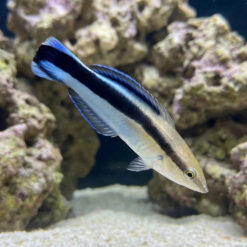
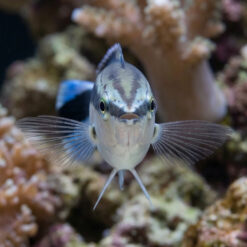
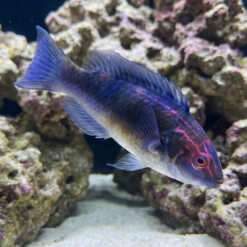
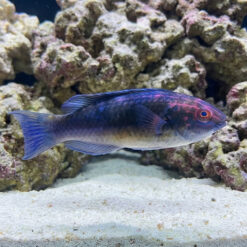
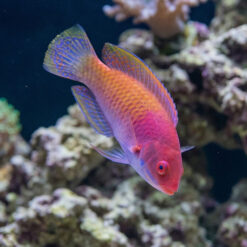
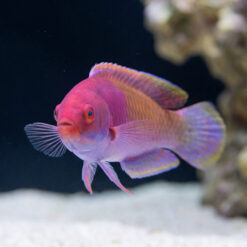
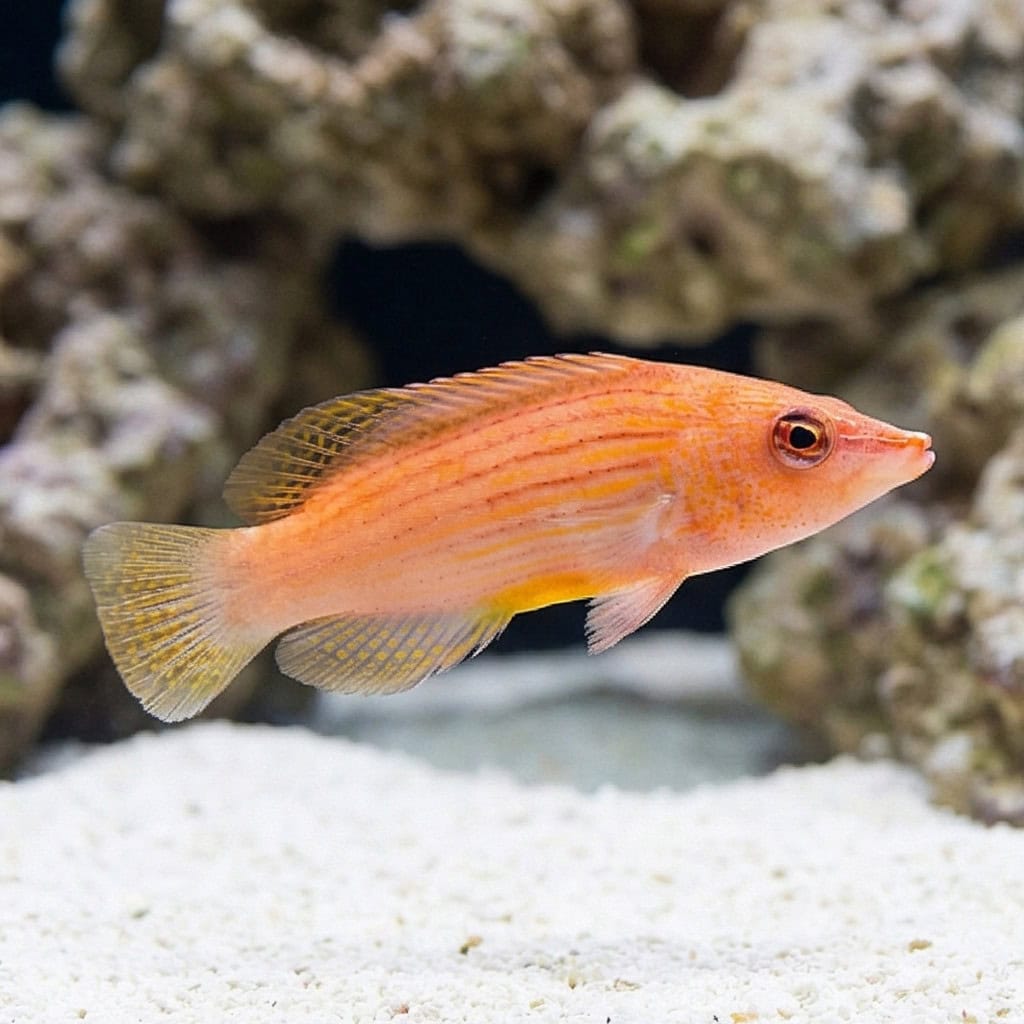
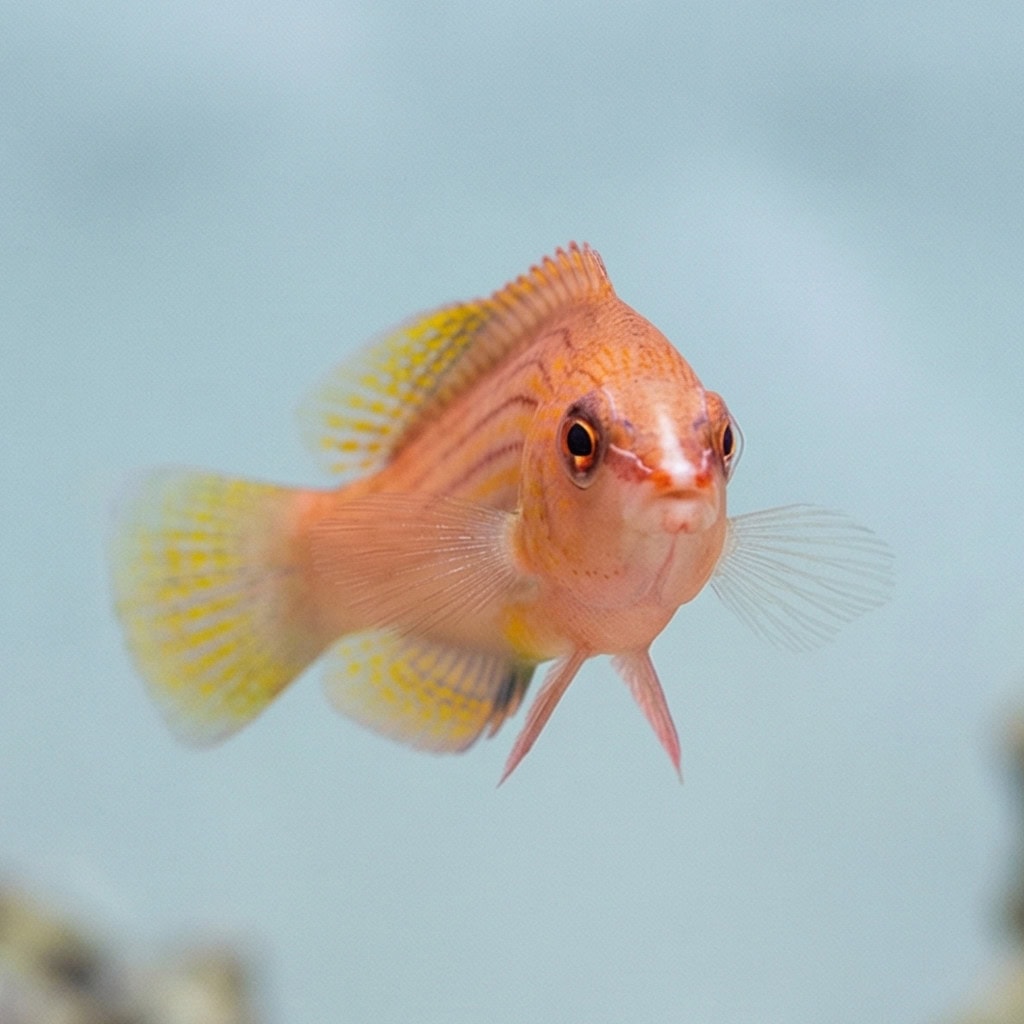
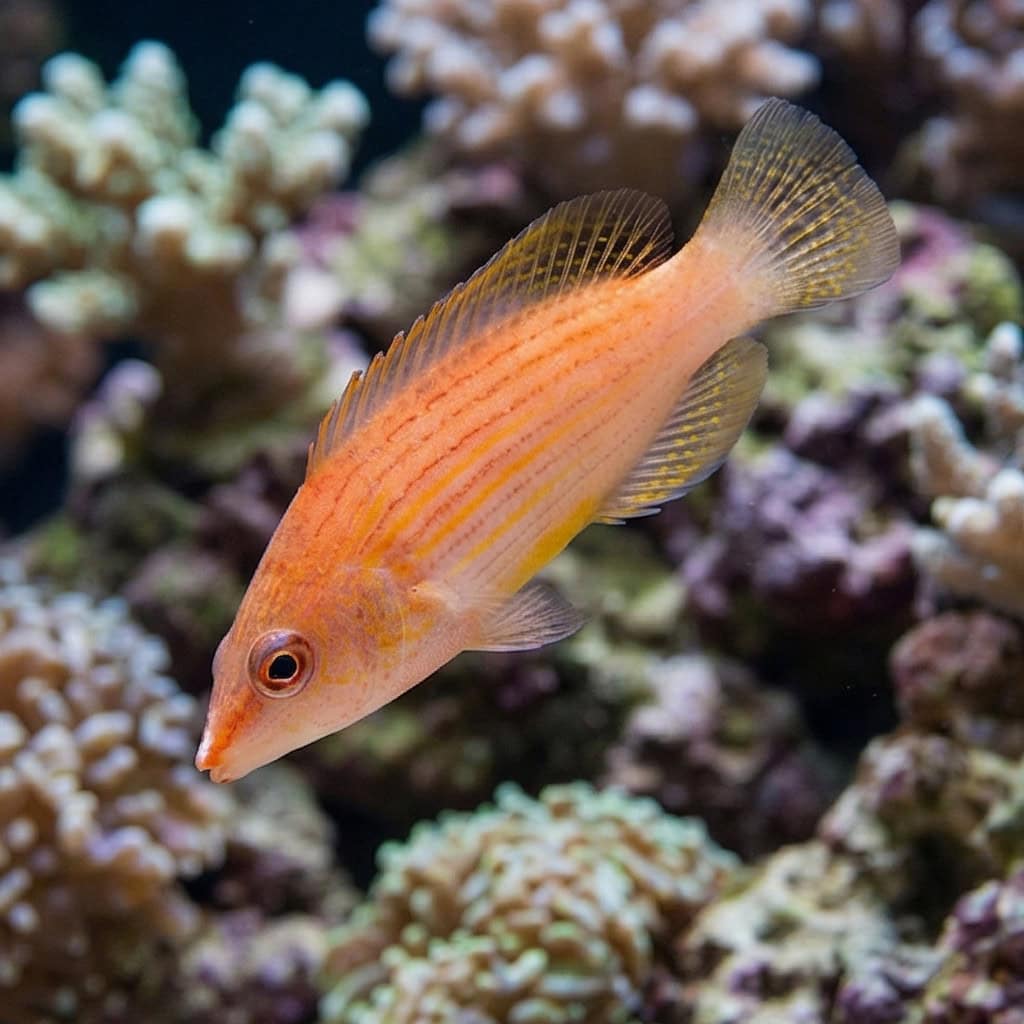
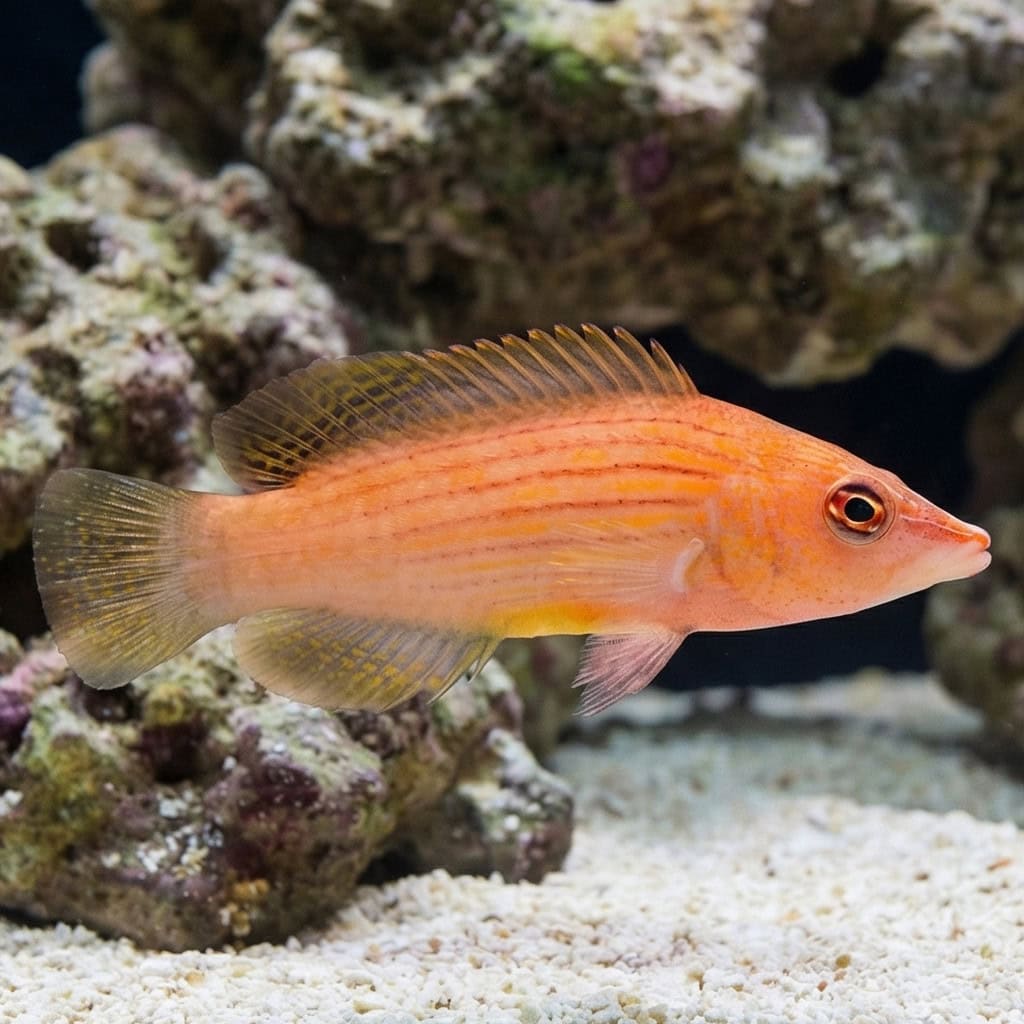
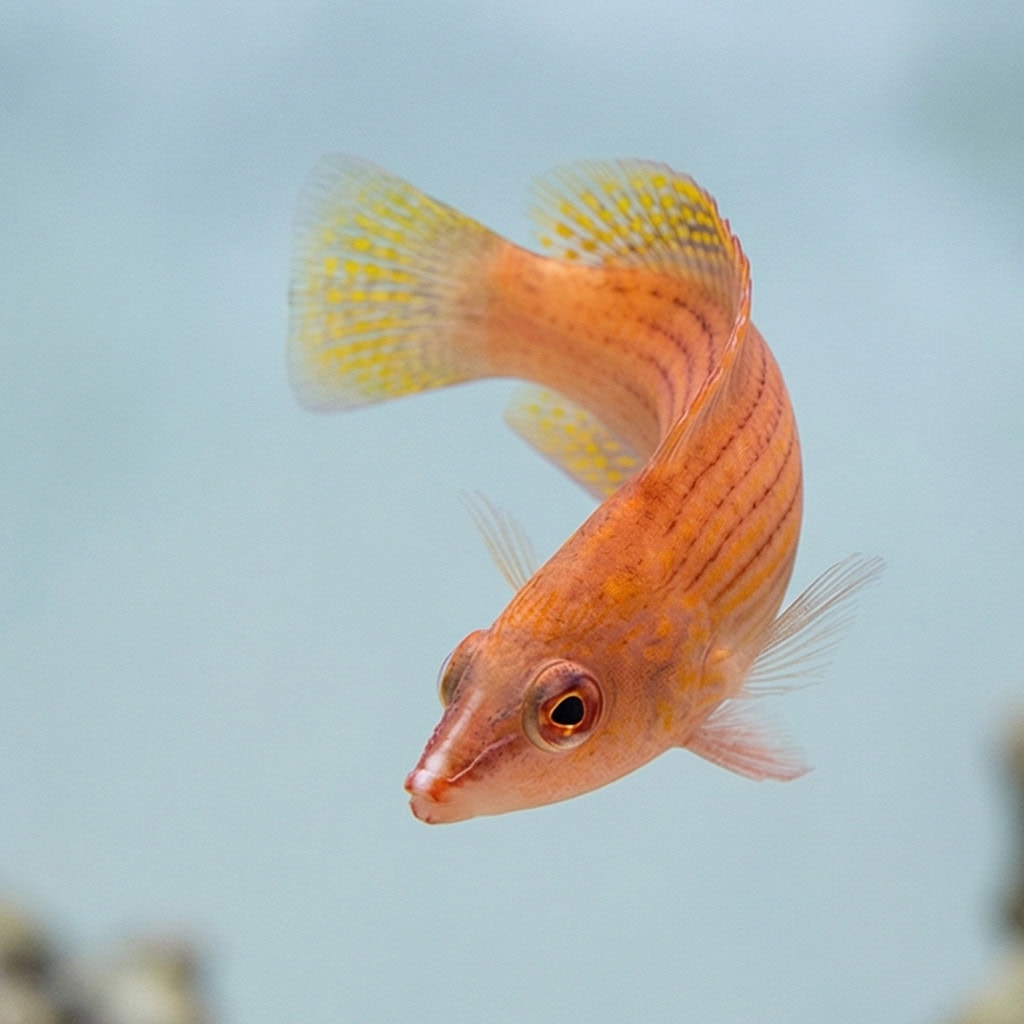
The Eight Line Wrasse (Pseudocheilinus octotaenia) is a reef-associated lined wrasse with a reddish-to-orange body marked by thin horizontal purple stripes. It spends most of its time weaving through rockwork and coral branches, using caves and crevices as home base while it patrols the reefscape.
What You’ll Observe:
- Short, quick patrol loops around the rockwork, with frequent stops to inspect cracks and ledges
- “Pop-out, pop-in” behavior as it moves between open water and hiding spots during the day
- Regular picking at tiny items on the rocks between scheduled feedings
- A consistent nighttime routine of retreating to a favorite cavity to sleep
- More front-and-center activity after it learns the tank’s layout (often within the first week)
To help it settle in, provide plenty of live rock with multiple bolt-holes and clear swim lanes. Offer small meaty foods (like finely chopped seafood, mysis, and quality frozen blends) consistently so it stays active and engaged. In community setups, it does best when introduced after more passive fish, with a stable, well-established aquascape and a tight-fitting lid.
Will it hide when first introduced?
It’s common for this wrasse to spend its first few days doing quick laps and ducking into the rocks, then gradually staying out longer as it learns the tank.
Can it be kept with other wrasses long-term?
Many hobbyists have the best results pairing it with very different-shaped wrasses and adding it later, so it doesn’t treat the whole rockwork as “its” territory.
Does it bother cleaner shrimp or small crabs?
Some keepers report no issues while others see opportunistic chasing—especially with very small shrimp—so matching invert size to the wrasse and keeping it well-fed tends to help.
Is it normal for it to choose one “favorite” cave?
Yes—this species often adopts a specific sleeping cavity and will return to the same spot night after night.
How do people usually catch one if it needs to be moved later?
A baited fish trap placed near its patrol route (and left in place long enough for it to ignore the trap) is one of the most commonly reported methods.
Each fish is checked for strong appetite and activity before we approve it for your tank.
Recently viewed products