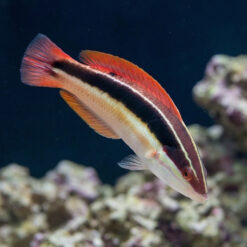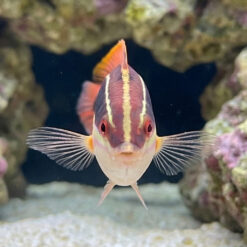
False Personifer Angelfish
Chaetodontoplus meredithii
| Stock | Variations | Price | Quantity | |
|---|---|---|---|---|
| Out of Stock | 4.5 - 5.5" - Australia | Original price was: $1,440.99.$756.99Current price is: $756.99. | Email me | |
| Out of Stock | 2.75 - 3.75" - Australia | Original price was: $1,107.99.$581.99Current price is: $581.99. | Email me | |
| Out of Stock | 5.5 -7" - Male - Australia | Original price was: $3,056.99.$1,604.99Current price is: $1,604.99. | Email me |
Every order ships with our standard 3-hour live arrival guarantee. Need more time? Add our 5-Day Guarantee at checkout.
Full guarantee terms →Ships Monday – Thursday for next-day arrival at your nearest FedEx Hold location — typically ready by 9 AM. We monitor every delivery.
Shipping details →
Monday – Friday 8 AM – 9 PM
Saturday 12 PM – 4 PM
Sunday 12 PM – 9 PM
Healthy, stable animals from vetted suppliers — inspected before packing, shipped overnight. Decades of experience built this model so we can deliver premium livestock at 30%+ less than you'd pay elsewhere.
| Care Level | Moderate |
|---|---|
| Temperament | Semi-Aggressive |
| Reef Safe | No |
| Functional Benefit | Ornamental Only |
| Diet Type | Omnivore |
| Mininum Tank Size | 180 gallons |
| Max Size | 12 inches |
| Temperature | 72–78°F |
| pH Range | 8.1–8.4 |
| Specific Gravity | 1.022–1.025 |
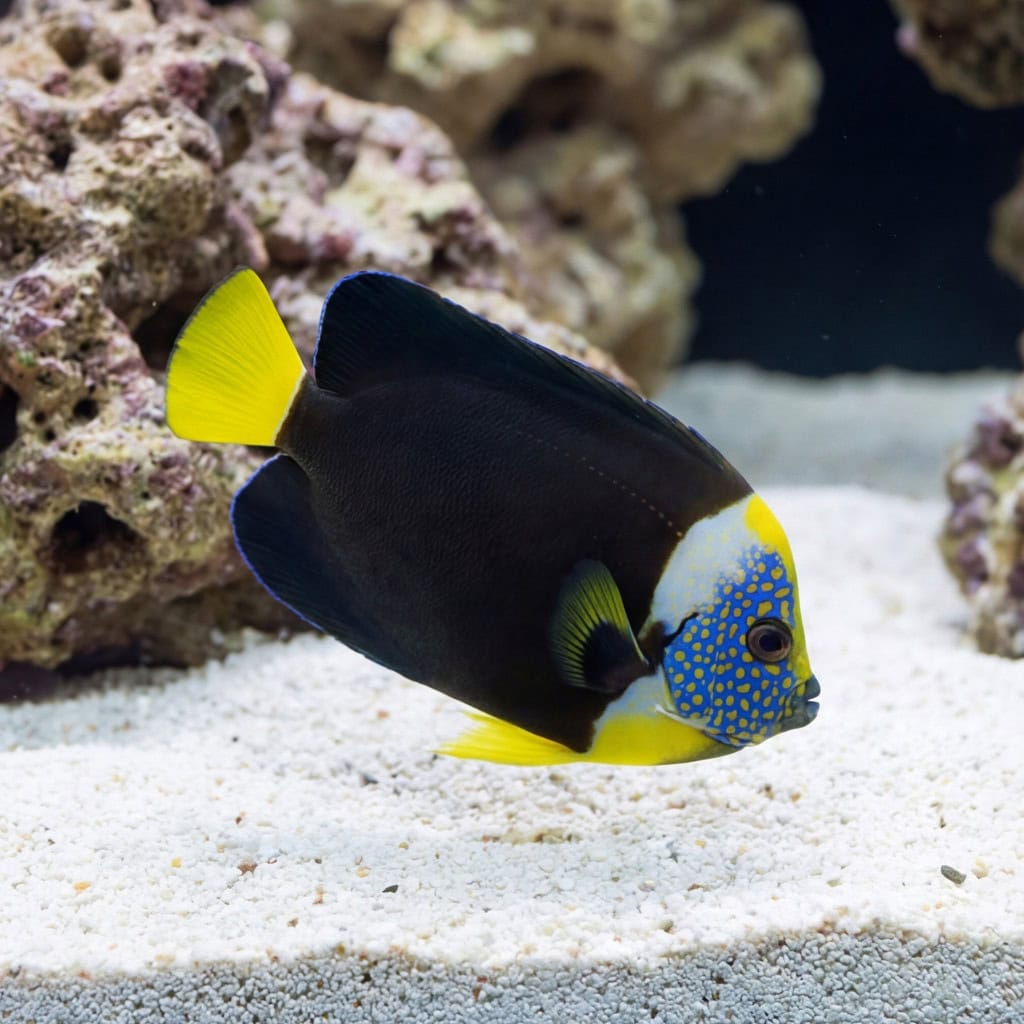
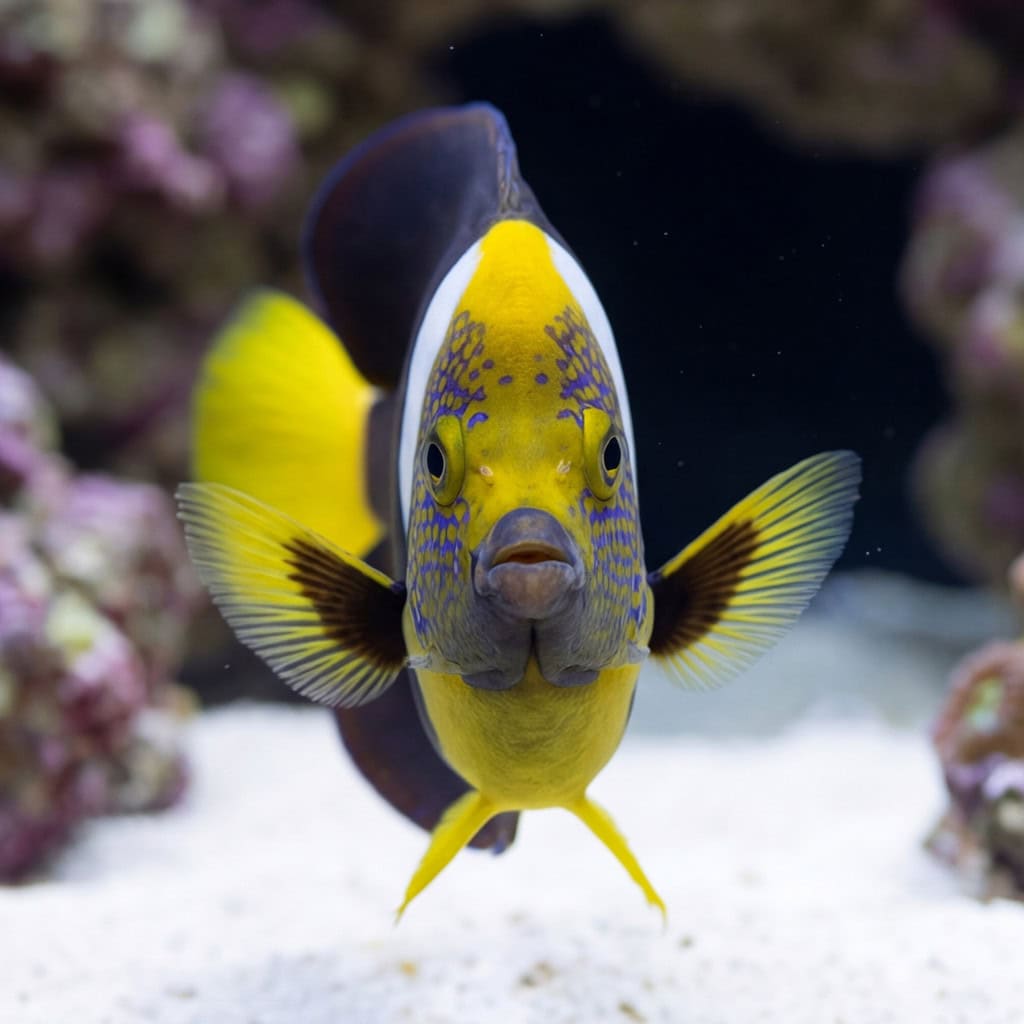
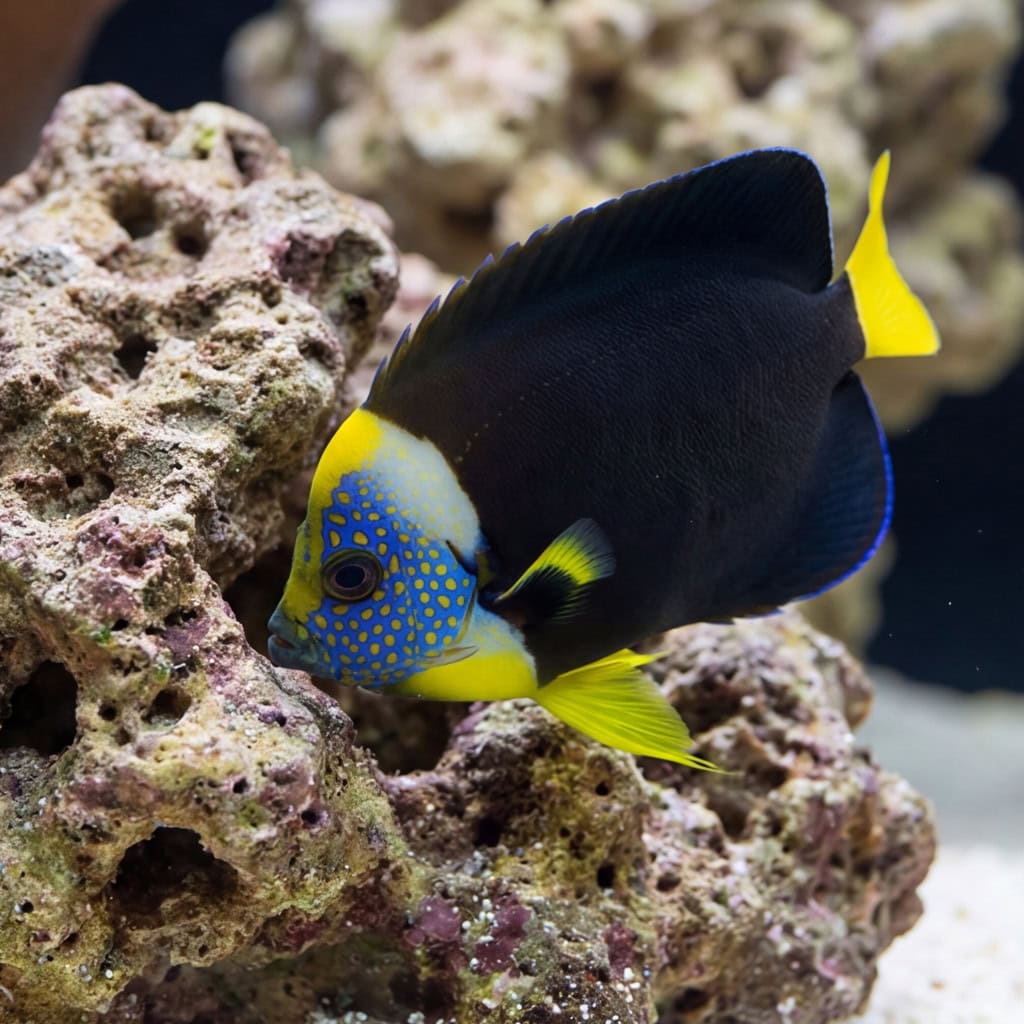
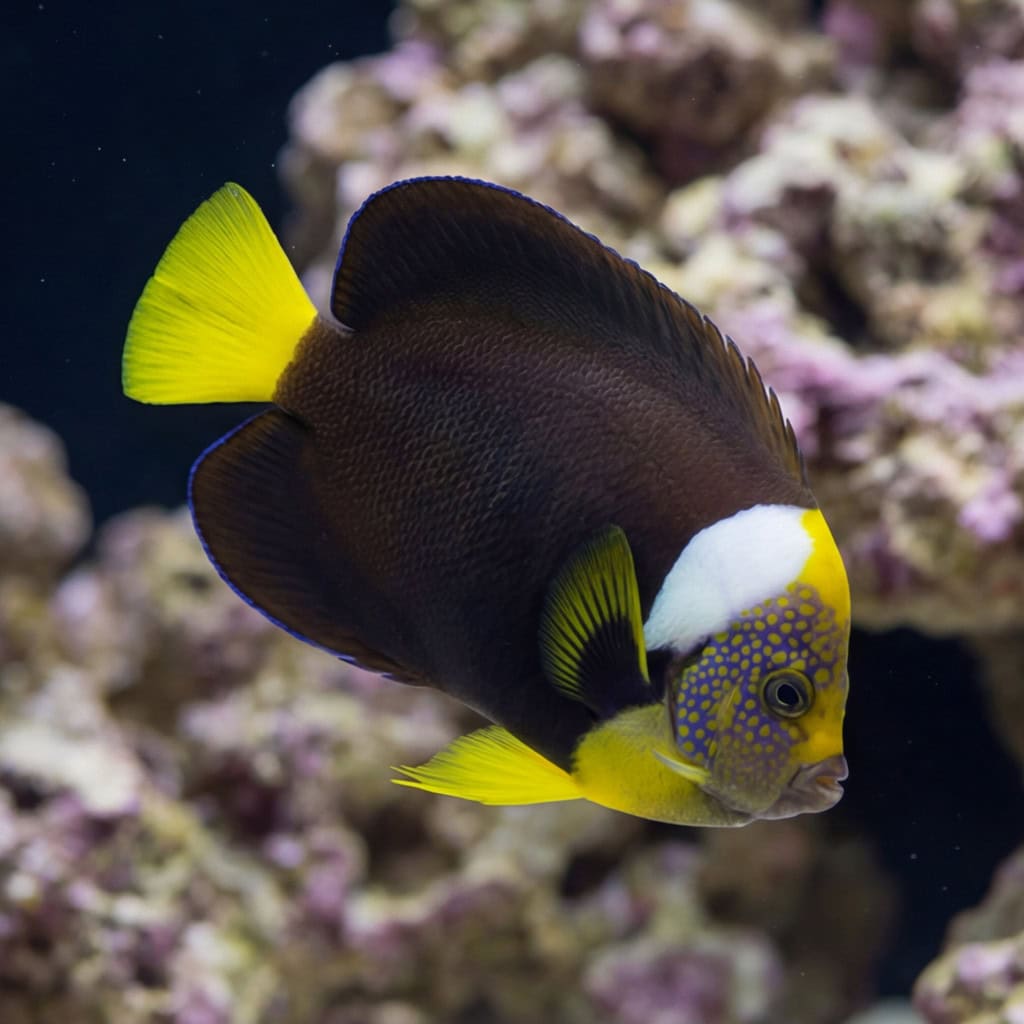
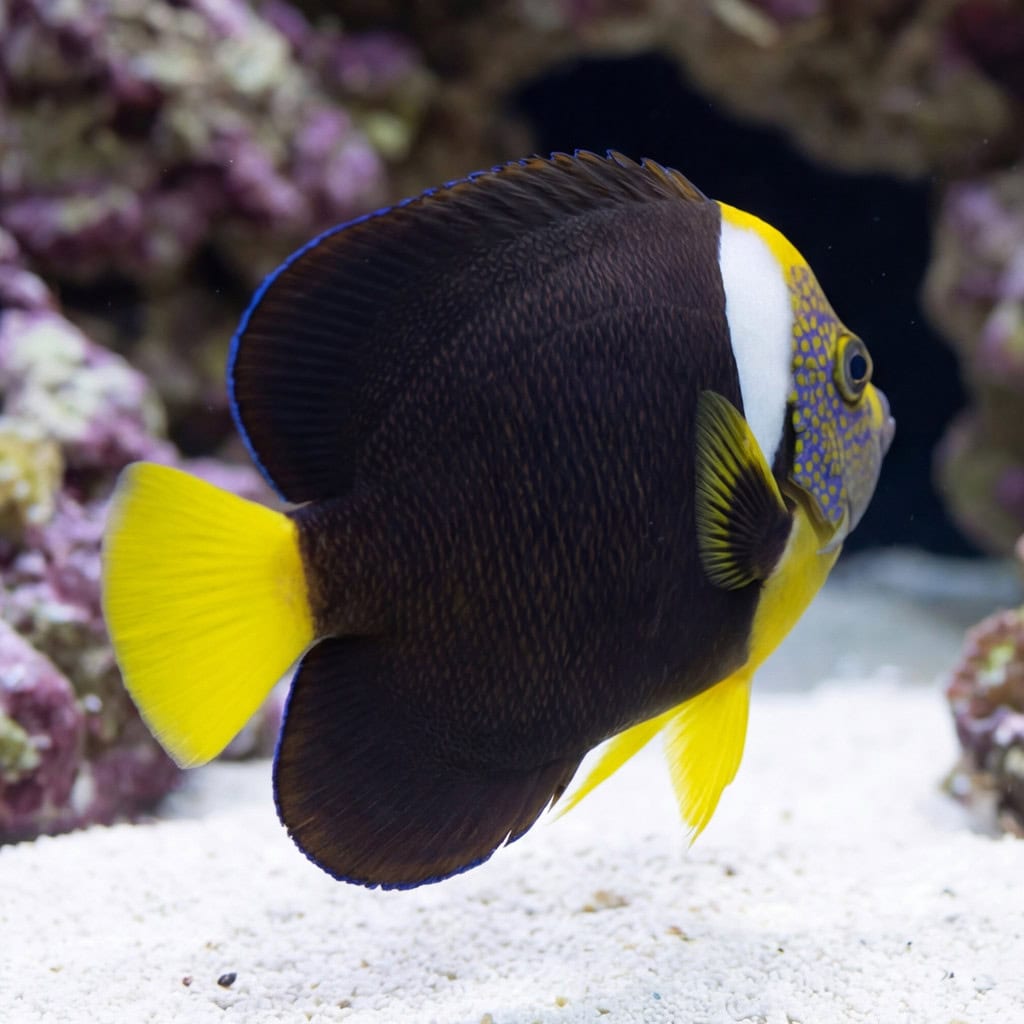
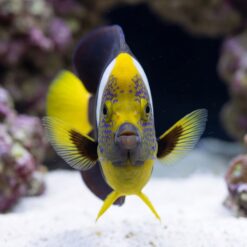
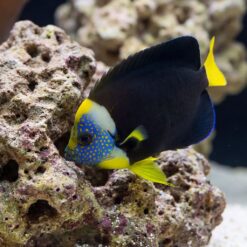
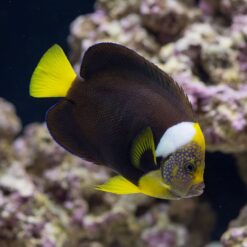
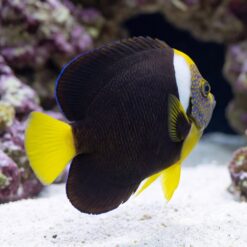
The False Personifer Angelfish (Chaetodontoplus meredithii), also called Meredith’s Angelfish or the Queensland yellowtail angelfish, is a large Chaetodontoplus angelfish from eastern Australia. Adults show a deep dark body, a blue face with fine yellow spotting, a pale band behind the head, and a yellow caudal fin that stands out as it cruises the rockwork.
What You’ll Observe:
- A steady, “patrolling” swim pattern with repeated routes through caves and along ledges
- Regular grazing and picking at the rock surface between feedings
- A noticeable shift toward staying out in the open more often as it settles in
- Strong food response once it recognizes a consistent feeding routine
Provide a mature aquarium with substantial live rock, multiple caves, and open swim lanes so it can choose cover and still move freely. Offer a varied menu (including foods that contain sponge matter) in smaller portions multiple times per day to keep it engaged and feeding consistently. With stable parameters and a consistent routine, it becomes a very present, interactive centerpiece fish.
What makes it “False Personifer” compared to the “True Personifer”?
They’re closely related and very similar in behavior; hobbyists commonly describe the “false” name as a trade label tied to being the eastern-Australia lookalike rather than a different “type” of angelfish.
Does this angelfish change appearance as it matures?
Yes—keepers often report the face pattern and contrast becoming more defined over time, especially once the fish is established and feeding well.
Is it normal for a new specimen to spend a lot of time in the rockwork at first?
Yes. Many keepers describe an “adjustment period” where it keeps to caves and only makes shorter laps, then gradually extends its time out in the open.
Any feeding tricks people use when it’s newly introduced?
A common approach is offering a wide mix of foods and using “on-the-half-shell” style items (like cracked clam/cockle) so it can peck naturally while learning your feeding schedule.
Can it work in a reef display if I’m selective with corals?
Some aquarists report success with certain coral types, but most treat large angelfish in mixed reefs as an individual-behavior gamble and plan the coral list around the fish.
Each fish is checked for strong appetite and activity before we approve it for your tank.
Recently viewed products