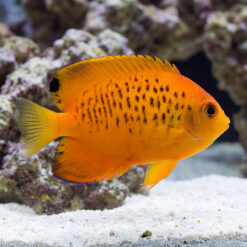
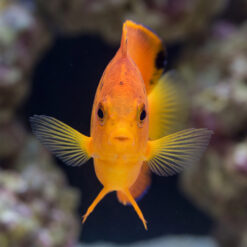
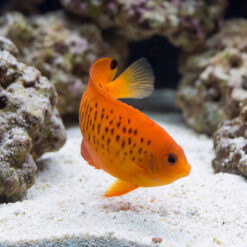
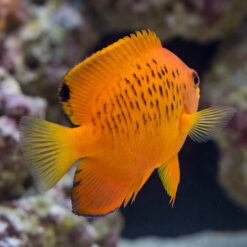
False Shepard’s Hybrid
Centropyge loriculus X ferrugata
Original price was: $655.99.$344.99Current price is: $344.99.
| Stock | Variations | Price | Quantity | |
|---|---|---|---|---|
| Only 1 left | 2 - 3" - Indo-Pacific | Original price was: $655.99.$344.99Current price is: $344.99. |
-
+
|
Every order ships with our standard 3-hour live arrival guarantee. Need more time? Add our 5-Day Guarantee at checkout.
Full guarantee terms →Ships Monday – Thursday for next-day arrival at your nearest FedEx Hold location — typically ready by 9 AM. We monitor every delivery.
Shipping details →
Monday – Friday 8 AM – 9 PM
Saturday 12 PM – 4 PM
Sunday 12 PM – 9 PM
Healthy, stable animals from vetted suppliers — inspected before packing, shipped overnight. Decades of experience built this model so we can deliver premium livestock at 30%+ less than you'd pay elsewhere.
| Care Level | Moderate |
|---|---|
| Temperament | Semi-Aggressive |
| Reef Safe | With Caution |
| Functional Benefit | Ornamental Only |
| Diet Type | Omnivore |
| Mininum Tank Size | 70 gallons |
| Max Size | 4 inches |
| Temperature | 72–78°F |
| pH Range | 8.1–8.4 |
| Specific Gravity | 1.022–1.025 |
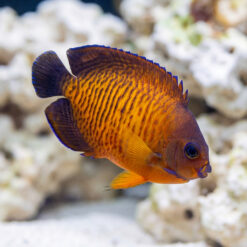
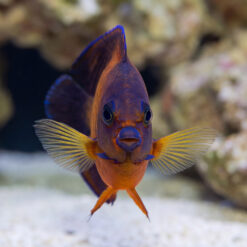
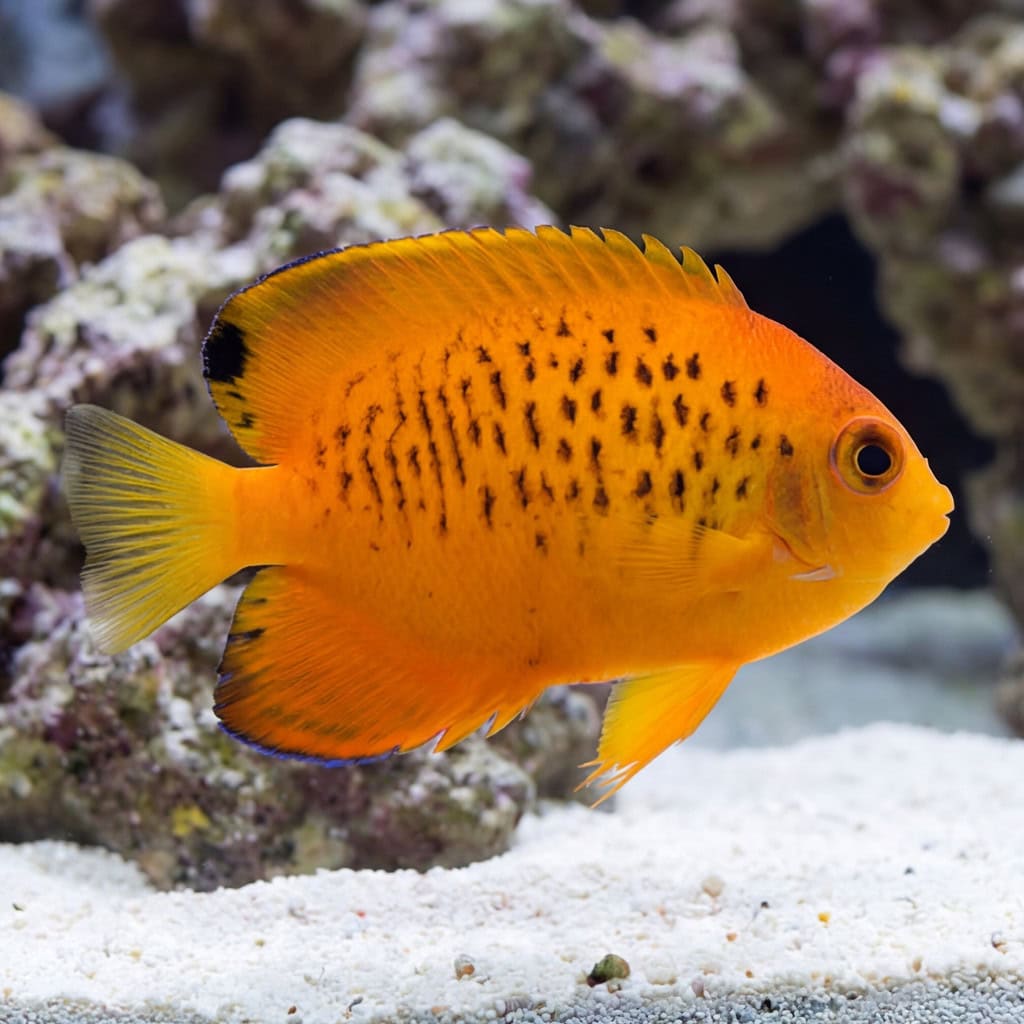
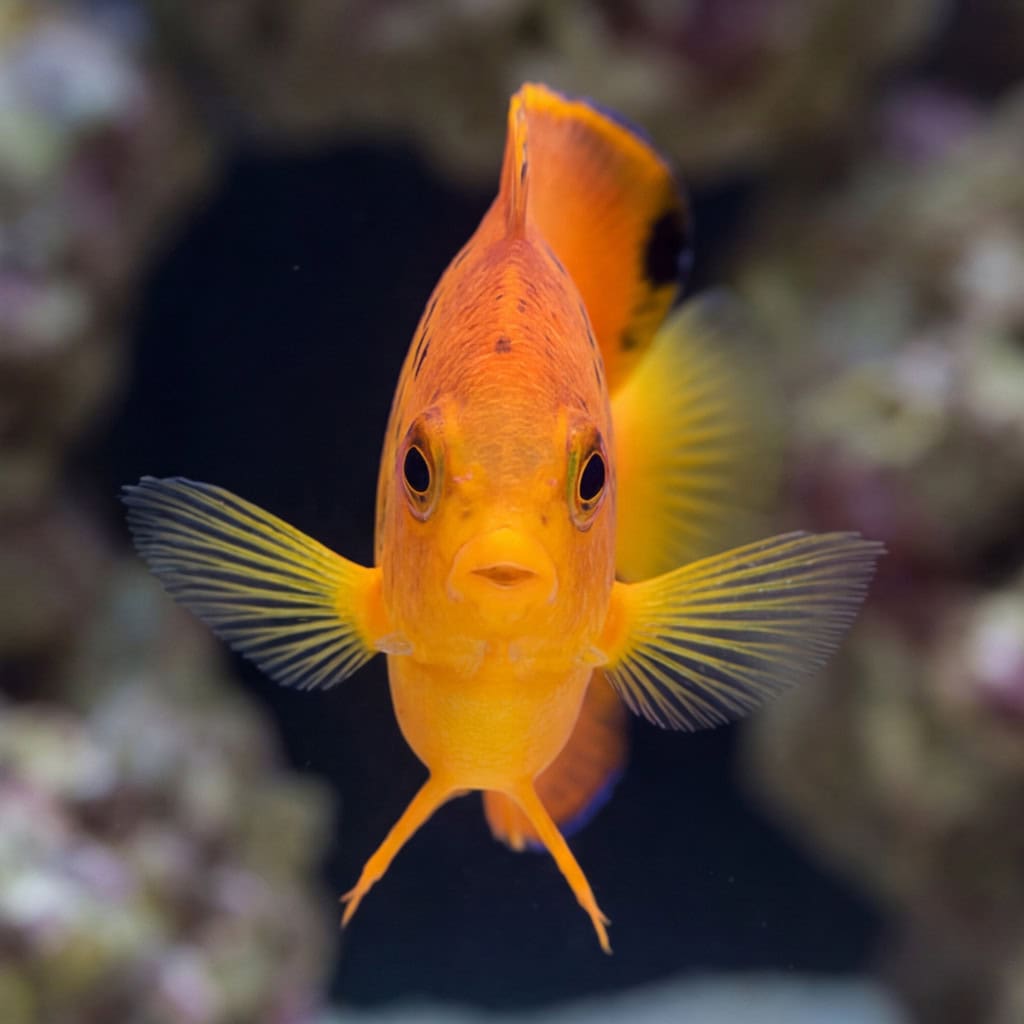
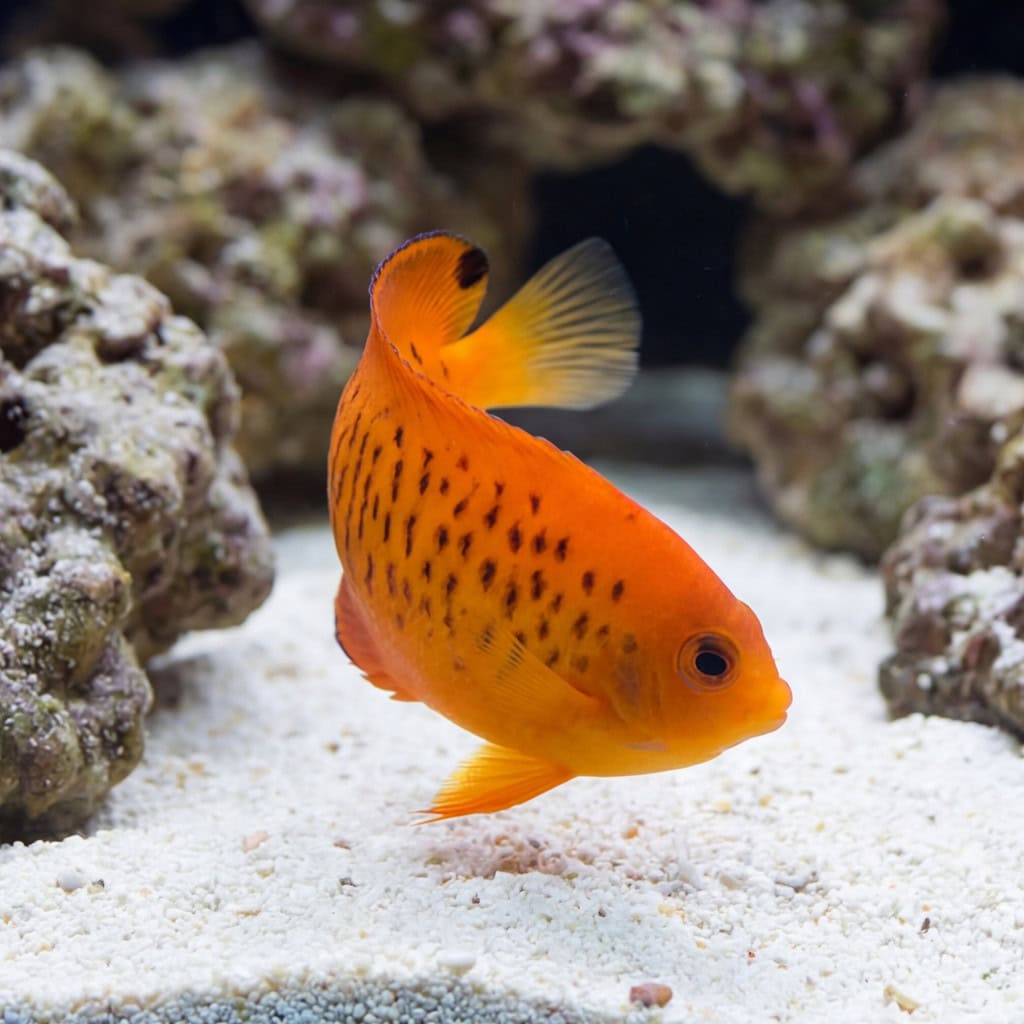
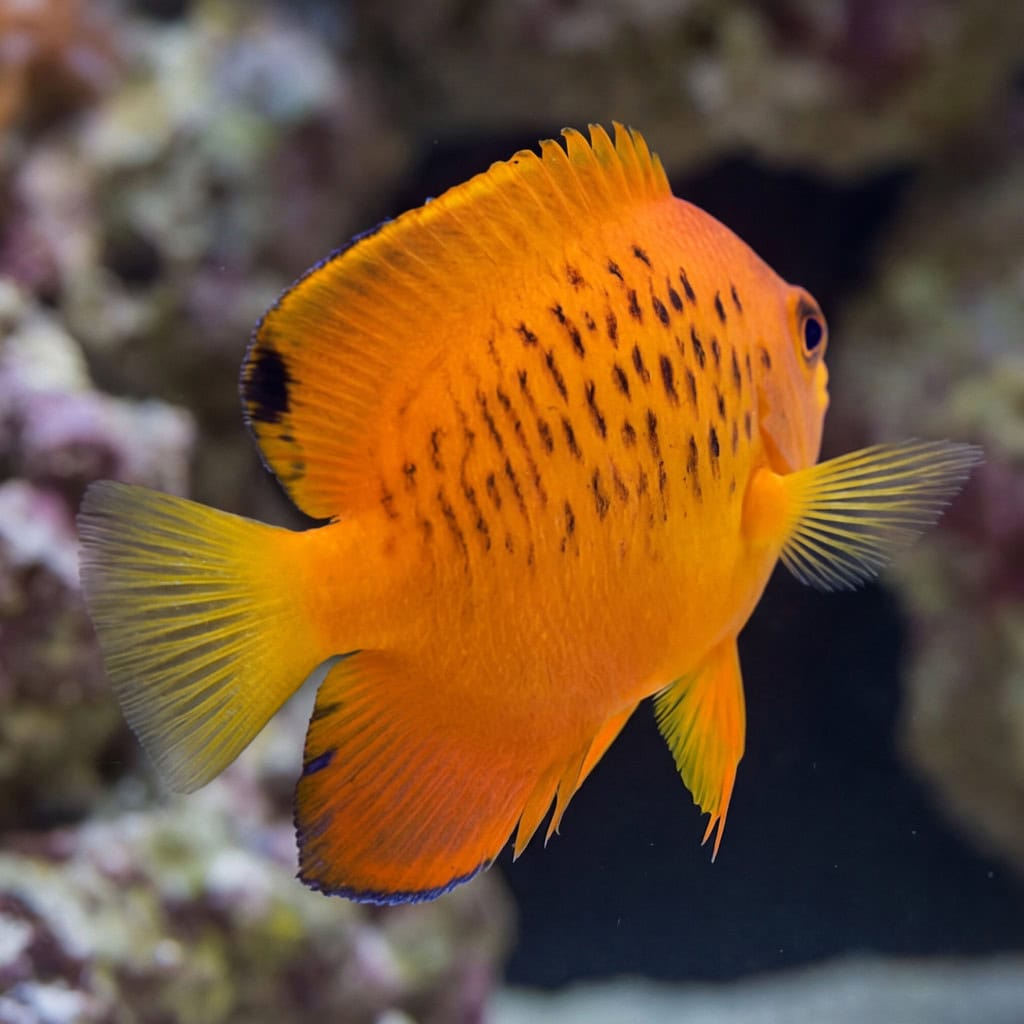
The False Shepard’s Hybrid (Centropyge loriculus ?? C. ferrugata) is a naturally occurring dwarf angelfish that blends flame-angelfish barring with rusty-angelfish mottling and blue-edged fins. Color balance varies by specimen, so the pattern can read closer to one parent or show an even mix. In the aquarium it spends much of the day picking along rockwork for natural growth between feedings.
What You’ll Observe:
- Short patrol loops through the rockscape, then frequent stop-and-peck grazing on surfaces
- A “favorite route” that becomes more consistent as it learns the tank’s layout
- Quick, confident feeding once it recognizes your feeding routine
- Resting tucked into a rock crevice at night, then resuming grazing soon after lights come on
Provide mature live rock with multiple caves and swim-throughs so it can graze and reset between laps. Offer a mix of algae-based foods and small meaty items (frozen blends and pellets work well) in smaller portions across the day. It does best when it can claim a small section of rockwork without constant crowding from similar-shaped fish.
Will this hybrid’s pattern stay the same as it grows?
The layout of bars and mottling usually stays recognizable, but contrast can deepen and the “blend” between parent traits can look more defined with age.
Does it need to eat nori sheets, or is prepared food enough?
Many individuals learn prepared foods well, and nori can be a useful add-on so grazing fish have something to work on between meals.
Why does it “sample” corals or polyps even when it’s being fed?
Some individuals treat certain textures as part of their normal picking behavior; keeping a steady feeding rhythm and plenty of rock-grazing area often reduces how much time it spends testing other surfaces.
Can I keep it with another dwarf angelfish if the tank is large?
It’s most predictable when each fish has its own rock “zone,” and when introductions are planned so neither fish feels like it must defend the entire structure.
Is it normal if it disappears into the rocks for parts of the day?
Yes’many dwarf angels rotate between open swimming and tight rockwork, especially when they are mapping the tank and choosing preferred caves.
We work with trusted suppliers who keep our specimens healthy and well-fed before shipping.
Recently viewed products