
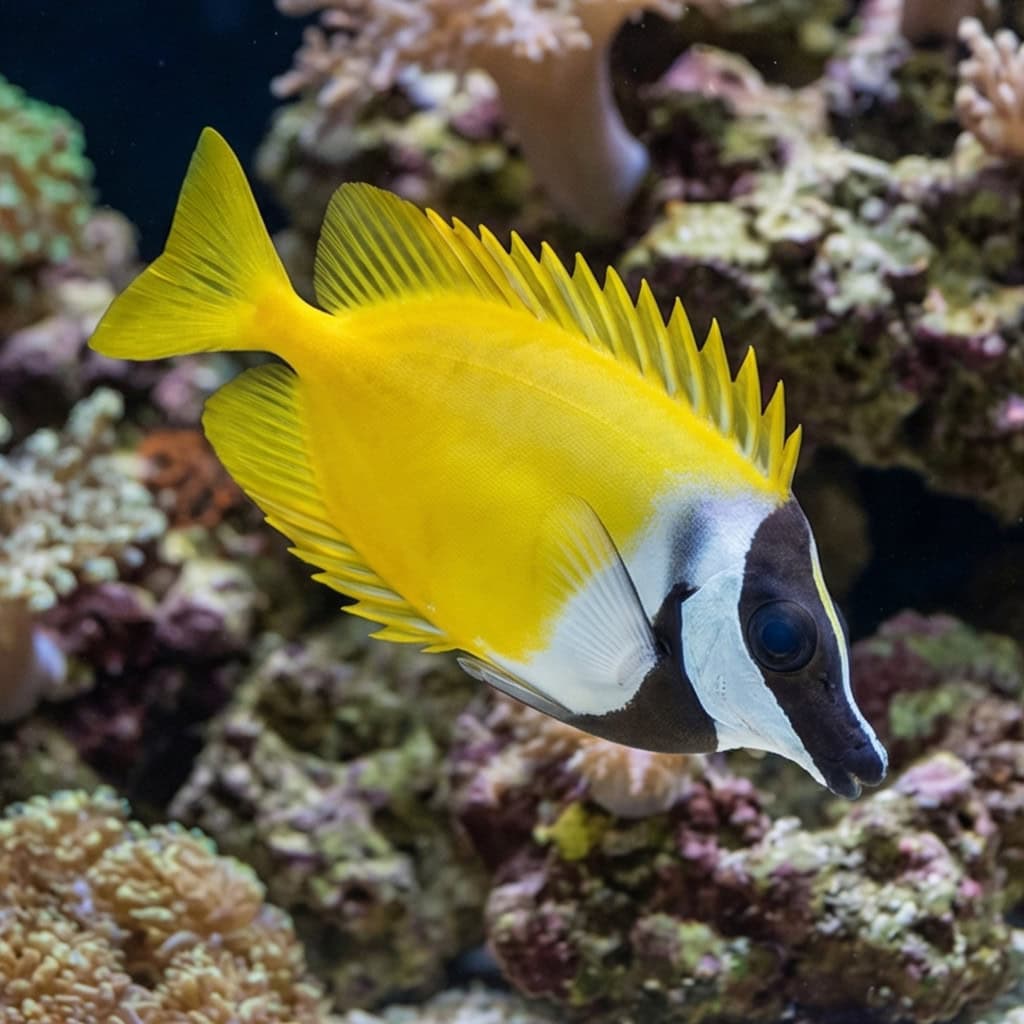
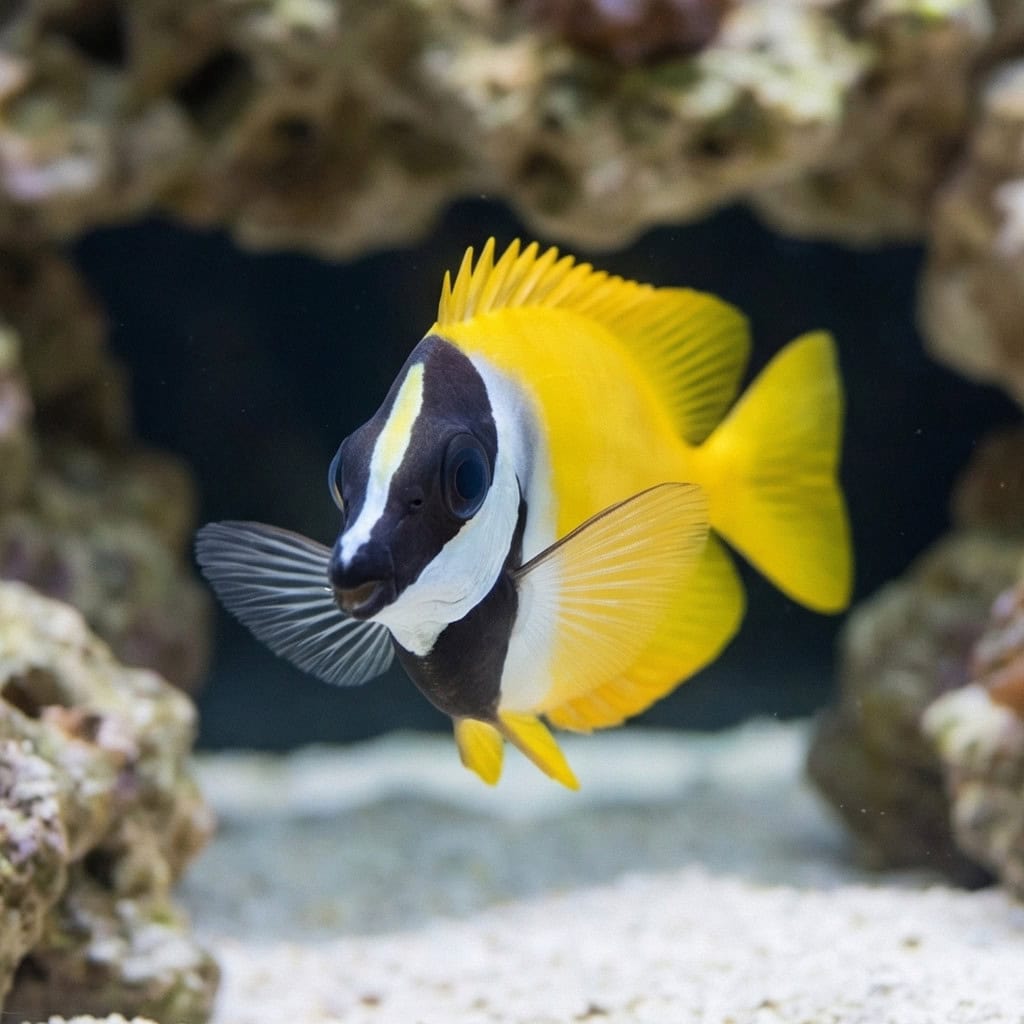
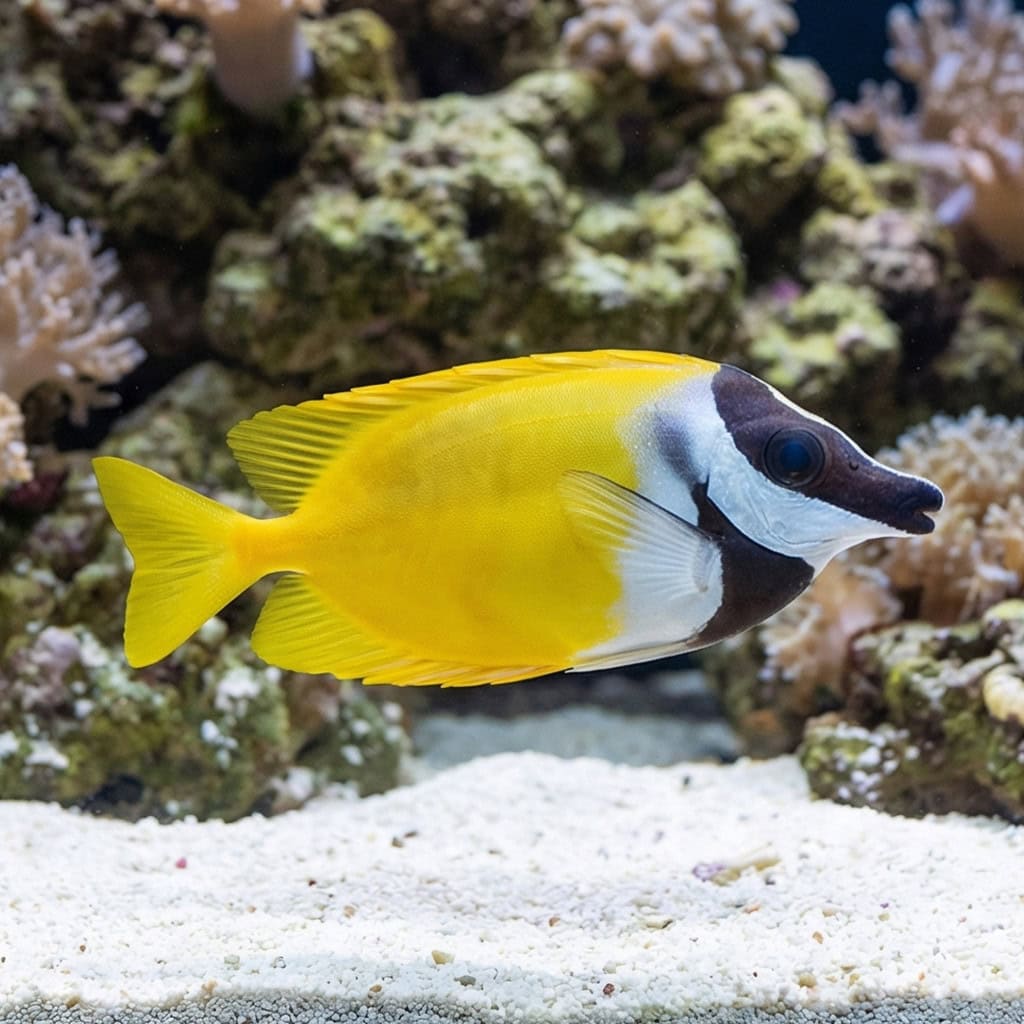
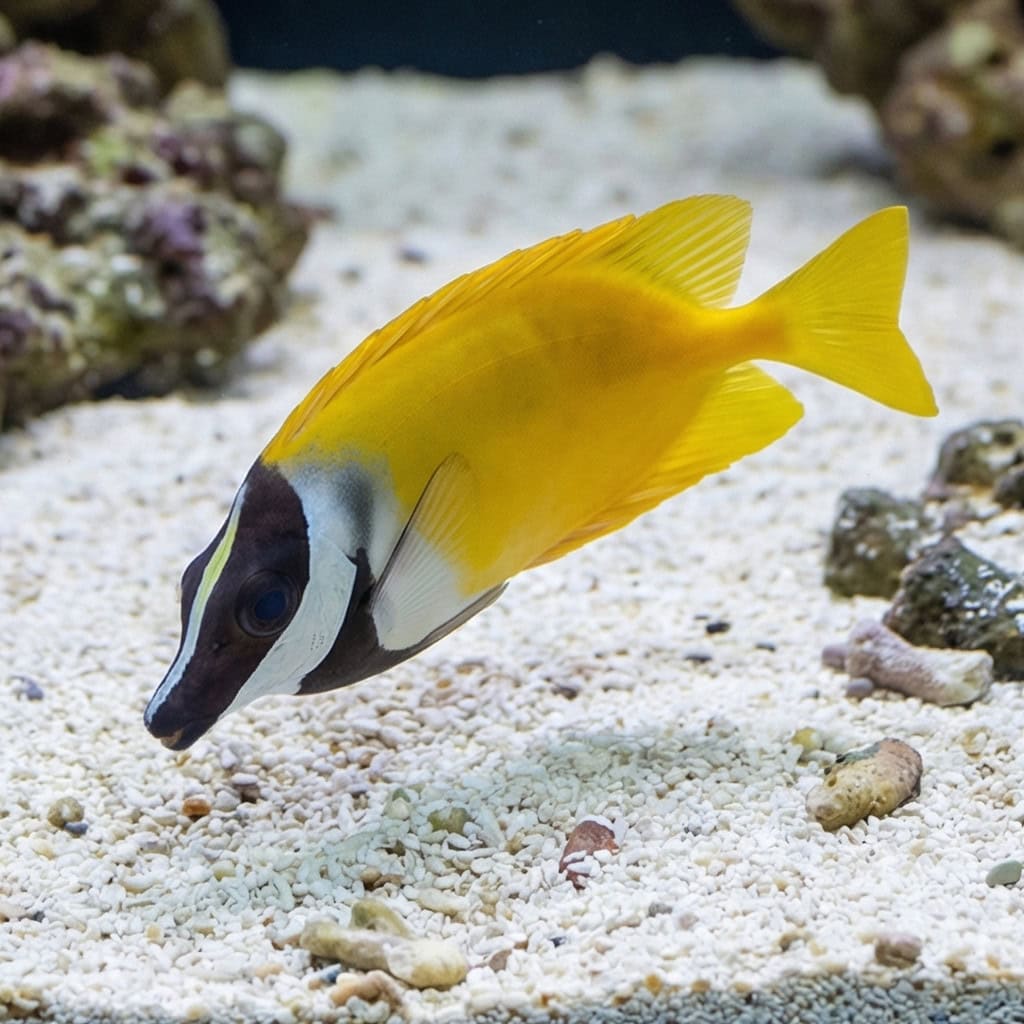
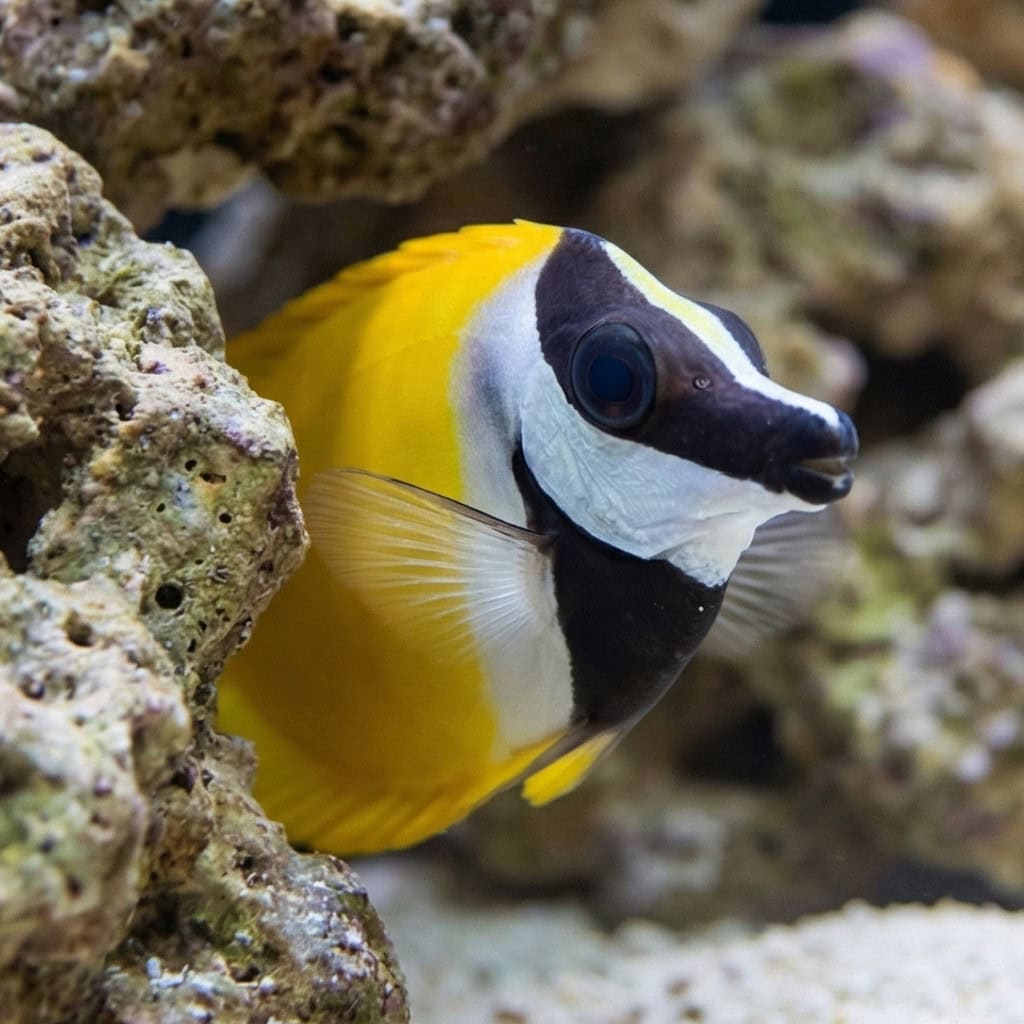
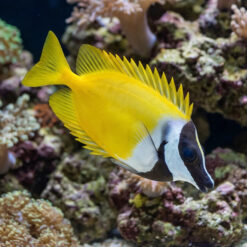
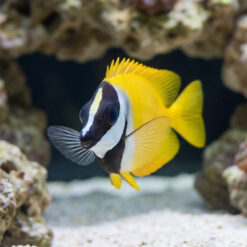
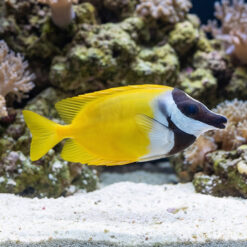
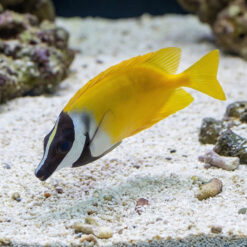
Foxface Rabbitfish
Siganus vulpinus
Price range: $134.99 through $147.99
| Stock | Variations | Price | Quantity | |
|---|---|---|---|---|
| In Stock | 2 - 3" - Indo-Pacific | Original price was: $257.99.$134.99Current price is: $134.99. |
-
+
|
|
| In Stock | 3 - 4" - Indo-Pacific | Original price was: $280.99.$147.99Current price is: $147.99. |
-
+
|
|
| Out of Stock | 2" or smaller - Indo-Pacific | Original price was: $206.99.$108.99Current price is: $108.99. | Email me | |
| Out of Stock | 4 - 6" - Indo-Pacific | Original price was: $294.99.$154.99Current price is: $154.99. | Email me |
Every order ships with our standard 3-hour live arrival guarantee. Need more time? Add our 5-Day Guarantee at checkout.
Full guarantee terms →Ships Monday – Thursday for next-day arrival at your nearest FedEx Hold location — typically ready by 9 AM. We monitor every delivery.
Shipping details →
Monday – Friday 8 AM – 9 PM
Saturday 12 PM – 4 PM
Sunday 12 PM – 9 PM
Healthy, stable animals from vetted suppliers — inspected before packing, shipped overnight. Decades of experience built this model so we can deliver premium livestock at 30%+ less than you'd pay elsewhere.
| Care Level | Easy |
|---|---|
| Temperament | Peaceful |
| Reef Safe | With Caution |
| Functional Benefit | Algae Control |
| Diet Type | Herbivore |
| Mininum Tank Size | 120 gallons |
| Max Size | 10 inches |
| Temperature | 72–78°F |
| pH Range | 8.1–8.4 |
| Specific Gravity | 1.022–1.025 |
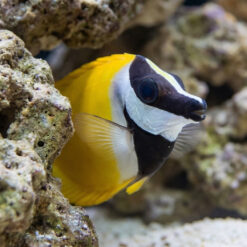
The Foxface Rabbitfish (Siganus vulpinus) is a constant algae grazer that helps keep live rock and overflow surfaces cleaner in larger reef tanks. It’s recognized by its yellow body, dark face mask with a light snout, and long, “fox-like” profile as it cruises the tank. Like other rabbitfish, it has venomous dorsal spines, so it’s best treated as a look-don’t-touch fish during maintenance.
What You’ll Observe:
- Browsing and picking at rockwork throughout the day, with steady, gliding swims between grazing stops
- A noticeable “resting” color shift (often mottled/blotchy) when lights are low or at night
- Quick interest in algae sheets on a clip, often returning for repeated bites
- Calm, community-style behavior, usually keeping to itself while still staying visible
Provide plenty of established live rock for grazing plus open swimming space, and offer daily greens (like algae sheets) along with quality herbivore foods. Maintain a consistent feeding routine so it stays focused on grazing and settles into a predictable daytime pattern in your aquarium.
Why does my foxface change color (blotchy/mottled), especially at night?
Many foxfaces shift into a “camouflage” or resting pattern when lights dim, then brighten back up when lights return.
My foxface eats frozen/pellets but ignores nori—how do people get them started on algae sheets?
A common approach is to clip a small piece near their usual grazing area and leave it available for a while; once they recognize it as food, they tend to revisit it daily.
Is it normal for a foxface to act “food-focused” and follow you at the glass?
Yes—many keepers report they learn your routine quickly and will hover nearby when it’s feeding time.
Why do some foxfaces start sampling zoas or certain LPS after being fine for months?
Some individuals investigate fleshy or food-scented corals, especially if they associate that area with feeding; keeping a steady herbivore-friendly feeding schedule often reduces this behavior.
Do I need special precautions during maintenance because of the dorsal spines?
Moving slowly, giving the fish space, and using long gloves when reaching into tight rockwork areas are common habits that help prevent accidental contact.
Each fish is checked for strong appetite and activity before we approve it for your tank.
Only logged in customers who have purchased this product may leave a review.
Recently viewed products
Reviews
There are no reviews yet.