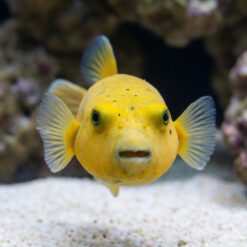
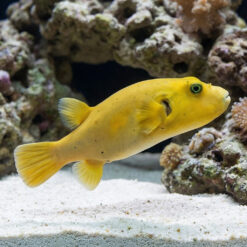
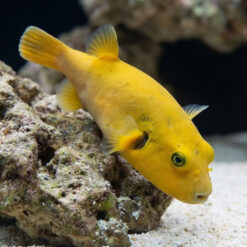
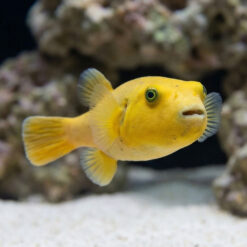
Golden Puffer
Arothron meleagris
| Stock | Variations | Price | Quantity |
|---|
Every order ships with our standard 3-hour live arrival guarantee. Need more time? Add our 5-Day Guarantee at checkout.
Full guarantee terms →Ships Monday – Thursday for next-day arrival at your nearest FedEx Hold location — typically ready by 9 AM. We monitor every delivery.
Shipping details →
Monday – Friday 8 AM – 9 PM
Saturday 12 PM – 4 PM
Sunday 12 PM – 9 PM
Healthy, stable animals from vetted suppliers — inspected before packing, shipped overnight. Decades of experience built this model so we can deliver premium livestock at 30%+ less than you'd pay elsewhere.
| Care Level | Moderate |
|---|---|
| Temperament | Semi-Aggressive |
| Reef Safe | No |
| Functional Benefit | Ornamental Only |
| Diet Type | Carnivore |
| Mininum Tank Size | 180 gallons |
| Max Size | 18 inches |
| Temperature | 72–78°F |
| pH Range | 8.1–8.4 |
| Specific Gravity | 1.022–1.025 |
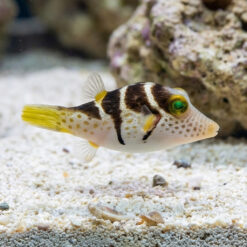
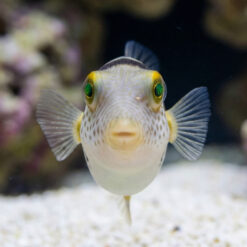
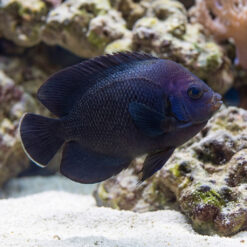
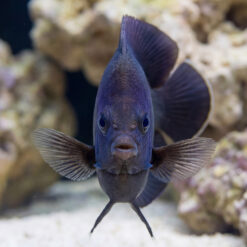
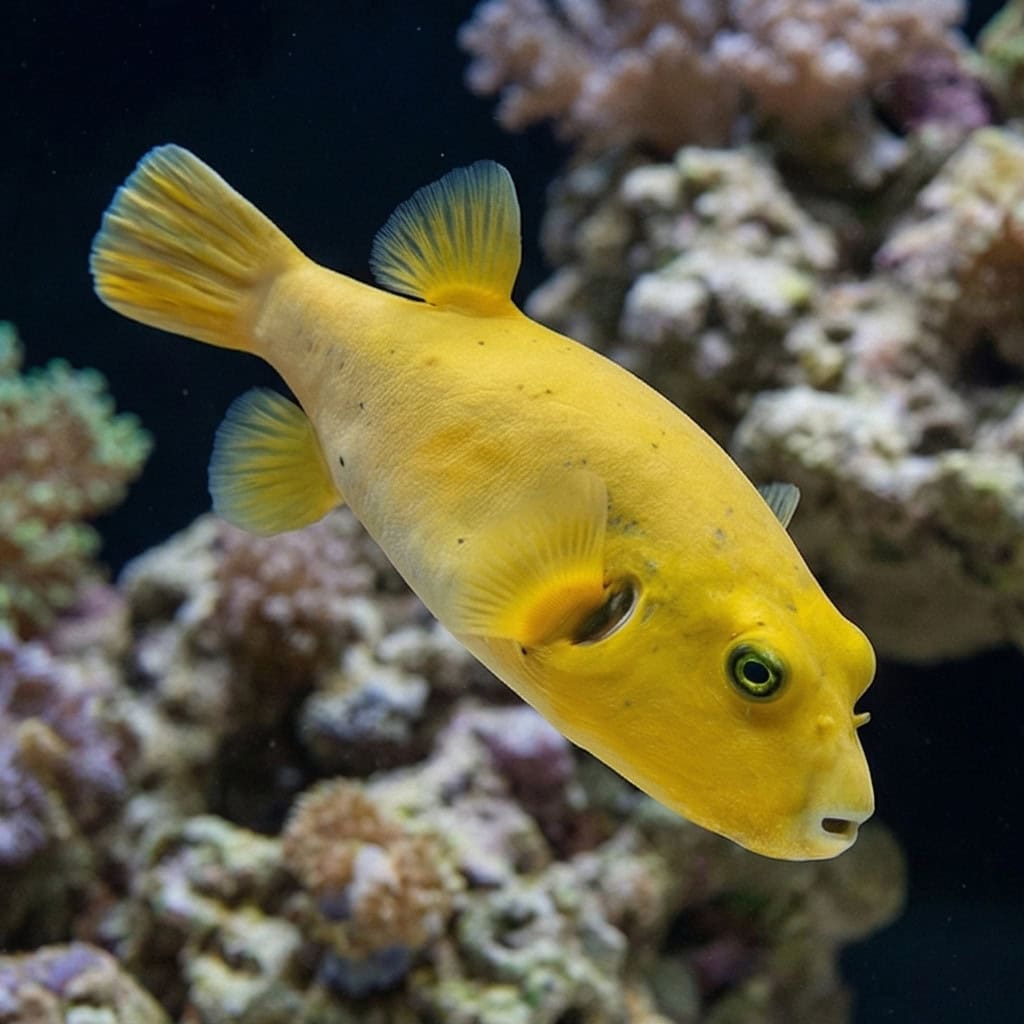
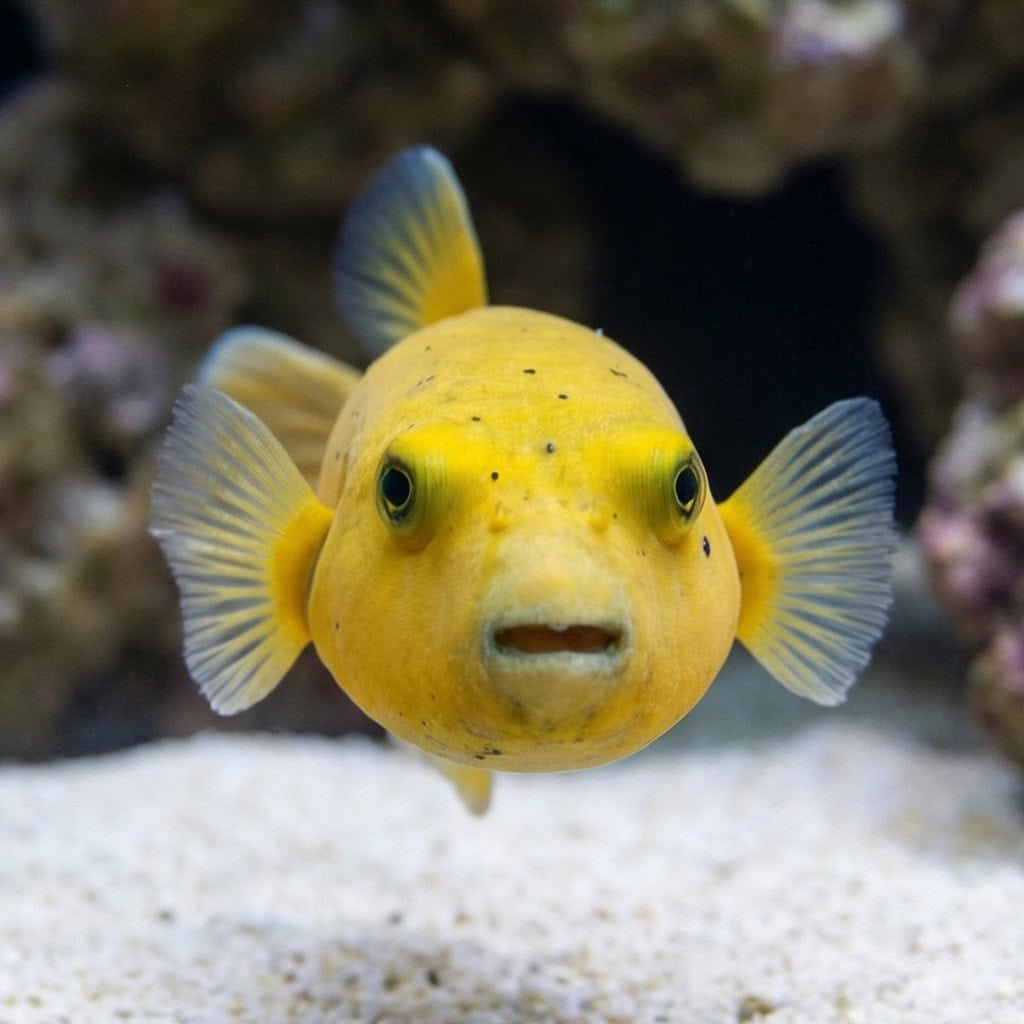
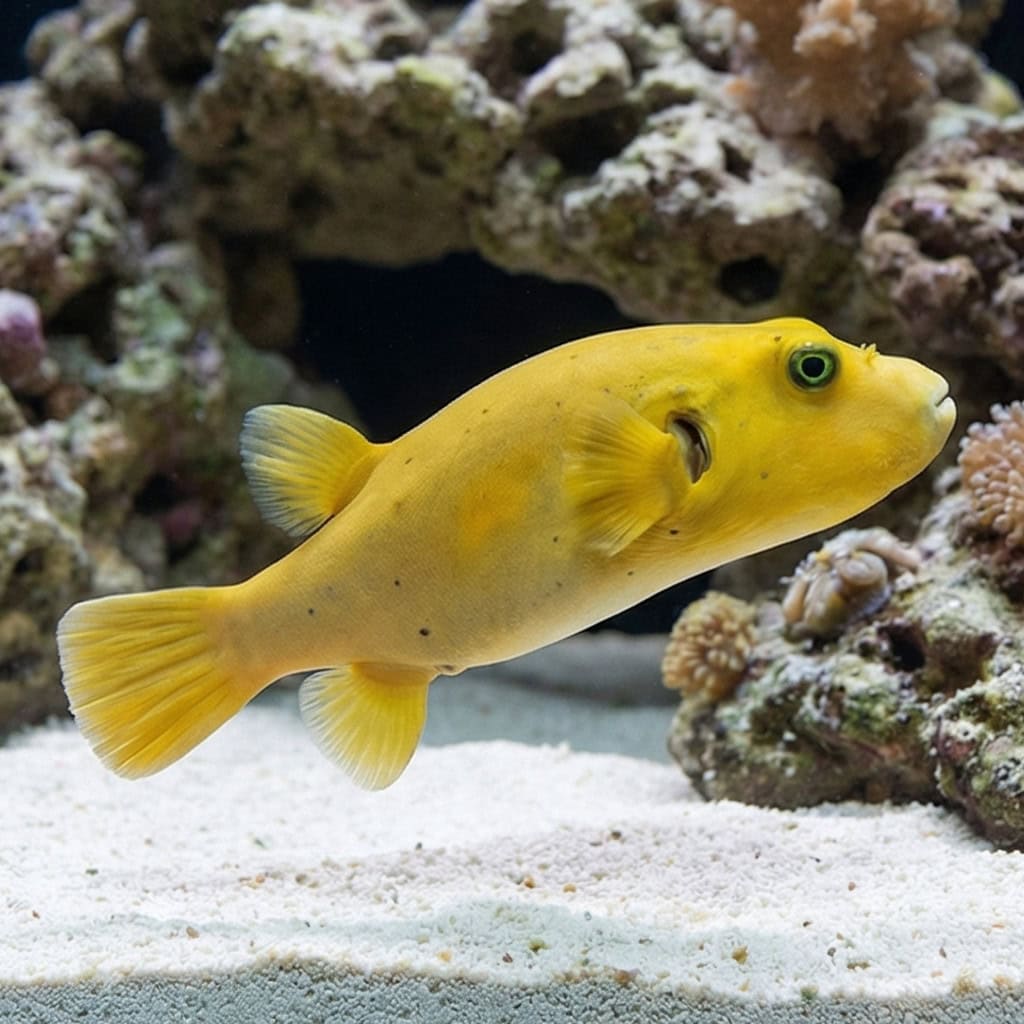
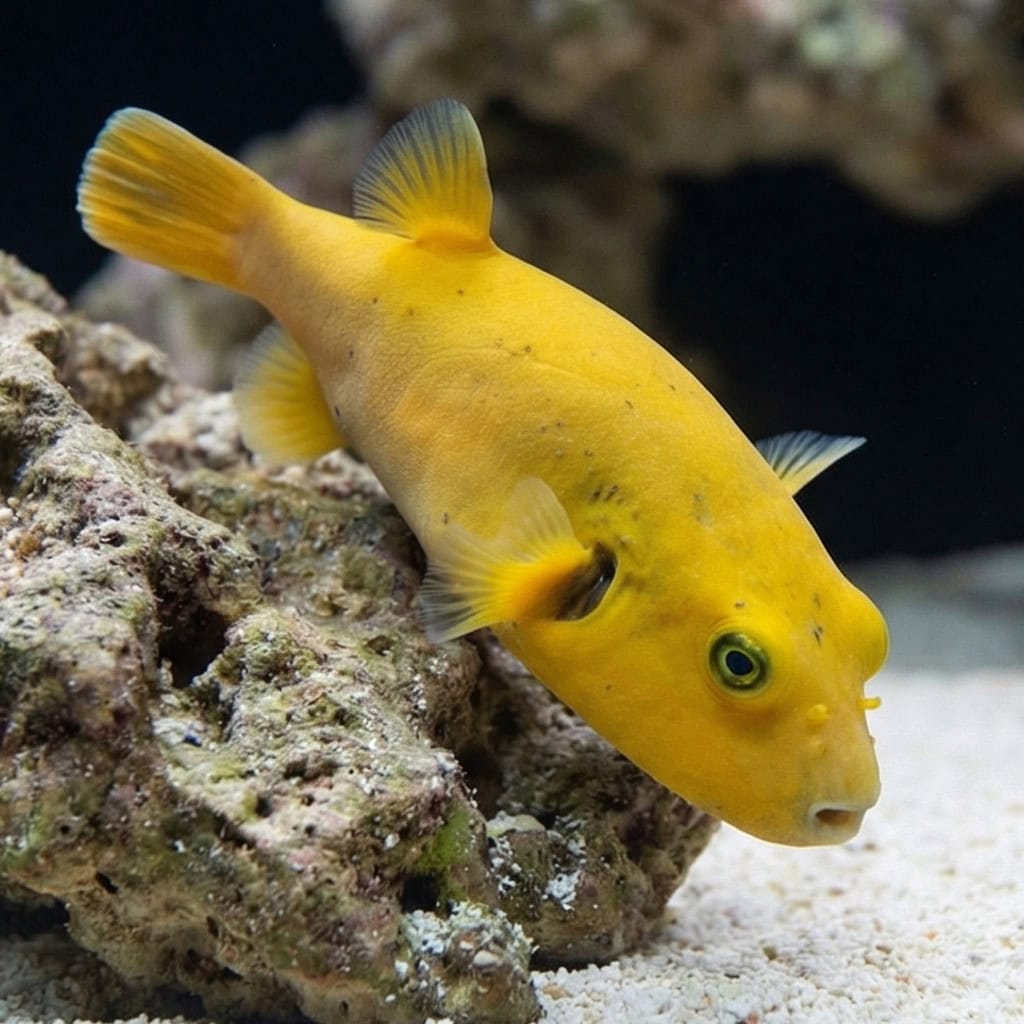
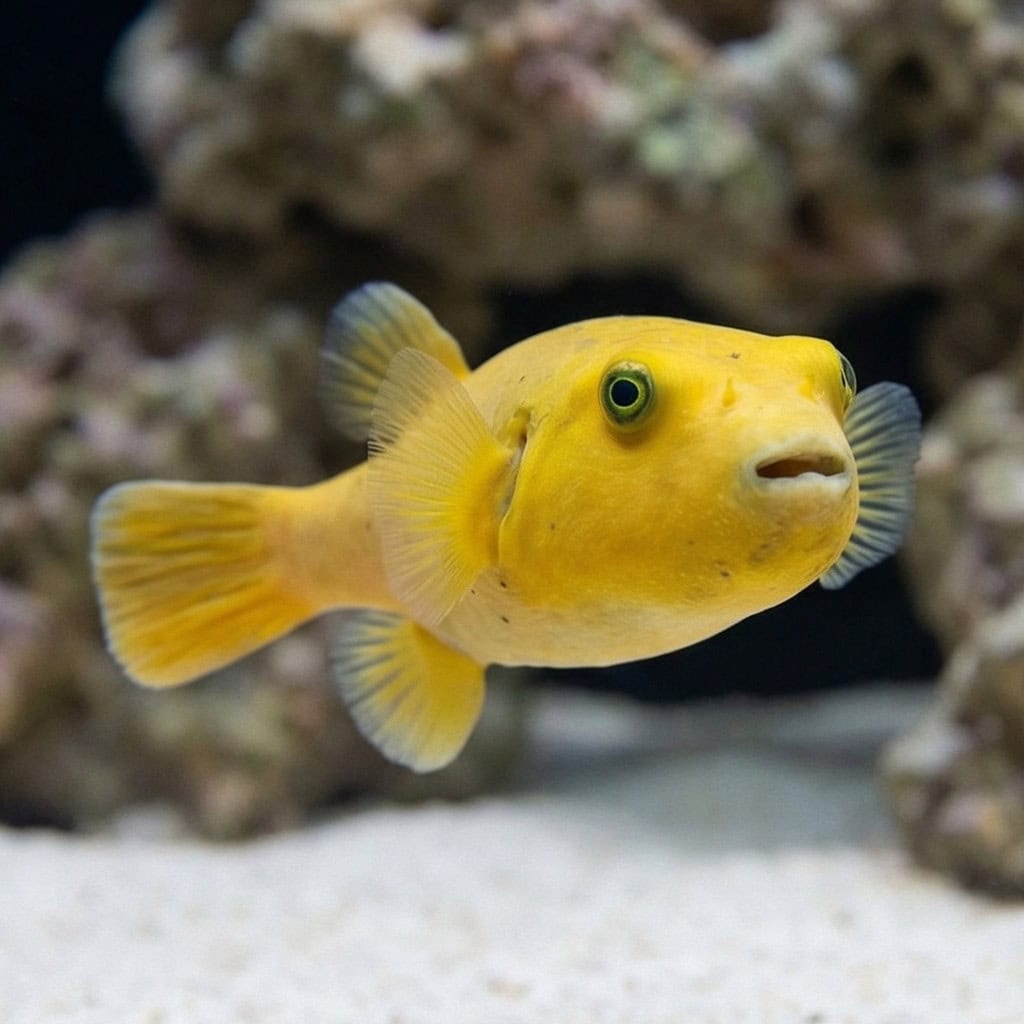
The Golden Puffer (Arothron meleagris), also called the Guineafowl Puffer, is a large Arothron pufferfish known for its yellow-and-black spotted pattern (this species is also seen in a dark, white-spotted form). It’s a reef-associated fish from tropical Indo-Pacific and Eastern Pacific regions that uses a strong, beak-like mouth to crush foods.
What You’ll Observe:
- Slow, controlled cruising using its pectoral fins, with frequent stops to inspect rockwork and tank surfaces
- Clear “recognition” of feeding routines, often meeting you at the glass when food is coming
- Regular use of caves and overhangs as a preferred resting and retreat area
- Persistent foraging behavior—testing surfaces and objects as it explores the aquarium
To succeed, provide a spacious fish-only-with-live-rock setup with sturdy aquascaping, open swimming lanes, and strong filtration. Offer a varied menu of meaty foods, including shell-on items, so the beak stays naturally worn. When moving the fish for acclimation or maintenance, use a container rather than a net for a smoother transfer.
Will this puffer stay bright yellow as it grows?
A. meleagris is known for multiple color forms; some stay dark-and-spotted while others show the golden form, and individuals can vary over time.
Is it normal for it to spend a lot of time under ledges at first?
Many keepers report an initial “stay-near-cover” period, followed by more open swimming as the fish learns the tank and feeding schedule.
Do I need to worry about beak/teeth overgrowth in captivity?
Owners commonly plan meals around harder, shell-on foods (like clam on the half shell) to support natural wear over time.
Can Golden/Guineafowl Puffers be kept with other puffers?
It’s sometimes done in large systems, but hobbyists often note that mixing similar-looking puffers can be more of a gamble than mixing very different species.
What’s the safest way to move a large puffer during acclimation?
A frequent tip is to transfer using a specimen container or rigid cup rather than a net to avoid a stressful, tangled move.
Shipped with pure oxygen and temperature control so it arrives stress-free and ready to eat.
Recently viewed products