
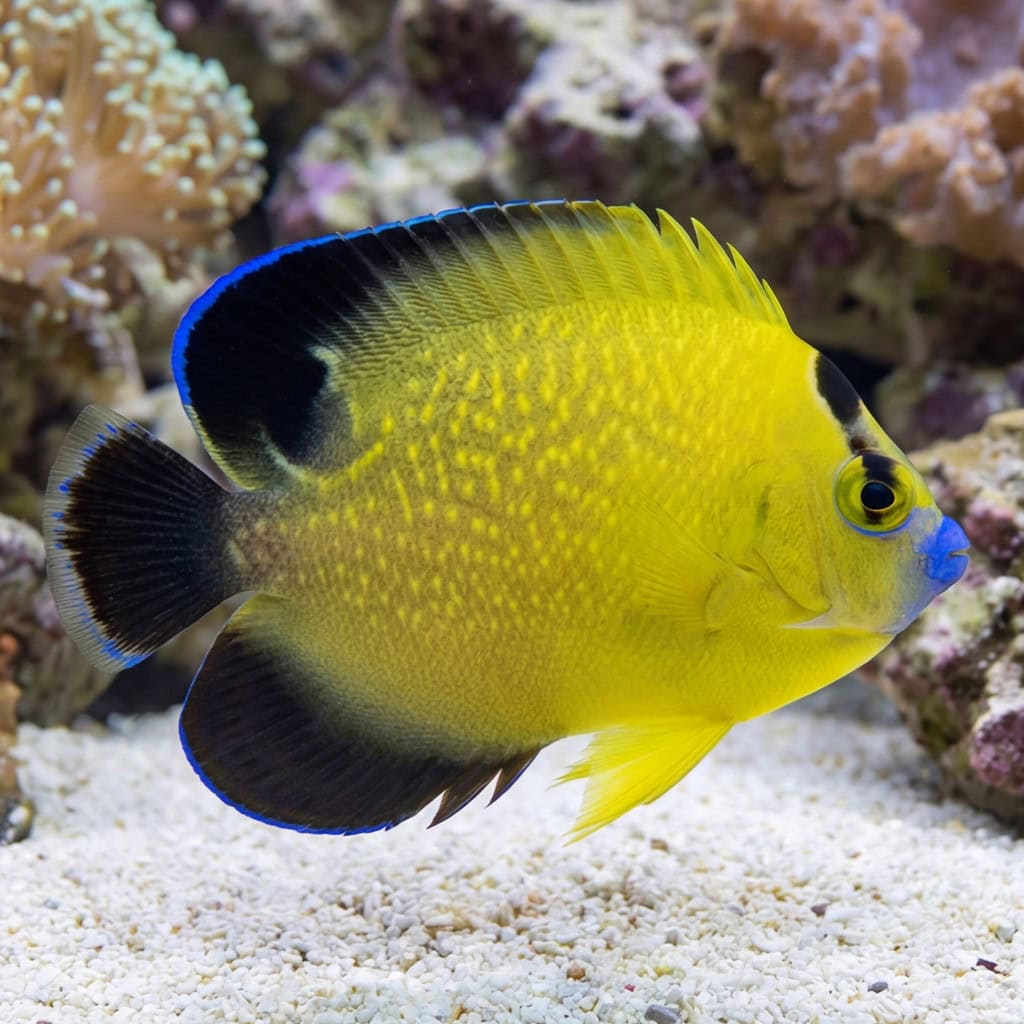
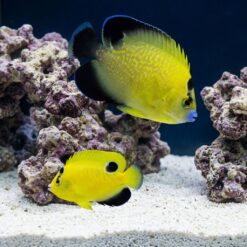
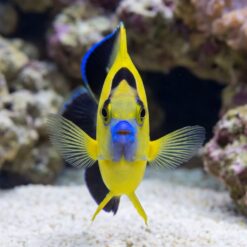
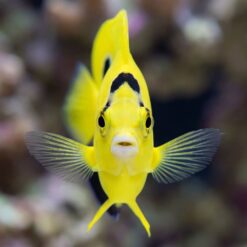
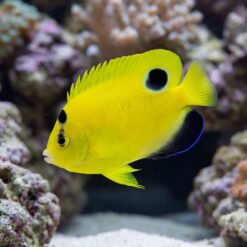
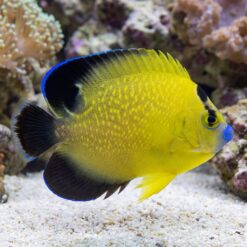
Goldflake Angelfish
Apolemichthys xanthopunctatus
| Stock | Variations | Price | Quantity |
|---|
Every order ships with our standard 3-hour live arrival guarantee. Need more time? Add our 5-Day Guarantee at checkout.
Full guarantee terms →Ships Monday – Thursday for next-day arrival at your nearest FedEx Hold location — typically ready by 9 AM. We monitor every delivery.
Shipping details →
Monday – Friday 8 AM – 9 PM
Saturday 12 PM – 4 PM
Sunday 12 PM – 9 PM
Healthy, stable animals from vetted suppliers — inspected before packing, shipped overnight. Decades of experience built this model so we can deliver premium livestock at 30%+ less than you'd pay elsewhere.
| Care Level | Moderate |
|---|---|
| Temperament | Semi-Aggressive |
| Reef Safe | With Caution |
| Functional Benefit | Ornamental Only |
| Diet Type | Omnivore |
| Mininum Tank Size | 120 gallons |
| Max Size | 10 inches |
| Temperature | 72–78°F |
| pH Range | 8.1–8.4 |
| Specific Gravity | 1.022–1.025 |
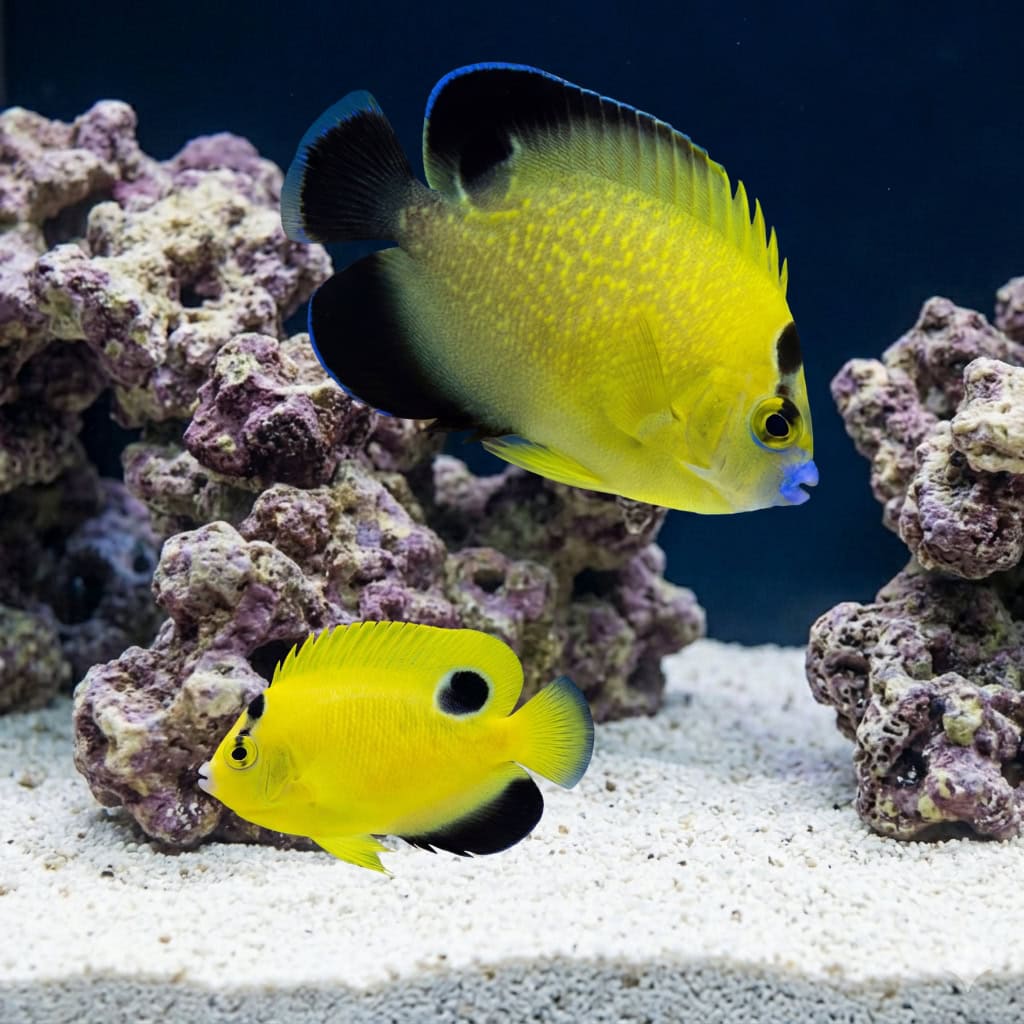
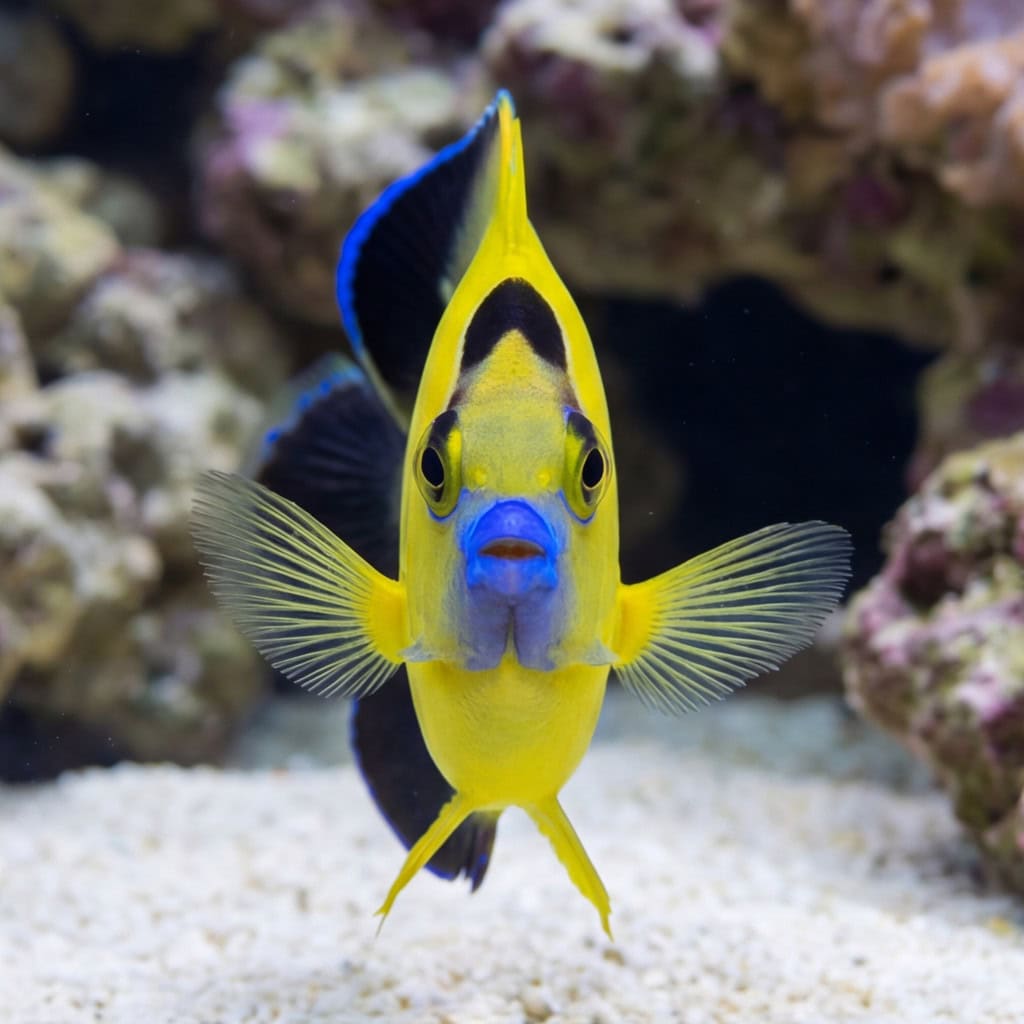
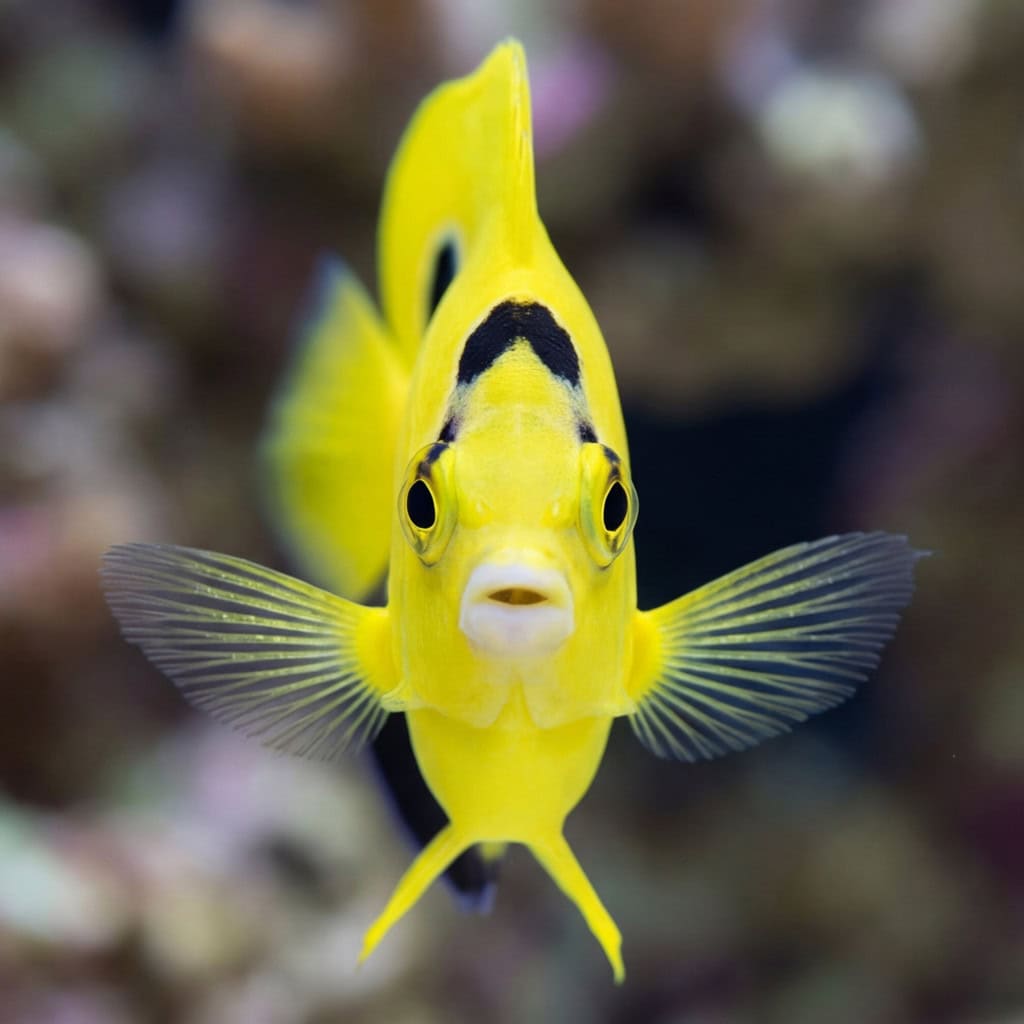
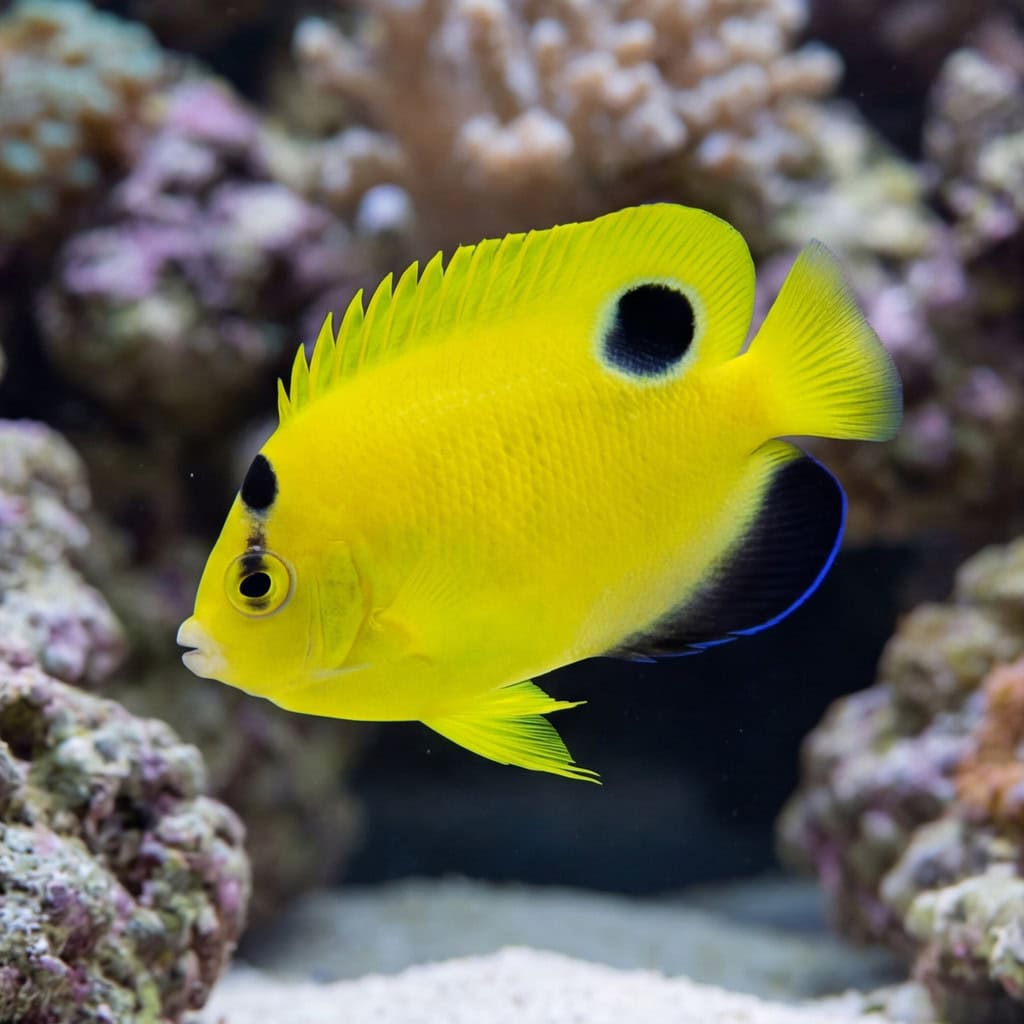
The Goldflake Angelfish (Apolemichthys xanthopunctatus) is a large angelfish with dense gold spotting across a darker body, paired with a distinctly blue facial area and dark fins edged in blue. It’s a Central Pacific species (Gilbert Islands to the Line Islands) often kept as a single, focal fish in larger reef aquariums.
What You’ll Observe:
- Regular cruising through open water with frequent “loop-backs” to inspect rockwork
- Repeated pecking at live rock and surfaces as it grazes throughout the day
- A pattern of claiming a favorite cave or overhang and returning to it between laps
- More assertive “presence” once it’s settled in and recognizes the feeding routine
How to succeed: Provide plenty of live rock and multiple caves so it can graze and move in and out of cover naturally. Offer a varied menu (including angelfish preparations, marine algae, and meaty frozen foods) in consistent, small feedings to keep it active and engaged. For the smoothest social dynamics, introduce it after more passive fish so everyone settles in with clear space and routines.
Do Goldflake Angelfish usually go after zoas, LPS, or clam mantles?
Keepers most often discuss “testing” behavior on fleshy or easy-to-reach polyps; many tanks stay stable long-term, but it’s smart to watch closely during the first few weeks.
What’s the most reliable way to get one eating prepared foods quickly?
Many hobbyists report better results by offering multiple food types on day one (frozen, pellets, and algae sheets) so it can “choose” a preferred texture, then widening the diet gradually.
Is it normal for a new Goldflake to disappear into the rockwork at first?
Yes—owners frequently describe an initial “hide and cruise” routine that shifts into longer open-water laps once it learns the room, the light cycle, and the feeding schedule.
Does the spotting/pattern change as it grows?
People commonly note that the overall look stays consistent, but the contrast and spot definition can look different as the fish thickens up and matures.
Any practical tricks for managing it if you ever need to remove it later?
A recurring tip is using a fish trap during a predictable feeding window, since netting around dense rockwork tends to be a slow, patience-based process.
Each fish is checked for strong appetite and activity before we approve it for your tank.
Only logged in customers who have purchased this product may leave a review.
Recently viewed products
Reviews
There are no reviews yet.