
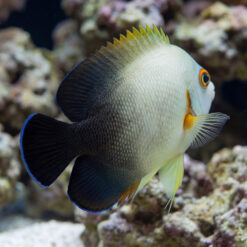
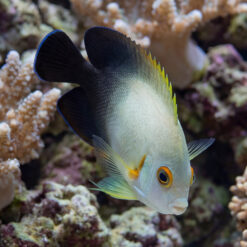
Half Black Angelfish
Centropyge vroliki
Original price was: $108.99.$56.99Current price is: $56.99.
| Stock | Variations | Price | Quantity | |
|---|---|---|---|---|
| Only 5 left | 2 - 3" - Indo-Pacific | Original price was: $108.99.$56.99Current price is: $56.99. |
-
+
|
|
| Out of Stock | 2" or smaller - Indo-Pacific | Original price was: $88.99.$46.99Current price is: $46.99. | Email me |
Every order ships with our standard 3-hour live arrival guarantee. Need more time? Add our 5-Day Guarantee at checkout.
Full guarantee terms →Ships Monday – Thursday for next-day arrival at your nearest FedEx Hold location — typically ready by 9 AM. We monitor every delivery.
Shipping details →
Monday – Friday 8 AM – 9 PM
Saturday 12 PM – 4 PM
Sunday 12 PM – 9 PM
Healthy, stable animals from vetted suppliers — inspected before packing, shipped overnight. Decades of experience built this model so we can deliver premium livestock at 30%+ less than you'd pay elsewhere.
| Care Level | Moderate |
|---|---|
| Temperament | Semi-Aggressive |
| Reef Safe | With Caution |
| Functional Benefit | Algae Control |
| Diet Type | Omnivore |
| Mininum Tank Size | 55 gallons |
| Max Size | 5 inches |
| Temperature | 72–78°F |
| pH Range | 8.1–8.4 |
| Specific Gravity | 1.022–1.025 |
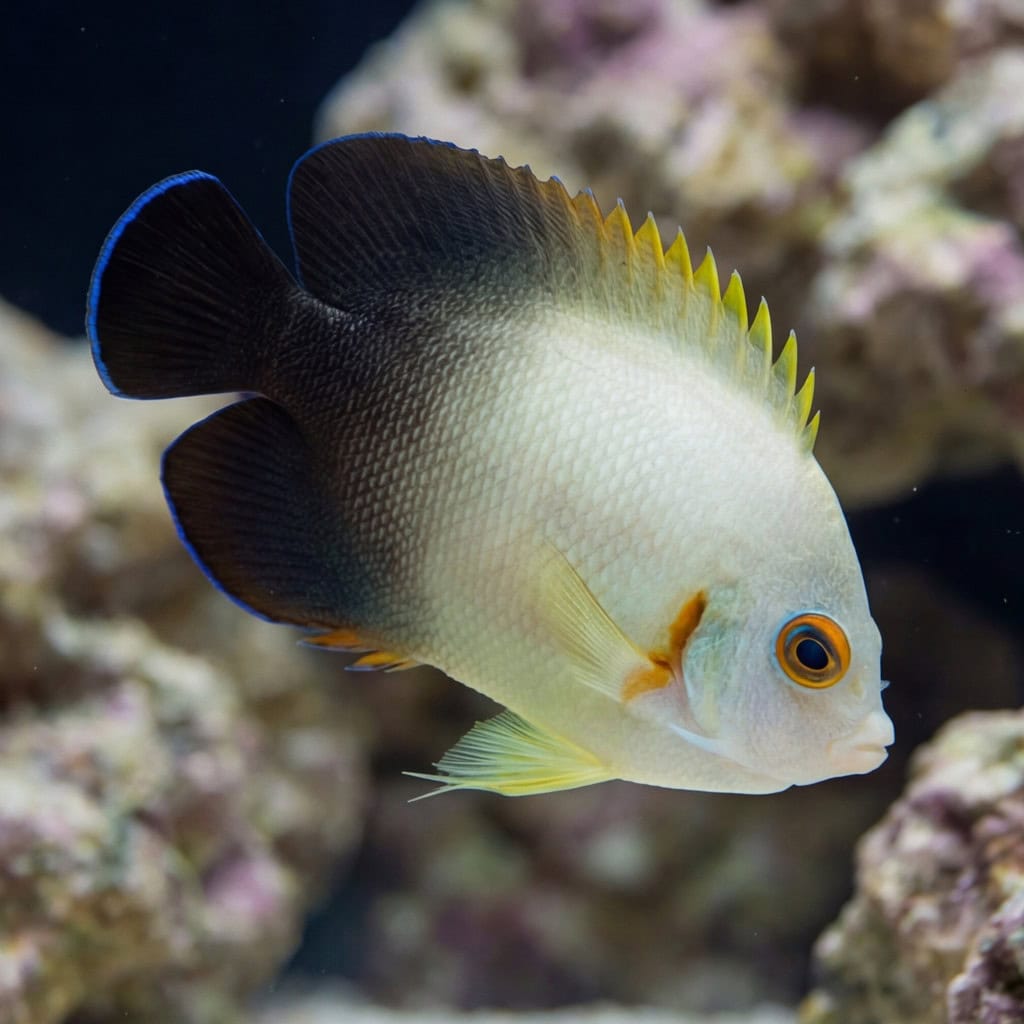
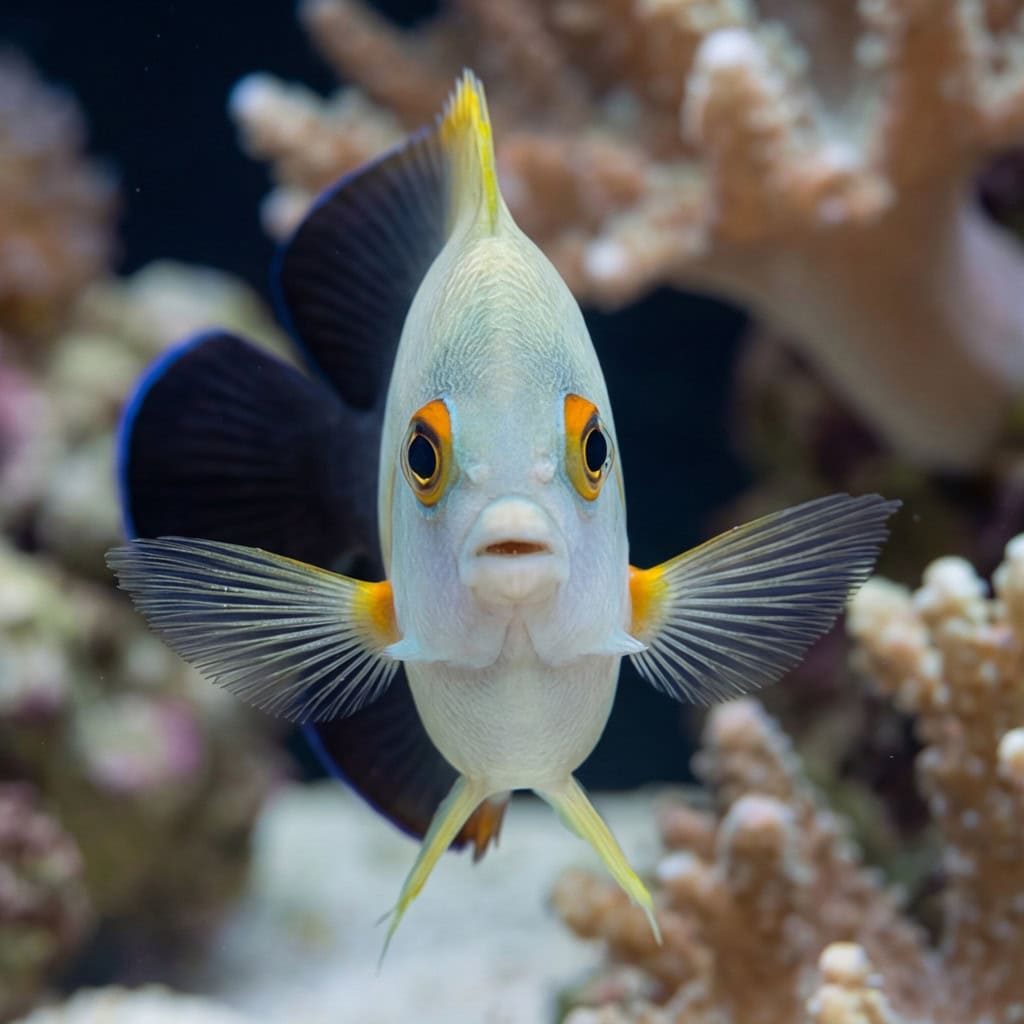
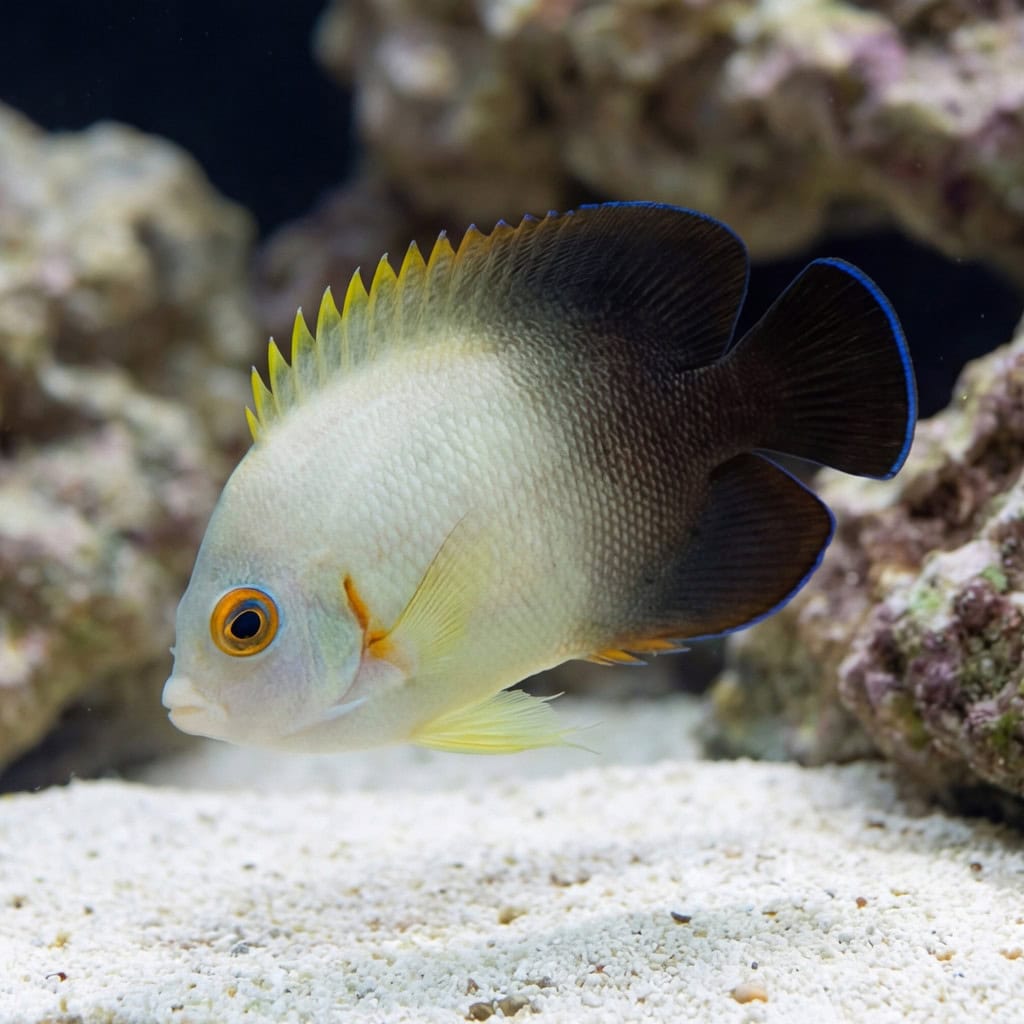
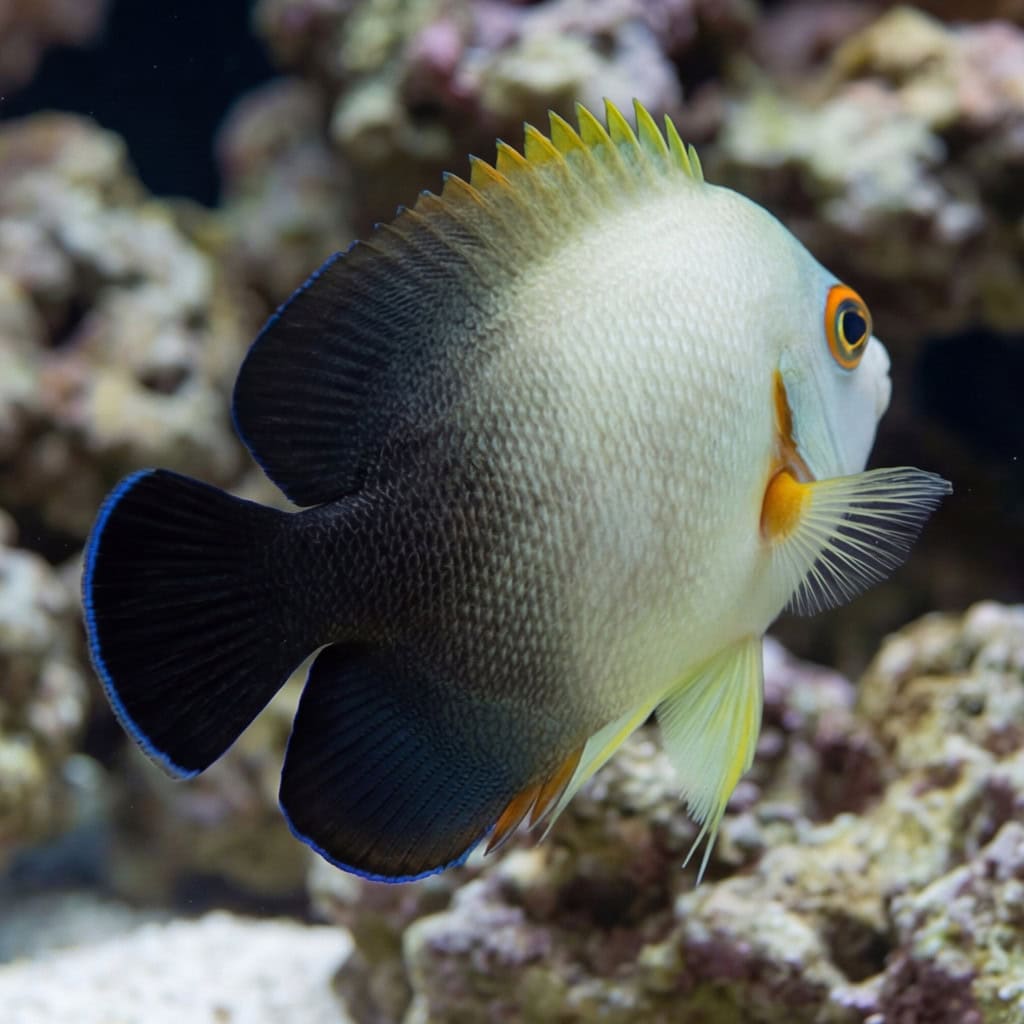
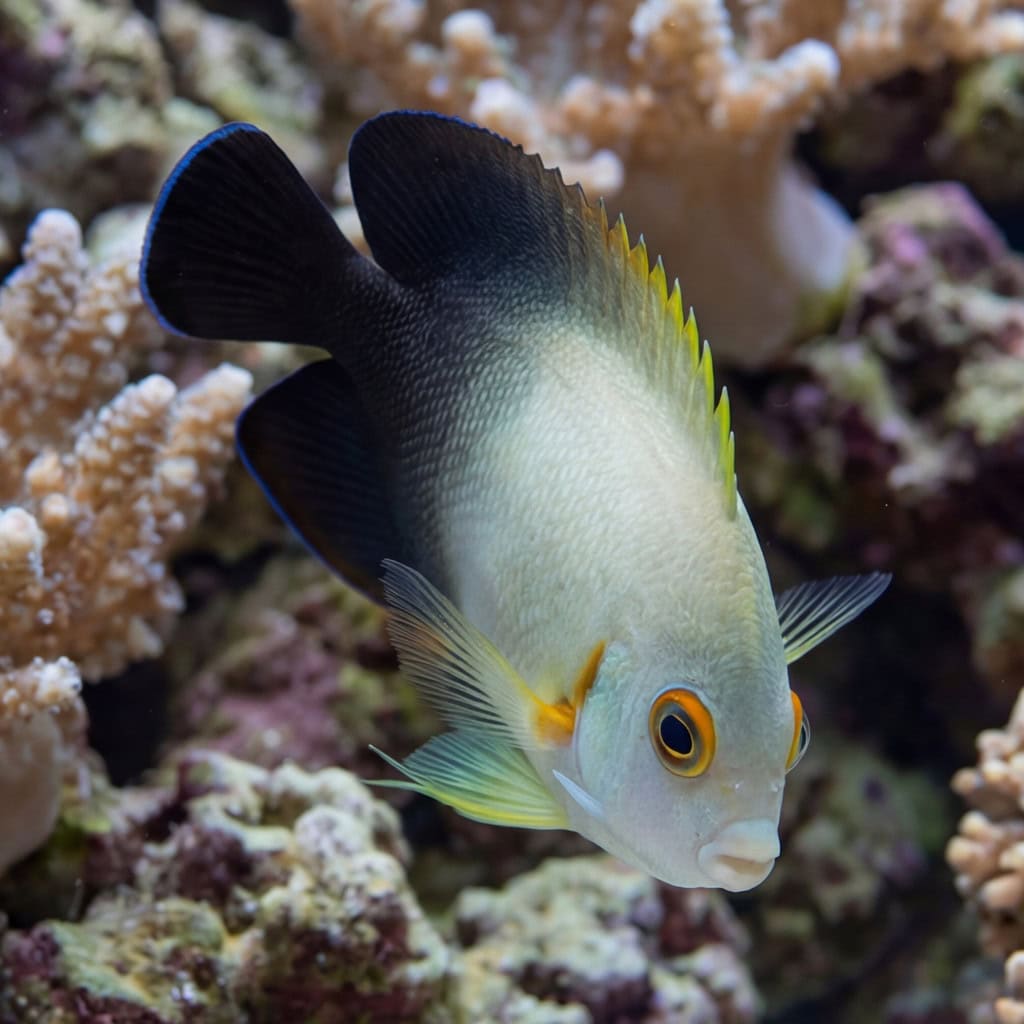
The Half Black Angelfish (Centropyge vrolikii) is a dwarf angelfish that spends much of the day grazing film algae and picking at rock surfaces. It shows a pearly, light body that darkens toward the back half, with orange accents near the gill area and blue edging on the fins.
What You’ll Observe:
- Short patrol loops through rockwork, then quick returns to a favorite cave
- Frequent “pecking” at live rock as it searches for natural growth to graze
- A regular route that becomes more consistent after the first week
- Noticeable color contrast when it turns side-on under reef lighting
Provide mature live rock with multiple caves and overhangs so it can graze and reset between laps. Offer a varied menu of marine algae plus quality angelfish foods (including sponge-based options) in smaller, repeat feedings for steady conditioning. With a stable routine, it settles into a consistent daily pattern and stays active in the open.
How long until it starts cruising the whole tank instead of staying in one corner?
Many keepers notice it expands its “loop” day by day, starting close to rockwork and then making longer passes once it learns the tank’s safe routes.
Why does it keep pecking at rocks (and sometimes the glass) even right after feeding?
That grazing is a normal foraging behavior’it’s searching for film algae and tiny growth on surfaces, not “hunting” for a single large meal.
What foods do hobbyists say get the best response in the first few days?
Common wins are frozen mysis/brine, prepared angelfish blends that include sponge, and nori offered in a clip’then pellets usually come after it recognizes feeding time.
Can I keep more than one dwarf angelfish in the same system?
Some reefers have success when fish are introduced together and given lots of separate caves; an acclimation box is often used to help everyone learn boundaries first.
If it starts paying extra attention to fleshy corals, what do people try before making big changes?
A frequent first step is adding more structured grazing options (nori/rocks with natural film) and splitting feedings into smaller, more frequent portions so it stays focused on foraging.
Each fish is checked for strong appetite and activity before we approve it for your tank.
Recently viewed products