
Harlequin Tusk
Choerodon fasciatus
Price range: $123.99 through $558.99
| Stock | Variations | Price | Quantity | |
|---|---|---|---|---|
| Out of Stock | 4.5 - 5.5" - Indo-Pacific | Original price was: $354.99.$186.99Current price is: $186.99. | Email me | |
| Out of Stock | 2.75 - 3.75" - Indo-Pacific | Original price was: $310.99.$162.99Current price is: $162.99. | Email me | |
| Only 6 left | 4.5 - 5.5" - Australia | Original price was: $1,027.99.$539.99Current price is: $539.99. |
-
+
|
|
| In Stock | 2.25 - 3.5" - Juvenile - Indo-Pacific | Original price was: $256.99.$134.99Current price is: $134.99. |
-
+
|
|
| In Stock | 2.25" or smaller - Juvenile - Indo-Pacific | Original price was: $234.99.$123.99Current price is: $123.99. |
-
+
|
|
| Only 9 left | 5.5 -7" - Australia | Original price was: $1,063.99.$558.99Current price is: $558.99. |
-
+
|
|
| Out of Stock | 5.5 -7" - Indo-Pacific | Original price was: $398.99.$209.99Current price is: $209.99. | Email me |
Every order ships with our standard 3-hour live arrival guarantee. Need more time? Add our 5-Day Guarantee at checkout.
Full guarantee terms →Ships Monday – Thursday for next-day arrival at your nearest FedEx Hold location — typically ready by 9 AM. We monitor every delivery.
Shipping details →
Monday – Friday 8 AM – 9 PM
Saturday 12 PM – 4 PM
Sunday 12 PM – 9 PM
Healthy, stable animals from vetted suppliers — inspected before packing, shipped overnight. Decades of experience built this model so we can deliver premium livestock at 30%+ less than you'd pay elsewhere.
| Care Level | Moderate |
|---|---|
| Temperament | Semi-Aggressive |
| Reef Safe | With Caution |
| Functional Benefit | Ornamental Only |
| Diet Type | Carnivore |
| Mininum Tank Size | 120 gallons |
| Max Size | 10 inches |
| Temperature | 72–78°F |
| pH Range | 8.1–8.4 |
| Specific Gravity | 1.022–1.025 |
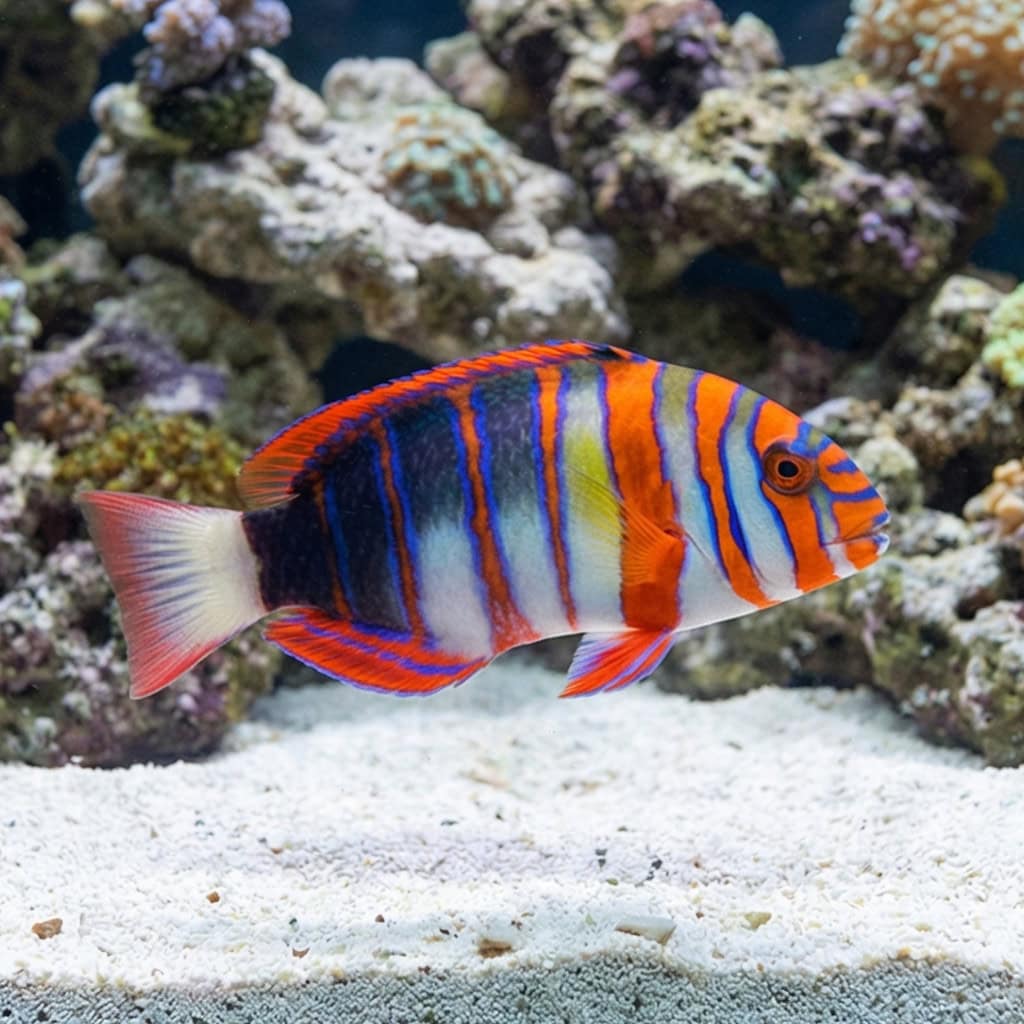
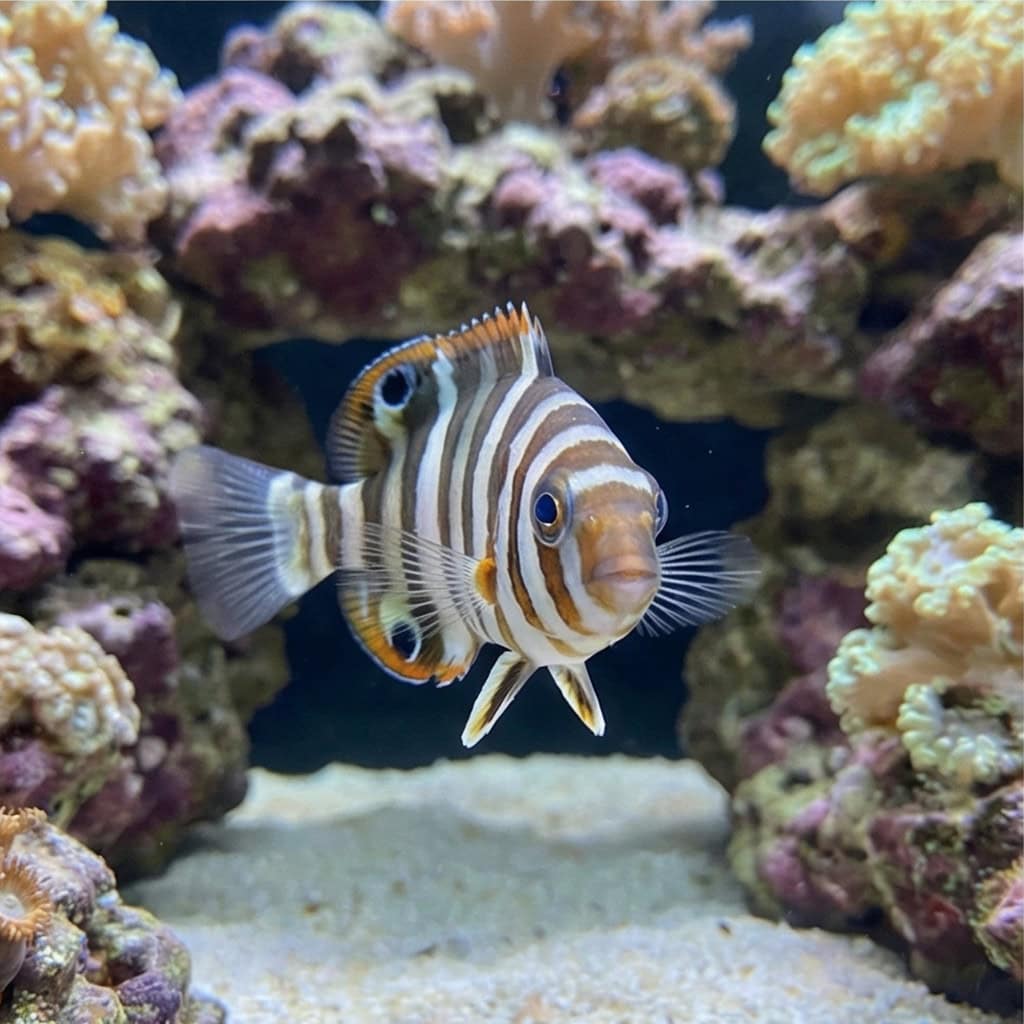
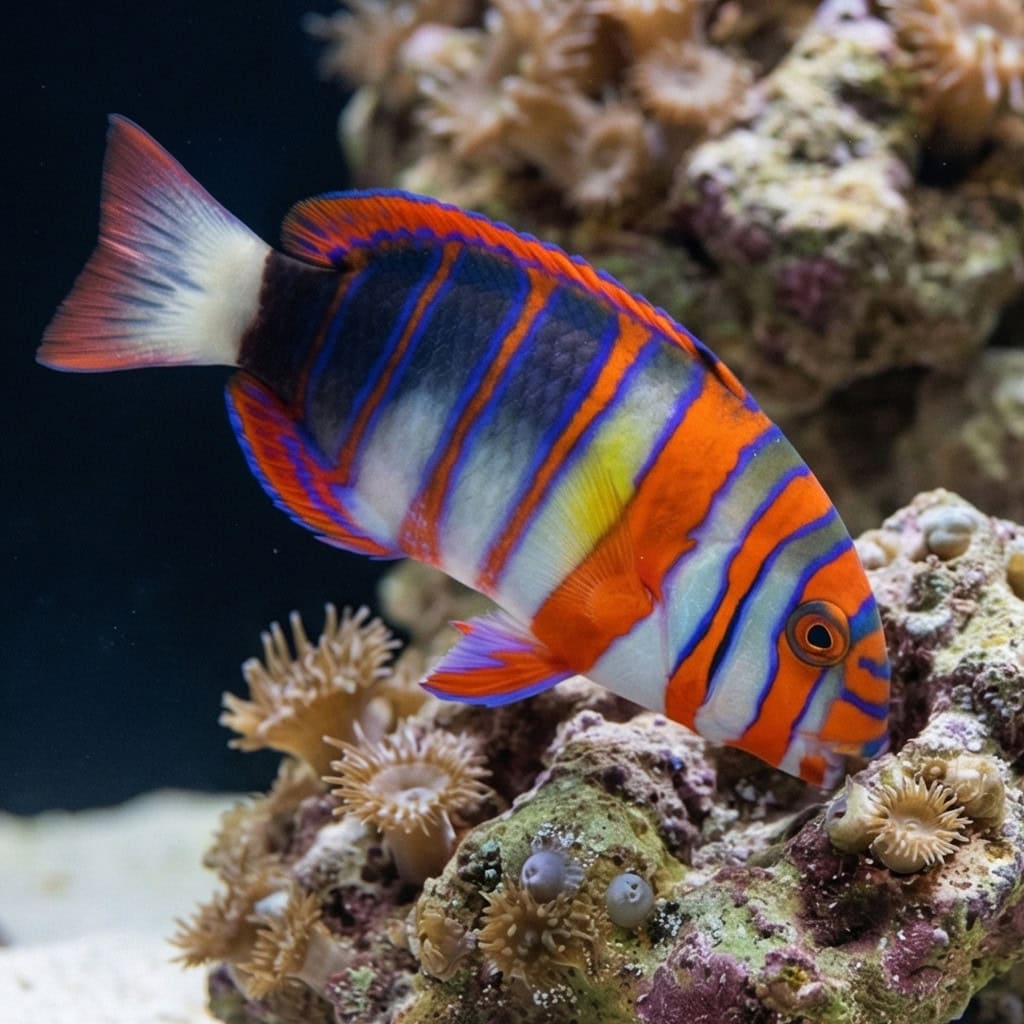
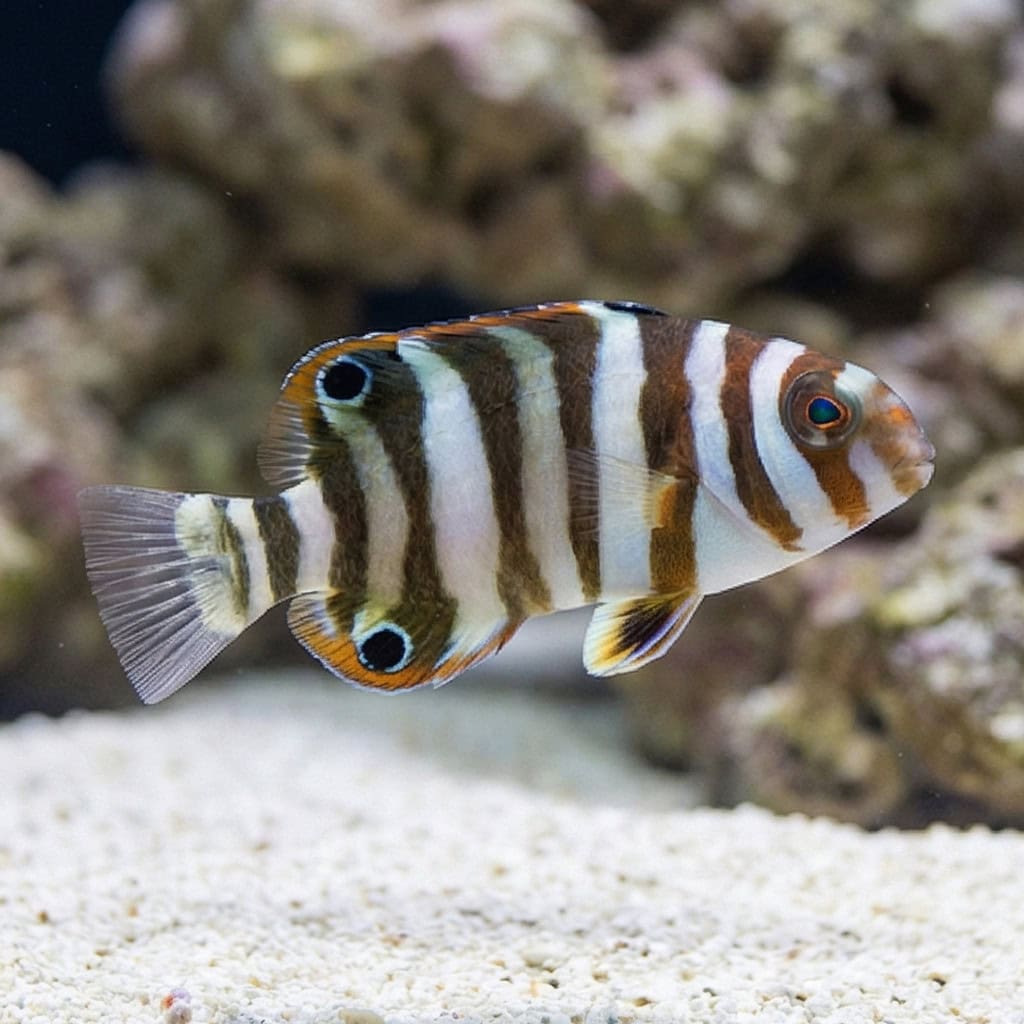
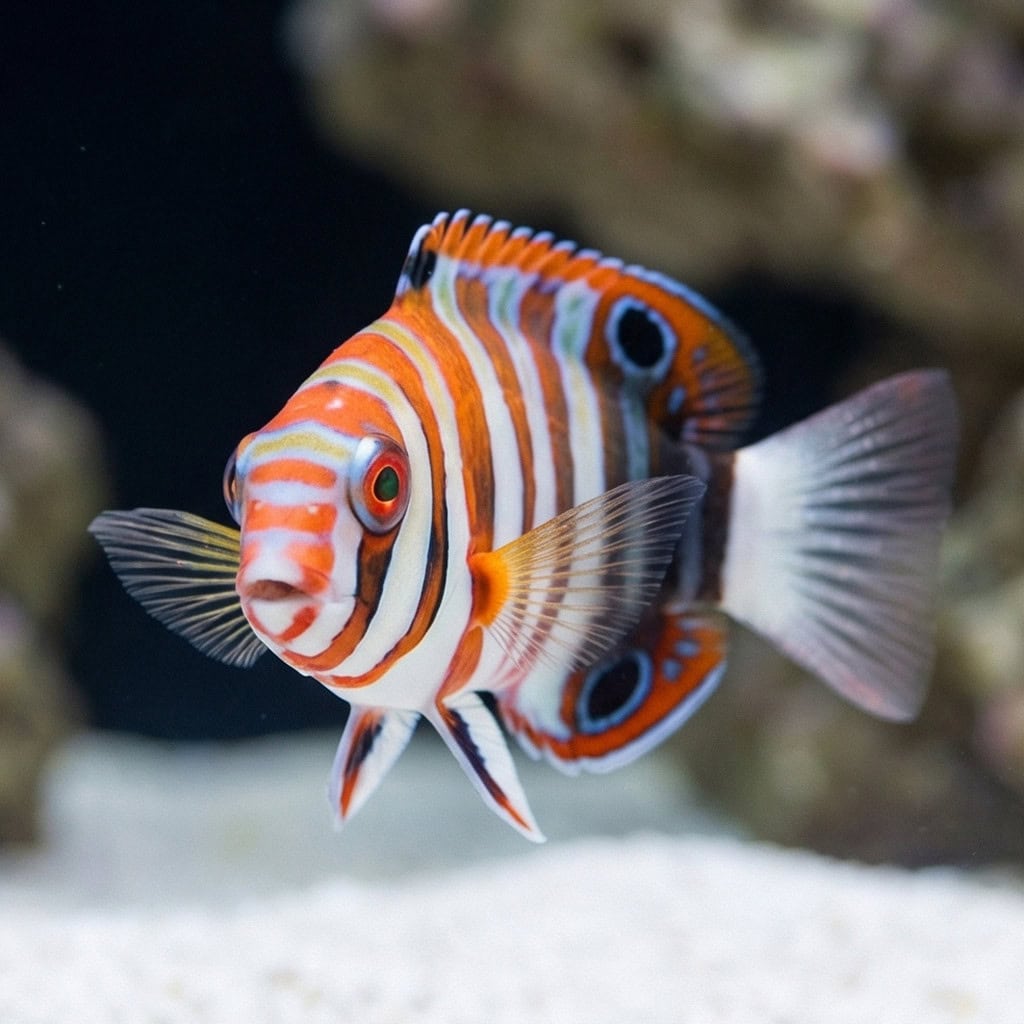
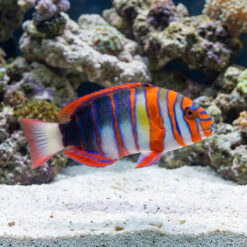
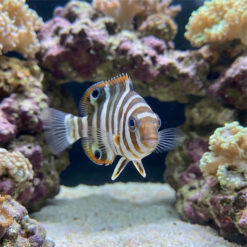
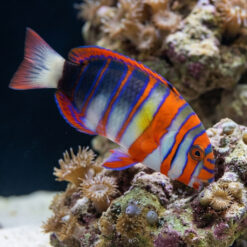
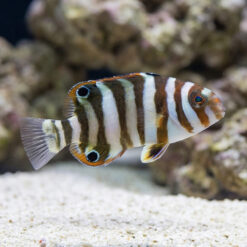
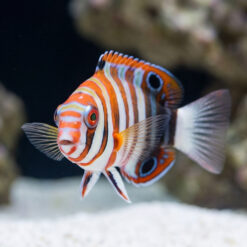
The Harlequin Tusk (Choerodon fasciatus) is a robust tuskfish/wrasse known for orange-and-white vertical banding, blue accents along the fins, and prominent blue “tusks” at the front of the mouth. It’s a reef-associated Western Pacific species that tends to stay visible and engaged once settled into a routine.
What You’ll Observe:
- Steady cruising along the rockwork, with frequent “inspection laps” across the full tank length
- Quick, decisive feeding responses—often meeting you at the glass at meal time
- Foraging behavior where it picks through crevices and investigates shells and rubble like it would on a reef
- Confident, space-aware interactions with other medium-to-large fish in a community setup
Provide a mature aquarium with stable rockwork arranged into caves/overhangs plus open lanes for cruising. Offer a variety of marine meaty foods (e.g., chopped shrimp, clam, squid, quality frozen blends) and use smaller portions more than once per day to keep feeding consistent. In mixed reefs, it fits best when ornamental shrimp and small crabs aren’t a priority.
Will a Harlequin Tusk bother corals if it’s in a reef tank?
Most keepers report it leaves corals alone, but it commonly treats shrimp and small crabs as food and may reduce clean-up-crew numbers over time.
Is it normal for a new tusk to “park” in one area and use the same cave a lot at first?
Yes—many settle in by choosing one refuge spot, then expand their patrol area as feeding and lighting routines become predictable.
Can a Harlequin Tusk learn to eat pellets, or will it only take frozen/seafood?
Many transition to pellets after they’re reliably taking frozen; mixing pellets into meaty foods and feeding at the same spot/time helps build the habit.
Do they rearrange sand or knock things over when they forage?
They often investigate the substrate and rubble while hunting for food, so keeping frags and small decor secured makes day-to-day tank maintenance simpler.
Are “Aussie” Harlequin Tusks meaningfully different from other collection regions?
Hobbyists commonly describe Australian specimens as showing stronger blue edging and more saturated patterning, with individual variation still playing a big role.
Each fish is checked for strong appetite and activity before we approve it for your tank.
Recently viewed products