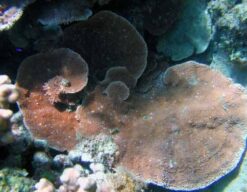
 Montipora Coral: Green Plating - Aquacultured, Size 2.75 - 3.75 inches
 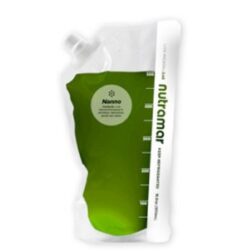 Nutramar Live Phytoplankton: Nanno - 16.9oz/500 ml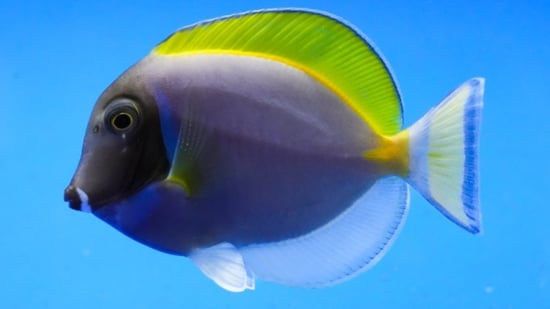
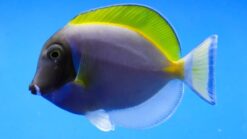
Hybrid Powder Blue X White Cheek Tang
Acanthurus leucosternon x nigricans
Price range: $232.99 through $302.99
| Stock | Variations | Price | Quantity | |
|---|---|---|---|---|
| Only 3 left | 4.5 - 5.5" - Indo-Pacific | Original price was: $575.99.$302.99Current price is: $302.99. |
-
+
|
|
| Only 3 left | 3.75 - 4.5" - Indo-Pacific | Original price was: $443.99.$232.99Current price is: $232.99. |
-
+
|
Every order ships with our standard 3-hour live arrival guarantee. Need more time? Add our 5-Day Guarantee at checkout.
Full guarantee terms →Ships Monday – Thursday for next-day arrival at your nearest FedEx Hold location — typically ready by 9 AM. We monitor every delivery.
Shipping details →
Monday – Friday 8 AM – 9 PM
Saturday 12 PM – 4 PM
Sunday 12 PM – 9 PM
Healthy, stable animals from vetted suppliers — inspected before packing, shipped overnight. Decades of experience built this model so we can deliver premium livestock at 30%+ less than you'd pay elsewhere.
| Care Level | Moderate |
|---|---|
| Temperament | Semi-Aggressive |
| Reef Safe | Yes |
| Functional Benefit | Algae Control |
| Diet Type | Herbivore |
| Mininum Tank Size | 120 gallons |
| Max Size | 10 inches |
| Temperature | 72–78°F |
| pH Range | 8.1–8.4 |
| Specific Gravity | 1.022–1.025 |
The Hybrid Powder Blue X White Cheek Tang (Acanthurus leucosternon x nigricans) blends hallmark traits of both parent fish: a powder-blue body tone, darker facial mask, bright white chest area, and yellow accents along the dorsal and tail region. Like other Acanthurus tangs, it functions as an active algae grazer that stays in motion and brings constant “patrol” behavior to large reef displays.
What You’ll Observe:
- Long, continuous laps through open swimming lanes, with quick turns around rockwork corners
- Frequent “taste-testing” of rock surfaces between feedings, especially along high-light areas
- A consistent daily rhythm: active cruising under full lighting and settling into a preferred rock nook at night
- Short bursts of fin-flaring and side-posturing during new introductions, followed by steadier day-to-day routines
- Strong food awareness—often meeting you at the glass when it recognizes the feeding schedule
To succeed long-term, provide a mature reef with generous rockwork for grazing plus open runway space for sustained swimming. Offer marine-based algae (nori/seaweed on a clip) alongside a varied herbivore diet so it can graze and then “top off” at feeding time. When keeping with other tangs, introductions tend to go best when new fish are added with clear space and multiple feeding stations.
Will this tang fight its reflection when first added?
Some individuals spend a few days posturing at their reflection, especially under bright lighting; this usually fades as it learns the tank’s boundaries and routine.
How long does it take to recognize a nori clip as food?
Many tangs investigate it gradually; placing the clip near rockwork (not in the most exposed spot) often helps it switch from “object” to “food.”
Does the hybrid keep the same pattern as it grows?
Most develop a stable blended look, but the balance of blue, cheek markings, and yellow edging can shift slightly with growth and lighting.
What’s the smoothest way to add this fish to a tank that already has tangs?
Rearranging a small section of rockwork and offering nori in more than one location can reduce “ownership” behavior and spread attention during the first week.
Is it normal for it to wedge into rocks to rest?
Yes—many tangs pick a specific crevice or ledge to “lock in” at night, then resume cruising soon after the lights ramp up.
Each fish is checked for strong appetite and activity before we approve it for your tank.
Recently viewed products