Indian Vagabond Butterfly
Chaetodon decussatus
Original price was: $127.99.$66.99Current price is: $66.99.
| Stock | Variations | Price | Quantity | |
|---|---|---|---|---|
| Only 6 left | 2.25" or smaller - Indian Ocean | Original price was: $127.99.$66.99Current price is: $66.99. |
-
+
|
|
| Out of Stock | 2.25 - 3.5" - Indian Ocean | Original price was: $142.99.$74.99Current price is: $74.99. | Email me |
Every order ships with our standard 3-hour live arrival guarantee. Need more time? Add our 5-Day Guarantee at checkout.
Full guarantee terms →Ships Monday – Thursday for next-day arrival at your nearest FedEx Hold location — typically ready by 9 AM. We monitor every delivery.
Shipping details →
Monday – Friday 8 AM – 9 PM
Saturday 12 PM – 4 PM
Sunday 12 PM – 9 PM
Healthy, stable animals from vetted suppliers — inspected before packing, shipped overnight. Decades of experience built this model so we can deliver premium livestock at 30%+ less than you'd pay elsewhere.
| Care Level | Moderate |
|---|---|
| Temperament | Peaceful |
| Reef Safe | No |
| Functional Benefit | Ornamental Only |
| Diet Type | Omnivore |
| Mininum Tank Size | 120 gallons |
| Max Size | 8 inches |
| Temperature | 72–78°F |
| pH Range | 8.1–8.4 |
| Specific Gravity | 1.022–1.025 |
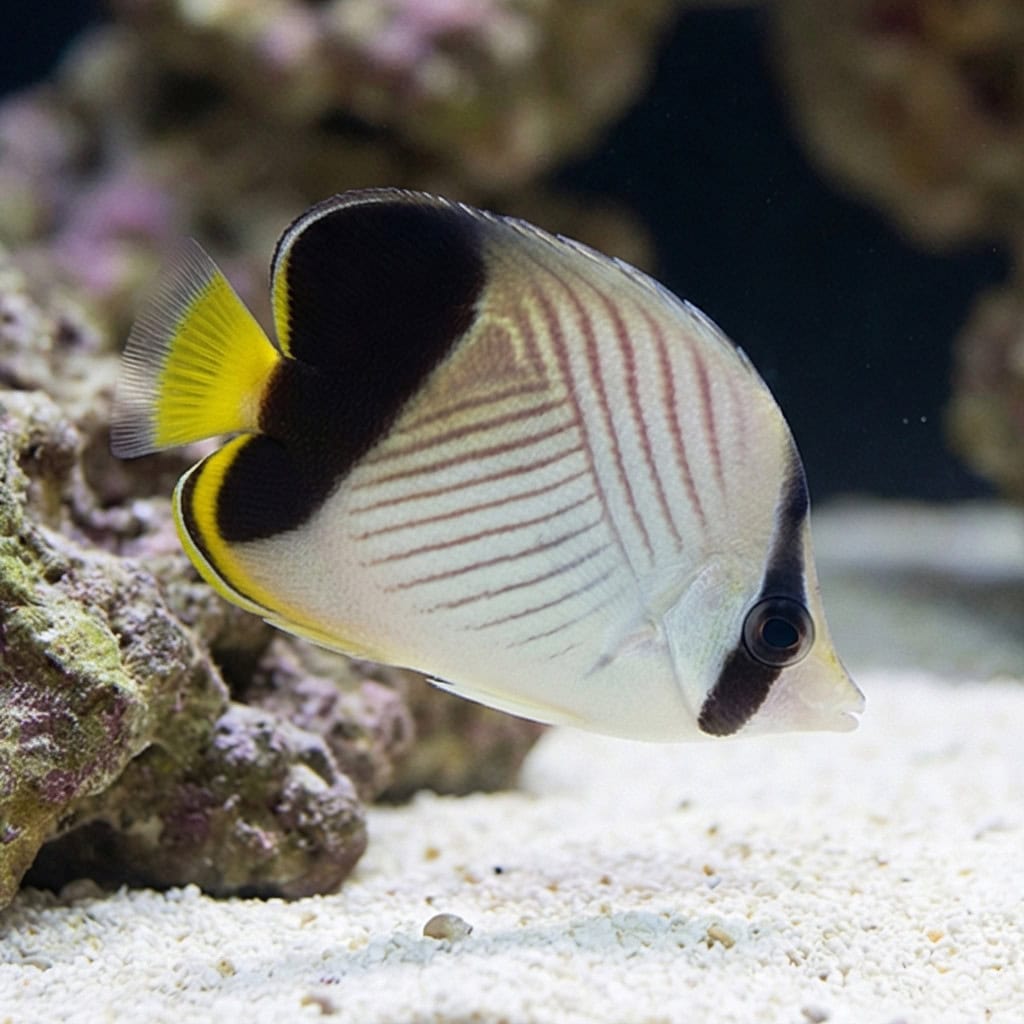
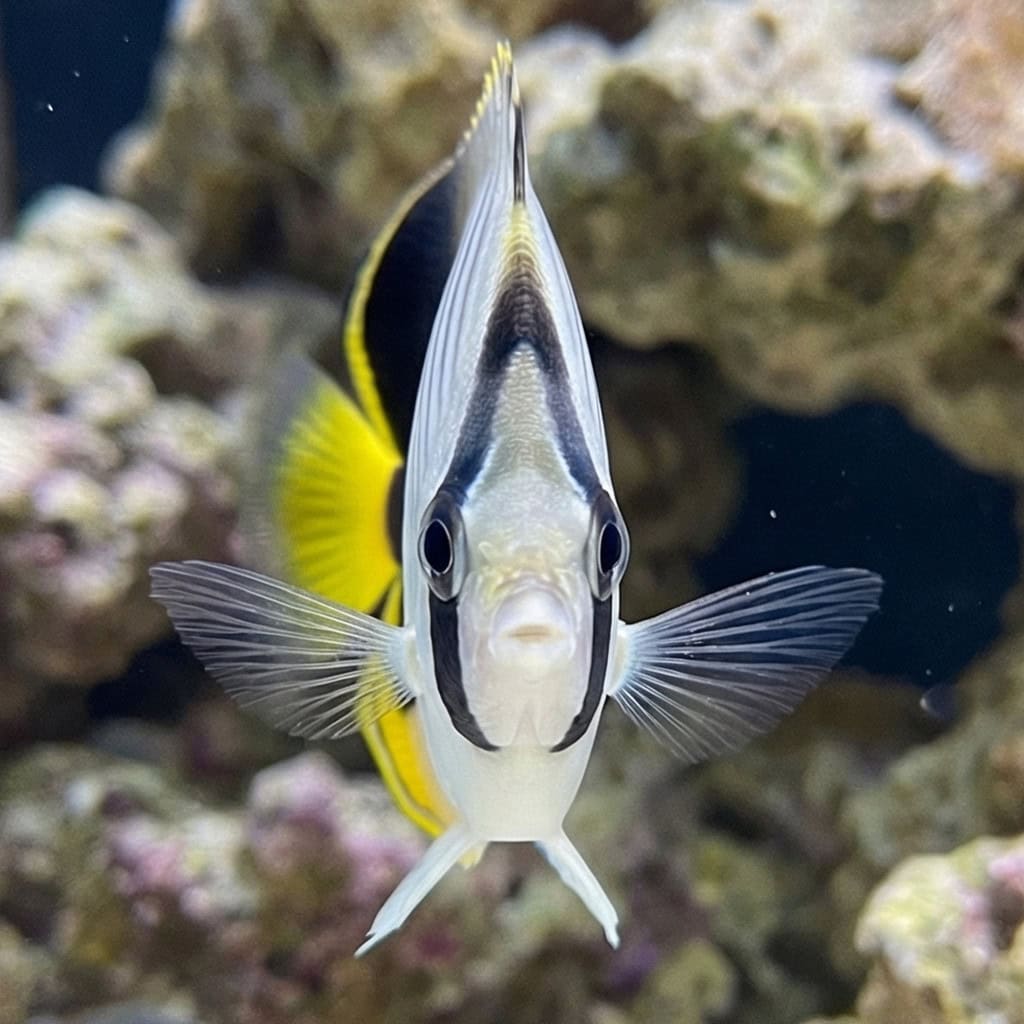
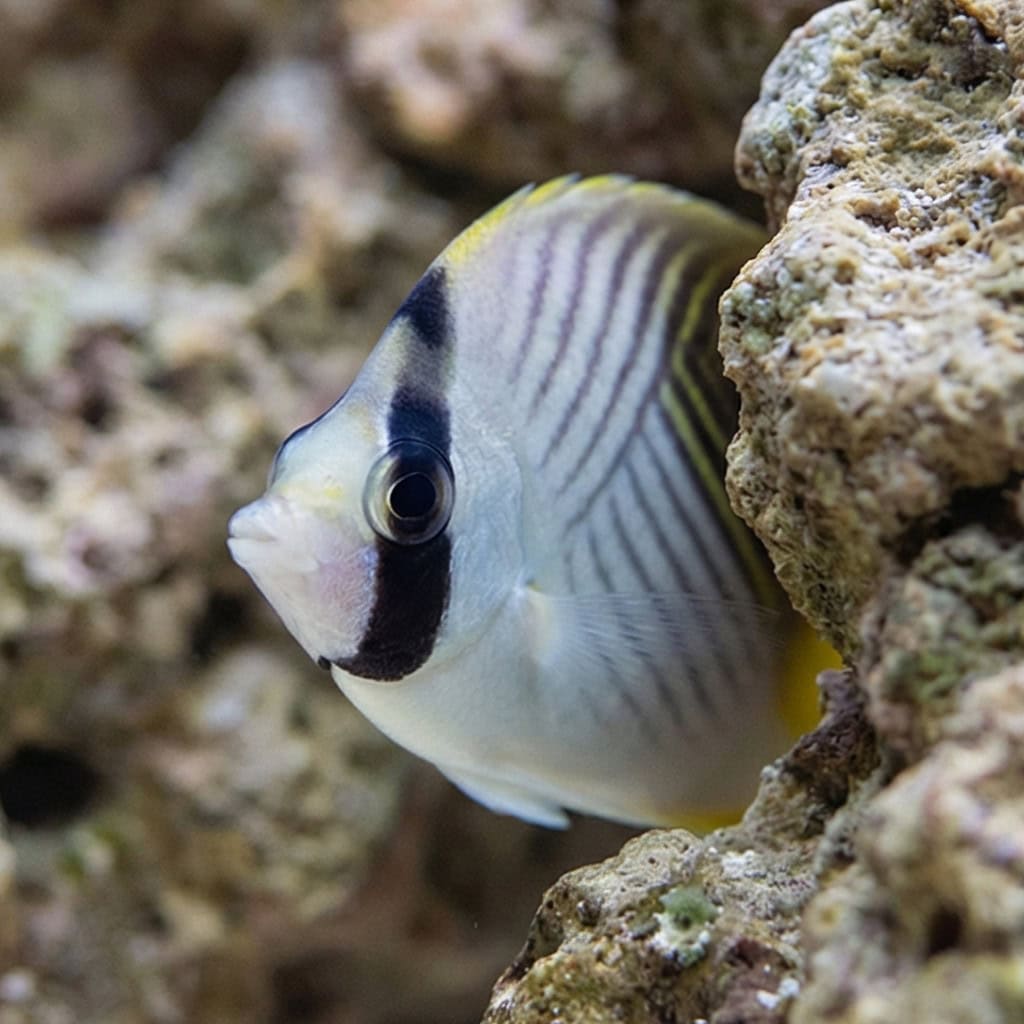
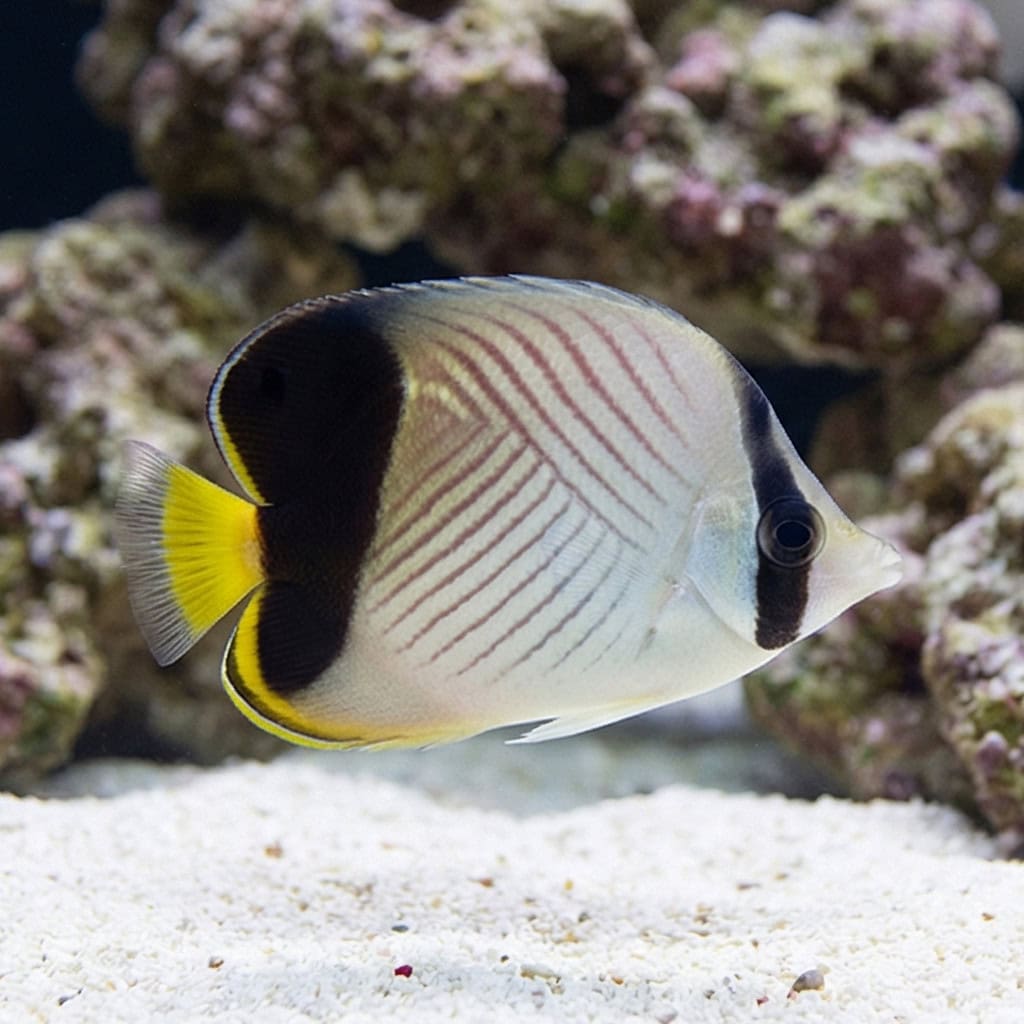
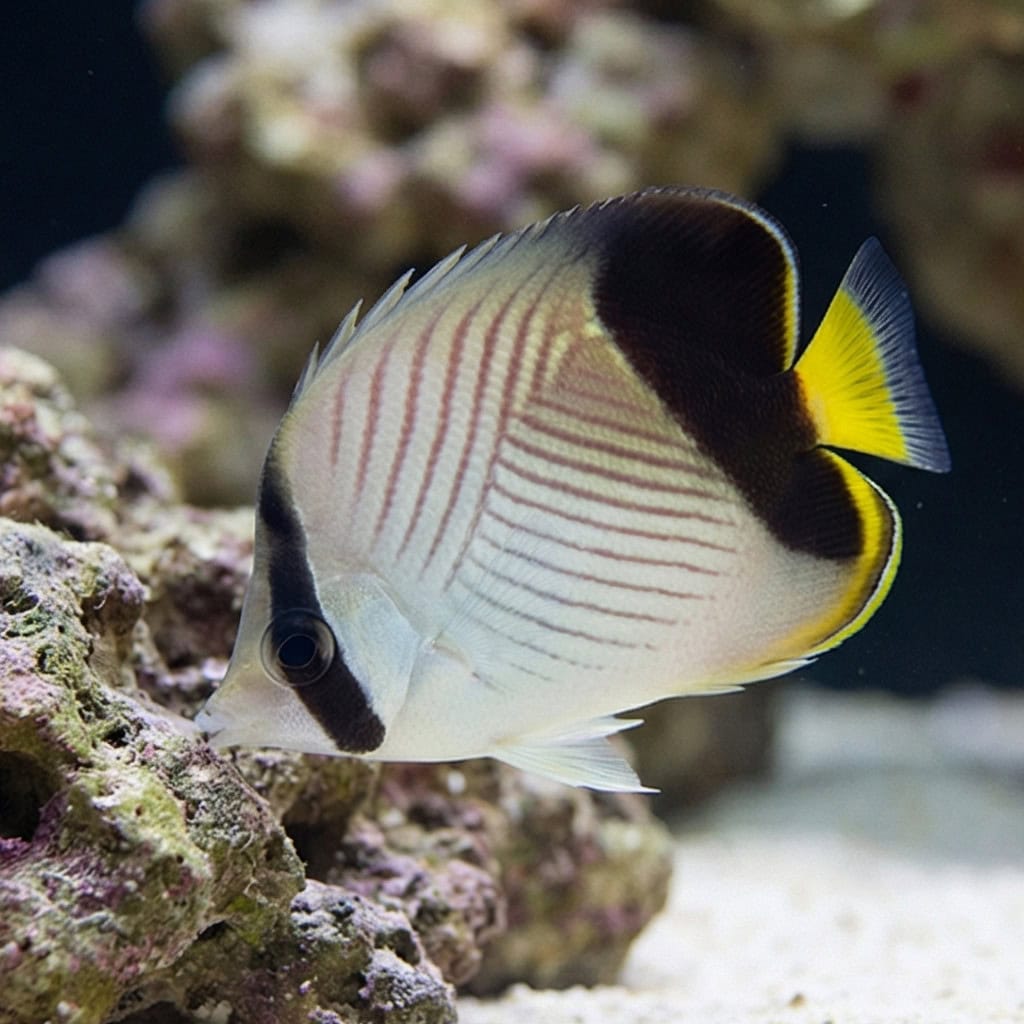
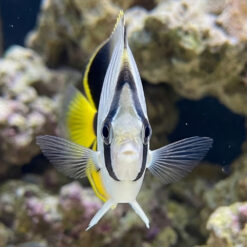
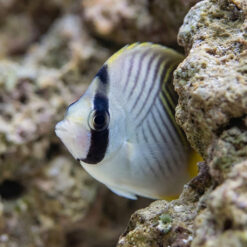
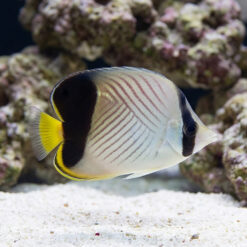
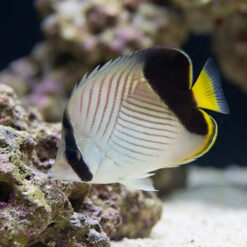
The Indian Vagabond Butterfly (Chaetodon decussatus) is a silvery-white butterflyfish with diagonal crosshatch lines, a dark band through the eye, and a darker rear body with yellow on the tail and fins. It’s an Indo–West Pacific species often seen cruising reef faces and rubble zones in pairs.
What You’ll Observe:
- Steady, purposeful swimming along the rockwork, with frequent “pecking” at surfaces while it forages
- A consistent route around the tank once it learns the layout, often returning to the same shelter spaces
- Pair-style behavior when housed with a compatible mate, including staying close while exploring
- Strong interest at feeding time, with quick passes through the water column before returning to grazing
For best results, provide open swimming room plus rockwork that creates multiple pass-throughs and shaded retreat spots. Offer a varied mix of meaty frozen foods and algae-based options in smaller portions through the day to match its natural grazing rhythm. In larger systems, a bonded pair can be introduced together so they settle in on the same schedule.
Will it leave corals alone if it’s well fed?
Even with regular feeding, this species tends to investigate surfaces by pecking, which can include coral polyps in reef settings.
How long does it take to “learn” the tank?
Many settle into a predictable loop within the first couple of weeks, using the same rockwork lanes and repeating feeding-time patterns.
Do they do better singly or as a pair?
Both can work; pairs are usually most stable when both fish are added at the same time and have enough room to share territory naturally.
What’s an easy way to get one eating prepared foods quickly?
Start with familiar, scent-heavy items (like finely chopped seafood or frozen blends) and offer them in the same spot daily so it associates that area with food.
Is occasional scratching or “flashing” right after arrival normal?
Brief flashing can happen during adjustment; steady appetite and normal swimming are good signs, and most settle further as the environment stabilizes.
Our selection process means you get robust, well-adjusted specimens that settle in quickly.
Recently viewed products