
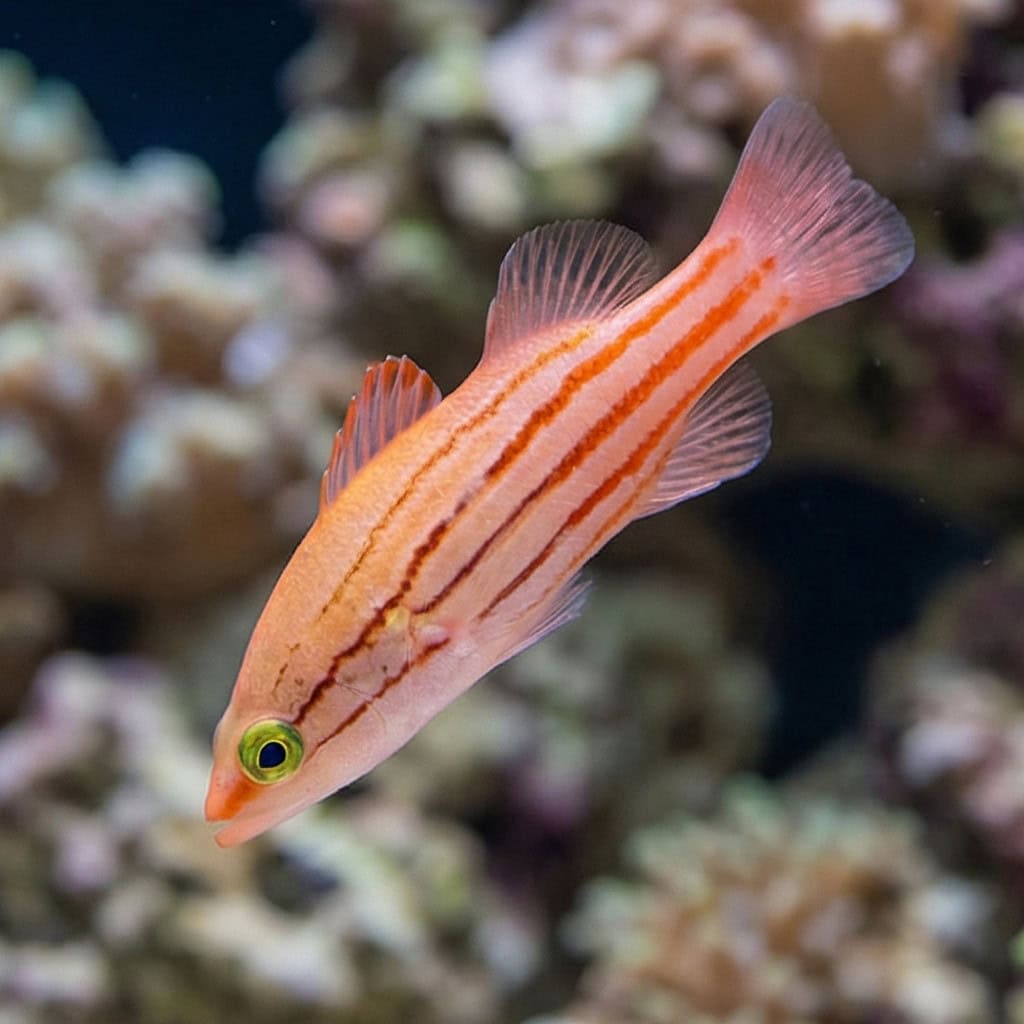
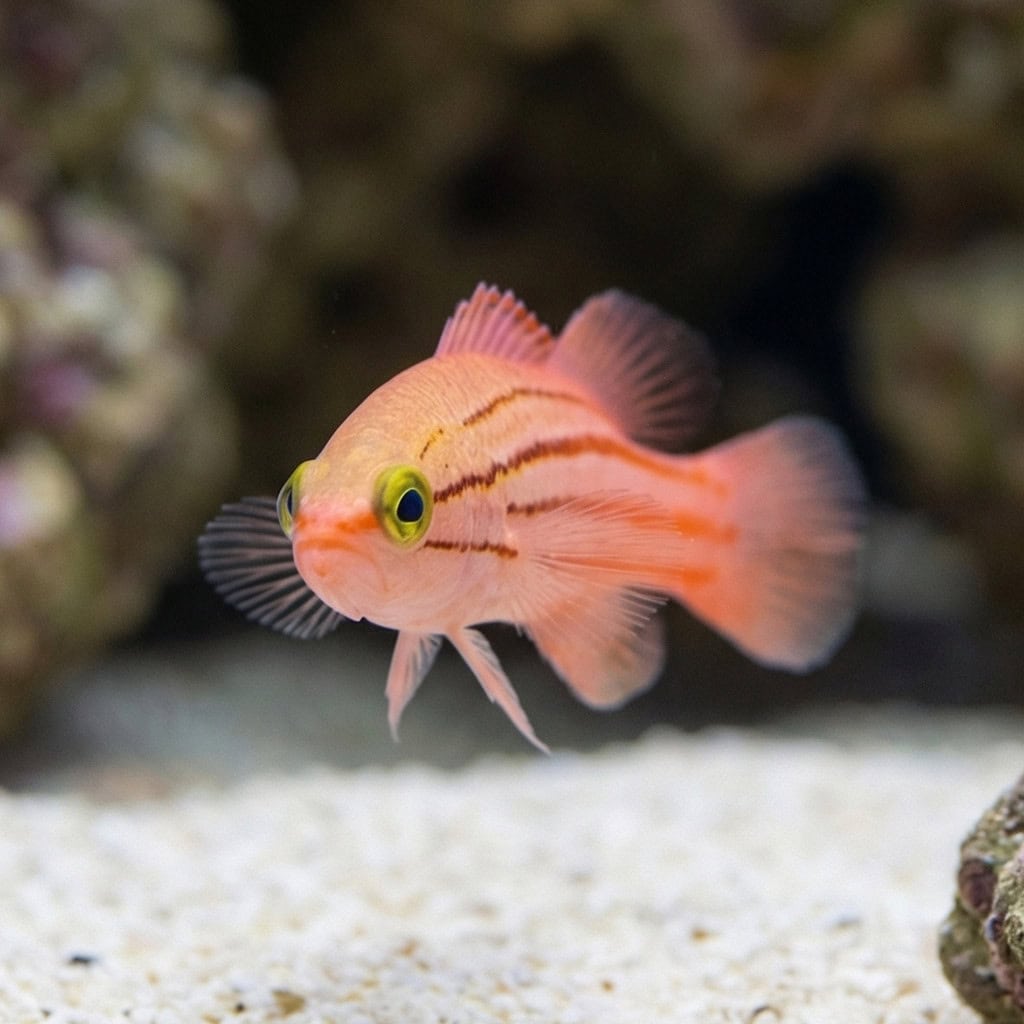
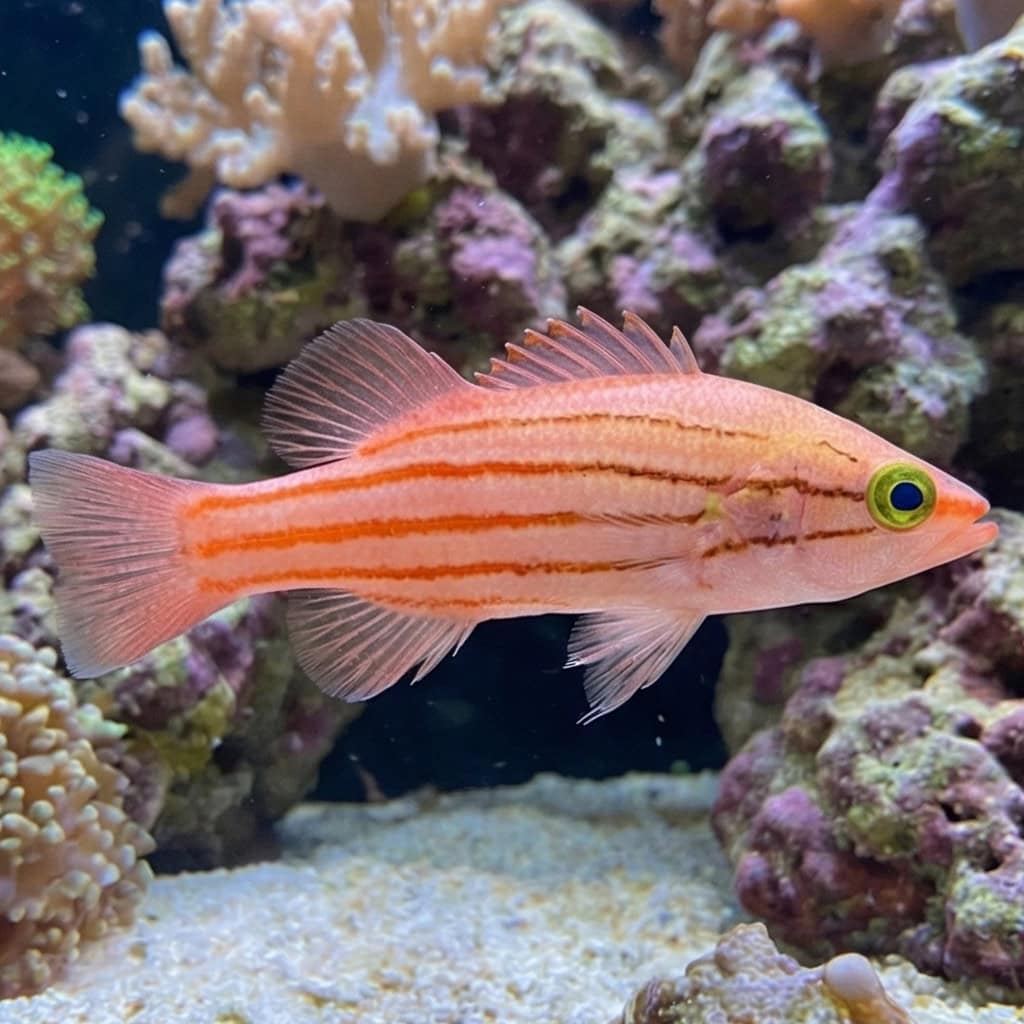
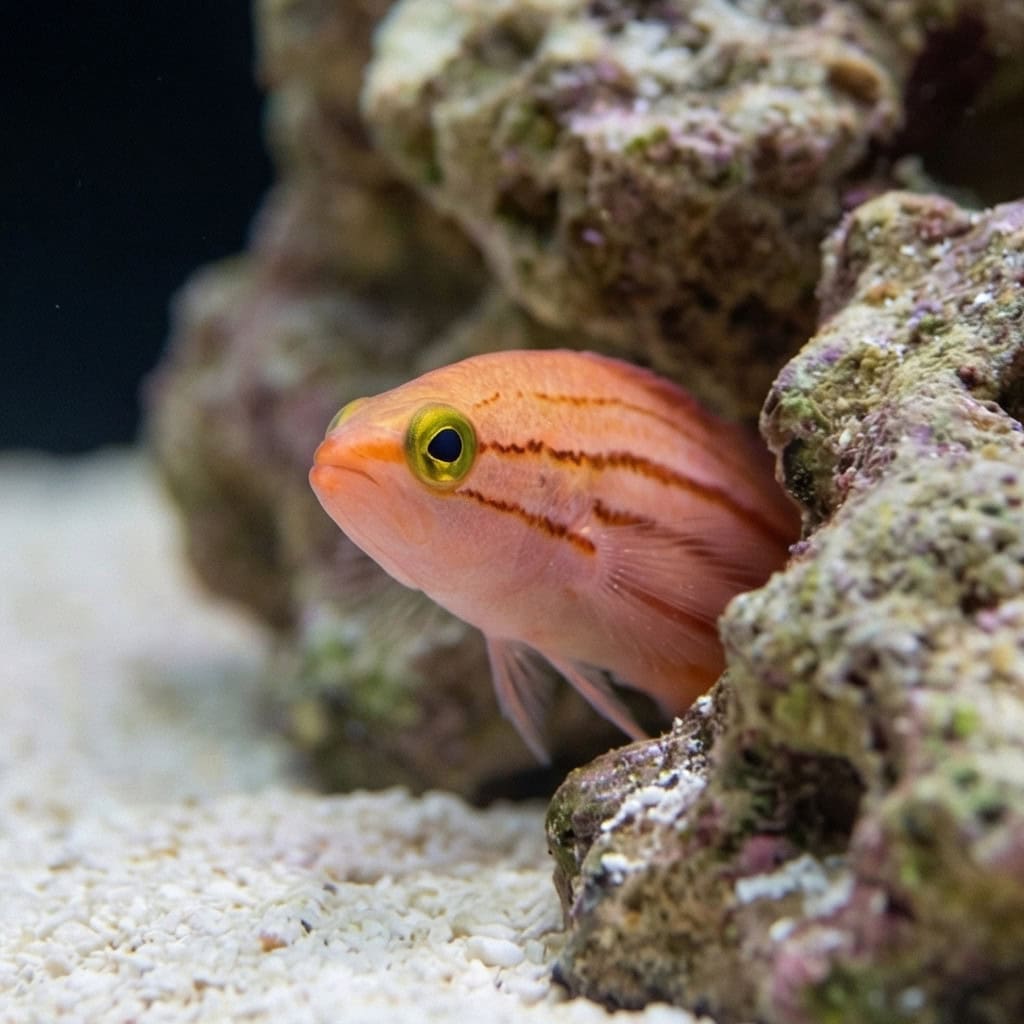
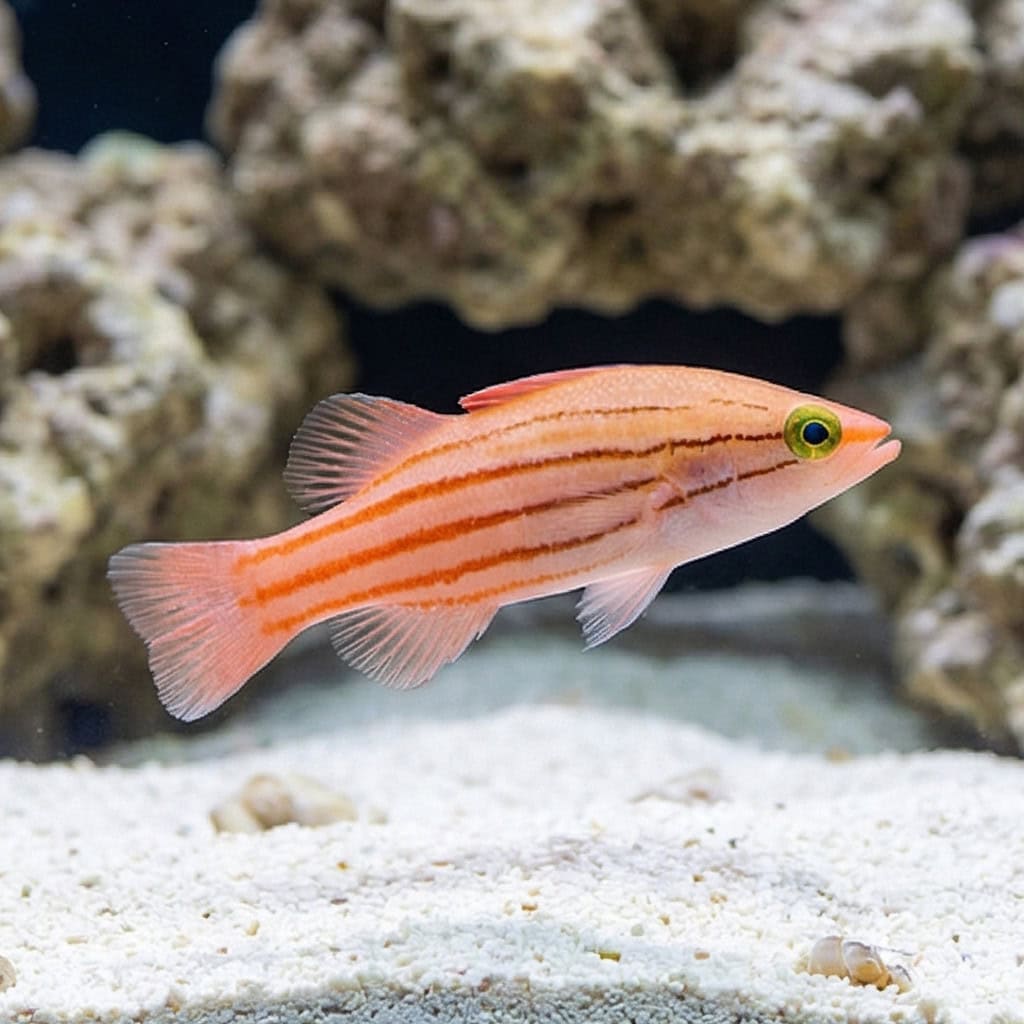
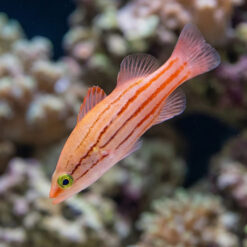
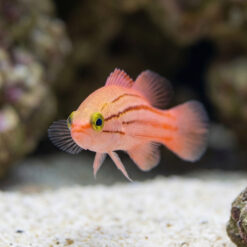
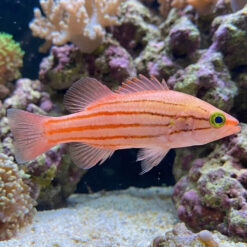
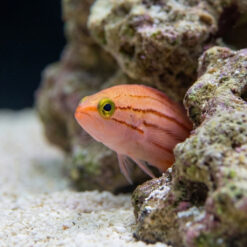
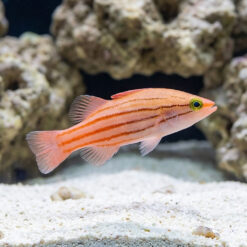
Japanese Basslet
Liopropoma susumi
| Stock | Variations | Price | Quantity | |
|---|---|---|---|---|
| Out of Stock | 2 - 3" - Indo-Pacific | Original price was: $392.99.$206.99Current price is: $206.99. | Email me |
Every order ships with our standard 3-hour live arrival guarantee. Need more time? Add our 5-Day Guarantee at checkout.
Full guarantee terms →Ships Monday – Thursday for next-day arrival at your nearest FedEx Hold location — typically ready by 9 AM. We monitor every delivery.
Shipping details →
Monday – Friday 8 AM – 9 PM
Saturday 12 PM – 4 PM
Sunday 12 PM – 9 PM
Healthy, stable animals from vetted suppliers — inspected before packing, shipped overnight. Decades of experience built this model so we can deliver premium livestock at 30%+ less than you'd pay elsewhere.
| Care Level | Moderate |
|---|---|
| Temperament | Peaceful |
| Reef Safe | Yes |
| Functional Benefit | Ornamental Only |
| Diet Type | Carnivore |
| Mininum Tank Size | 40 gallons |
| Max Size | 4 inches |
| Temperature | 72–78°F |
| pH Range | 8.1–8.4 |
| Specific Gravity | 1.022–1.025 |
The Japanese Basslet (Liopropoma susumi), sometimes called a pin stripe basslet, is a small reef basslet with fine striping and warm red-to-pink tones that tends to claim a favorite cave or ledge in the rockwork.
It’s an Indo-Pacific species commonly associated with reefs and crevice areas.
What You’ll Observe:
- Short, deliberate dashes between rock openings, then hovering near an overhang
- A consistent “home base” it returns to, especially after lights change
- It learning feeding routines and showing up more predictably at meal times
Provide a mature reef with several dimmer cave-like zones so it can settle into a stable routine around the rockwork. Offer small meaty foods and, early on, use a baster/targeted approach so food reaches its preferred area during busy feedings.
Will I see it out in the open every day?
Many keepers report basslets become more “schedule-based” over time, appearing more reliably once they associate the tank with feeding routines.
Does a basslet “disappearing” usually mean it jumped?
Jumping is commonly mentioned by hobbyists even in covered systems, and “vanishing” into rockwork is also a frequent theme’tight lid coverage helps either way.
Can I keep it with other basslets?
Compatibility discussions commonly focus on giving each fish distinct rock zones and introducing thoughtfully; results vary most when multiple similar cave-claiming fish compete for the same spaces.
How do people get Liopropoma basslets to eat in a high-competition tank?
A repeated suggestion is getting food “to the fish” at first (like using a baster near its hangout) until it reliably recognizes feeding cues.
Should I add it before or after more active fish?
Many hobbyists prefer adding more cave-oriented fish earlier (or ensuring plenty of separate rock niches) so it can establish a consistent home area without being crowded out of its preferred spots.
Each fish is checked for strong appetite and activity before we approve it for your tank.
Recently viewed products