Jewel Damsel
Microspathodon chrysurus
| Stock | Variations | Price | Quantity |
|---|
Every order ships with our standard 3-hour live arrival guarantee. Need more time? Add our 5-Day Guarantee at checkout.
Full guarantee terms →Ships Monday – Thursday for next-day arrival at your nearest FedEx Hold location — typically ready by 9 AM. We monitor every delivery.
Shipping details →
Monday – Friday 8 AM – 9 PM
Saturday 12 PM – 4 PM
Sunday 12 PM – 9 PM
Healthy, stable animals from vetted suppliers — inspected before packing, shipped overnight. Decades of experience built this model so we can deliver premium livestock at 30%+ less than you'd pay elsewhere.
| Care Level | Moderate |
|---|---|
| Temperament | Aggressive |
| Reef Safe | Yes |
| Functional Benefit | Algae Control |
| Diet Type | Omnivore |
| Mininum Tank Size | 55 gallons |
| Max Size | 8 inches |
| Temperature | 72–78°F |
| pH Range | 8.1–8.4 |
| Specific Gravity | 1.022–1.025 |
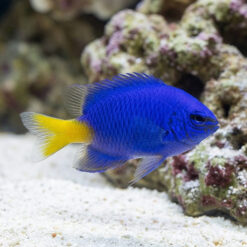
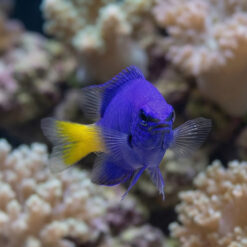
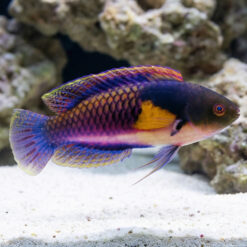
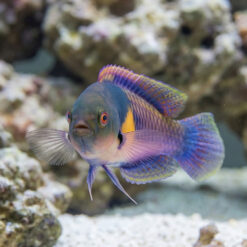
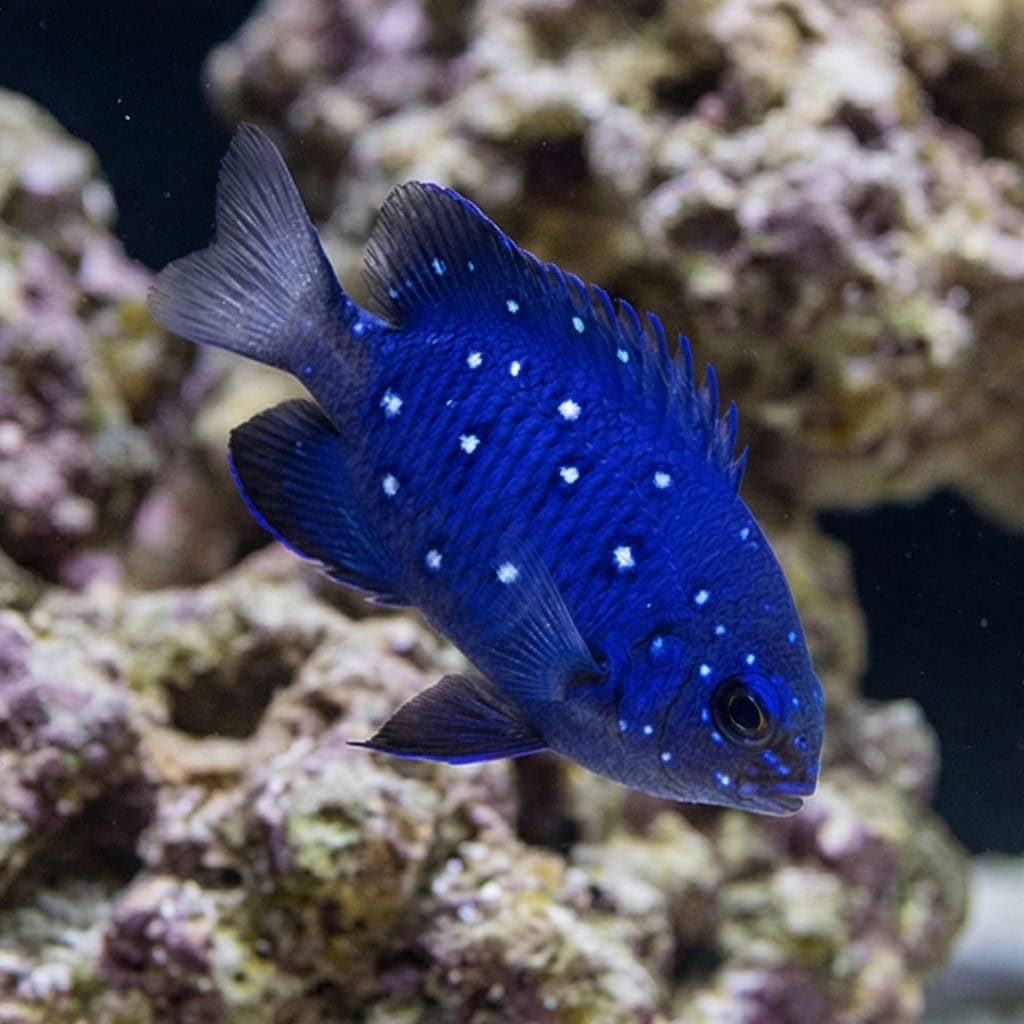
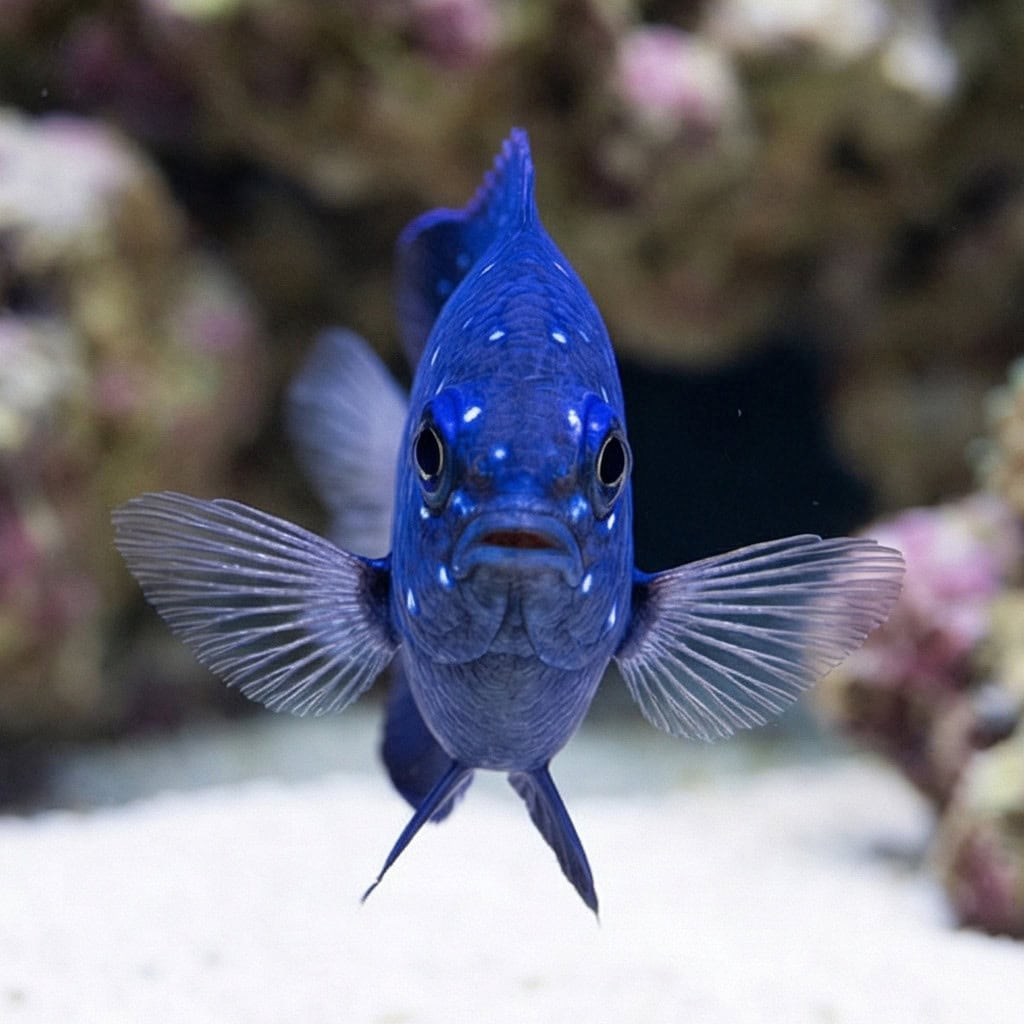
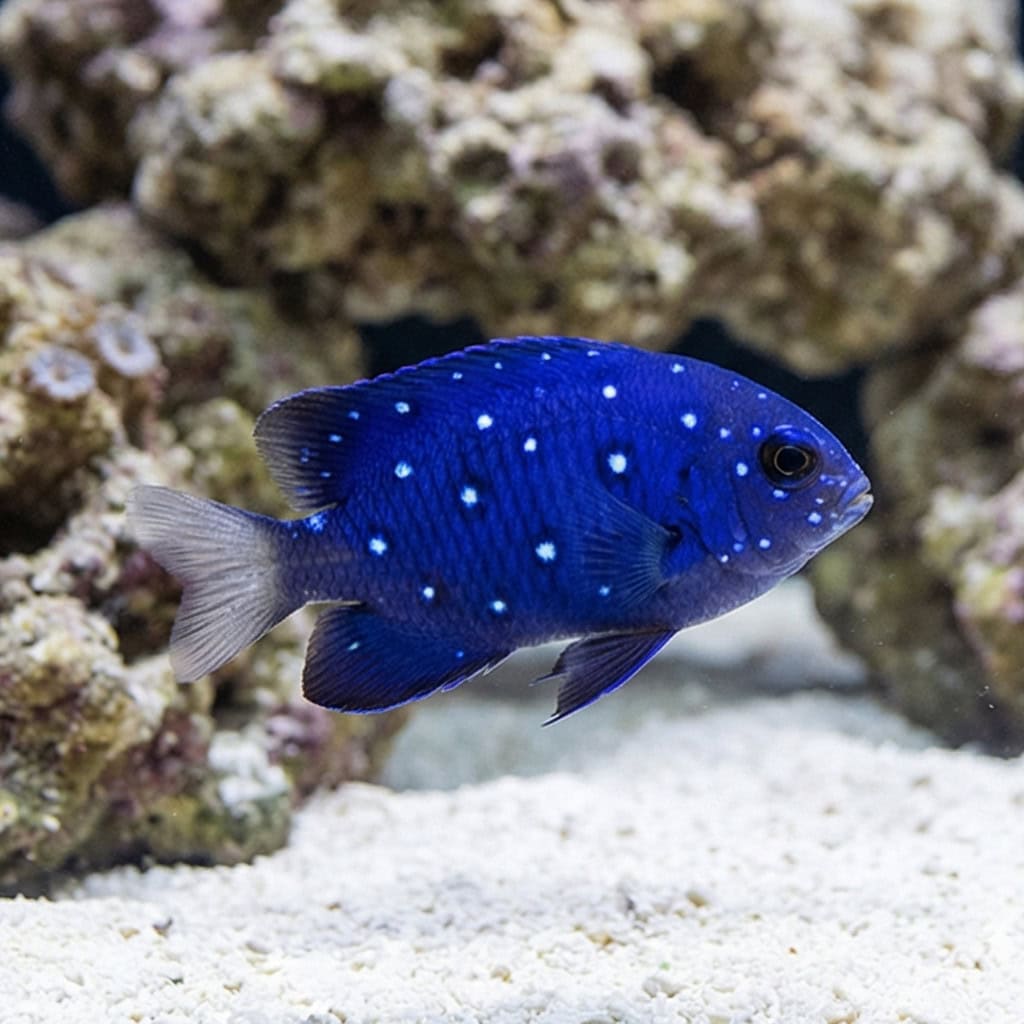
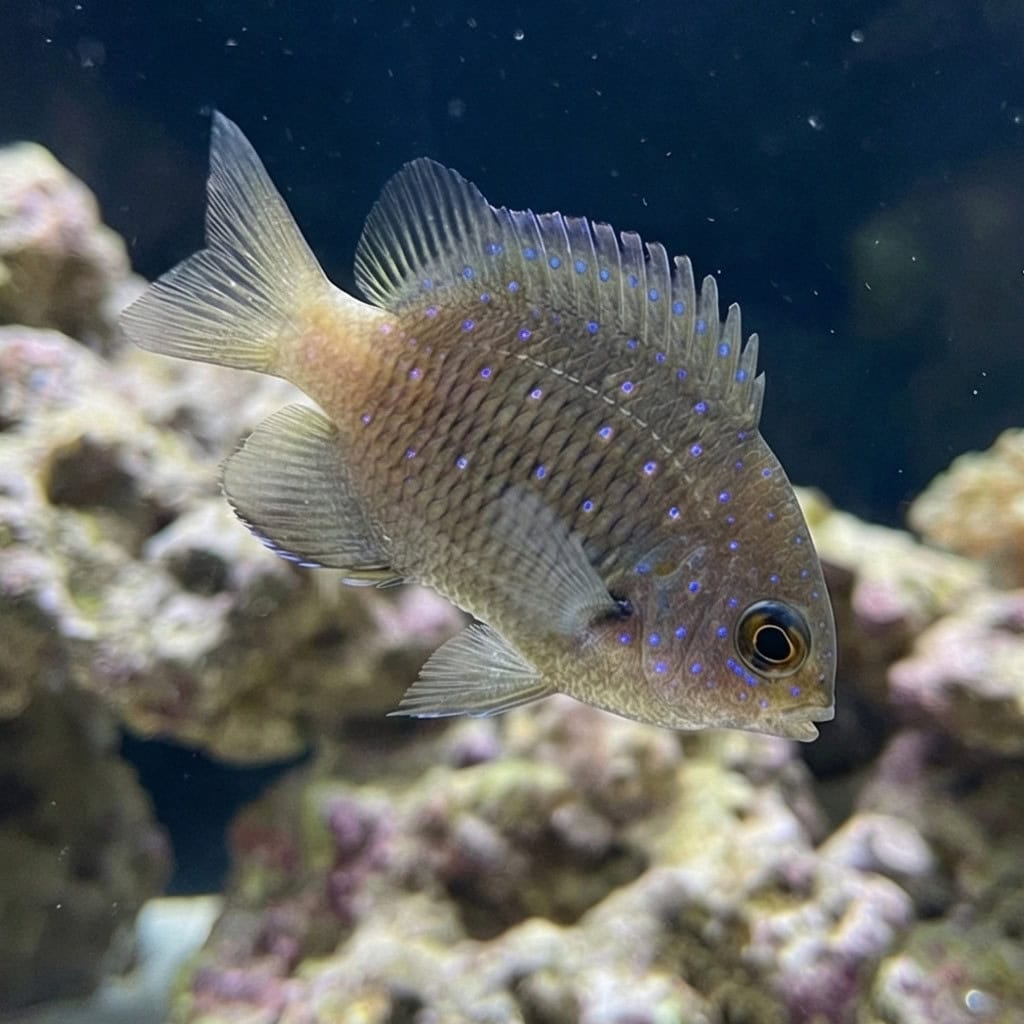
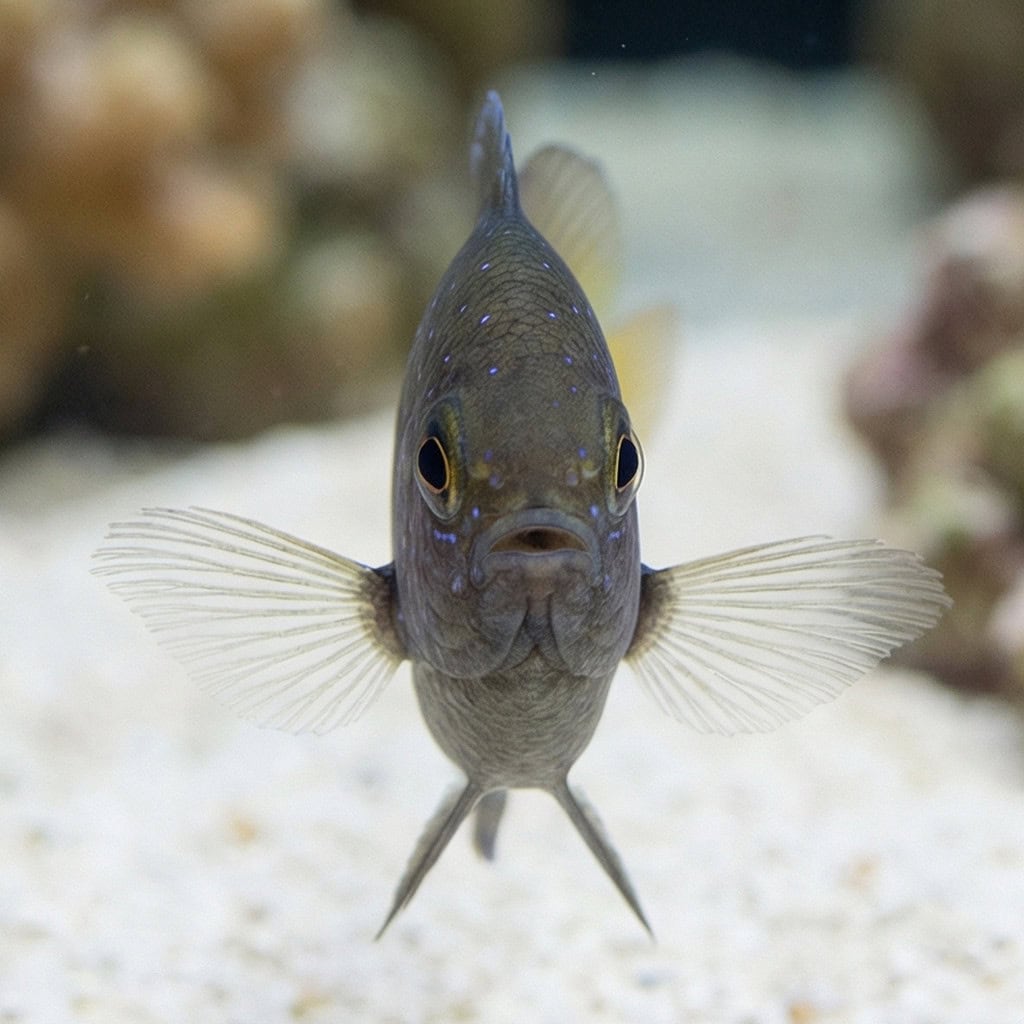
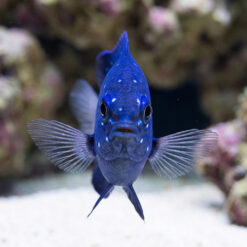
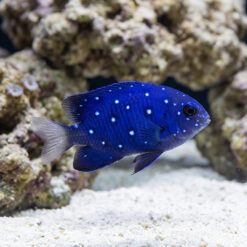
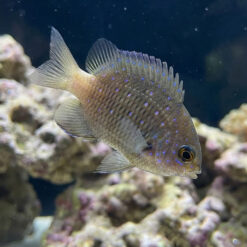
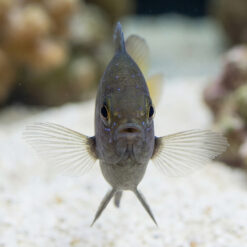
The Jewel Damsel (Microspathodon chrysurus) is an omnivorous grazer that spends a lot of its day picking at rock and hard surfaces, helping limit film algae in established reef tanks. Juveniles are often deep blue with bright “jewel-like” spotting, while adults shift to a darker overall body with a contrasting yellow tail and a more solid look. This Western Atlantic/Caribbean damsel is most at home around rockwork where it can hold a consistent home area.
What You’ll Observe:
- Regular “patrol loops” around a favorite rock zone, with quick darting turns and short bursts of speed
- Frequent pecking at the rock surface between feedings, especially in high-light areas
- Bold, front-and-center behavior at mealtime, often rising into the water column to grab food
- Clear recognition of its home area, returning to the same crevice or ledge throughout the day
To help your Jewel Damsel settle in, provide sturdy live rock with multiple crevices so it can choose a home base and cruise natural borders. Offer a varied mix of frozen and prepared foods, plus some algae-based options, fed in small portions at least twice daily. In community setups, it does best when tankmates have their own defined spaces and the aquascape breaks up long lines of sight.
FAQ:
Why did my Jewel Damsel lose the “sparkly” blue spots it had as a juvenile?
As it grows, this species naturally transitions from the spotted juvenile look to a darker, more solid adult pattern with a stronger yellow tail.
Can I keep two Jewel Damsels together if I buy them small at the same time?
Most keepers have the best long-term results with a single specimen, since one fish typically becomes the clear “owner” of the prime rock zone as it matures.
Is “Jewel Damsel” always Microspathodon chrysurus?
No—stores and hobbyists sometimes use “jewel damsel” for different damsels with similar juvenile colors, so matching the scientific name is the safest way to confirm the exact fish.
What’s the easiest way to catch one if I ever need to move it?
Many hobbyists have success using a fish trap baited with food and simply waiting for repeated entries over a day or two, rather than trying to net it through rockwork.
Why does it charge the glass or attack tongs during maintenance?
This is a common “territory check” behavior for established damsels—once it recognizes a maintenance tool entering its home area, it often responds by trying to push it away.
Each fish is checked for strong appetite and activity before we approve it for your tank.
Recently viewed products