
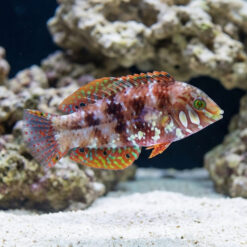
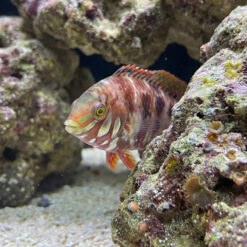
Jewelled Leopard Wrasse
Halichoeres lapillus
| Stock | Variations | Price | Quantity |
|---|
Every order ships with our standard 3-hour live arrival guarantee. Need more time? Add our 5-Day Guarantee at checkout.
Full guarantee terms →Ships Monday – Thursday for next-day arrival at your nearest FedEx Hold location — typically ready by 9 AM. We monitor every delivery.
Shipping details →
Monday – Friday 8 AM – 9 PM
Saturday 12 PM – 4 PM
Sunday 12 PM – 9 PM
Healthy, stable animals from vetted suppliers — inspected before packing, shipped overnight. Decades of experience built this model so we can deliver premium livestock at 30%+ less than you'd pay elsewhere.
| Care Level | Easy |
|---|---|
| Temperament | Peaceful |
| Reef Safe | Yes |
| Functional Benefit | Pest Control |
| Diet Type | Carnivore |
| Mininum Tank Size | 55 gallons |
| Max Size | 6 inches |
| Temperature | 72–78°F |
| pH Range | 8.1–8.4 |
| Specific Gravity | 1.022–1.025 |
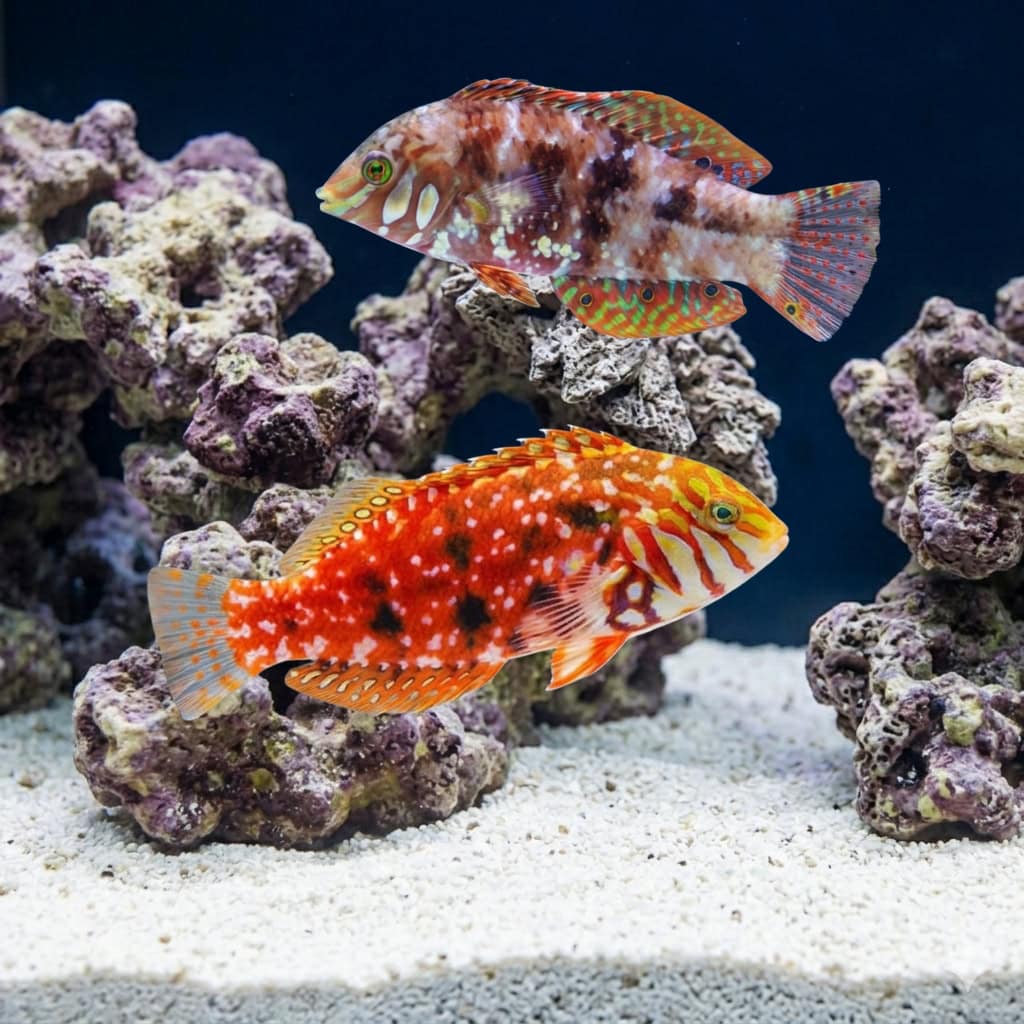
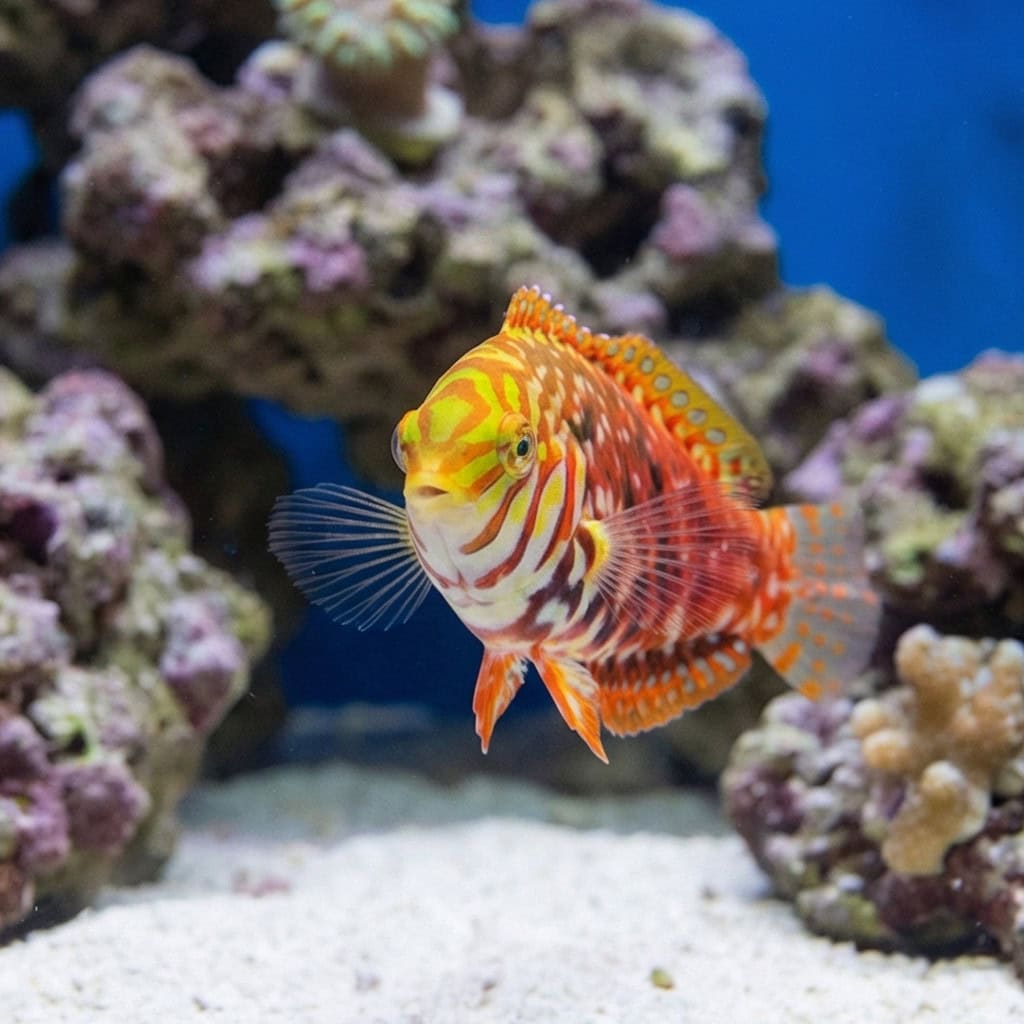
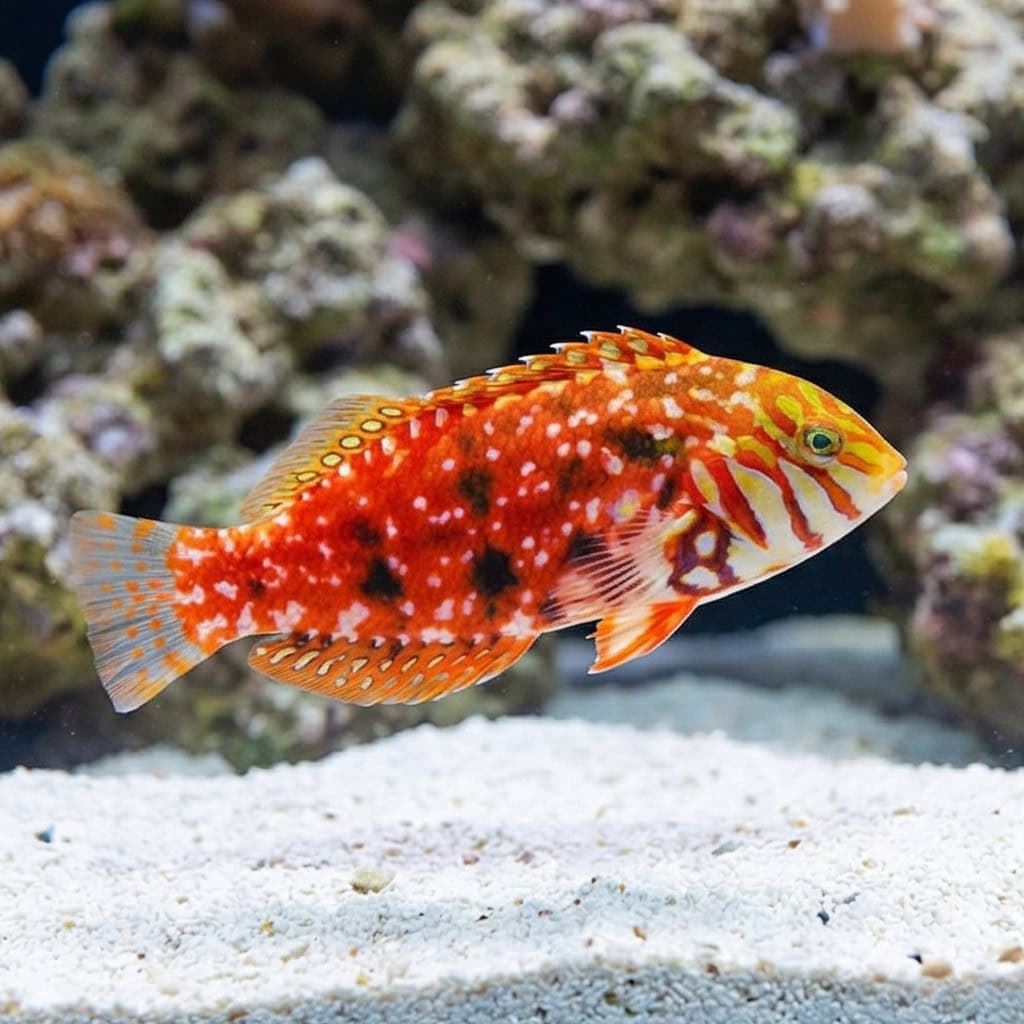
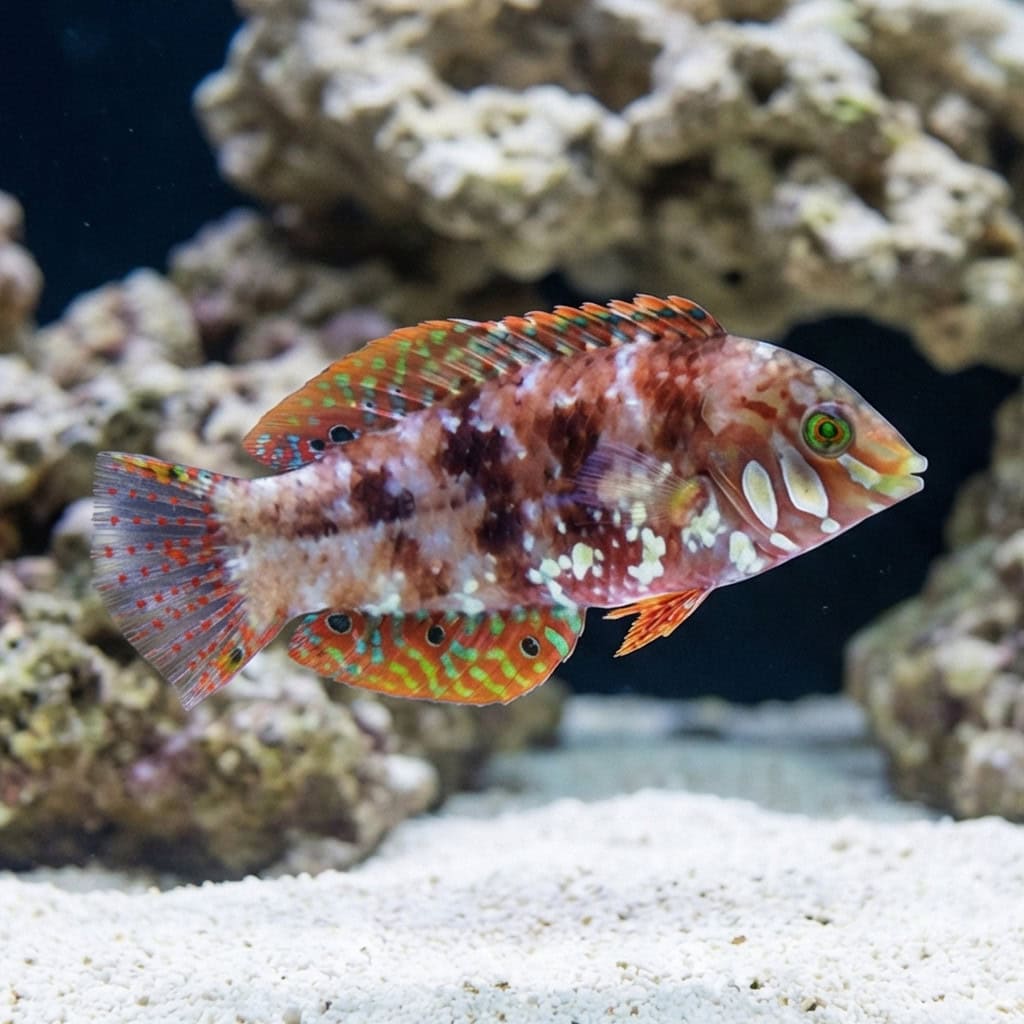
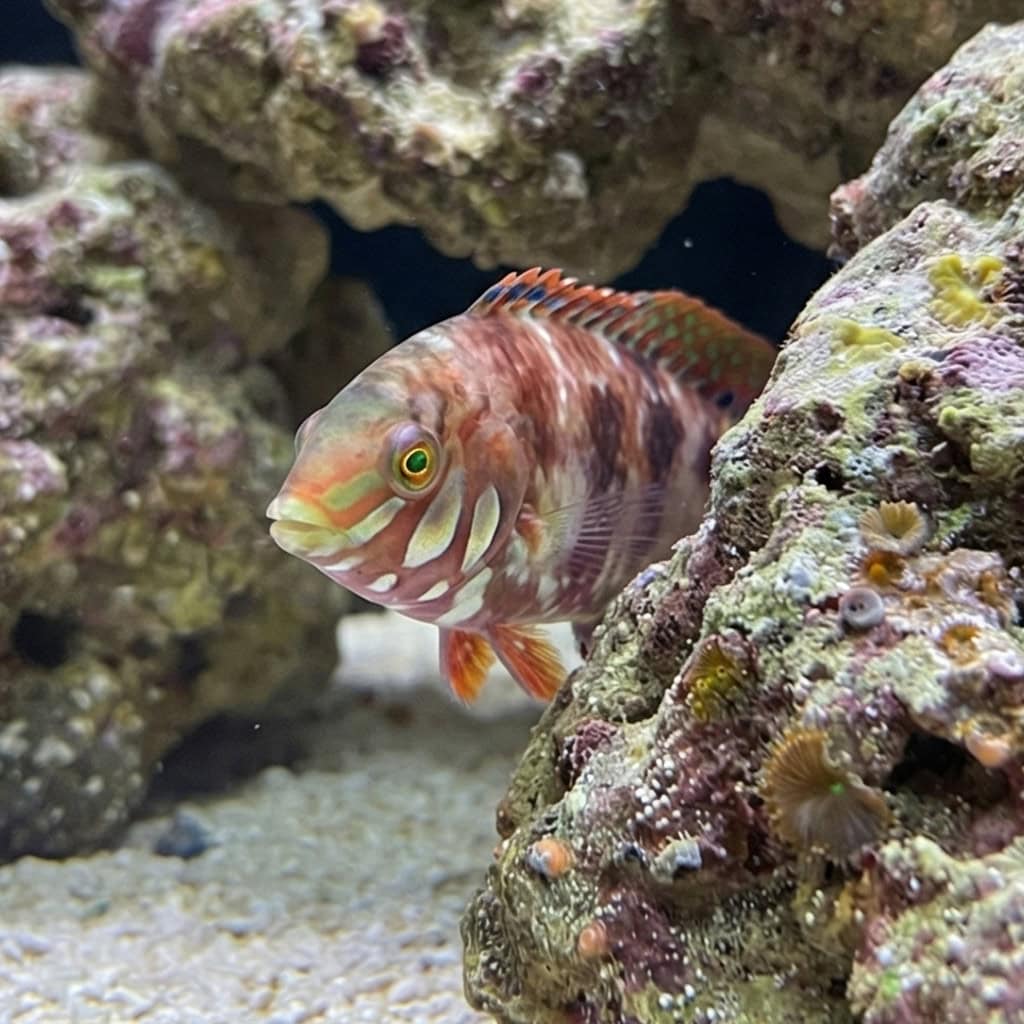
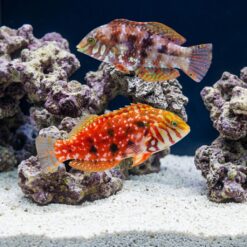
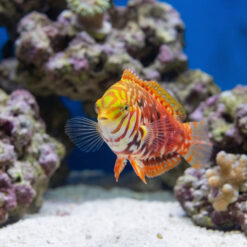
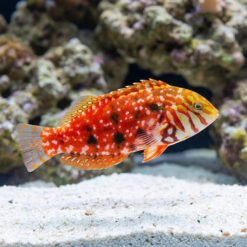
The Jewelled Leopard Wrasse is a sand-sleeping Halichoeres wrasse that’s often chosen as a pest-control wrasse for reef tanks, spending the day hunting small invertebrates across rockwork and open sand. It’s found in the Western Indian Ocean region (including areas around Mauritius and Madagascar) and typically shows a red to reddish-brown base with light spotting that can shift in intensity with age and sex.
What You’ll Observe:
- Steady “patrolling” laps around the aquascape, stopping often to inspect tiny crevices
- Quick, precise pecks at the rock and sand surface while foraging
- Confident mid-water dashes between areas of cover and open space
- More visible, outgoing behavior once it learns your feeding routine
Provide a well-established aquarium with plenty of live rock, plus a 2–3 inch sandy area so it can settle in naturally, and use a tight-fitting lid or mesh top. Offer a mix of meaty frozen foods (like mysis/brine) along with quality pellets or flakes, and keep feeding consistent so it stays active and engaged throughout the day.
Is it actually a “leopard wrasse”?
It’s commonly sold that way because of its pattern, but Halichoeres lapillus is a Halichoeres wrasse (not a Macropharyngodon leopard), so it usually behaves more like other active sand-wrasses.
How quickly should it start coming out reliably each day?
Many owners see a gradual “routine” develop over the first week as it learns lights-on/lights-off timing and connects you with feeding.
Can it change from female to male in captivity?
Yes—like many wrasses, it can shift over time, and color/pattern can change along with social conditions in the tank.
Why do photos of this fish look so different from one another?
Lighting spectrum, age, and sex phase can all change how the spotting and base color present, especially under heavy blue reef lighting.
Will it go after snails or other cleanup-crew members?
Most keepers focus on choosing appropriately sized, established cleanup-crew animals; very small mobile invertebrates are the most likely to be investigated as “food.”
Each fish is checked for strong appetite and activity before we approve it for your tank.
Recently viewed products