
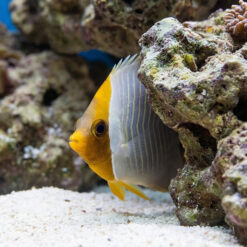
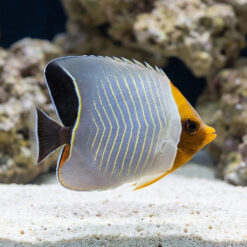
Larvatus Butterfly
Chaetodon larvatus
| Stock | Variations | Price | Quantity |
|---|
Every order ships with our standard 3-hour live arrival guarantee. Need more time? Add our 5-Day Guarantee at checkout.
Full guarantee terms →Ships Monday – Thursday for next-day arrival at your nearest FedEx Hold location — typically ready by 9 AM. We monitor every delivery.
Shipping details →
Monday – Friday 8 AM – 9 PM
Saturday 12 PM – 4 PM
Sunday 12 PM – 9 PM
Healthy, stable animals from vetted suppliers — inspected before packing, shipped overnight. Decades of experience built this model so we can deliver premium livestock at 30%+ less than you'd pay elsewhere.
| Care Level | Expert |
|---|---|
| Temperament | Peaceful |
| Reef Safe | No |
| Functional Benefit | Ornamental Only |
| Diet Type | Carnivore |
| Mininum Tank Size | 70 gallons |
| Max Size | 5 inches |
| Temperature | 72–78°F |
| pH Range | 8.1–8.4 |
| Specific Gravity | 1.022–1.025 |
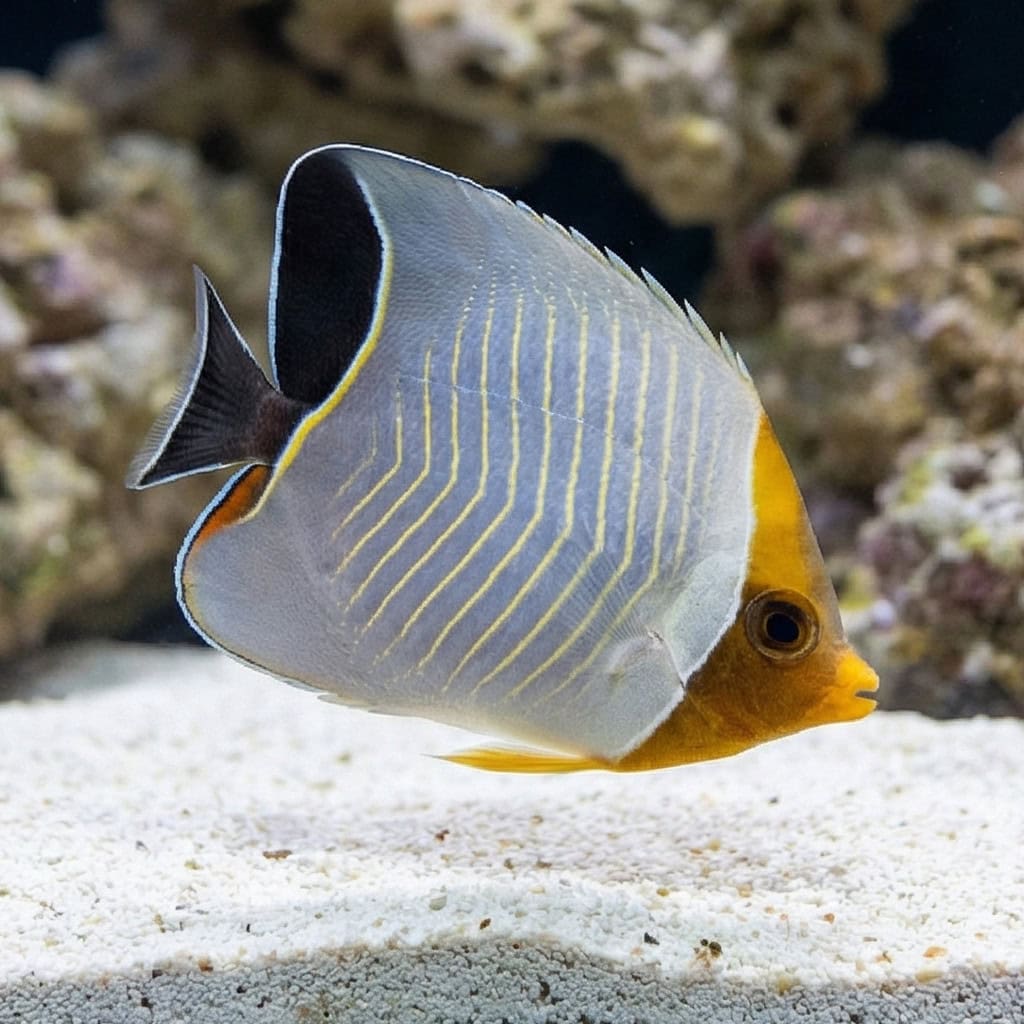
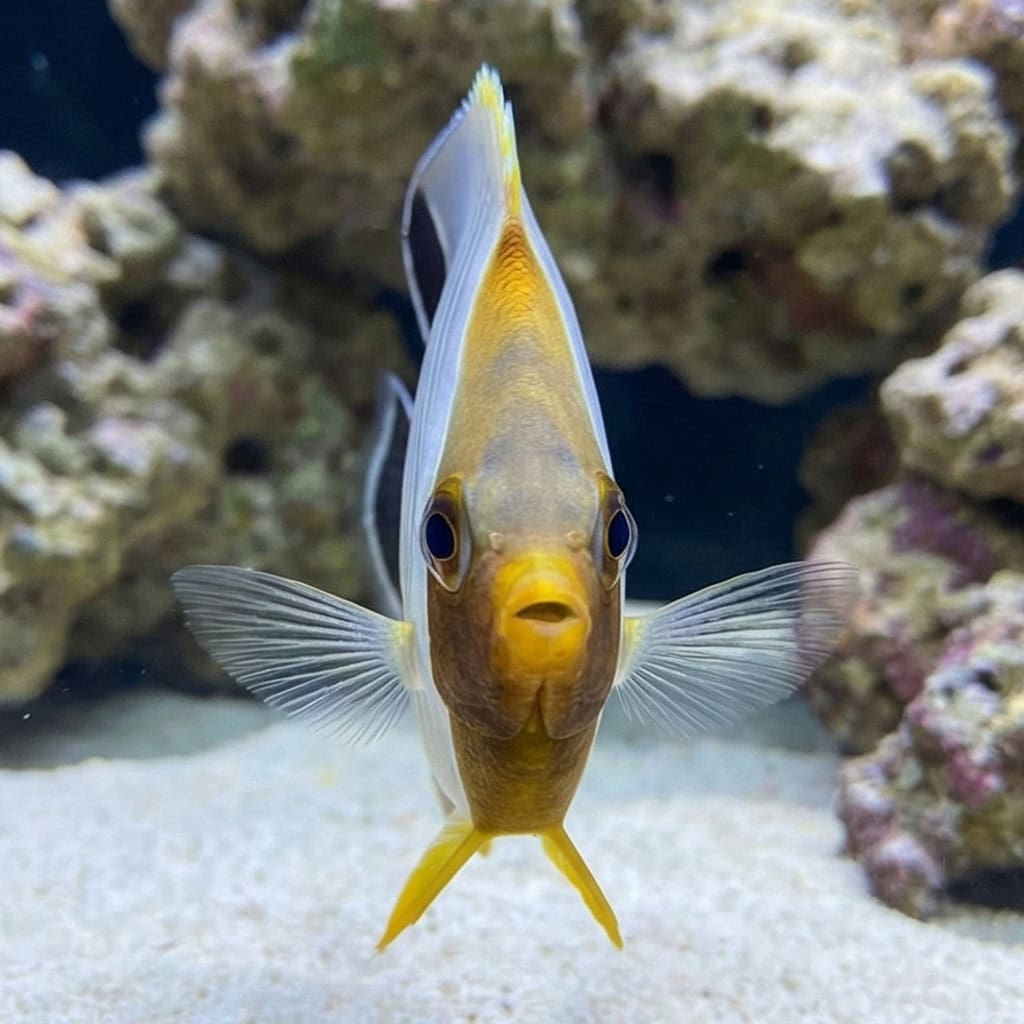
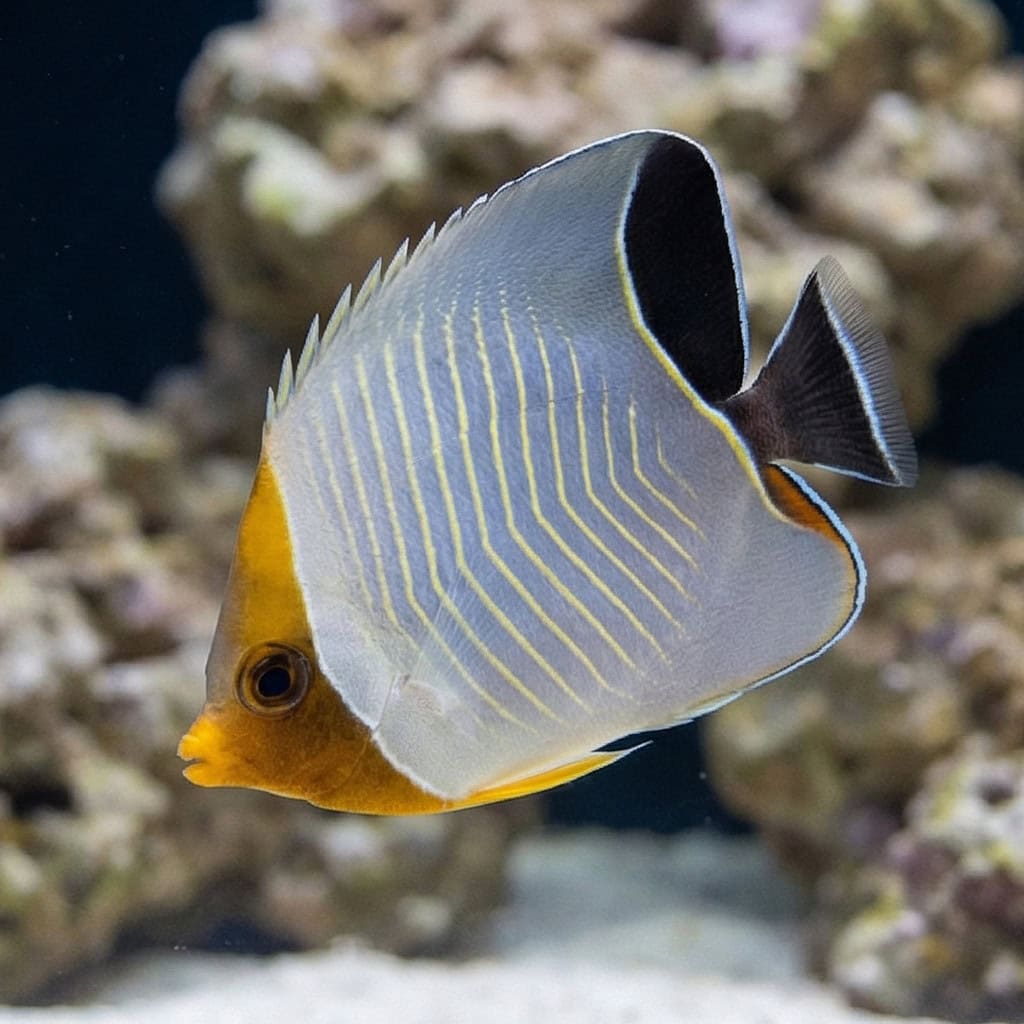
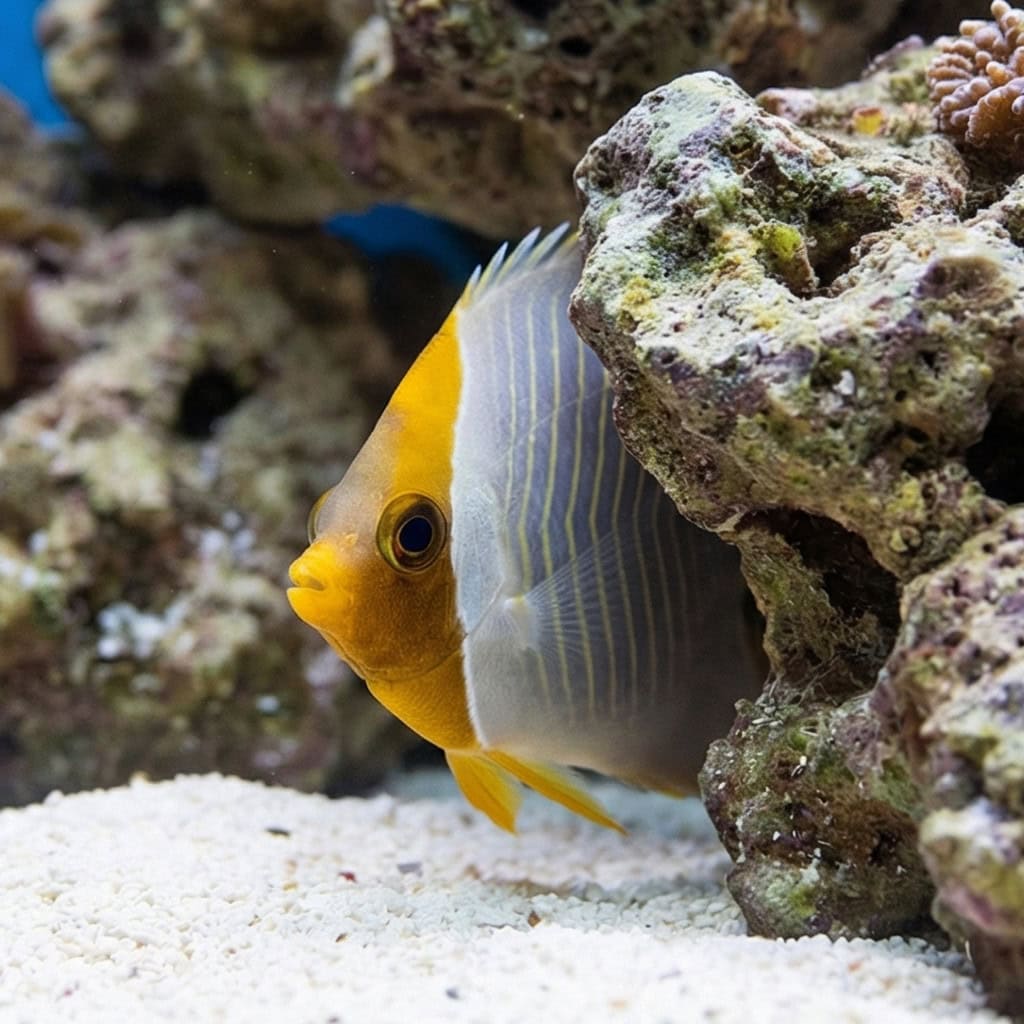
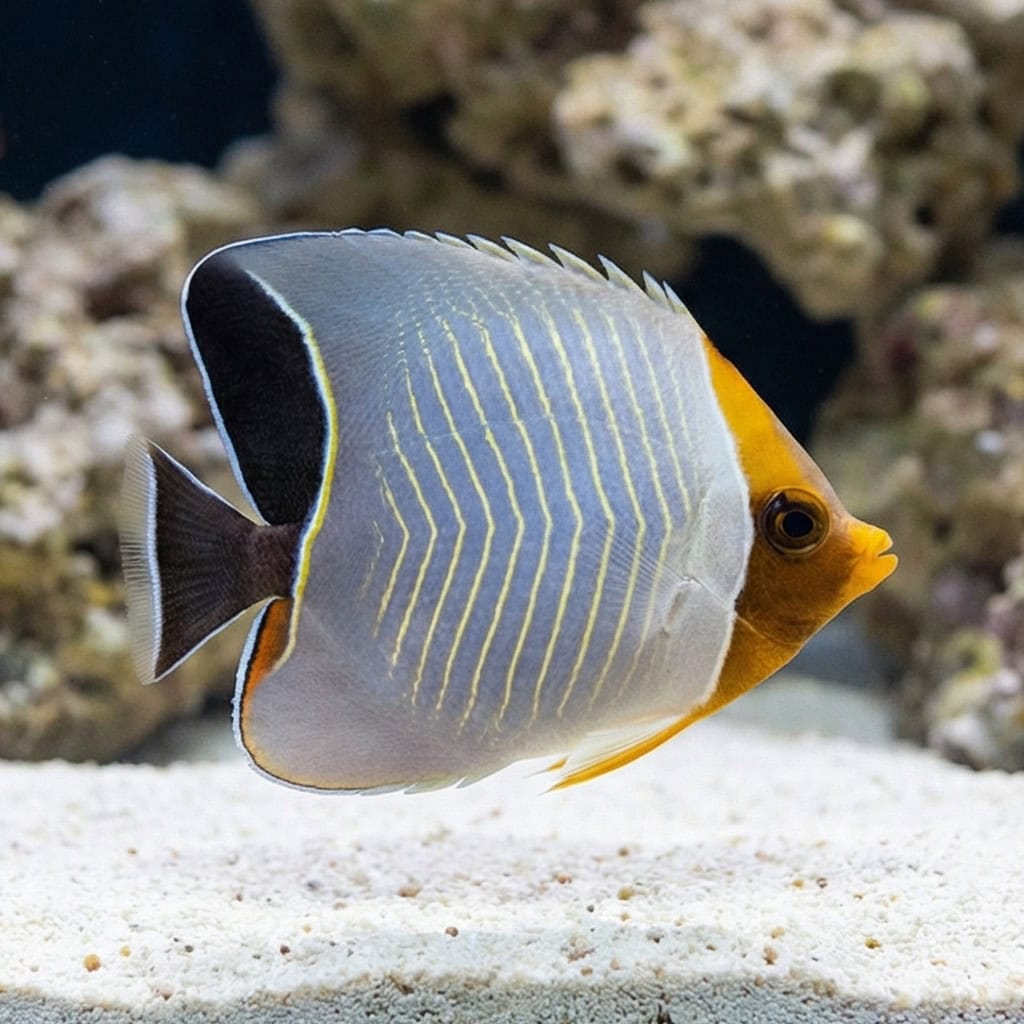
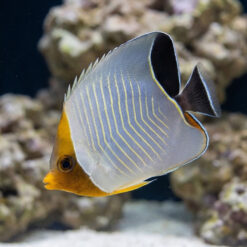
Larvatus Butterfly (Chaetodon larvatus), also called the Hooded Butterflyfish or Orange Face Butterflyfish, is a Red Sea species known for its orange mask, pale blue-gray body, and fine chevron-style striping. Dark accents toward the rear and tail create a high-contrast pattern that stands out in fish-only displays and large, mature reef structures.
What You’ll Observe:
- Steady cruising along rockwork with frequent, deliberate “pecking” stops
- Pair-style behavior in larger systems, with two fish moving the same route
- Strong interest in foods placed on hard surfaces, not just floating items
- Regular patrols of a favorite area once it settles into your aquascape
Provide mature live rock with multiple swim-throughs so it can browse naturally throughout the day. Offer several small feedings and include meaty options presented in a way that encourages pecking (for example, secured to rock). A consistent routine—same feeding areas and timing—helps it transition into confident, repeatable feeding behavior in captivity.
Is it normal if it ignores water-column foods at first?
Yes—many keepers report early interest in picking behavior over rockwork before the fish commits to prepared foods consistently.
What foods do hobbyists most often use to get the first solid feeding response?
Clam on the half shell is repeatedly mentioned as a reliable “first win,” sometimes before mysis or other floating foods are accepted.
Do people ever keep this species in a coral-heavy system on purpose?
Some experienced keepers intentionally maintain it in SPS-dominant systems so it can graze naturally while also being offered meaty foods.
What size fish tends to adapt best in home aquariums?
Keepers often report better adaptation with smaller, younger specimens compared with very small or very large individuals.
Can two be kept together long-term?
It’s commonly discussed that a true male-female pair can work, while same-sex pairings may not remain stable unless the system is large and introductions are managed carefully.
Each fish is checked for strong appetite and activity before we approve it for your tank.
Only logged in customers who have purchased this product may leave a review.
Recently viewed products
Reviews
There are no reviews yet.