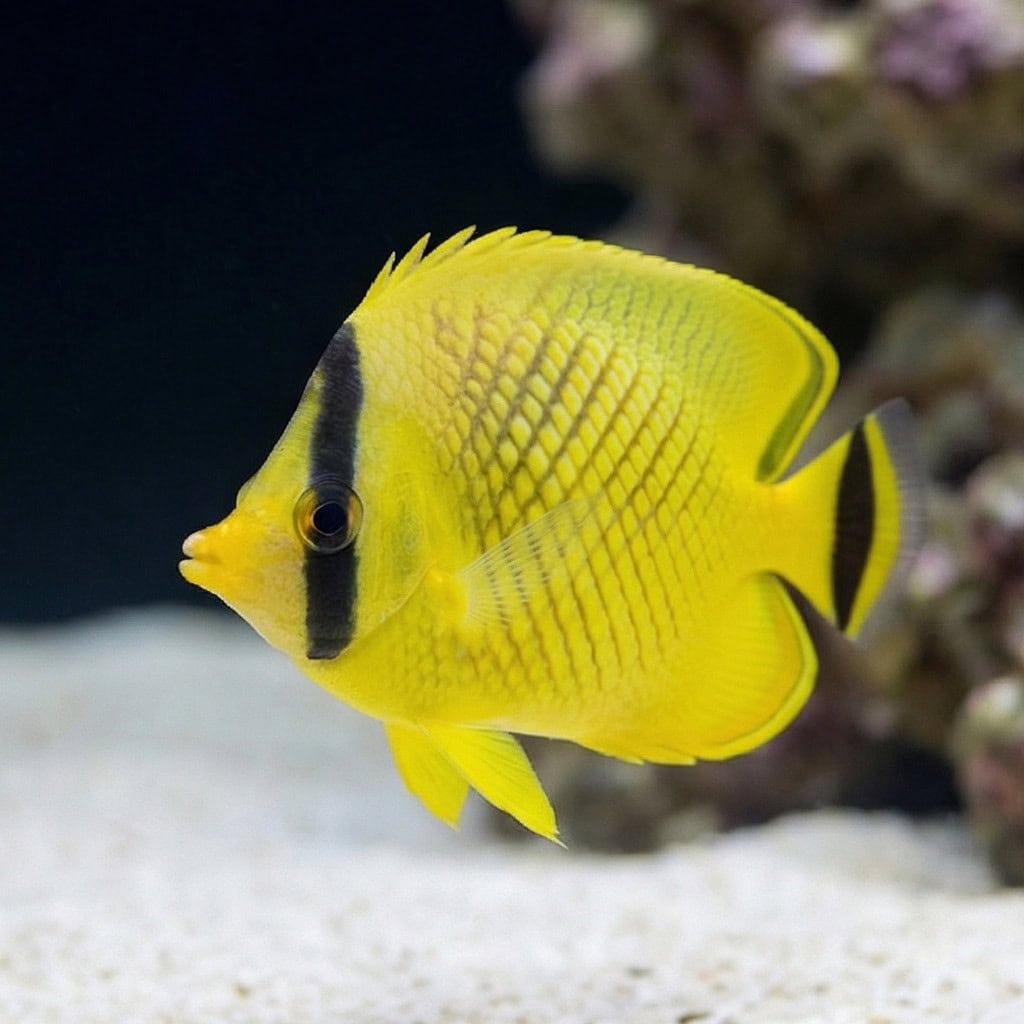
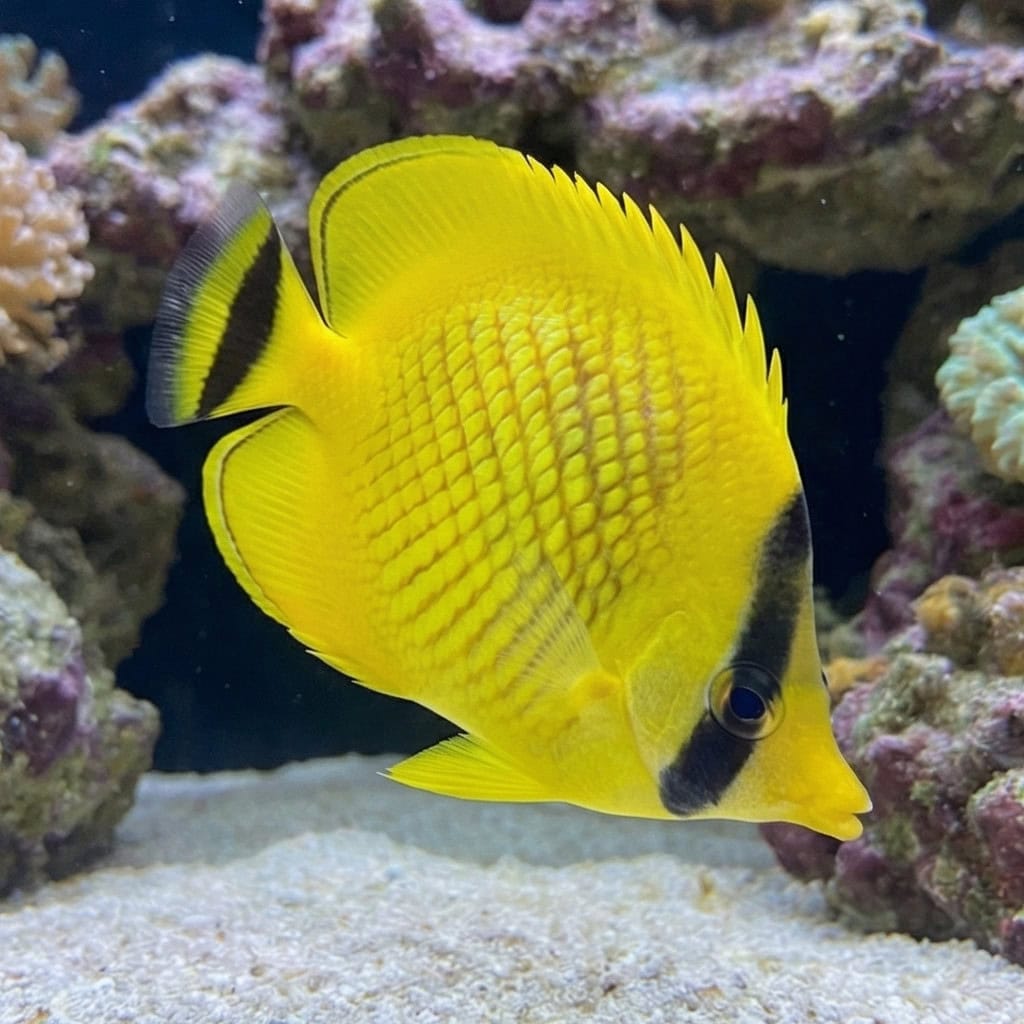
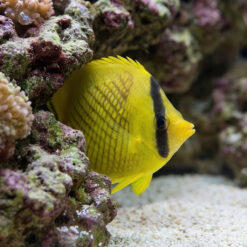
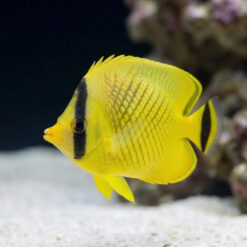
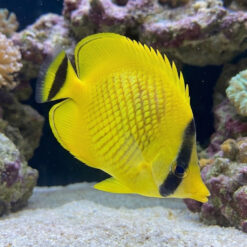
Latticed Butterfly
Chaetodon rafflesi
Original price was: $75.99.$39.99Current price is: $39.99.
| Stock | Variations | Price | Quantity | |
|---|---|---|---|---|
| Out of Stock | 2.25 - 3.5" - SSC Certified - Central Pacific | Original price was: $79.99.$41.99Current price is: $41.99. | Email me | |
| Only 4 left | 2.25" or smaller - SSC Certified - Central Pacific | Original price was: $75.99.$39.99Current price is: $39.99. |
-
+
|
Every order ships with our standard 3-hour live arrival guarantee. Need more time? Add our 5-Day Guarantee at checkout.
Full guarantee terms →Ships Monday – Thursday for next-day arrival at your nearest FedEx Hold location — typically ready by 9 AM. We monitor every delivery.
Shipping details →
Monday – Friday 8 AM – 9 PM
Saturday 12 PM – 4 PM
Sunday 12 PM – 9 PM
Healthy, stable animals from vetted suppliers — inspected before packing, shipped overnight. Decades of experience built this model so we can deliver premium livestock at 30%+ less than you'd pay elsewhere.
| Care Level | Moderate |
|---|---|
| Temperament | Peaceful |
| Reef Safe | No |
| Functional Benefit | Ornamental Only |
| Diet Type | Carnivore |
| Mininum Tank Size | 120 gallons |
| Max Size | 6 inches |
| Temperature | 72–78°F |
| pH Range | 8.1–8.4 |
| Specific Gravity | 1.022–1.025 |
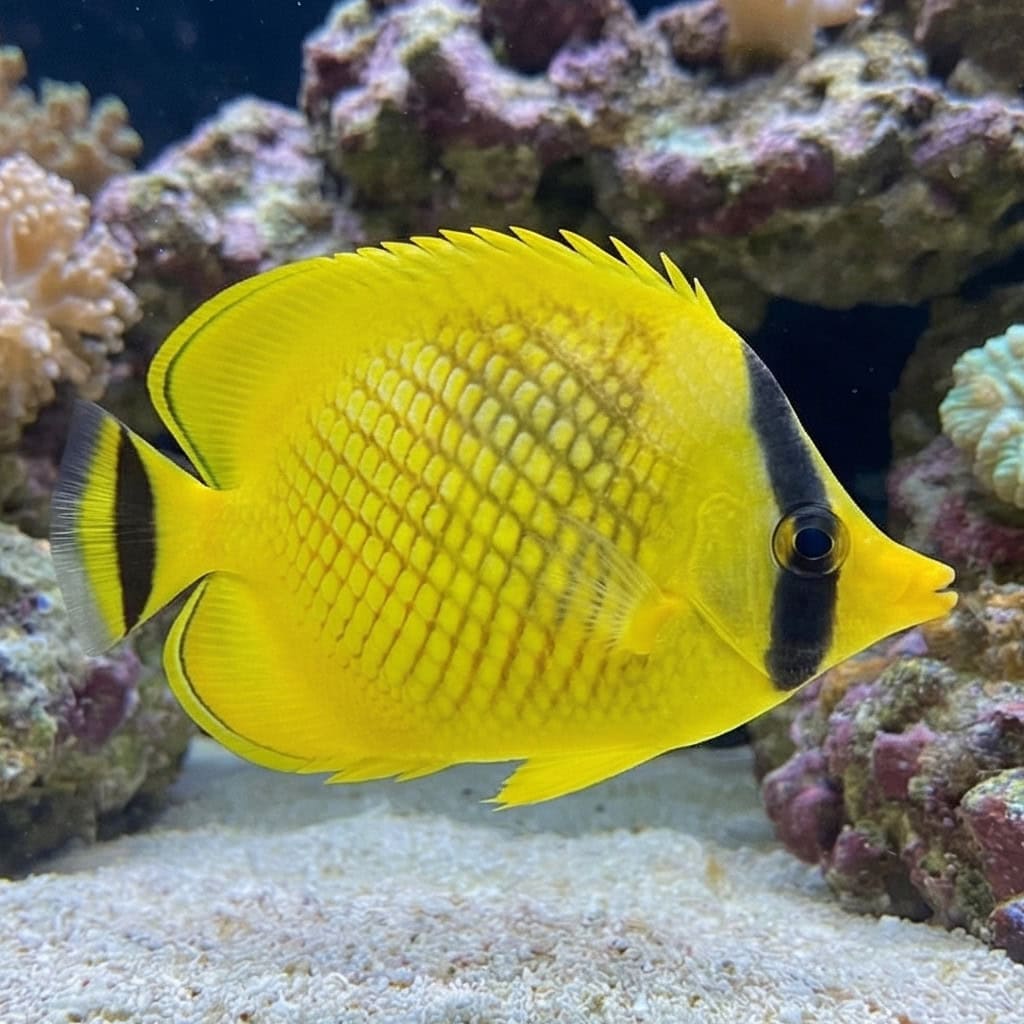
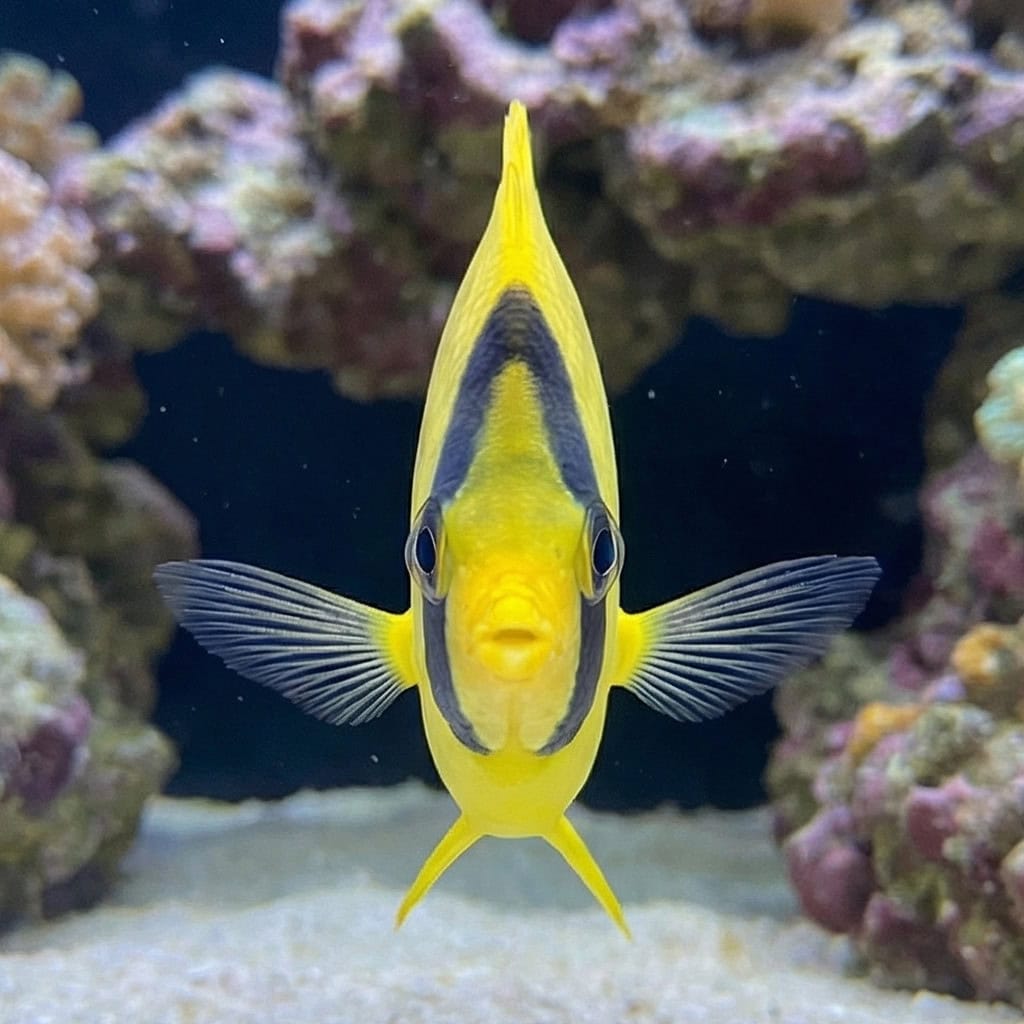
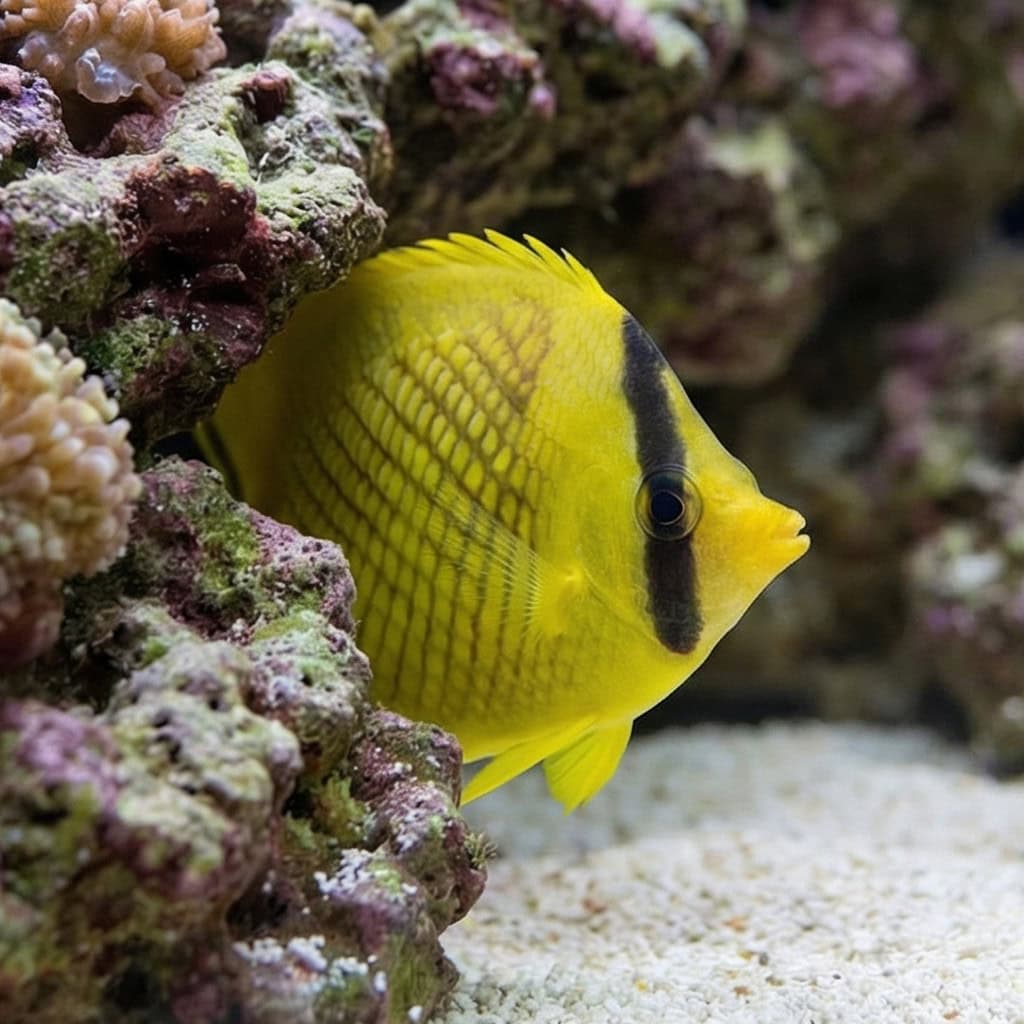
The Latticed Butterfly (Chaetodon rafflesi), also called the Raffle’s Butterflyfish, is a yellow saltwater butterflyfish with dark scale edges that form a tight “lattice” pattern, plus a bold eye band and a black bar through the tail.
In nature it feeds on items like anemones and coral polyps, so it’s best suited to fish-only or FOWLR displays where its natural picking behavior fits the setup.
What You’ll Observe:
- A steady, cruising swim pattern with frequent “inspection laps” around the rockwork
- Quick pecking at surfaces throughout the day, especially as it learns the tank’s feeding schedule
- A consistent preference for a few favorite lanes and corners as it settles into a routine
- A noticeable dark “sleeping spot” pattern that can show up when it’s resting or lights are low
Provide open swimming room with plenty of rockwork and caves so it can move between cover and open water confidently. Offer a varied mix of chopped seafood and meaty frozen foods in small portions so it can graze naturally through the day. With a calm community and a stable routine, it typically becomes more visible and consistent at feeding time.
Why does my Latticed Butterfly develop a large dark spot when it’s resting?
Many keepers report a darker “resting” pattern that shows most under low light or when the fish is settled into a sleeping spot; it usually fades once the fish is active again.
Is it normal for this fish to pick at rockwork even right after a full meal?
Yes—this species is commonly described as a constant “picker,” so between-meal pecking is part of its normal daily routine.
Can I keep two Latticed Butterflies together long-term?
They’re often observed in pairs in the wild, and hobbyists have the best results when a pair is introduced together into a spacious, established system.
Does it usually accept frozen foods, or does it need live foods to start?
Most hobbyist reports focus on getting them taking finely chopped meaty items first (mysis and similar textures), then widening variety once the fish is reliably eating.
Why does the yellow color sometimes look dull at first?
A frequently repeated observation is that coloration becomes stronger as the fish fully acclimates and settles into a consistent feeding routine.
Our selection process means you get robust, well-adjusted specimens that settle in quickly.
Recently viewed products