Leopard Wrasse
Macropharyngodon meleagris
Price range: $65.99 through $162.99
| Stock | Variations | Price | Quantity | |
|---|---|---|---|---|
| In Stock | 2.25 - 3.5" - Central Pacific | Original price was: $124.99.$65.99Current price is: $65.99. |
-
+
|
|
| Out of Stock | 2" or smaller - Indo-Pacific | Original price was: $98.99.$51.99Current price is: $51.99. | Email me | |
| Only 3 left | 3.5 - 4.75" - Central Pacific | Original price was: $132.99.$69.99Current price is: $69.99. |
-
+
|
|
| Out of Stock | 2.25 - 3.5" - SSC Certified - Central Pacific | Original price was: $124.99.$65.99Current price is: $65.99. | Email me | |
| Out of Stock | 2.25" or smaller - SSC Certified - Central Pacific | Original price was: $110.99.$58.99Current price is: $58.99. | Email me | |
| Out of Stock | 2 - 3" - Indo-Pacific | Original price was: $112.99.$59.99Current price is: $59.99. | Email me | |
| Only 3 left | 3.5 - 4.75" - Male - Central Pacific | Original price was: $310.99.$162.99Current price is: $162.99. |
-
+
|
Every order ships with our standard 3-hour live arrival guarantee. Need more time? Add our 5-Day Guarantee at checkout.
Full guarantee terms →Ships Monday – Thursday for next-day arrival at your nearest FedEx Hold location — typically ready by 9 AM. We monitor every delivery.
Shipping details →
Monday – Friday 8 AM – 9 PM
Saturday 12 PM – 4 PM
Sunday 12 PM – 9 PM
Healthy, stable animals from vetted suppliers — inspected before packing, shipped overnight. Decades of experience built this model so we can deliver premium livestock at 30%+ less than you'd pay elsewhere.
| Care Level | Expert |
|---|---|
| Temperament | Peaceful |
| Reef Safe | Yes |
| Functional Benefit | Ornamental Only |
| Diet Type | Carnivore |
| Mininum Tank Size | 90 gallons |
| Max Size | 6 inches |
| Temperature | 72–78°F |
| pH Range | 8.1–8.4 |
| Specific Gravity | 1.022–1.025 |
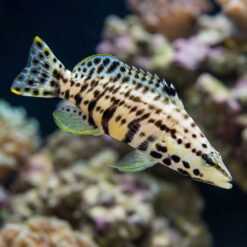
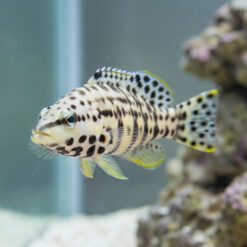
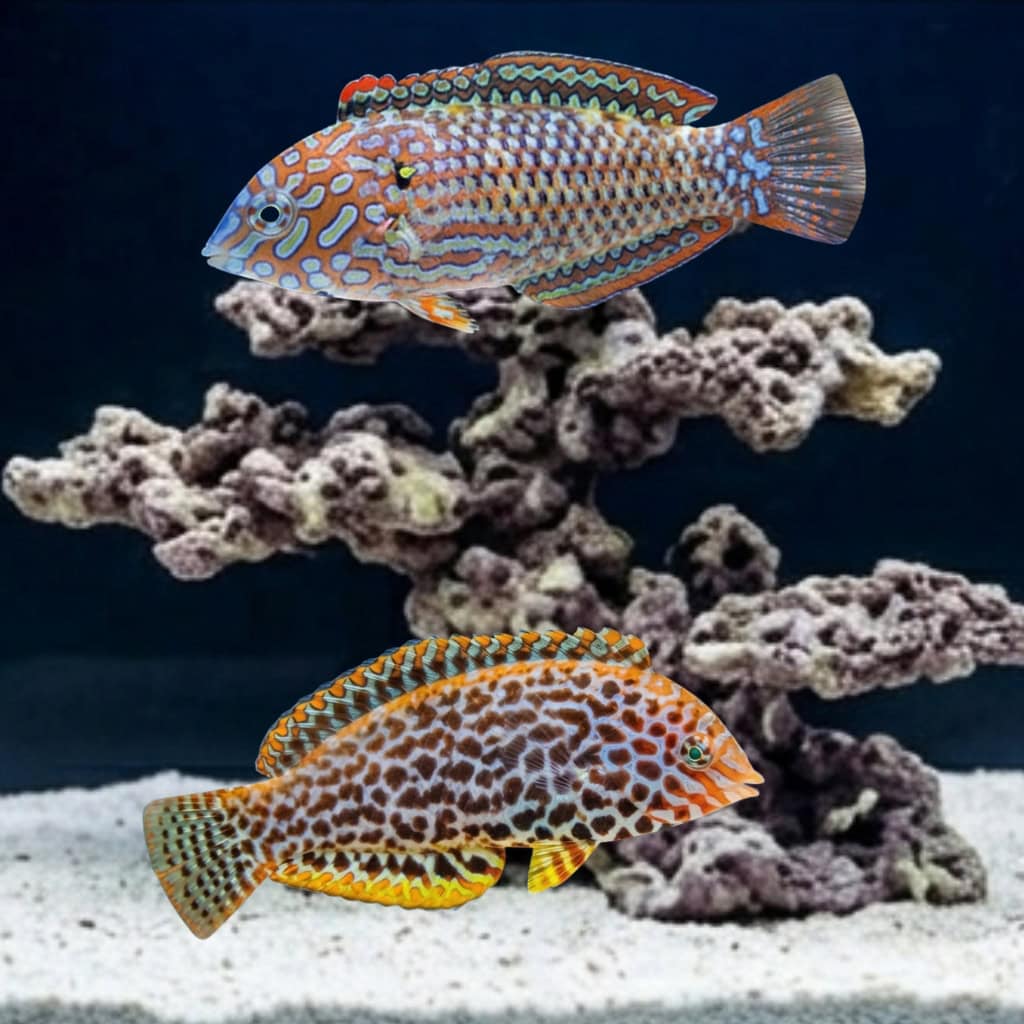
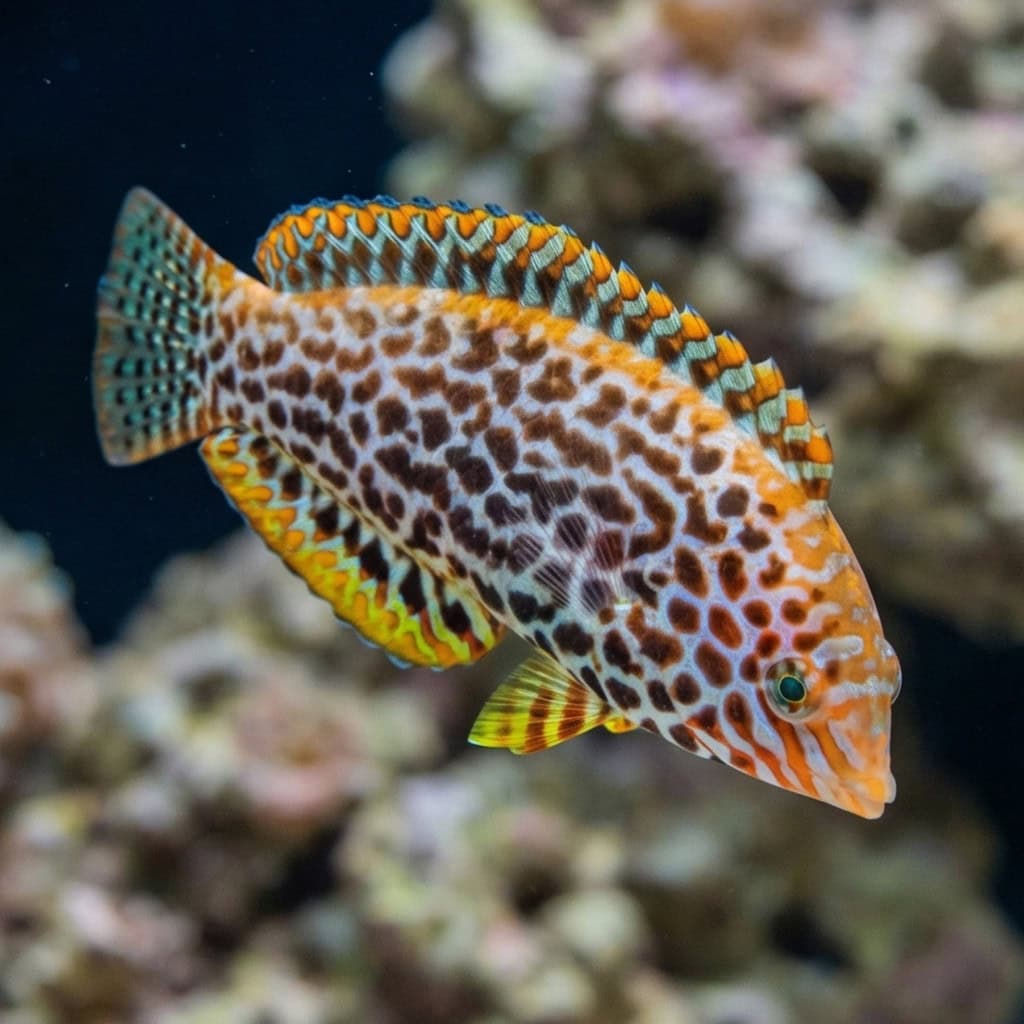
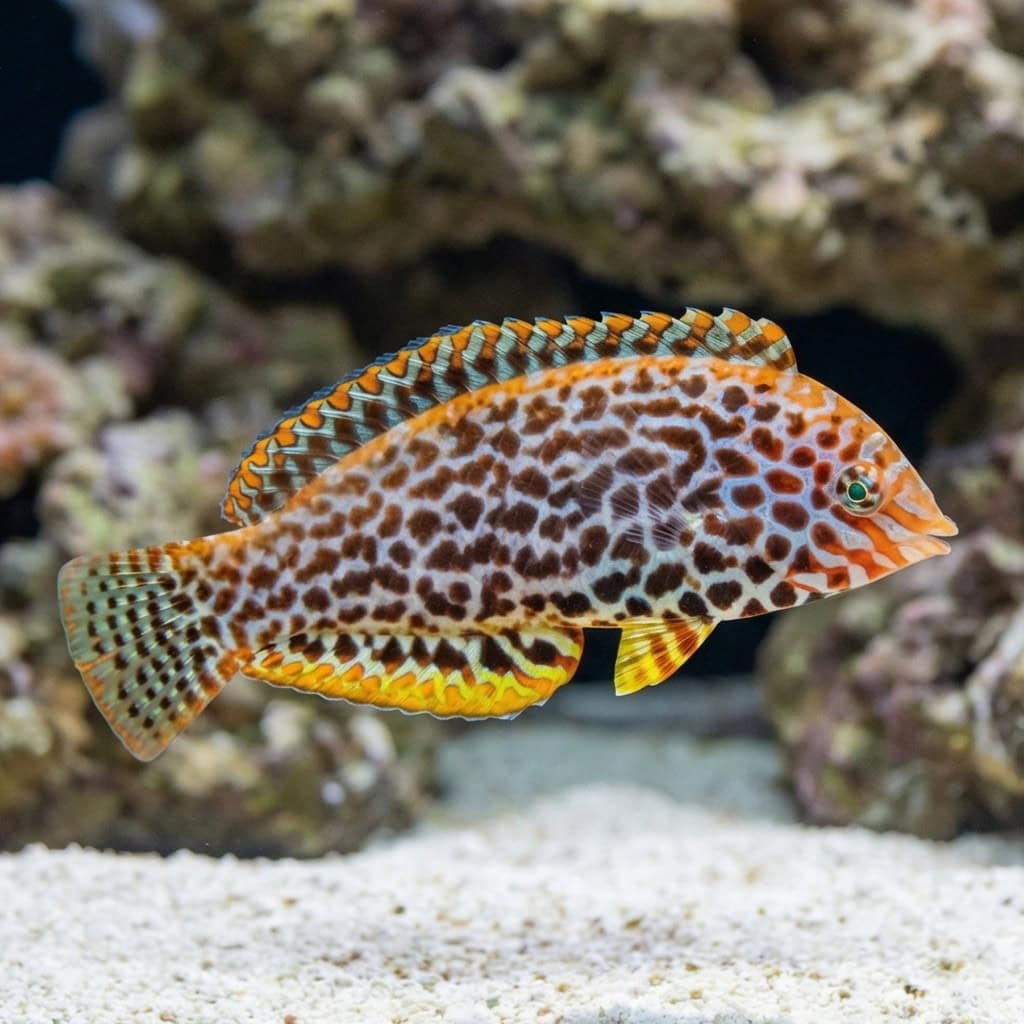
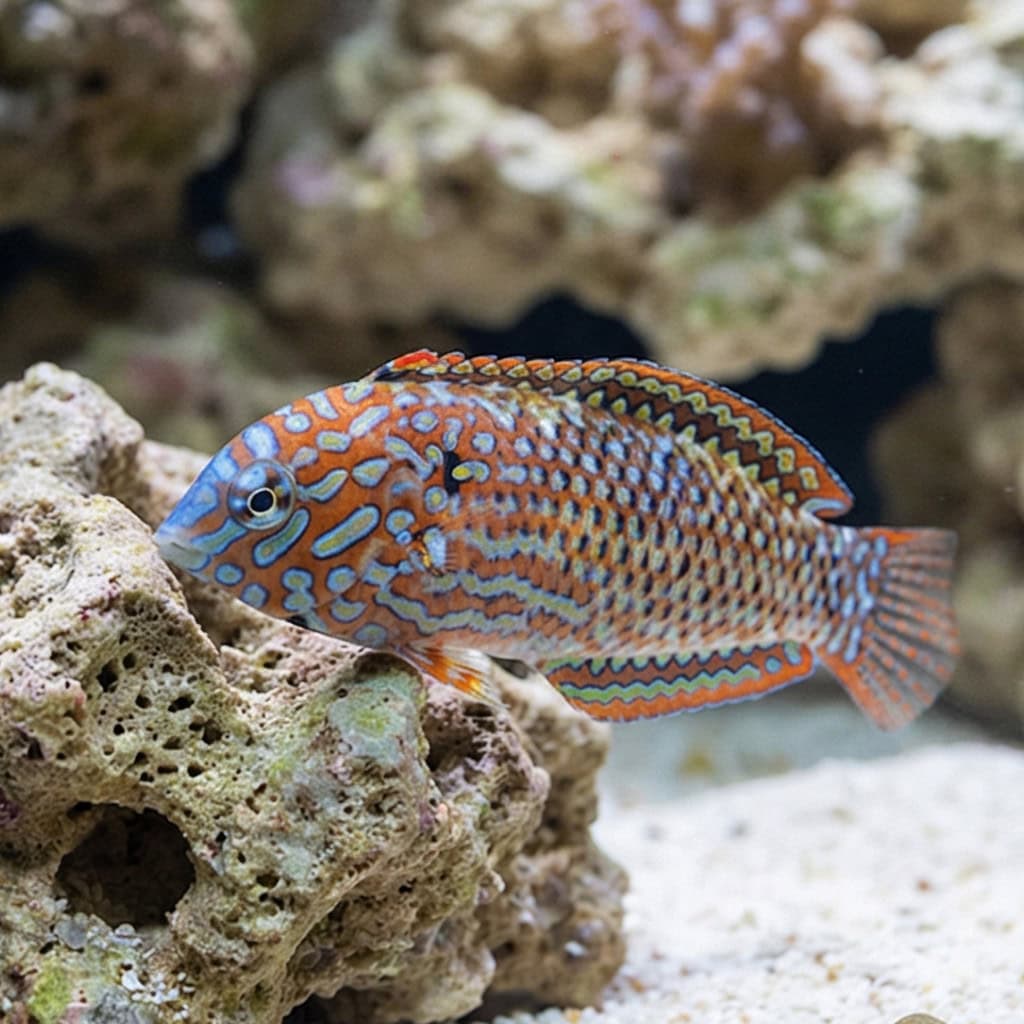
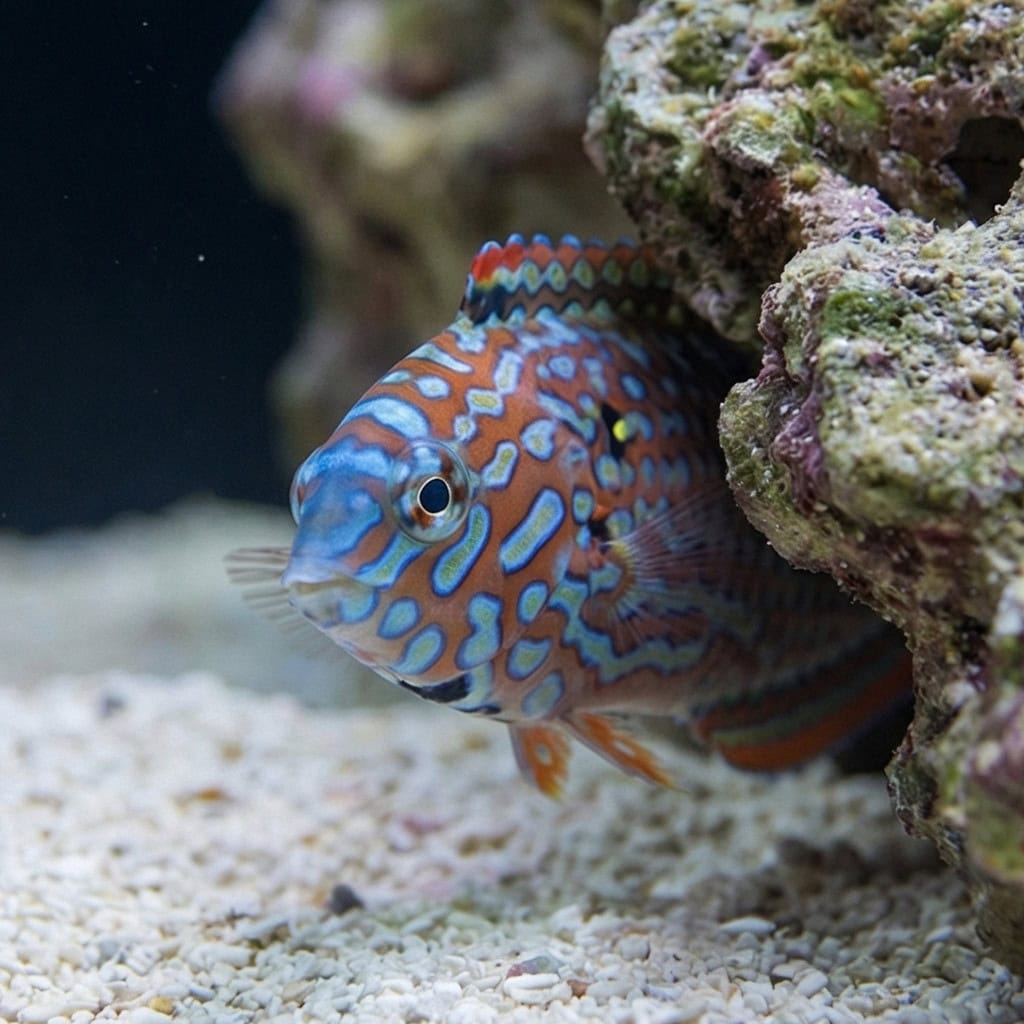
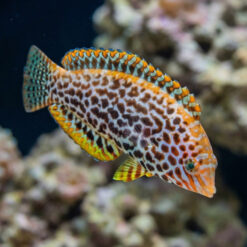
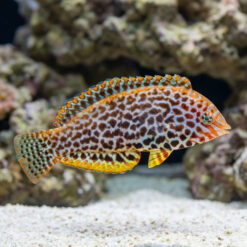
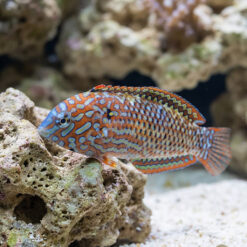
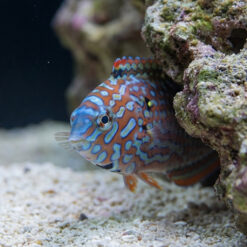
Leopard Wrasse (Macropharyngodon meleagris), also called the Guinea Fowl or Blackspotted Wrasse, is a sand-sleeping wrasse with a spot-and-mosaic pattern that differs between males and females.
In a reef aquarium it spends much of the day working the rock and sand for tiny invertebrates, then dives into the sand to rest when lights dim.
What You’ll Observe:
- Short, deliberate passes over the sand as it hunts and picks
- Frequent weaving through rockwork with quick stops to inspect crevices
- A consistent lights on routine, with activity ramping up each morning
- An evening sand dive, leaving a small puff or track behind
For best results, provide a mature reef with established live rock and a soft sand area, and offer a mix of small meaty frozen foods plus quality prepared foods in several small feedings.
Is it normal for a Leopard Wrasse to vanish into the sand for days?
Yes. Many keepers report new arrivals staying buried up to 1–2 weeks before they settle into a visible daily routine.
Should I dig it up if I can’t find it?
No—leave the sand bed undisturbed and let it come out on its own schedule.
What sand depth and grain size works best for sand-sleeping wrasses?
Fine sand is commonly preferred, with at least about 2 inches available in one area for burrowing.
Will it eat pellets right away?
Often it starts with frozen foods and begins taking pellets after it’s been established for a while.
Can I keep multiple Leopard Wrasses together?
Some aquarists add a small group at the same time; over time, the dominant fish may become the male.
Each fish is checked for strong appetite and activity before we approve it for your tank.
Recently viewed products