
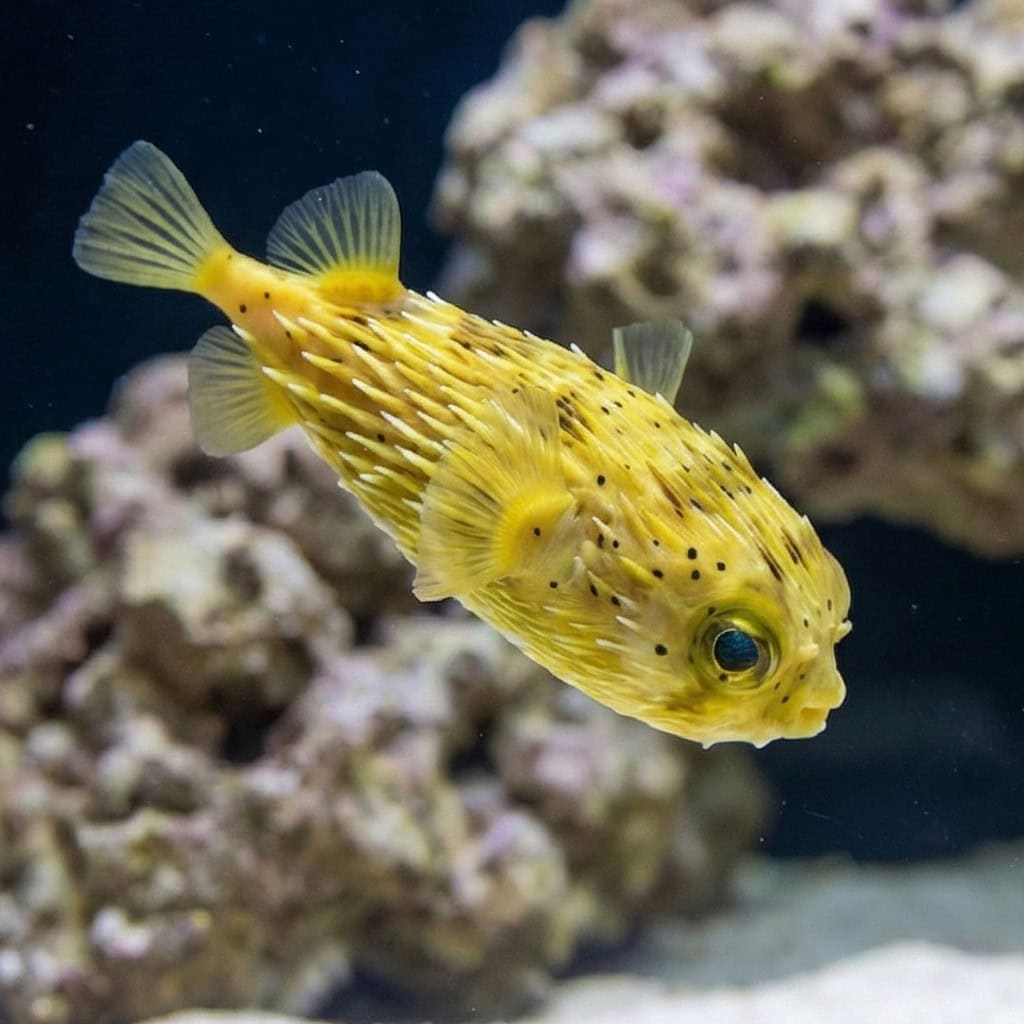
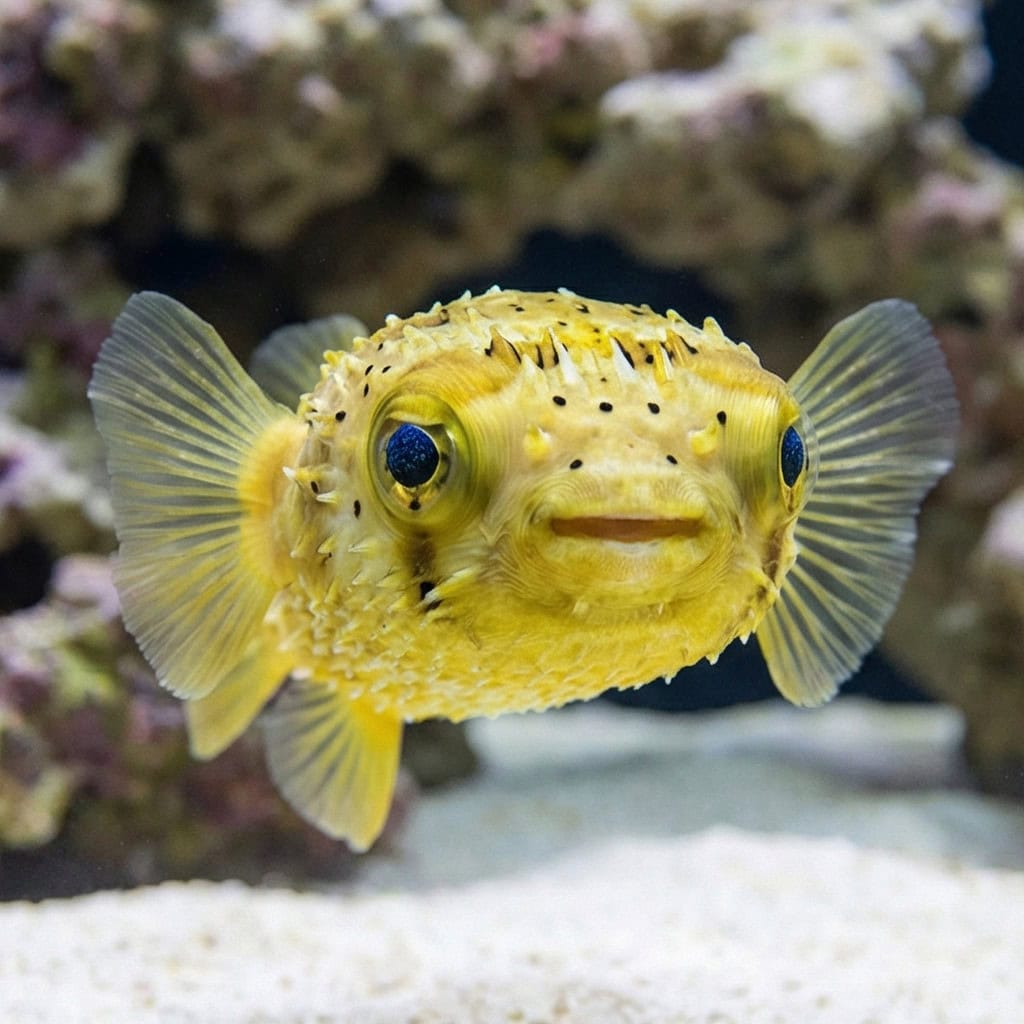
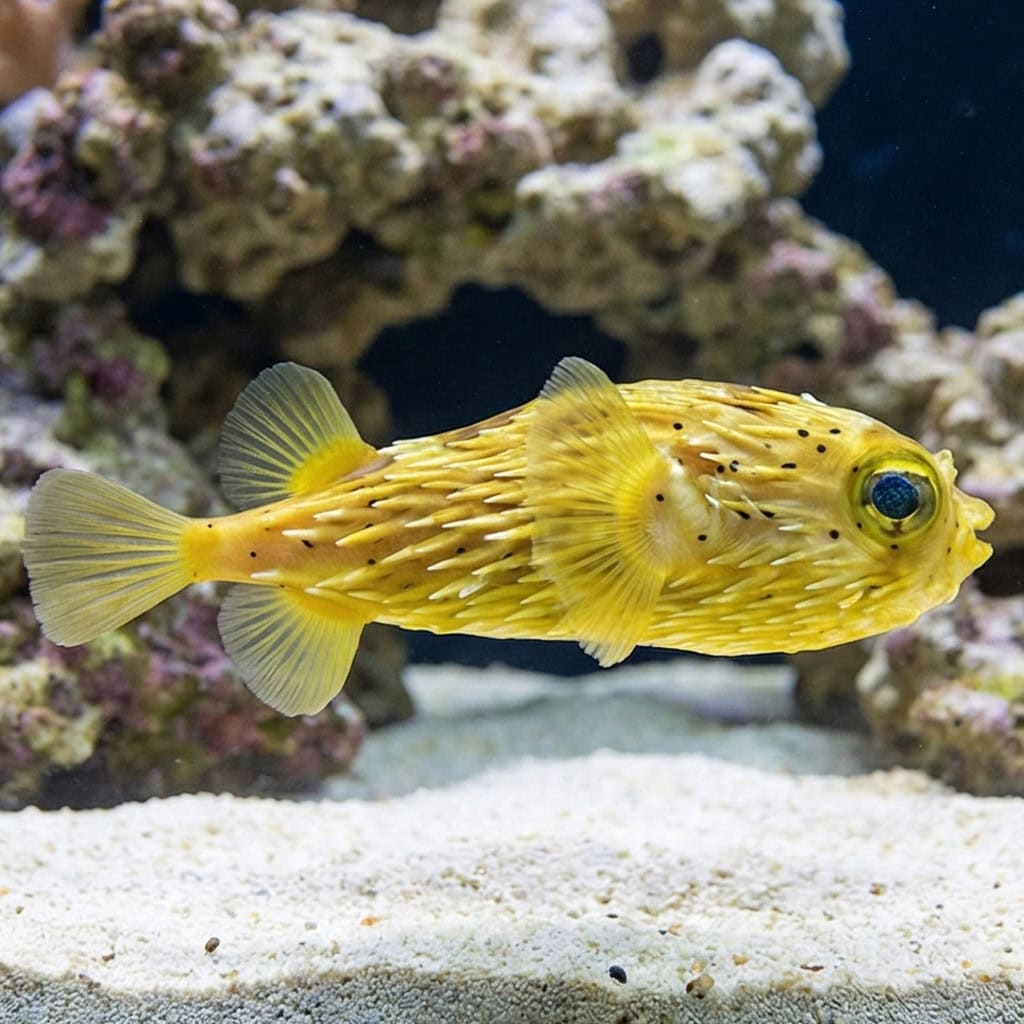
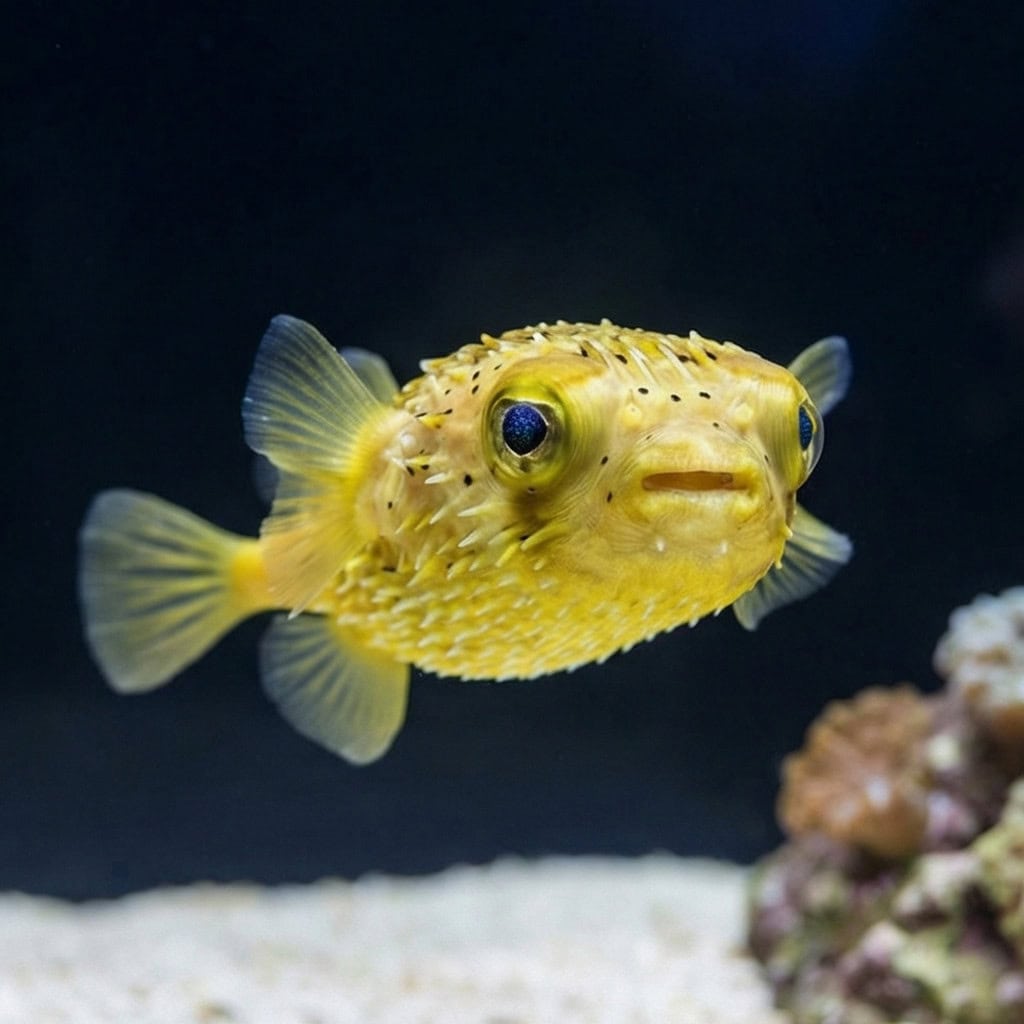
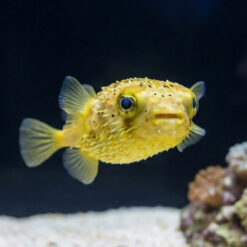
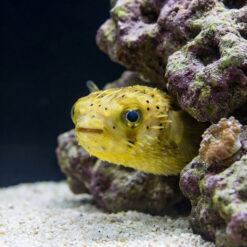
Long-Spine Porcupine Puffer
Diodon holocanthus
| Stock | Variations | Price | Quantity | |
|---|---|---|---|---|
| Out of Stock | 4.5 - 5.5" - East Pacific | Original price was: $221.99.$116.99Current price is: $116.99. | Email me | |
| Out of Stock | 2.75 - 3.75" - East Pacific | Original price was: $199.99.$104.99Current price is: $104.99. | Email me | |
| Out of Stock | 3.75 - 4.5" - East Pacific | Original price was: $208.99.$109.99Current price is: $109.99. | Email me |
Every order ships with our standard 3-hour live arrival guarantee. Need more time? Add our 5-Day Guarantee at checkout.
Full guarantee terms →Ships Monday – Thursday for next-day arrival at your nearest FedEx Hold location — typically ready by 9 AM. We monitor every delivery.
Shipping details →
Monday – Friday 8 AM – 9 PM
Saturday 12 PM – 4 PM
Sunday 12 PM – 9 PM
Healthy, stable animals from vetted suppliers — inspected before packing, shipped overnight. Decades of experience built this model so we can deliver premium livestock at 30%+ less than you'd pay elsewhere.
| Care Level | Moderate |
|---|---|
| Temperament | Semi-Aggressive |
| Reef Safe | No |
| Functional Benefit | Ornamental Only |
| Diet Type | Omnivore |
| Mininum Tank Size | 180 gallons |
| Max Size | 12 inches |
| Temperature | 72–78°F |
| pH Range | 8.1–8.4 |
| Specific Gravity | 1.022–1.025 |
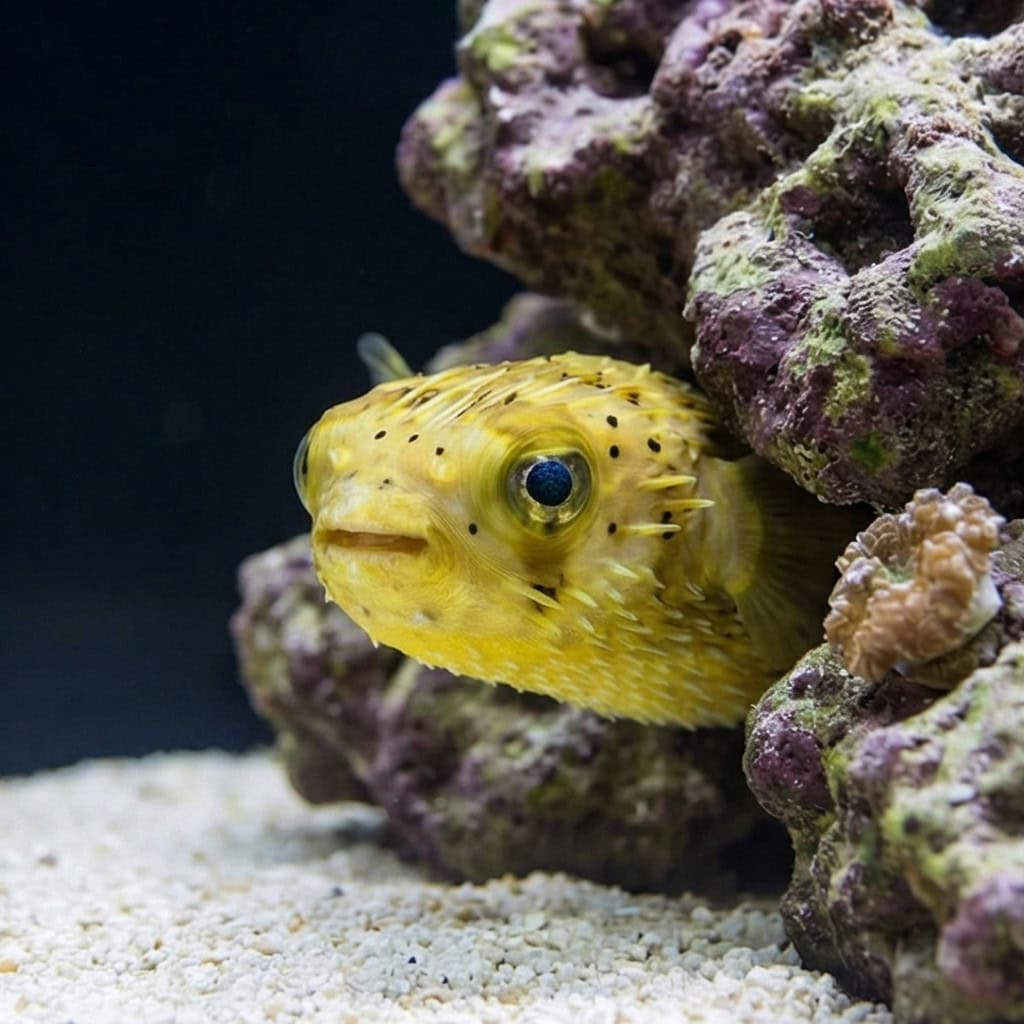
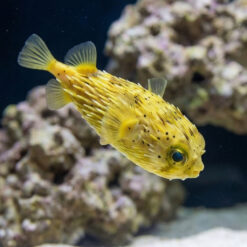
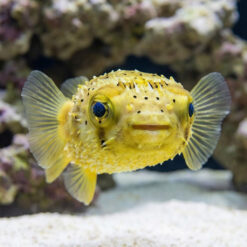
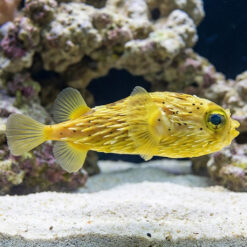
The Long-Spine Porcupine Puffer (Diodon holocanthus) is a large, fish-only (FOWLR) show fish with a light tan base color, dark blotches, and long spines that lay flat until it inflates. It “flies” through the water using its pectoral fins and often looks directly at you from the front glass.
What You’ll Observe:
- Slow cruising and hovering, with frequent “checking in” at the front of the tank when you walk by
- Daytime use of ledges and caves, followed by more exploring as the lights ramp down
- Powerful crunching bites on thicker foods, using a fused, beak-like mouth
- A consistent routine of learning feeding times and coming out quickly for meals
To succeed, provide a spacious aquarium with open swimming room plus rockwork caves, along with strong filtration and a protein skimmer to match its heavy feeding style. Offer a varied menu of meaty foods (like shrimp, squid, krill, and clams), including hard-shelled items to naturally wear down the continuously growing teeth. Keeping it as a single “centerpiece” fish is often the simplest way to maintain a steady routine long-term.
Why do porcupine puffers sometimes “pace” the front glass when you enter the room?
Many learn to associate your presence with feeding time, so the pacing is often attention-seeking and part of their routine.
How often should you include hard-shelled foods versus softer frozen foods?
A mix works well long-term; many keepers rotate softer foods for variety while regularly including shell-on items so the beak stays naturally worn.
Is it normal for them to act hungry all the time?
Yes—many are persistent beggars even right after a meal, so using a consistent feeding schedule helps keep behavior predictable.
What should you do if it inflates and takes in air near the surface?
Keep the environment calm and lights steady; most will deflate on their own once they feel secure and stop reacting.
Do they become “interactive” with their owner over time?
Often, yes—many keepers report recognition behaviors like greeting at the glass and calmly taking food from feeding tools once settled in.
Shipped with pure oxygen and temperature control so it arrives stress-free and ready to eat.
Recently viewed products