
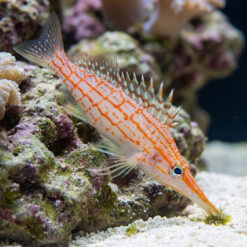
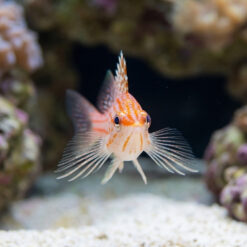
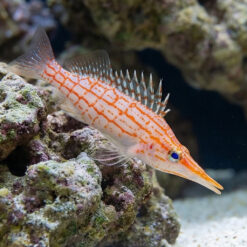
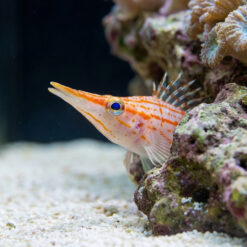
Longnose Hawkfish
Oxycirrhites typus
Original price was: $132.99.$69.99Current price is: $69.99.
| Stock | Variations | Price | Quantity | |
|---|---|---|---|---|
| Out of Stock | 2 - 3" - East Pacific | Original price was: $147.99.$77.99Current price is: $77.99. | Email me | |
| Out of Stock | 3 - 4" - Indian Ocean | Original price was: $172.99.$90.99Current price is: $90.99. | Email me | |
| Out of Stock | 2" or smaller - Indo-Pacific | Original price was: $117.99.$61.99Current price is: $61.99. | Email me | |
| In Stock | 2 - 3" - Indo-Pacific | Original price was: $132.99.$69.99Current price is: $69.99. |
-
+
|
|
| Out of Stock | 2 - 3" - Indian Ocean | Original price was: $150.99.$79.99Current price is: $79.99. | Email me |
Every order ships with our standard 3-hour live arrival guarantee. Need more time? Add our 5-Day Guarantee at checkout.
Full guarantee terms →Ships Monday – Thursday for next-day arrival at your nearest FedEx Hold location — typically ready by 9 AM. We monitor every delivery.
Shipping details →
Monday – Friday 8 AM – 9 PM
Saturday 12 PM – 4 PM
Sunday 12 PM – 9 PM
Healthy, stable animals from vetted suppliers — inspected before packing, shipped overnight. Decades of experience built this model so we can deliver premium livestock at 30%+ less than you'd pay elsewhere.
| Care Level | Easy |
|---|---|
| Temperament | Semi-Aggressive |
| Reef Safe | With Caution |
| Functional Benefit | Ornamental Only |
| Diet Type | Carnivore |
| Mininum Tank Size | 30 gallons |
| Max Size | 5 inches |
| Temperature | 72–78°F |
| pH Range | 8.1–8.4 |
| Specific Gravity | 1.022–1.025 |
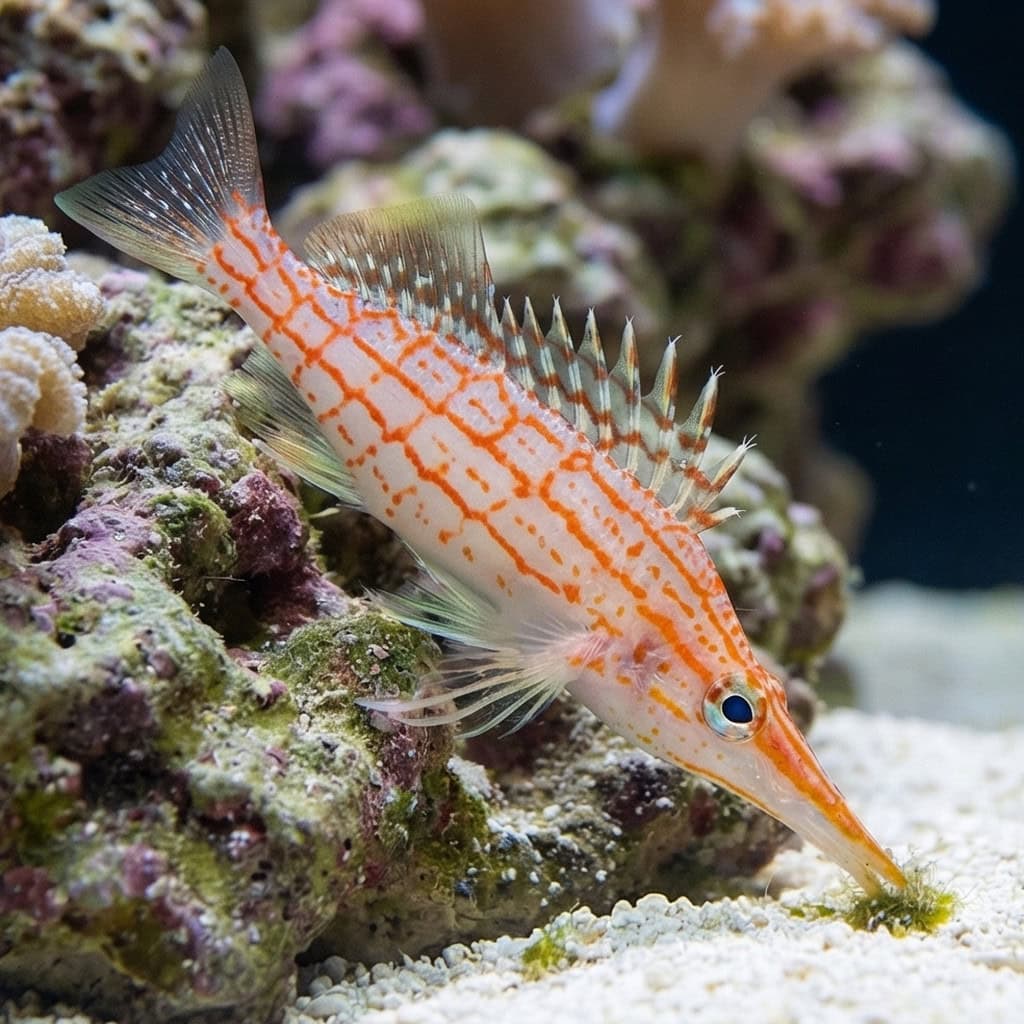
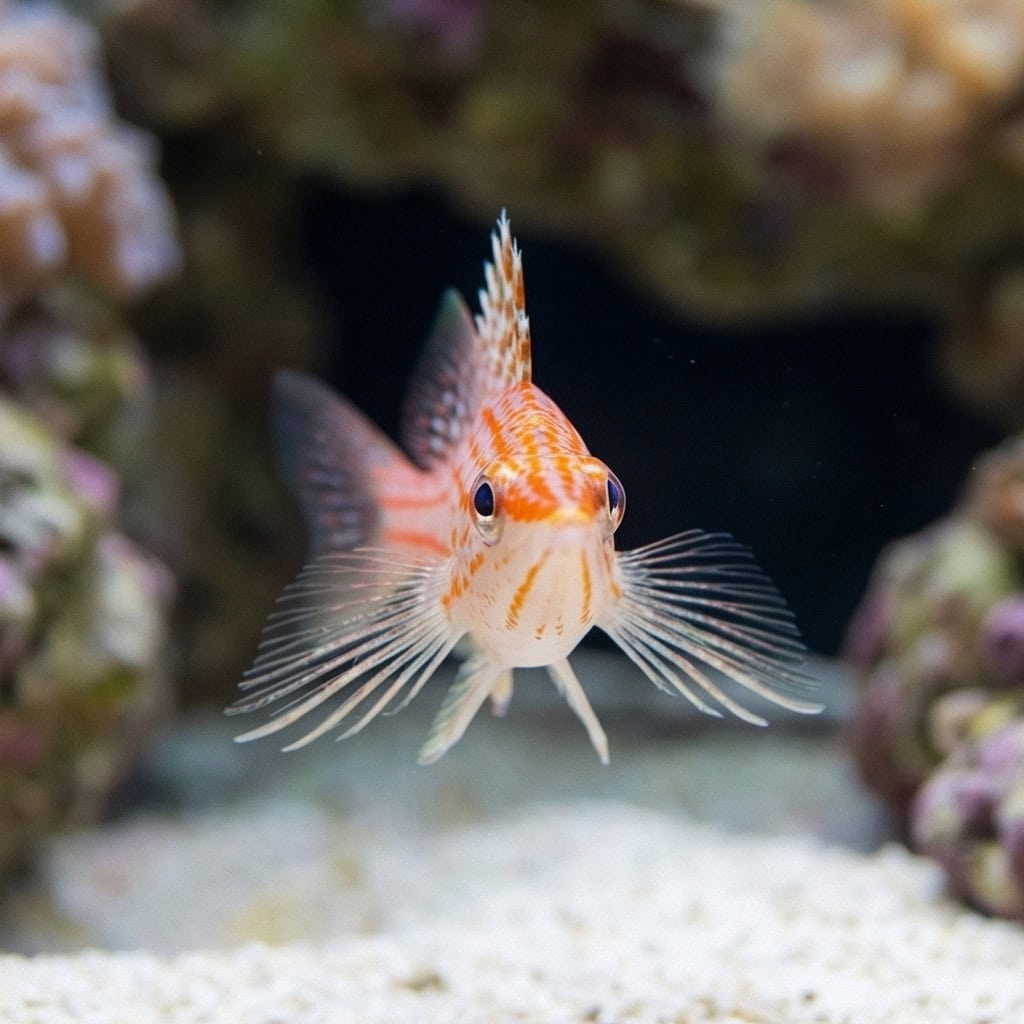
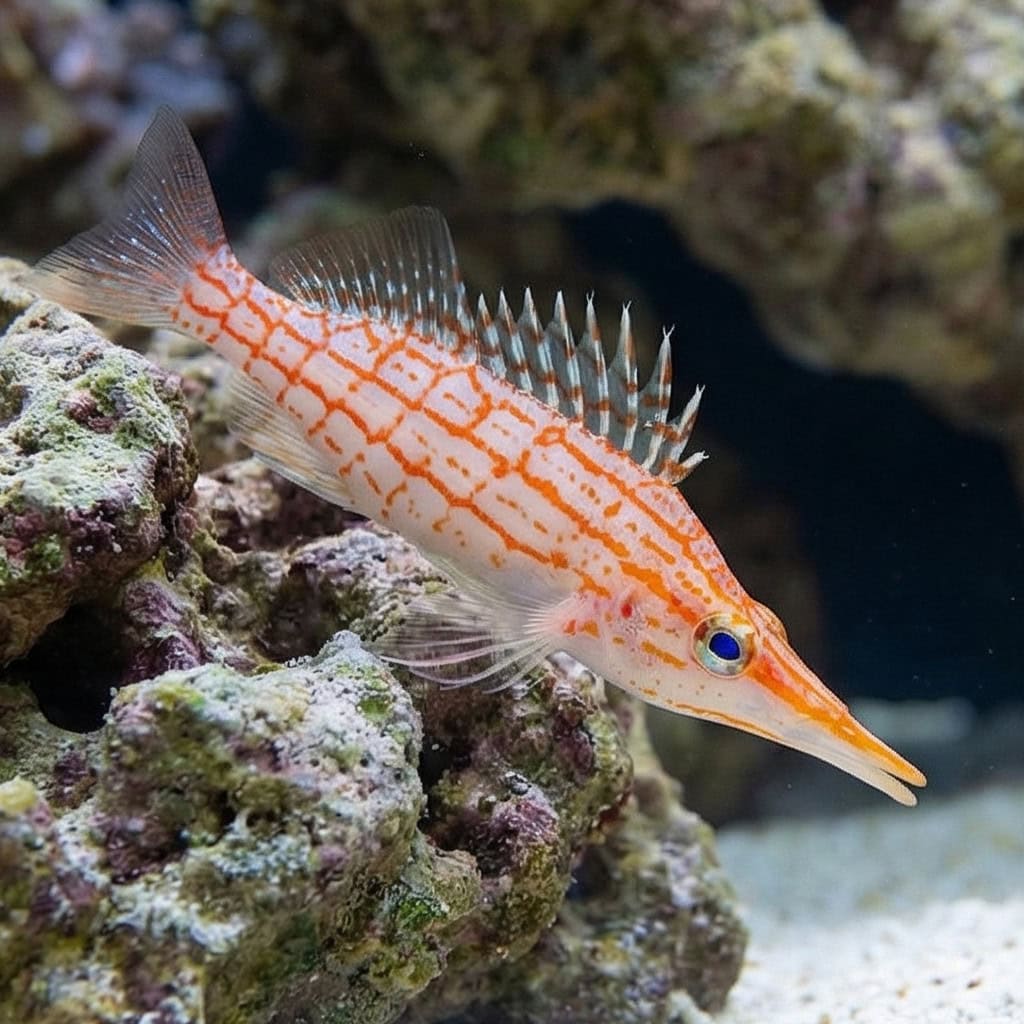
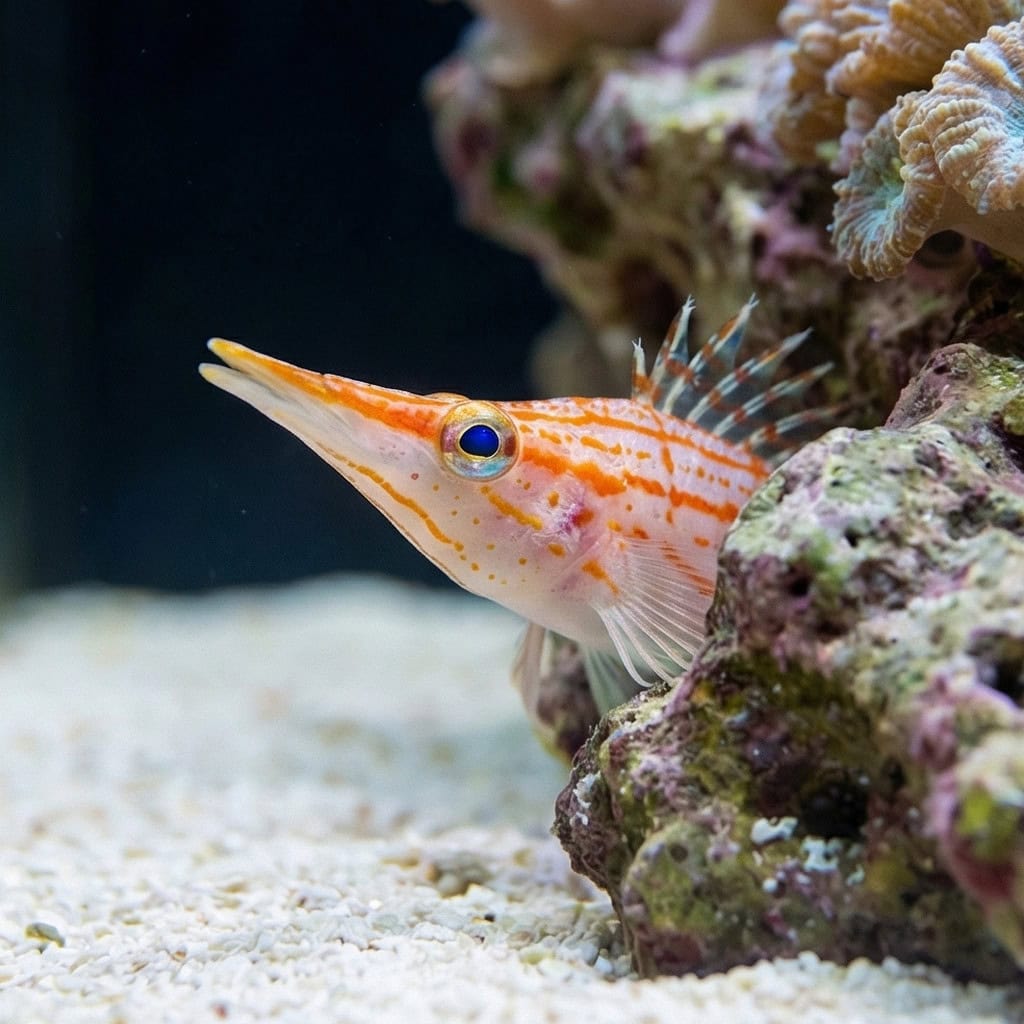
The Longnose Hawkfish (Oxycirrhites typus) is a reef-associated perch-and-pounce predator with a cream base color and a red grid pattern across the body, plus an elongated snout that gives it its name. In home aquariums it often adopts high lookout spots on rockwork and branching decor, especially structures that mimic sea fans and gorgonians.
What You’ll Observe:
- Perching on a favorite “lookout” and tracking movement in the room with quick eye and head turns
- Short, controlled bursts of swimming between perches instead of constant open-water cruising
- A routine of holding position in the water column briefly, then settling back onto a ledge or branch
- More visible, “front of the tank” behavior once it recognizes feeding time and your daily schedule
Provide stable rockwork with multiple narrow ledges and branching perches so it can choose secure resting points throughout the day. Offer a variety of small meaty foods (like mysis, finely chopped seafood, or quality frozen blends) and feed in a way that lets food drift past its perches. In mixed reefs, it does best when tankmates allow it to hold its preferred perching zones without constant close-range crowding.
Will it bother corals even if it doesn’t “nip” them?
Many keepers notice it may sit on or “lean into” soft corals and fleshy polyps as a resting spot; adding alternative perches higher than the rockline often redirects that behavior.
Why does mine spend so much time sitting still?
That’s typical hawkfish behavior—they often “hunt by watching,” then move in short bursts when something interests them.
How do I encourage it to take frozen food quickly?
Start with smaller items (mysis, calanus, finely chopped shrimp) and deliver them near its favorite perch; once it associates that spot with feeding, it usually transitions smoothly.
Does it need a specific kind of perch or “sea fan” structure?
It doesn’t require live gorgonians, but it often uses thin, branching structures more naturally than flat rock shelves—reef-safe faux branches or branching rock can work well.
Why does it sometimes focus attention on very slim, darting fish?
Some long-bodied or hovering species can trigger closer “inspection” behavior; keeping clear sight breaks and multiple perching stations helps spread out interactions.
Each fish is checked for strong appetite and activity before we approve it for your tank.
Recently viewed products