
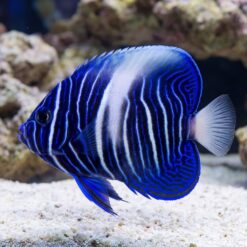
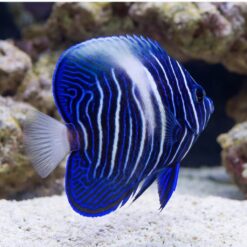
Maculosus Angelfish
Pomacanthus maculosus cf.
| Stock | Variations | Price | Quantity |
|---|
Every order ships with our standard 3-hour live arrival guarantee. Need more time? Add our 5-Day Guarantee at checkout.
Full guarantee terms →Ships Monday – Thursday for next-day arrival at your nearest FedEx Hold location — typically ready by 9 AM. We monitor every delivery.
Shipping details →
Monday – Friday 8 AM – 9 PM
Saturday 12 PM – 4 PM
Sunday 12 PM – 9 PM
Healthy, stable animals from vetted suppliers — inspected before packing, shipped overnight. Decades of experience built this model so we can deliver premium livestock at 30%+ less than you'd pay elsewhere.
| Care Level | Easy |
|---|---|
| Temperament | Semi-Aggressive |
| Reef Safe | With Caution |
| Functional Benefit | Ornamental Only |
| Diet Type | Omnivore |
| Mininum Tank Size | 250 gallons |
| Max Size | 18 inches |
| Temperature | 72–78°F |
| pH Range | 8.1–8.4 |
| Specific Gravity | 1.022–1.025 |
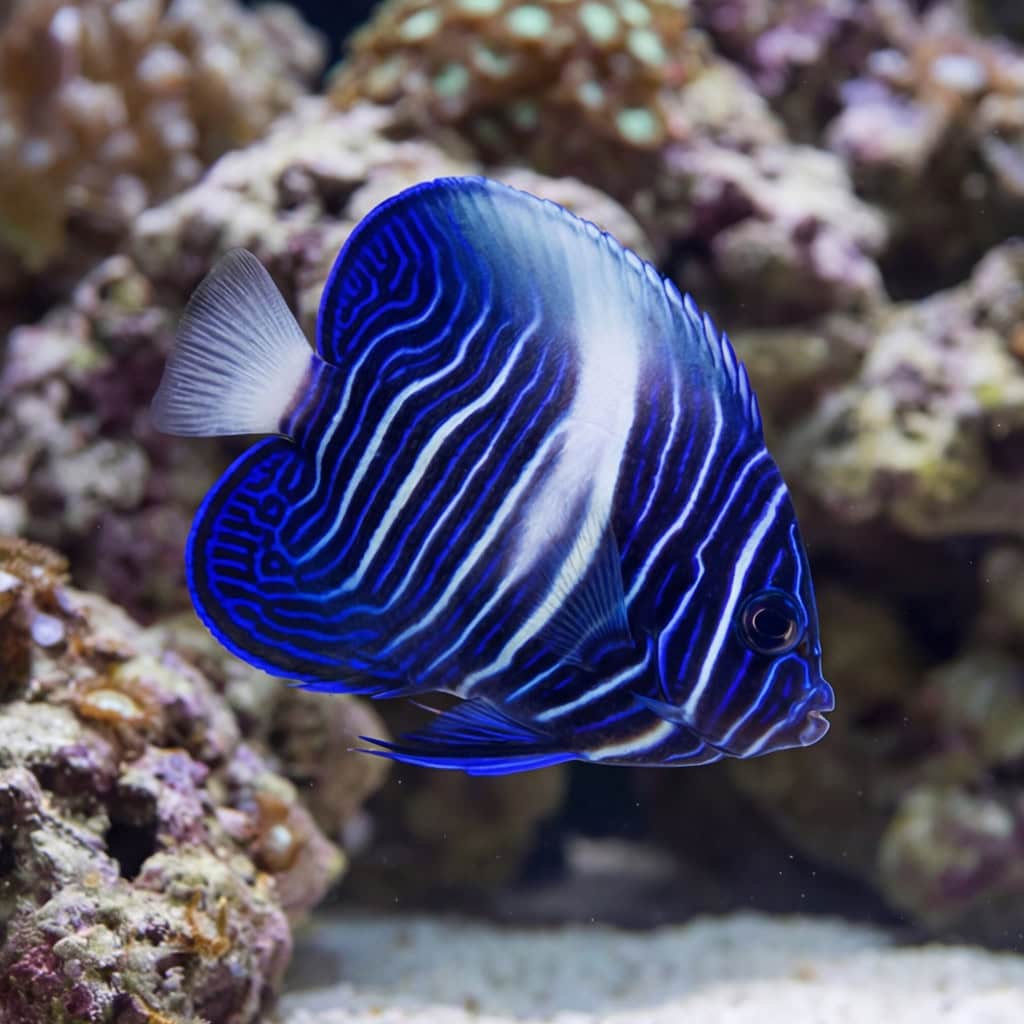
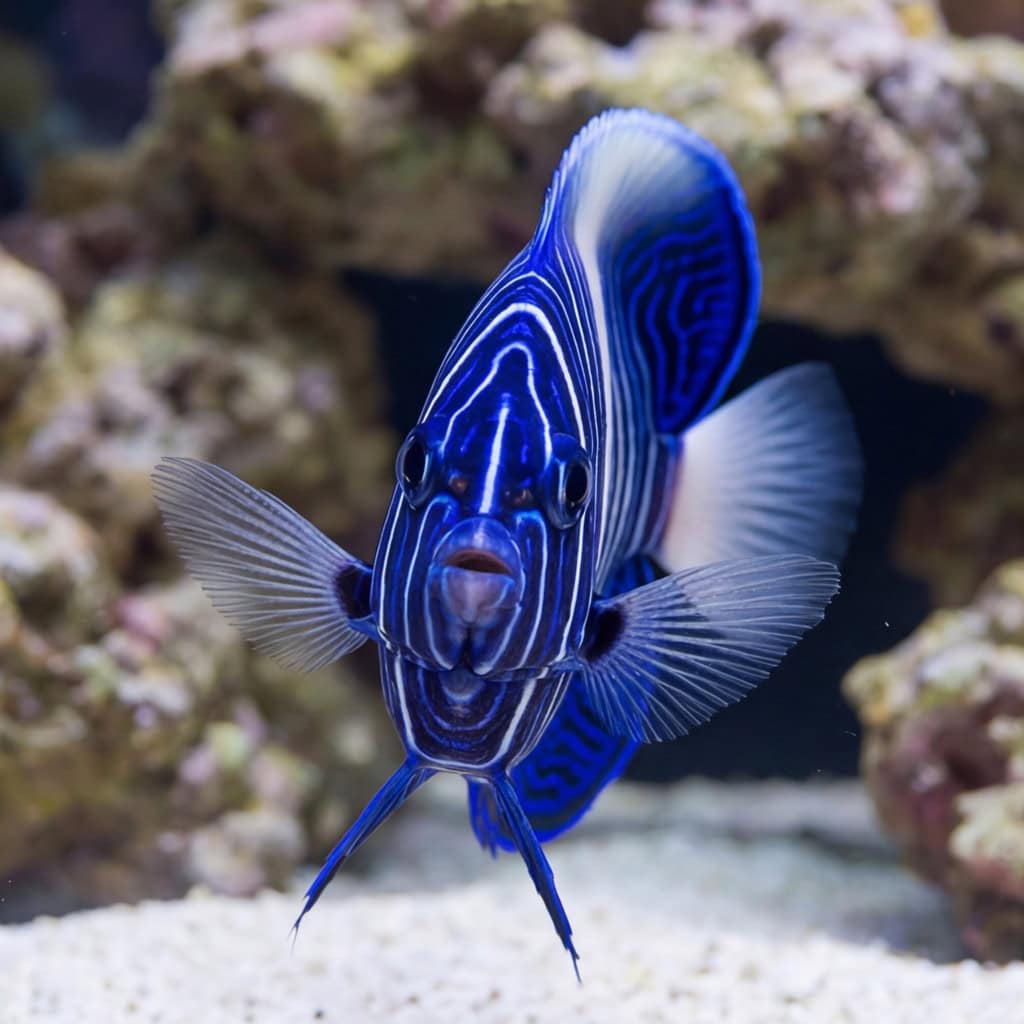
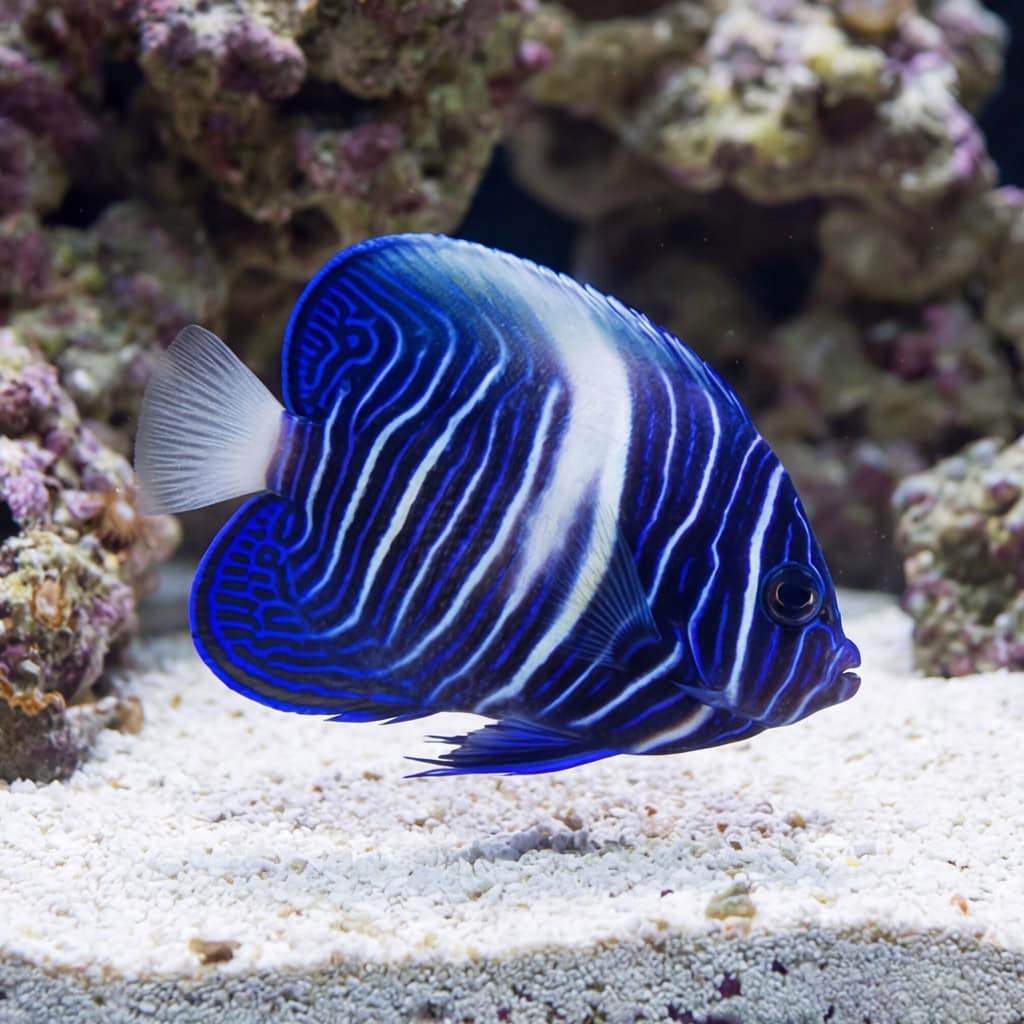
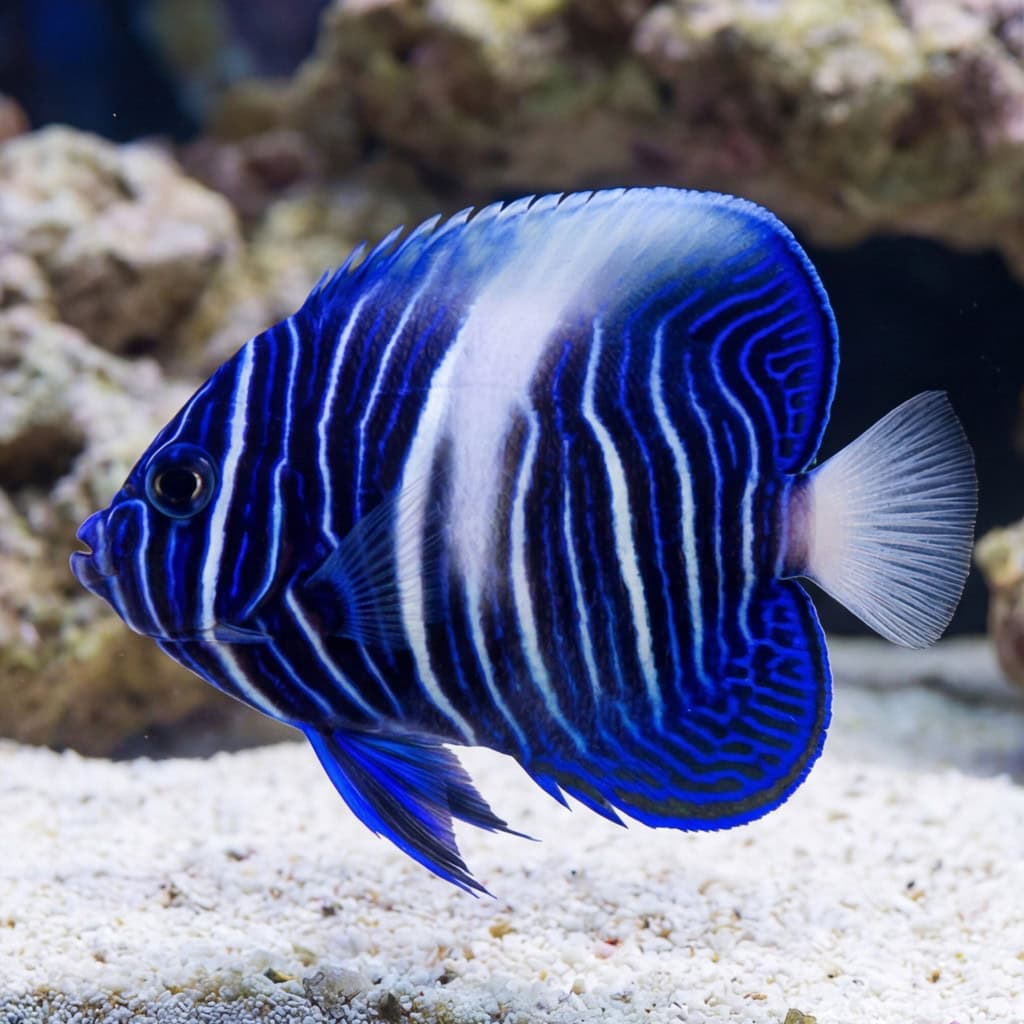
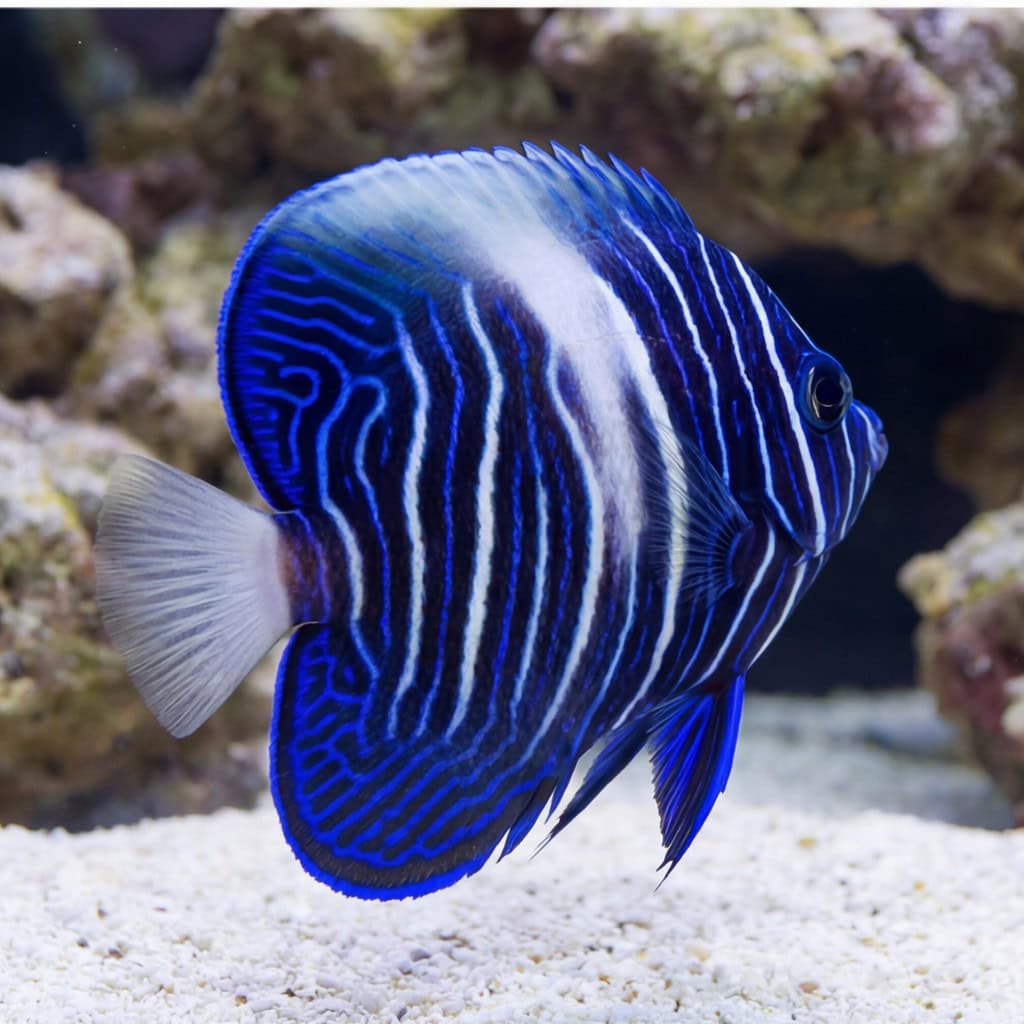
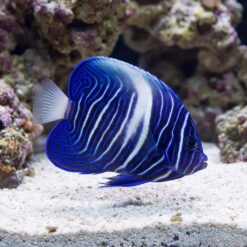
The Maculosus Angelfish (Pomacanthus maculosus) is also known as the Yellowbar/Yellow-band, Map, or Blue Moon Angelfish. Adults show a deep blue body with an irregular vertical yellow bar, while juveniles display contrasting light vertical markings that fade as the fish matures.
What You’ll Observe:
- Cruises open water and rockwork in steady, confident laps, then returns to a favorite cave or overhang
- A noticeable shift in pattern as it grows, with adult colors becoming more defined over time
- Quick recognition of feeding routines and strong “front glass” presence at mealtime
- Regular picking at rock surfaces between feedings as it explores the aquascape
- Clear awareness of territory, especially around its chosen shelter area
To succeed, provide abundant live rock and multiple caves so it can establish a consistent retreat while still having open swimming lanes. Offer a varied menu that mixes algae-based foods with meaty items, plus angelfish diets that include sponge material, split into multiple smaller feedings. With its adult size and presence, it does best when given space and stable day-to-day conditions.
How can I tell a Maculosus Angelfish from an Asfur Angelfish once they start changing color?
Most hobbyists use tail color as the quick check’Maculosus typically keeps a paler/clearer tail compared with the solid yellow tail commonly associated with Asfur.
Do Maculosus Angelfish “claim” a sleeping spot in the rockwork?
Many keepers report they pick a specific cave or overhang early on and return to it daily, especially after lights out.
What’s the most common “reef safe with caution” behavior people notice over time?
A frequent theme is occasional sampling of certain corals or clam mantles, with some individuals showing little interest and others developing a repeat habit on specific targets.
Will a Maculosus Angelfish still act reserved after it’s eating well?
It’s common for them to become very visible at feeding time but stay more structured in their routes the rest of the day’often making quick passes and then returning to their preferred cover.
Can I keep this angelfish with other large angelfish if the tank is big enough?
Hobbyists often focus on introduction order and giving multiple “territory options” (separate cave zones) to spread attention and reduce repeated face-offs.
Shipped with pure oxygen and temperature control so it arrives stress-free and ready to eat.
Recently viewed products