Many Banded Pipefish
Dunckerocampus pessuliferus
Price range: $90.99 through $97.99
| Stock | Variations | Price | Quantity | |
|---|---|---|---|---|
| Only 7 left | 3.5 - 4.75" - Indo-Pacific | Original price was: $186.99.$97.99Current price is: $97.99. |
-
+
|
|
| In Stock | 2.25 - 3.5" - Indo-Pacific | Original price was: $171.99.$90.99Current price is: $90.99. |
-
+
|
|
| Out of Stock | 2.25" or smaller - Indo-Pacific | Original price was: $166.99.$87.99Current price is: $87.99. | Email me |
Every order ships with our standard 3-hour live arrival guarantee. Need more time? Add our 5-Day Guarantee at checkout.
Full guarantee terms →Ships Monday – Thursday for next-day arrival at your nearest FedEx Hold location — typically ready by 9 AM. We monitor every delivery.
Shipping details →
Monday – Friday 8 AM – 9 PM
Saturday 12 PM – 4 PM
Sunday 12 PM – 9 PM
Healthy, stable animals from vetted suppliers — inspected before packing, shipped overnight. Decades of experience built this model so we can deliver premium livestock at 30%+ less than you'd pay elsewhere.
| Care Level | Expert |
|---|---|
| Temperament | Peaceful |
| Reef Safe | With Caution |
| Functional Benefit | Ornamental Only |
| Diet Type | Carnivore |
| Mininum Tank Size | 55 gallons |
| Max Size | 6 inches |
| Temperature | 72–78°F |
| pH Range | 8.1–8.4 |
| Specific Gravity | 1.022–1.025 |
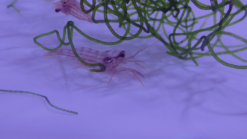
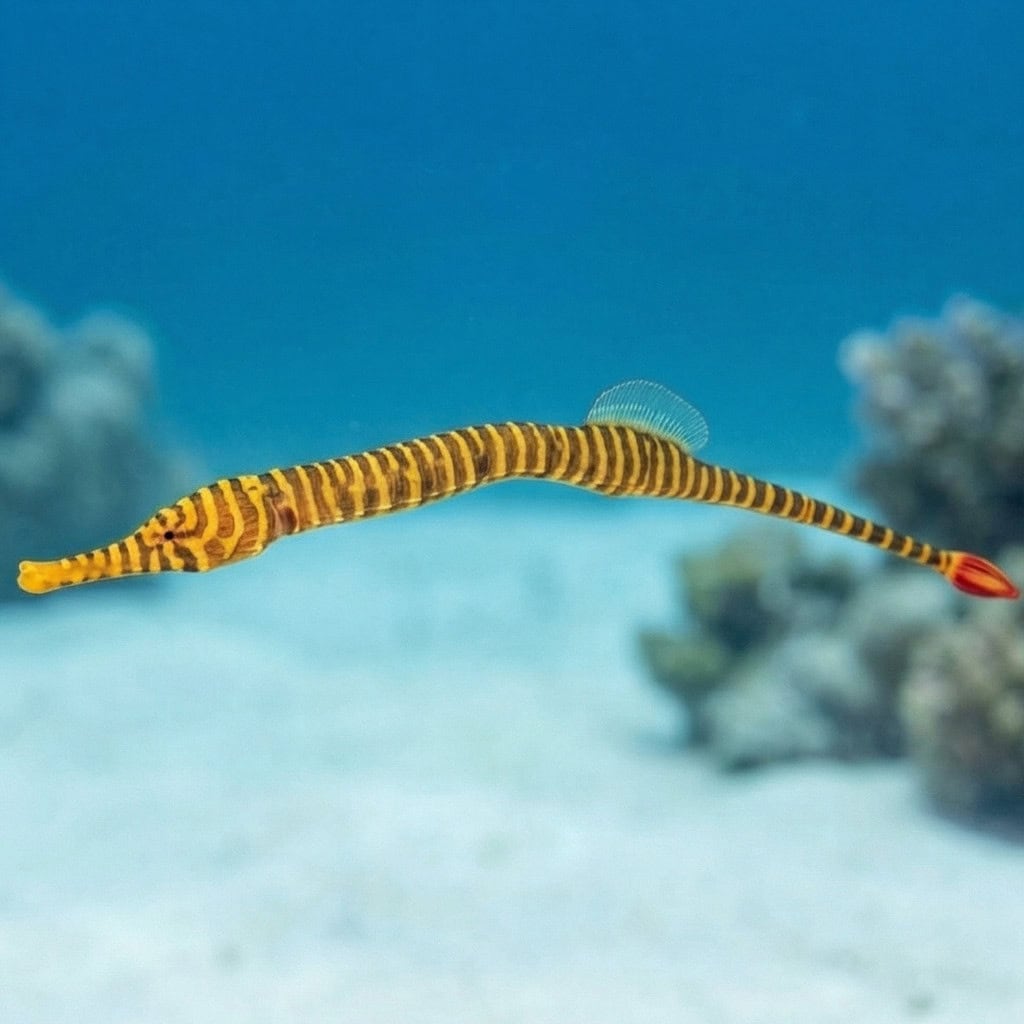
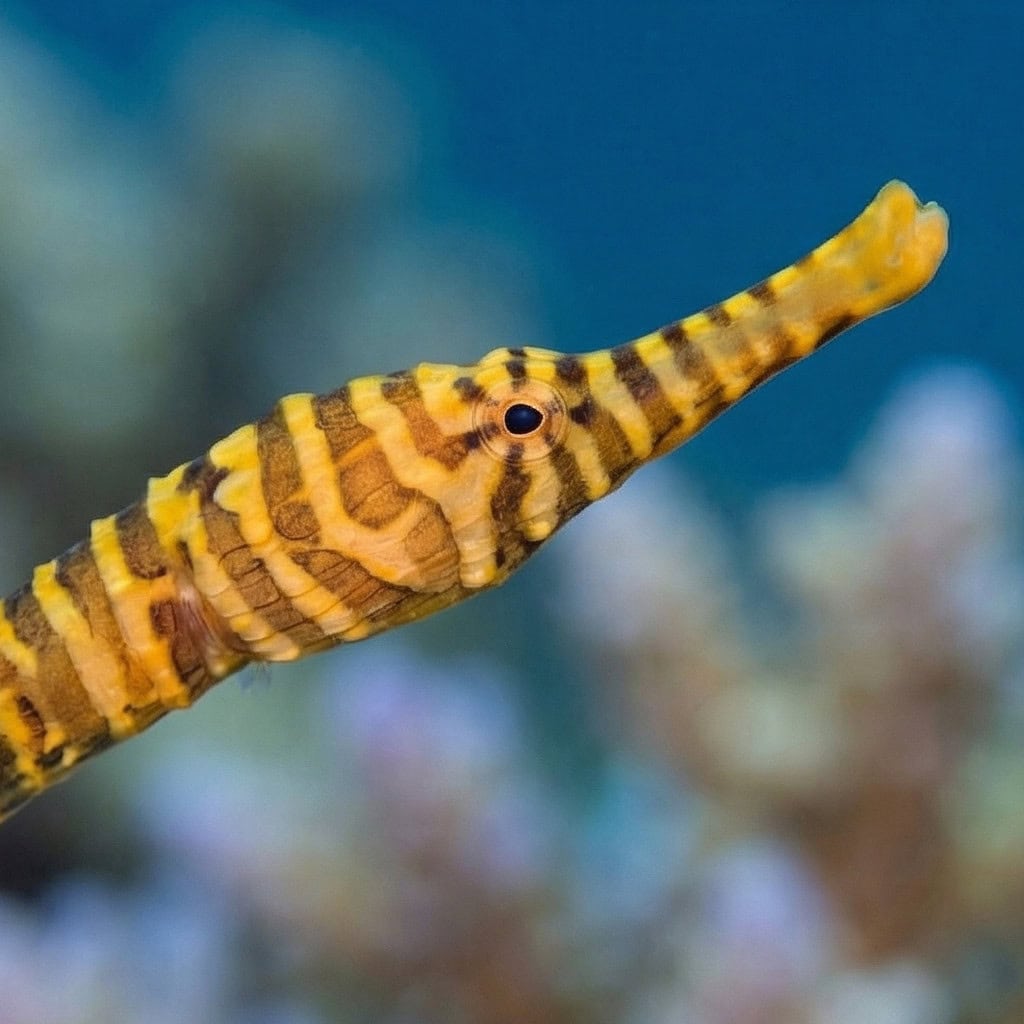
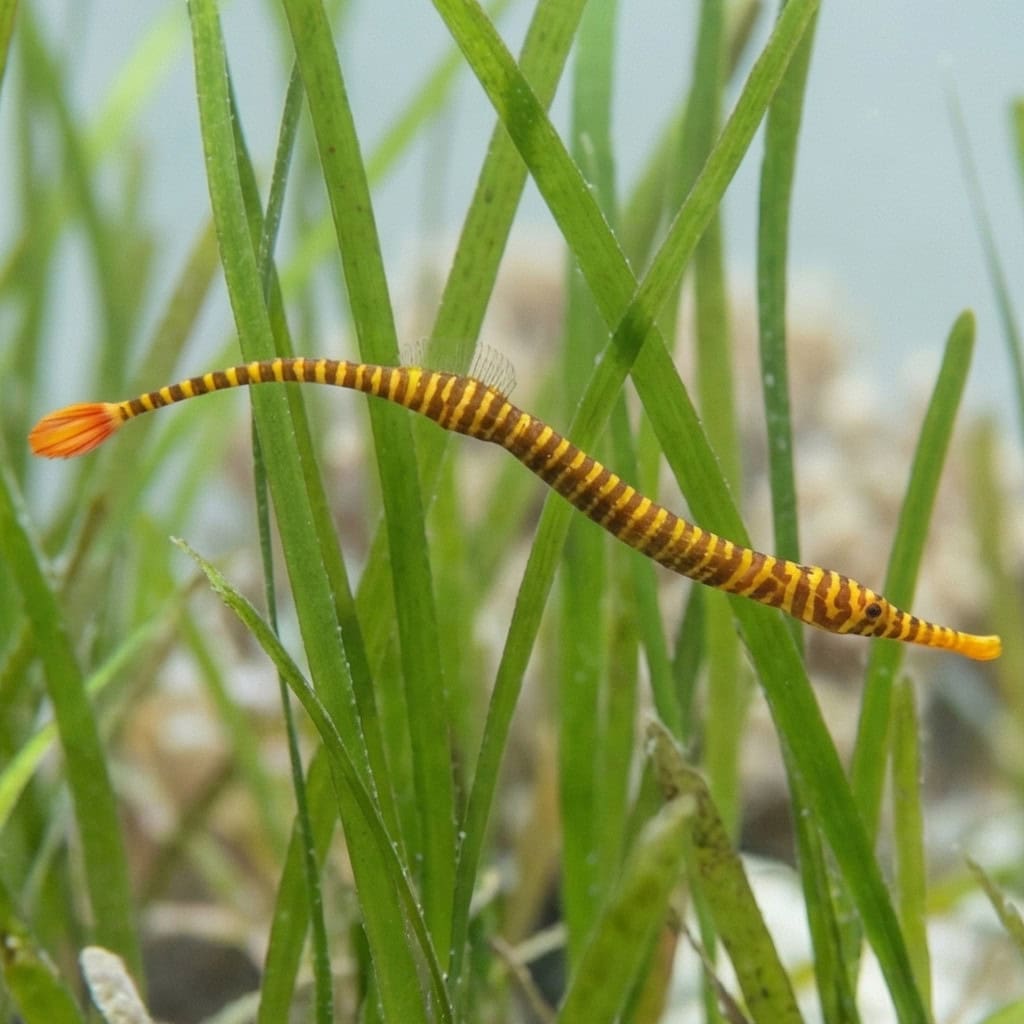
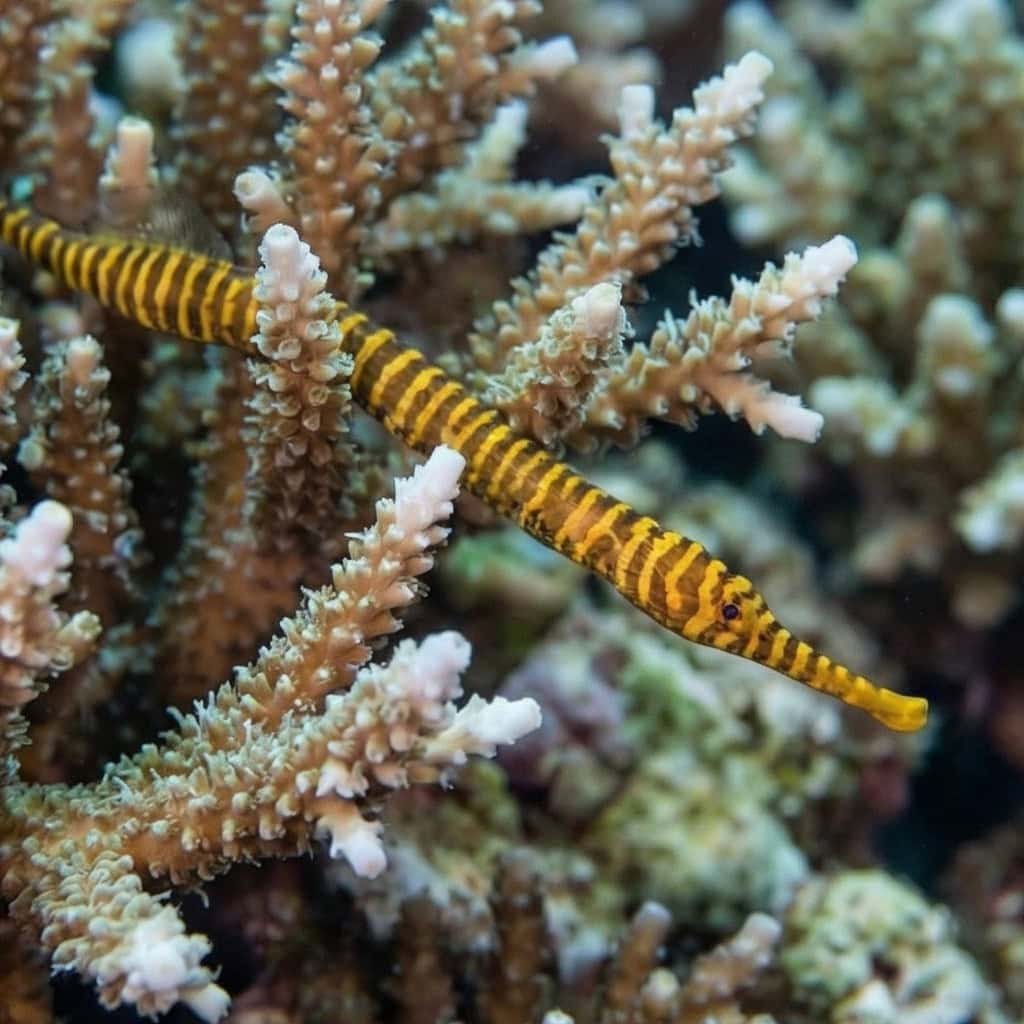
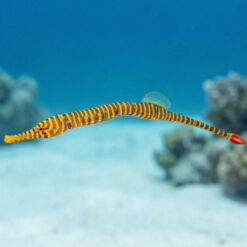
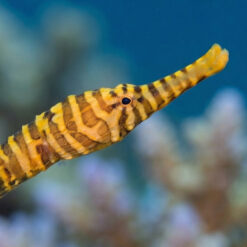
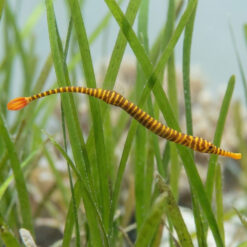
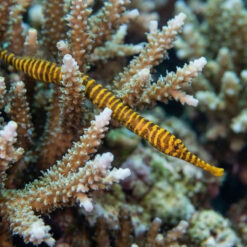
The Many Banded Pipefish (Dunckerocampus pessuliferus) is a flagtail pipefish with a long, slender body, a narrow tubular snout, and high-contrast banding that reads as yellow and reddish-brown under reef lighting. In nature it stays close to coral structure and overhangs, where it cruises slowly and picks at tiny crustaceans as it moves.
What You’ll Observe:
- Slow, deliberate “patrolling” along rockwork, branching corals, and shaded ledges rather than open-water swimming
- Frequent short stops to peck at the rock surface with quick snout strikes, especially where microfauna collect
- A preference for calmer pockets of flow where it can hold position and hunt without being pushed around
- More confident feeding when food is dispersed in the water column in small portions over the day
To help this pipefish settle in, provide plenty of shaded structure (overhangs, caves, and branching “perches”) and keep it with calm tankmates that won’t rush every feeding. Offer small meaty foods like copepods and finely sized mysis multiple times daily, and use a calm feeding zone (or briefly reduced flow) so it can feed at its natural pace.
Do they need live pods, or can they be trained onto frozen foods?
Many keepers start with live foods or pods for consistency, then transition to small thawed foods (like finely sized mysis) once the fish is settled and feeding predictably.
How do I make sure it gets enough food in a mixed reef with faster fish?
A calm “feeding pocket” helps—target feeding near rockwork, feeding in smaller portions more often, and spacing food across the tank so it can hunt without competing head-on.
Is it normal for a pipefish to disappear under ledges for parts of the day?
Yes. They commonly cruise in and out of shaded areas and overhangs, especially when first introduced, then expand their route as they learn the tank.
Can I keep two together?
Pairs are commonly observed in the wild, and hobbyists often aim for a compatible pair, but success is highest when both fish can feed well and have enough structure to share without crowding.
Will it bother ornamental shrimp or other clean-up crew?
Most attention is on tiny moving prey (pods and similar micro-crustaceans); larger established shrimp are usually ignored, but very small shrimp can be at risk in some setups.
Shipped with pure oxygen and temperature control so it arrives stress-free and ready to eat.
Recently viewed products