
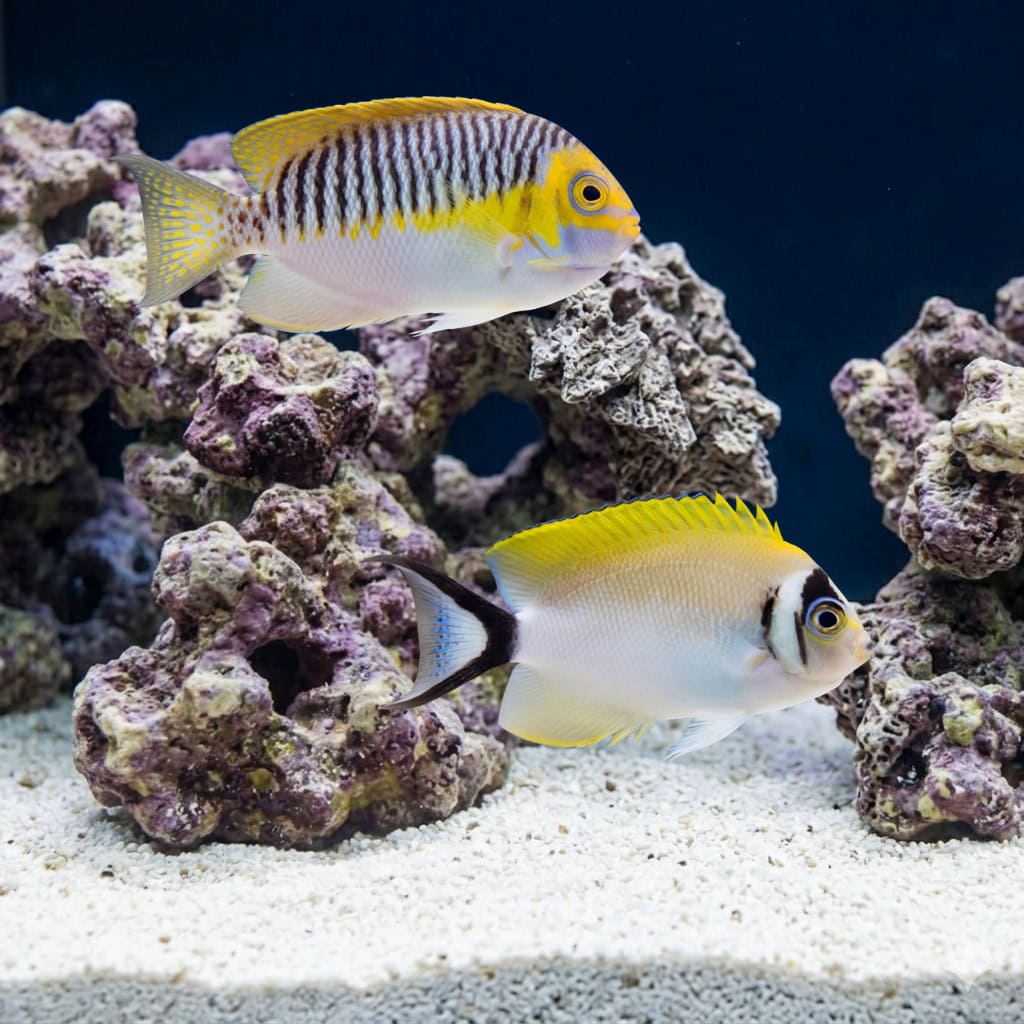
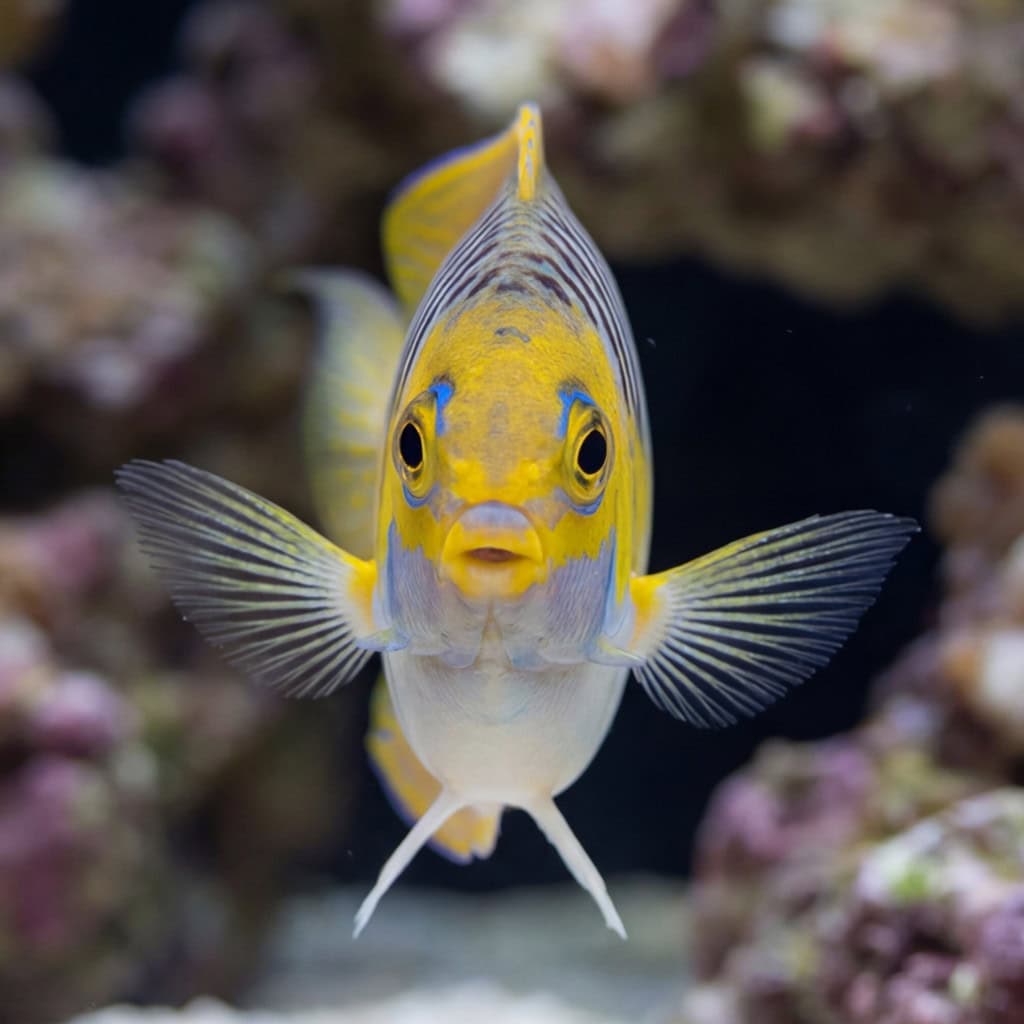
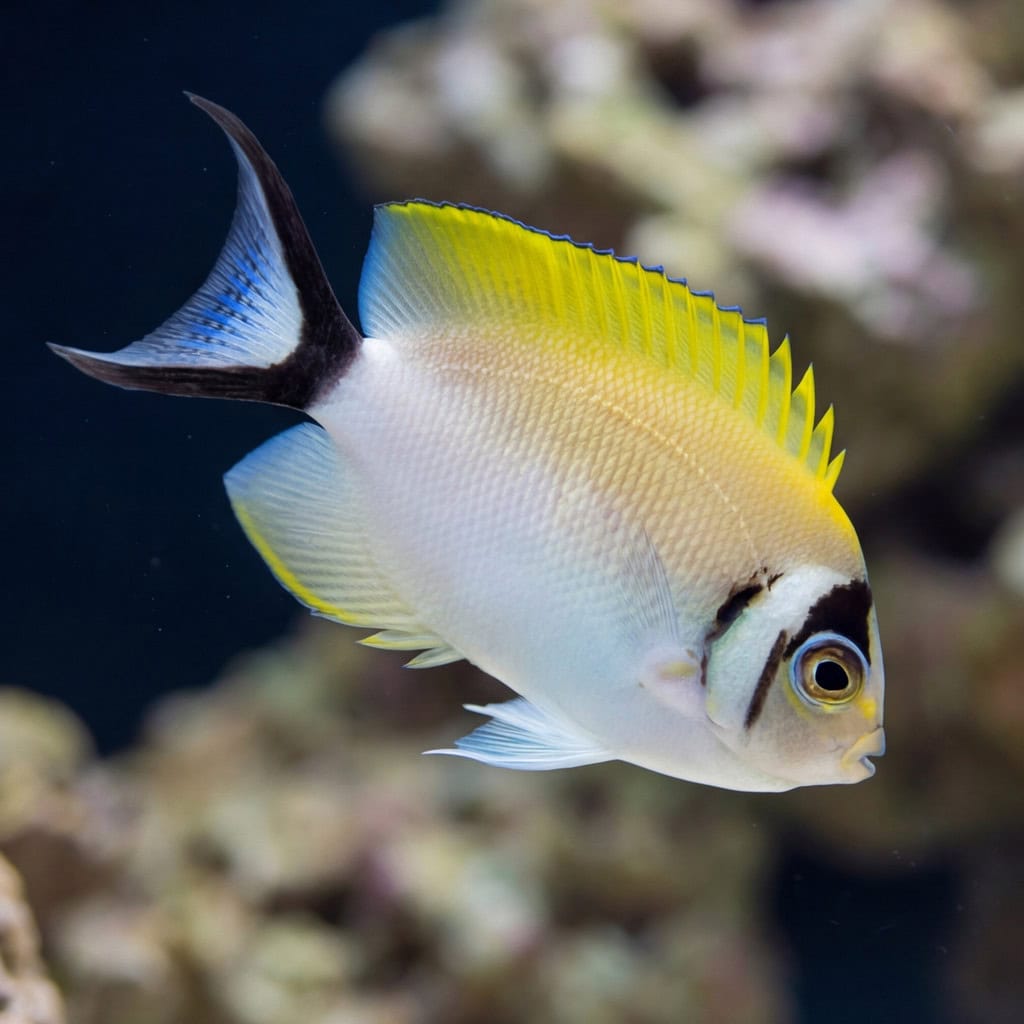
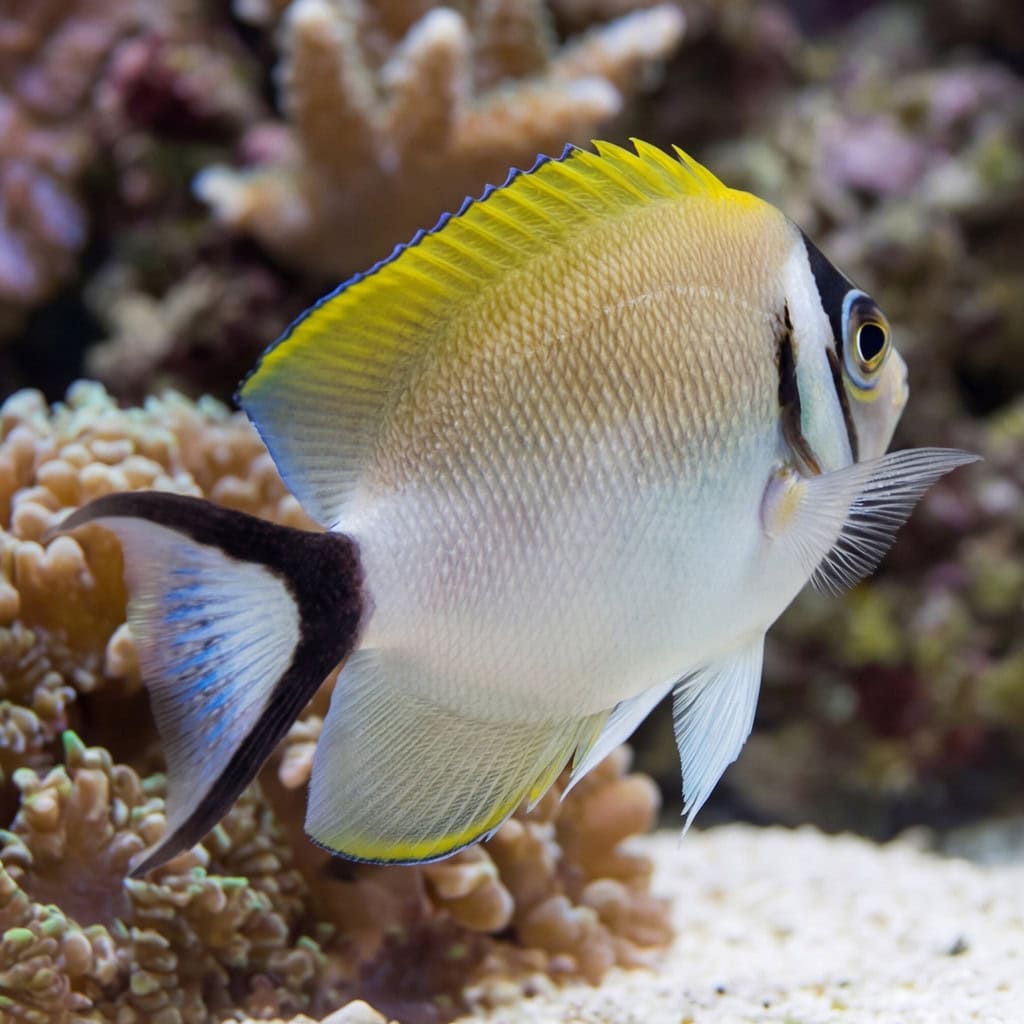
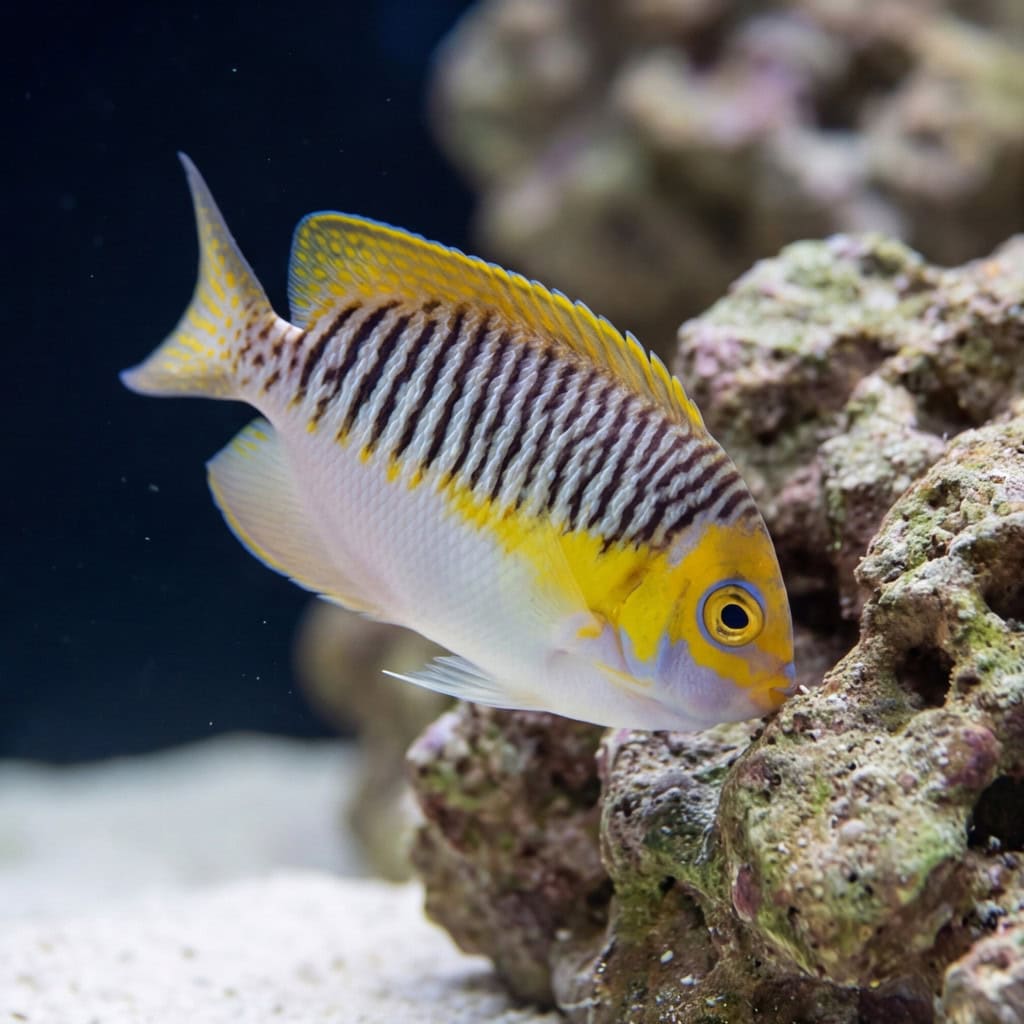
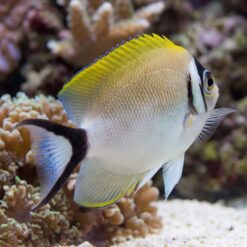
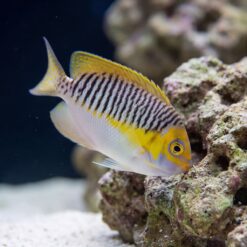
Masked Swallowtail Angelfish
Genicanthus semifasciatus
Price range: $604.99 through $1,163.99
| Stock | Variations | Price | Quantity | |
|---|---|---|---|---|
| Only 2 left | 3.5 - 4.75" - Male - Indo-Pacific | Original price was: $2,215.99.$1,163.99Current price is: $1,163.99. |
-
+
|
|
| Only 8 left | 3.5 - 4.75" - Indo-Pacific | Original price was: $1,284.99.$674.99Current price is: $674.99. |
-
+
|
|
| Only 6 left | 2.25 - 3.5" - Indo-Pacific | Original price was: $1,152.99.$604.99Current price is: $604.99. |
-
+
|
|
| Out of Stock | 2.25 - 3.5" - Male - Indo-Pacific | Original price was: $2,060.99.$1,081.99Current price is: $1,081.99. | Email me | |
| Out of Stock | 4.75" or larger - Male - Indo-Pacific | Original price was: $2,534.99.$1,330.99Current price is: $1,330.99. | Email me |
Every order ships with our standard 3-hour live arrival guarantee. Need more time? Add our 5-Day Guarantee at checkout.
Full guarantee terms →Ships Monday – Thursday for next-day arrival at your nearest FedEx Hold location — typically ready by 9 AM. We monitor every delivery.
Shipping details →
Monday – Friday 8 AM – 9 PM
Saturday 12 PM – 4 PM
Sunday 12 PM – 9 PM
Healthy, stable animals from vetted suppliers — inspected before packing, shipped overnight. Decades of experience built this model so we can deliver premium livestock at 30%+ less than you'd pay elsewhere.
| Care Level | Moderate |
|---|---|
| Temperament | Peaceful |
| Reef Safe | With Caution |
| Functional Benefit | Ornamental Only |
| Diet Type | Planktivore |
| Mininum Tank Size | 90 gallons |
| Max Size | 8 inches |
| Temperature | 72–78°F |
| pH Range | 8.1–8.4 |
| Specific Gravity | 1.022–1.025 |
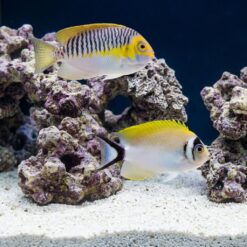
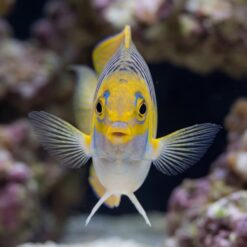
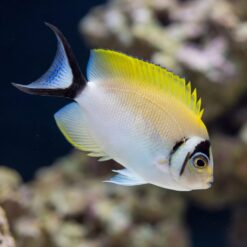
The Masked (Japanese) Swallowtail Angelfish (Genicanthus semifasciatus) is an open-water Genicanthus angelfish with a long, narrow profile and a distinctly lyre-shaped “”swallowtail”” tail. Males and females show different patterning, and the species is most often seen cruising above rockwork and reef structure rather than weaving through tight caves.
What You’ll Observe:
- Steady midwater swimming with frequent “”looping”” patrols along the rock line
- Quick, confident feeding in the water column as soon as fine foods start drifting
- A consistent daily routine of grazing on suspended foods and regrouping in the same zones
- If kept as a small group, a clear social hierarchy where one fish becomes the “”lead”” swimmer
Provide a mature reef with open swimming lanes plus rockwork for retreat, and offer a mix of small meaty foods (and appropriately sized pellets) in multiple feedings spread through the day. In groups, keep a single male with one or more females so the social structure stays stable, and introduce new arrivals with a calm, low-stress acclimation period for best settling-in behavior.
Will a female turn into a male in a home aquarium?
Yes’keepers commonly report that the largest female can transition when no male is present, especially in a small group.
Do they do better alone, as a pair, or in a small harem?
Many hobbyists prefer one male with one or more females; the fish tend to look and behave most natural with a simple social structure.
Do they “”hunt”” pods like mandarins, or mainly eat prepared foods?
They typically focus on suspended foods in the water column and usually learn frozen and pellet foods readily when offered in small sizes.
Is it normal for them to spend most of their time in the open instead of in the rocks?
Yes’swallowtail angelfish are often described as open-water cruisers that use rockwork mainly for brief retreats.
Do they actually leave corals alone long-term?
Most keepers describe them as among the more coral-friendly angelfish, but individual behavior varies, so long-term observation is still part of responsible reefkeeping.
Each fish is checked for strong appetite and activity before we approve it for your tank.
Recently viewed products