
-
×
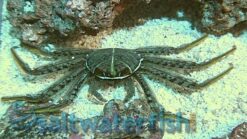 Sally Lightfoot Crab - Caribbean, Size Small
1 × $15.99
Sally Lightfoot Crab - Caribbean, Size Small
1 × $15.99 -
×
 Sand Sifting Starfish, Size Small
1 × $16.99
Sand Sifting Starfish, Size Small
1 × $16.99 -
×
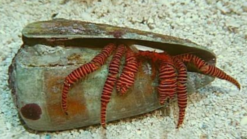 Halloween Hermit Crab, Size Small
1 × $10.99
Halloween Hermit Crab, Size Small
1 × $10.99


Mata Tang
Acanthurus mata
| Stock | Variations | Price | Quantity | |
|---|---|---|---|---|
| Out of Stock | 1.75 - 2.75" - Indo-Pacific | Original price was: $159.99.$83.99Current price is: $83.99. | Email me | |
| Out of Stock | 1.25 - 1.75" - Indo-Pacific | Original price was: $142.99.$74.99Current price is: $74.99. | Email me |
Arrives Alive. Guaranteed.
▼
Every order ships with our standard 3-hour live arrival guarantee. Need more time? Add our 5-Day Guarantee at checkout.
Full guarantee terms →
FedEx Overnight. Every Order.
▼
Ships Monday – Thursday for next-day arrival at your nearest FedEx Hold location — typically ready by 9 AM. We monitor every delivery.
Shipping details →
Real People. 7 Days a Week.
▼
Monday – Friday 8 AM – 9 PM
Saturday 12 PM – 4 PM
Sunday 12 PM – 9 PM
Phone
Chat
Email
Text
Contact us →
Aquarium-Ready Livestock
▼
Healthy, stable animals from vetted suppliers — inspected before packing, shipped overnight. Decades of experience built this model so we can deliver premium livestock at 30%+ less than you'd pay elsewhere.
| Care Level | Expert |
|---|---|
| Temperament | Semi-Aggressive |
| Reef Safe | Yes |
| Functional Benefit | Ornamental Only |
| Diet Type | Planktivore |
| Mininum Tank Size | 300 gallons+ |
| Max Size | 18 inches |
| Temperature | 72–78°F |
| pH Range | 8.1–8.4 |
| Specific Gravity | 1.022–1.025 |
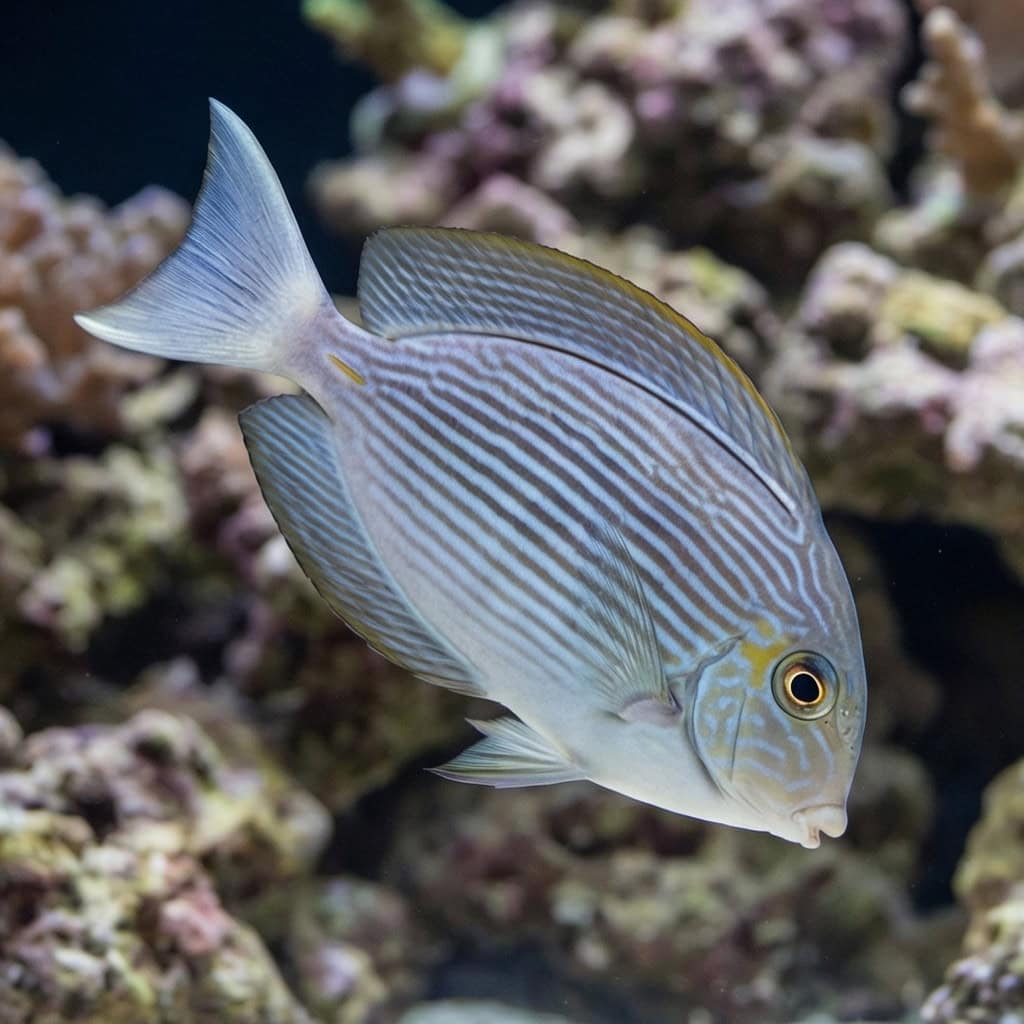
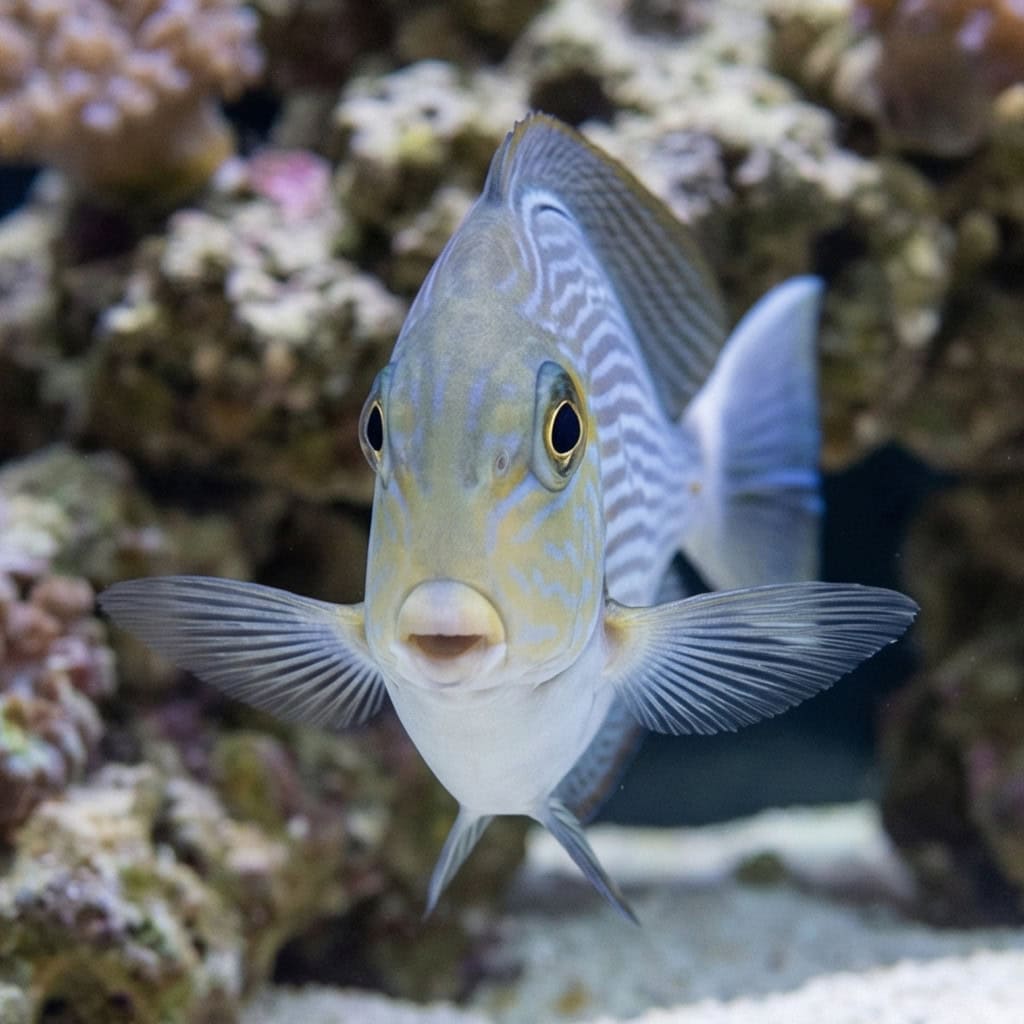
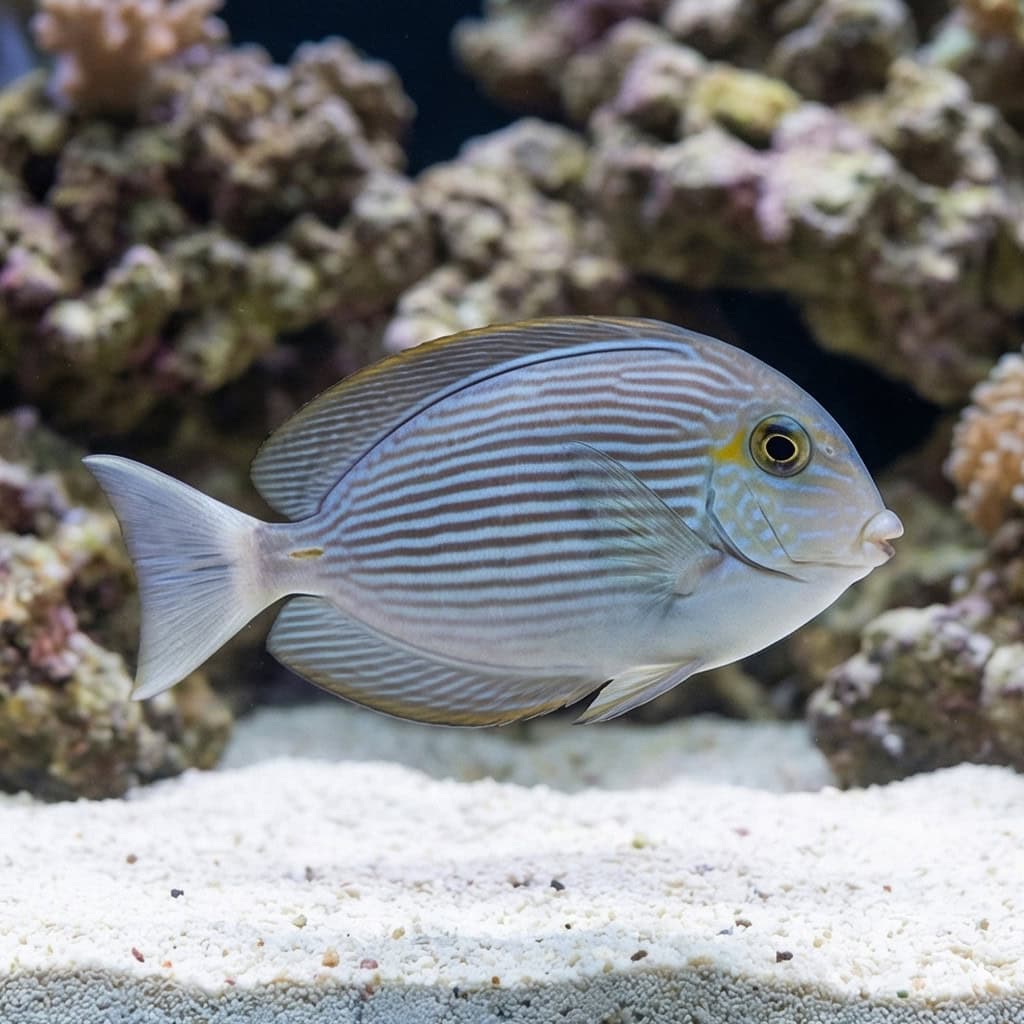
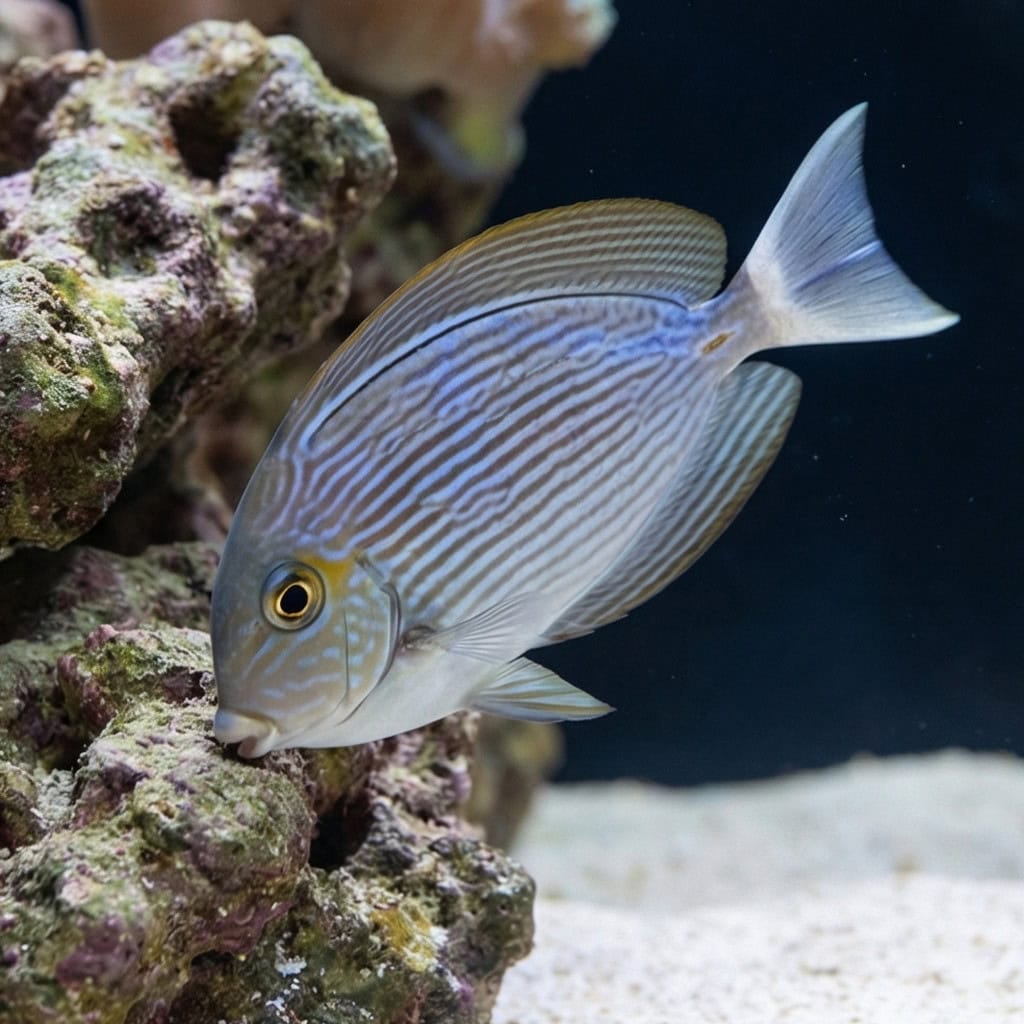
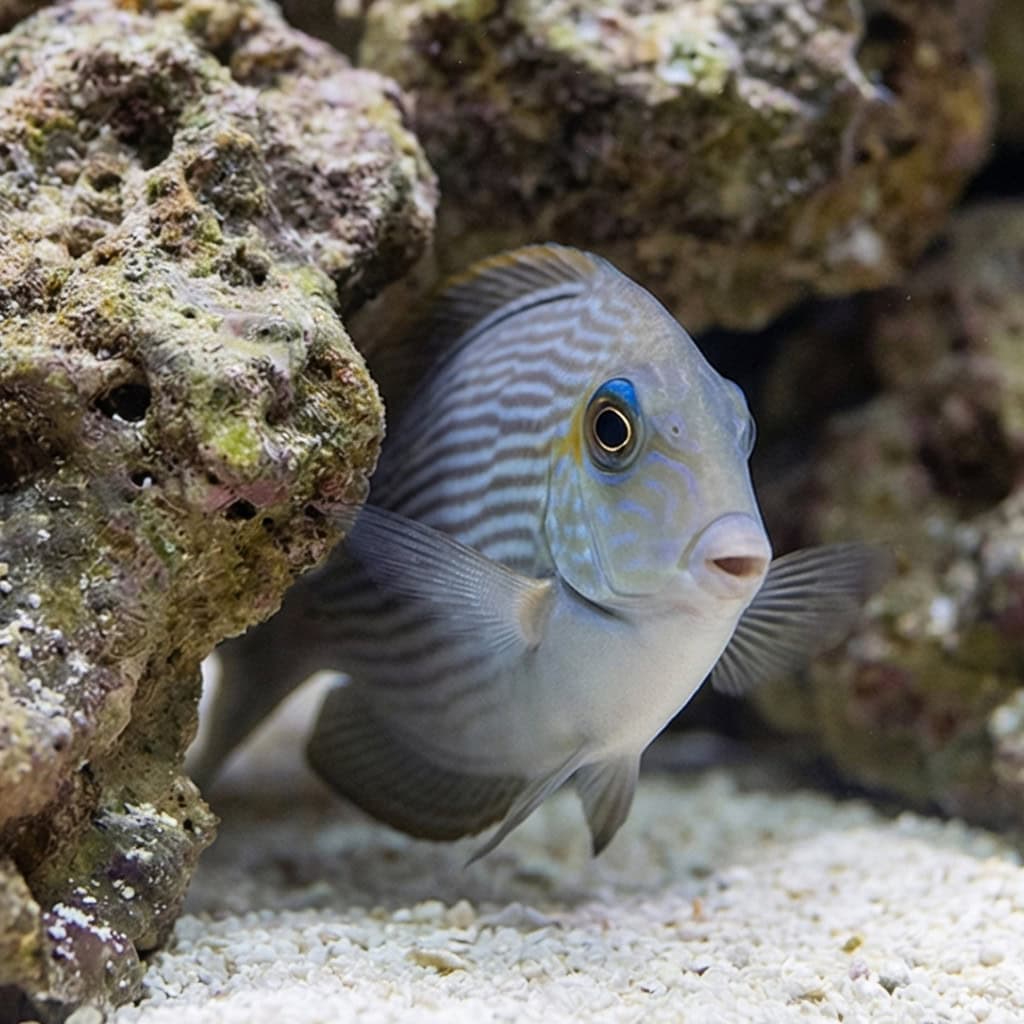
The Mata Tang (Acanthurus mata), also known as the Elongate Surgeonfish, has a streamlined body marked with fine blue horizontal lines over a brown-to-blue base color and a yellow mask through the eye. Native to the Indo-Pacific, it is an open-water cruiser that spends the day moving along rock faces and through long swimming lanes.
What You’ll Observe:
- Steady laps around the tank, often using the full length of the aquarium
- Noticeable color shifts from darker brown to lighter blue tones during feeding and social moments
- Quick, midwater feeding response when small foods are offered
- A consistent daytime patrol pattern with regular “routes” through the rockwork
Provide a very large aquarium with open swimming space plus sturdy rockwork for breaks and sleep spots. Offer a varied menu of small meaty frozen foods and quality pellets in several smaller feedings, and keep sheets of dried seaweed available as a supplement. With stable parameters and a consistent feeding routine, the Mata Tang becomes a reliable centerpiece fish for large reef systems.
Do Mata Tangs usually get bluer as they grow?
The blue striping and contrast often becomes more noticeable with size, but coloration can still vary day to day depending on lighting and activity.
Why does my Mata Tang’s color change throughout the day?
Many individuals shift tone during feeding, interaction, and general activity, so it can look darker at rest and lighter when cruising.
What feeding approach keeps them eating well long-term?
Several smaller feedings tends to work well—mix small frozen foods with a quality pellet so it gets both “water column” foods and consistent staple nutrition.
How can I tell a Mata Tang apart from a Yellowfin Tang?
The overall body shape, head markings, and how the “mask” pattern sits around the eye are common ID clues aquarists use, but juveniles can look similar until they put on size.
Is it normal for a Mata Tang to swim constant laps?
Yes—many keep a regular patrol route; open lanes along the front and sides of the rockwork make this behavior easy to observe.
Each fish is checked for strong appetite and activity before we approve it for your tank.
Recently viewed products
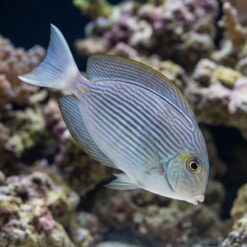
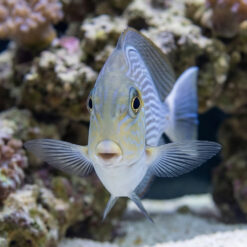
Out of stock
Mata Tang (Acanthurus mata)
Starting at: $74.99
This product has multiple variants. The options may be chosen on the product page
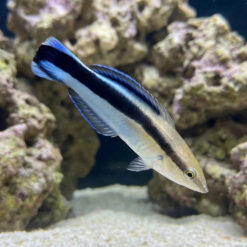
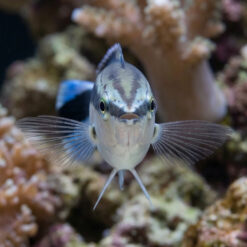
Out of stock
Cleaner Wrasse (Labroides dimidiatus)
Starting at: $27.99
This product has multiple variants. The options may be chosen on the product page