
Mimic Eibli Tang
Acanthurus tristis
| Stock | Variations | Price | Quantity | |
|---|---|---|---|---|
| Out of Stock | 3.5 - 4.75" - Indo-Pacific | Original price was: $186.99.$97.99Current price is: $97.99. | Email me | |
| Out of Stock | 2.25 - 3.5" - Indian Ocean | Original price was: $196.99.$103.99Current price is: $103.99. | Email me |
Every order ships with our standard 3-hour live arrival guarantee. Need more time? Add our 5-Day Guarantee at checkout.
Full guarantee terms →Ships Monday – Thursday for next-day arrival at your nearest FedEx Hold location — typically ready by 9 AM. We monitor every delivery.
Shipping details →
Monday – Friday 8 AM – 9 PM
Saturday 12 PM – 4 PM
Sunday 12 PM – 9 PM
Healthy, stable animals from vetted suppliers — inspected before packing, shipped overnight. Decades of experience built this model so we can deliver premium livestock at 30%+ less than you'd pay elsewhere.
| Care Level | Easy |
|---|---|
| Temperament | Semi-Aggressive |
| Reef Safe | Yes |
| Functional Benefit | Algae Control |
| Diet Type | Herbivore |
| Mininum Tank Size | 120 gallons |
| Max Size | 10 inches |
| Temperature | 72–78°F |
| pH Range | 8.1–8.4 |
| Specific Gravity | 1.022–1.025 |
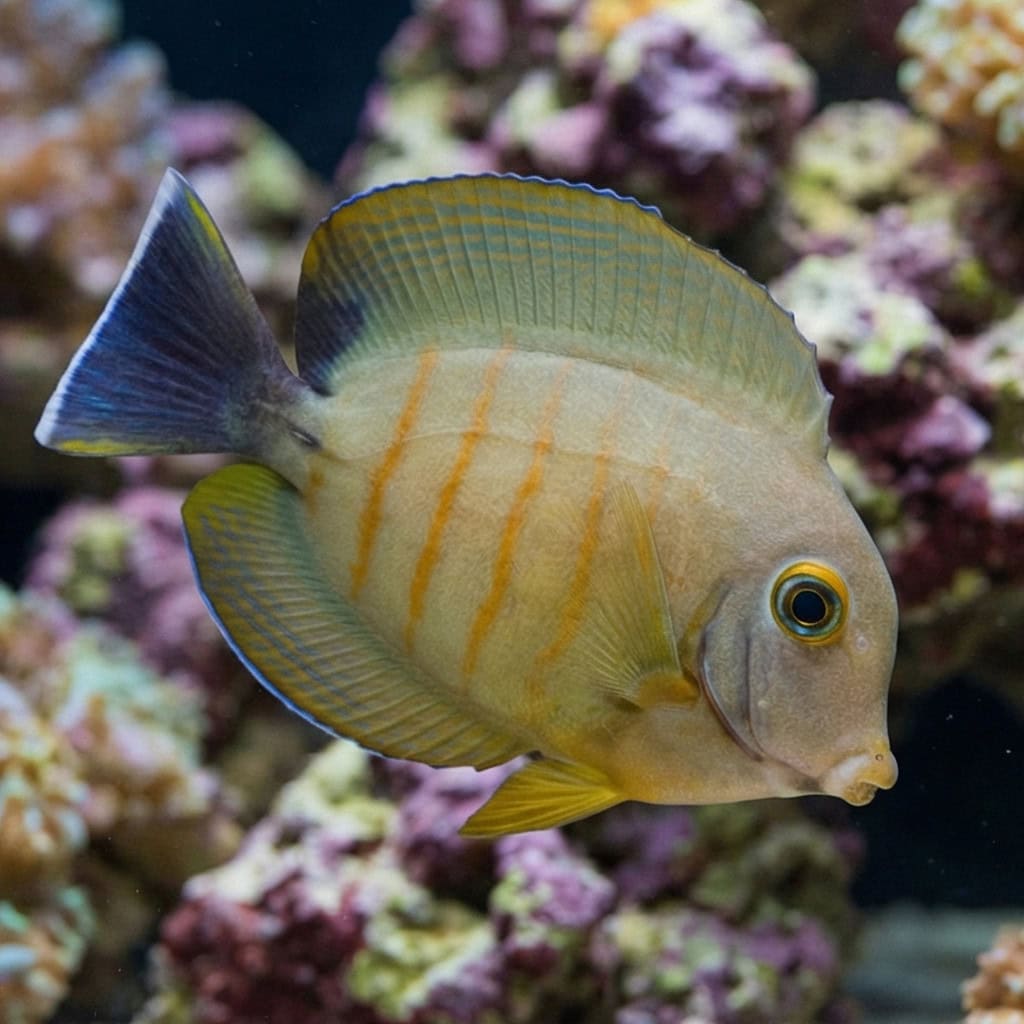
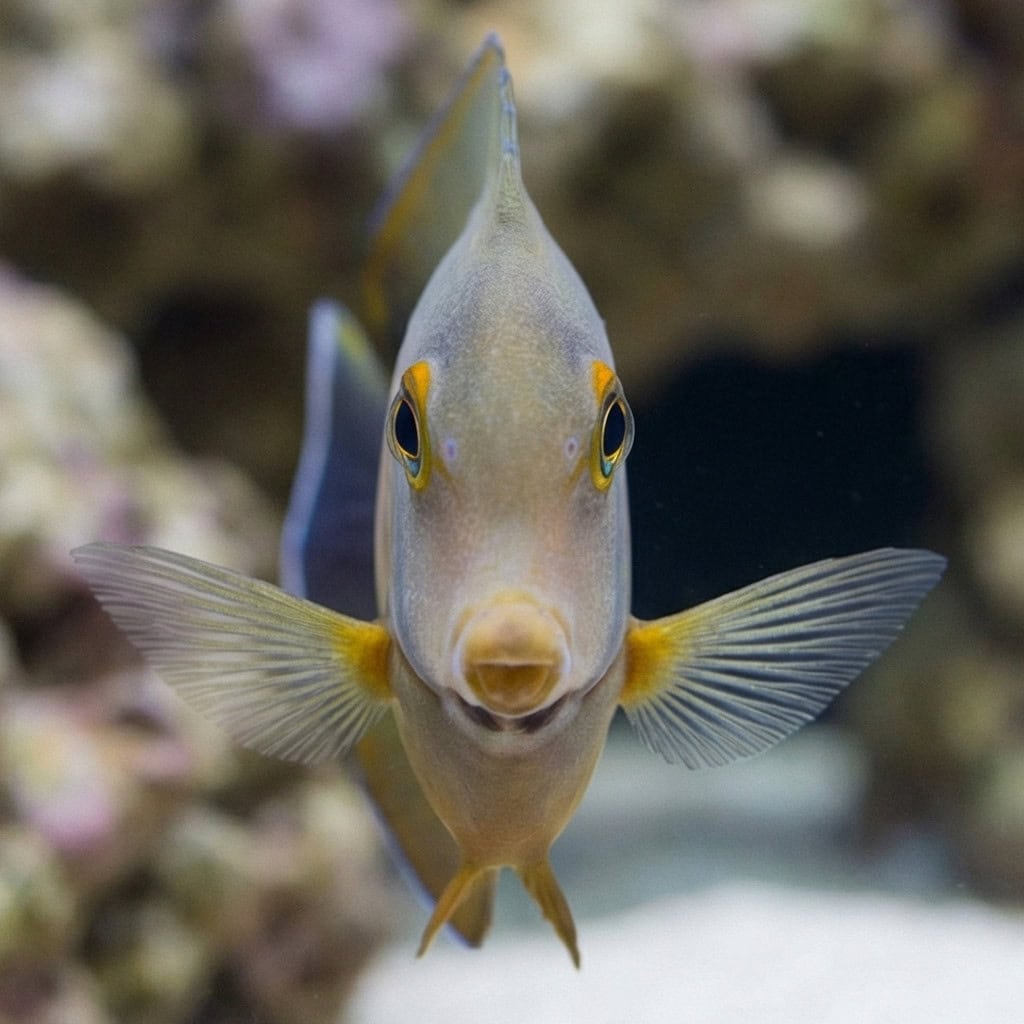
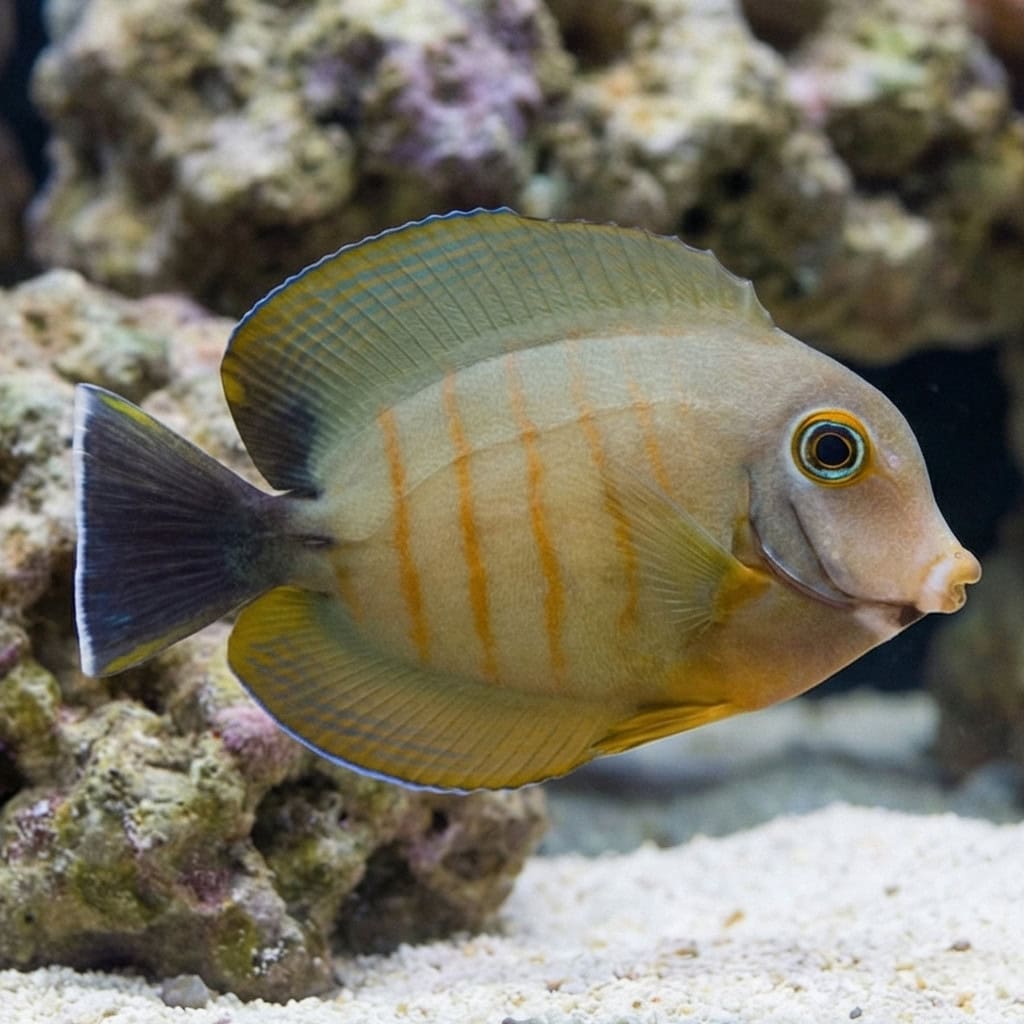
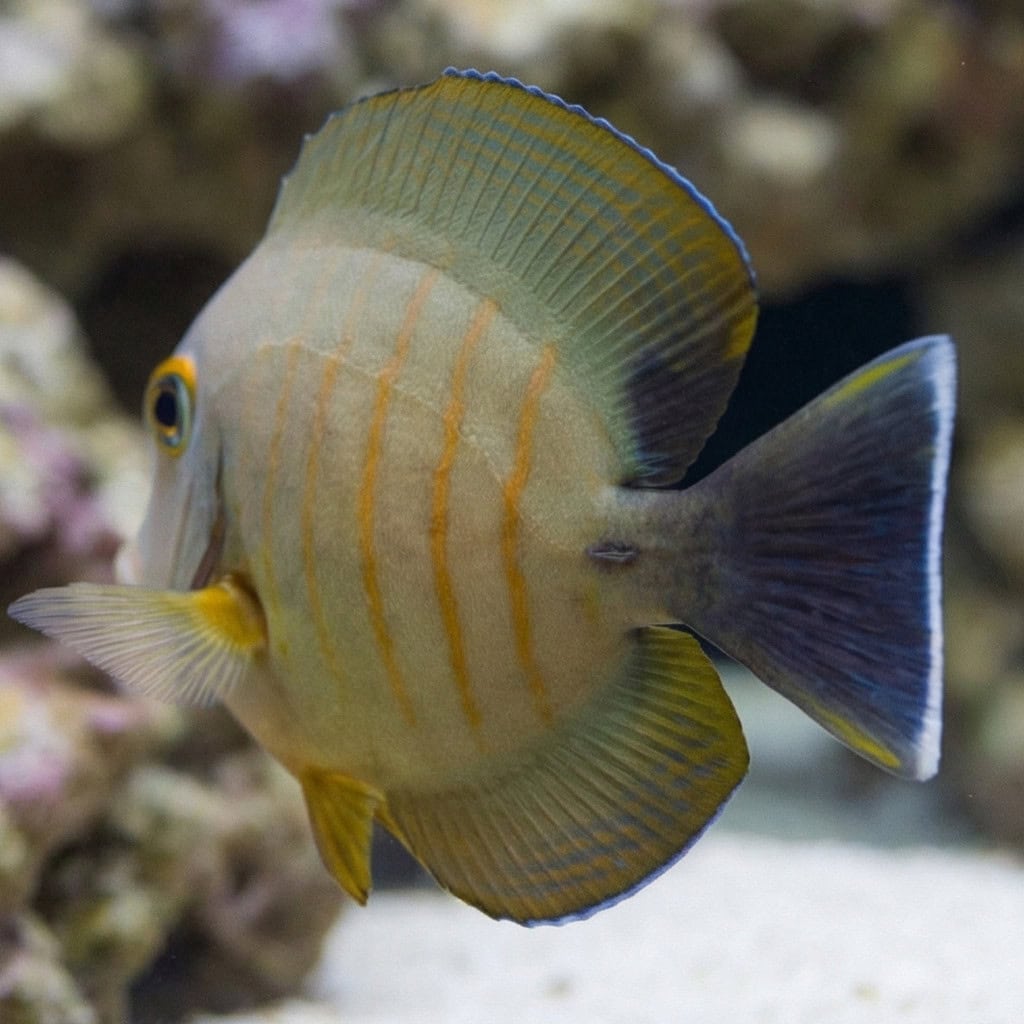
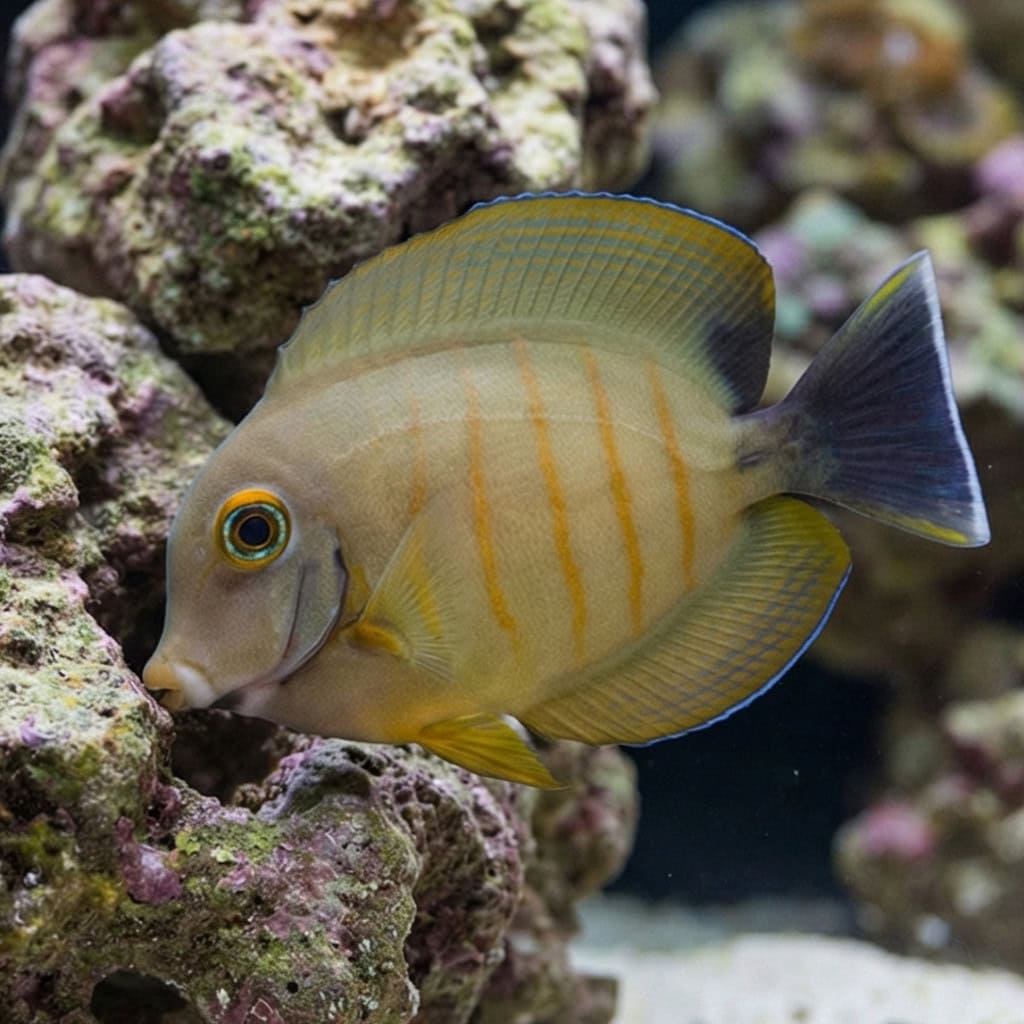
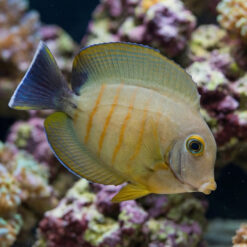
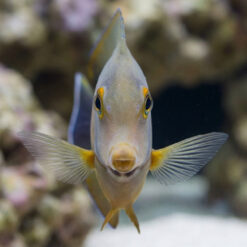
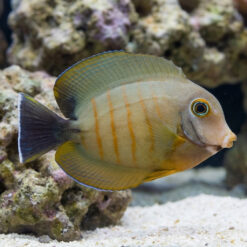
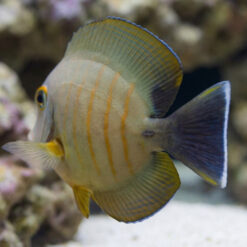
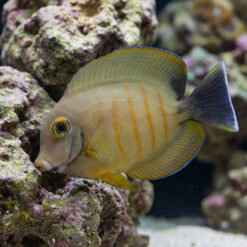
The Mimic Eibli Tang (Acanthurus tristis) is an active algae grazer that spends the day picking at rockwork and hard surfaces. Juveniles are known for their mimic patterning that resembles an Eibli angelfish look, with orange striping and a darker tail. As it matures, the pattern gradually shifts toward a more subdued adult coloration while keeping the classic tang body shape.
What You’ll Observe:
- Repeated grazing passes across live rock, overflows, and back glass
- Confident open-water laps, then quick returns to the rockwork to feed
- Strong interest in feeding time, often joining the first “rush” to food
- Short display or posturing moments with other algae grazers in the tank
- Color and pattern changes over months as it grows out of the juvenile phase
Provide plenty of open swimming room along with rock surfaces it can graze throughout the day. Offer marine algae frequently (nori on a clip) alongside herbivore-ready frozen and pellet foods so it stays active and full-bodied. In mixed tang tanks, consistent feeding stations and a stable routine help it settle in and focus on grazing.
Will my Mimic Eibli Tang keep the juvenile stripes as it grows?
The mimic pattern is strongest when the fish is smaller, and it typically fades as the tang matures into a more uniform adult coloration.
Is it normal for the color to look darker at times or change day to day?
Yes—many keepers notice temporary darkening or fading with mood, lighting, and minor social posturing, then it returns to normal.
What if it ignores nori but eats frozen foods right away?
Try offering different algae types (red/green nori) in the same spot daily, and pair it with smaller herbivore pellets or gel foods so it learns the “algae station” is part of feeding.
How do hobbyists reduce tang-to-tang tension without changing the whole stocking plan?
They commonly add multiple grazing spots, keep algae available more consistently, and manage introductions so no single tang “claims” the tank as its personal feeding lane.
Why does it pace the glass after being added?
This is commonly reported during the initial adjustment period; steady flow, a clear swim lane, and a consistent feeding rhythm usually help it transition into normal cruising and grazing behavior.
We source from vetted suppliers known for healthy, long-lived specimens.
Recently viewed products