Octopus: Brown
Octopus sp.
| Stock | Variations | Price | Quantity | |
|---|---|---|---|---|
| Out of Stock | 1.25 - 2.25" - Indo-Pacific | Original price was: $132.99.$69.99Current price is: $69.99. | Email me | |
| Out of Stock | 2.25 - 3.25" - Indo-Pacific | Original price was: $195.99.$102.99Current price is: $102.99. | Email me |
Every order ships with our standard 3-hour live arrival guarantee. Need more time? Add our 5-Day Guarantee at checkout.
Full guarantee terms →Ships Monday – Thursday for next-day arrival at your nearest FedEx Hold location — typically ready by 9 AM. We monitor every delivery.
Shipping details →
Monday – Friday 8 AM – 9 PM
Saturday 12 PM – 4 PM
Sunday 12 PM – 9 PM
Healthy, stable animals from vetted suppliers — inspected before packing, shipped overnight. Decades of experience built this model so we can deliver premium livestock at 30%+ less than you'd pay elsewhere.
| Care Level | Expert |
|---|---|
| Temperament | Aggressive |
| Reef Safe | No |
| Functional Benefit | Ornamental Only |
| Diet Type | Carnivore |
| Mininum Tank Size | 70 gallons |
| Max Size | 18 inches |
| Temperature | 72–78°F |
| pH Range | 8.1–8.4 |
| Specific Gravity | 1.022–1.025 |
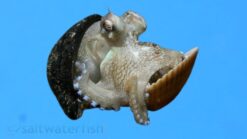
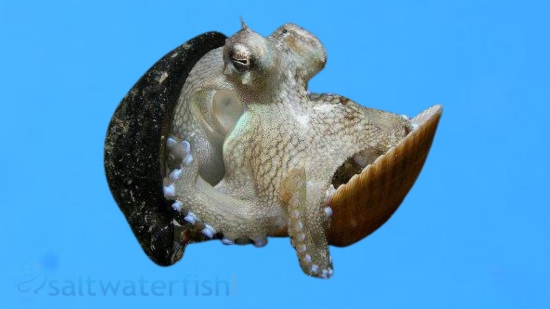
A brown octopus (Octopus sp.) is a cephalopod that uses chromatophores to shift color and pattern to match rockwork and sand. In aquariums it’s most active after lights-out, when it comes out to hunt and explore.
What You’ll Observe:
- Choosing a den in the rockwork and gradually expanding its “home area” as it settles in
- Nighttime roaming across glass, rock, and sand using the arms to feel and test surfaces
- Grabbing food with the arms and bringing it to a beak-like mouth
- Rearranging small rocks, shells, and d??cor as it builds and maintains its hiding place
Provide plenty of live rock with multiple caves, plus medium to coarse substrate and dimmer lighting zones to encourage natural denning behavior. Use an escape-proof top and cover overflow/pipe openings so the system stays sealed during exploration. Feed meaty marine foods like shrimp and mussel meat, and keep water conditions stable and consistent for best long-term results.
Will I see it during the day?
Many individuals stay tucked into a den for much of the photoperiod and become more visible near dusk. Consistent feeding times can make their “appearance window” more predictable.
What foods work best once it settles in?
Most do best with a rotation of meaty marine items (shrimp, clam/mussel, similar). Offering food with tongs near the den entrance helps the octopus connect your routine with feeding.
Can I hand-feed or interact with it?
Some will take food from tongs or from a hand placed calmly at the surface, but interaction is usually brief and on the octopus’s schedule. Keeping the routine consistent tends to work better than frequent changes.
Do octopuses need enrichment?
Yes’many keepers use simple “puzzles” like clean jars, PVC pieces, or objects that can be moved and explored. Rotating a few options helps keep exploration behavior active.
How long do they usually live?
Many commonly kept octopus species have relatively short lifespans, often around 1–2 years depending on species and age at purchase.
We work with trusted suppliers who keep our specimens healthy and well-fed before shipping.
Recently viewed products