
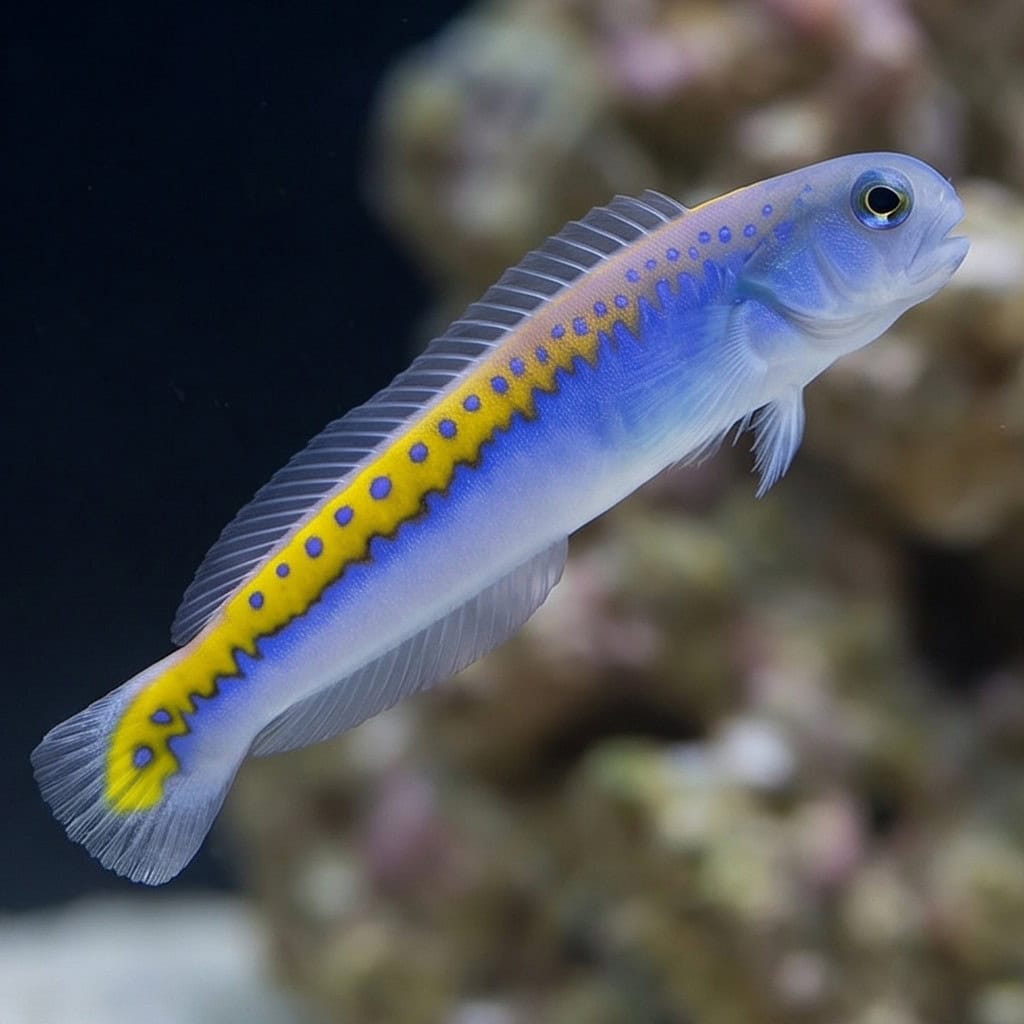
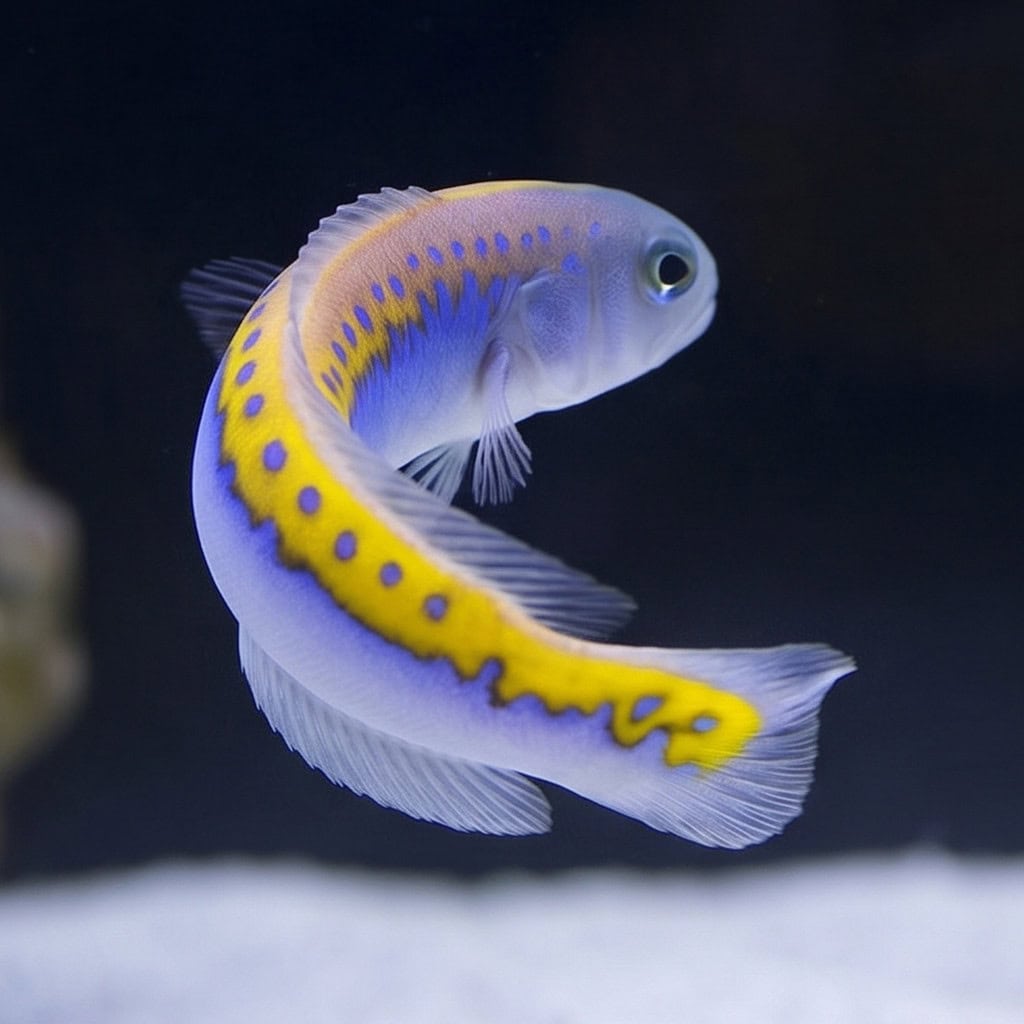
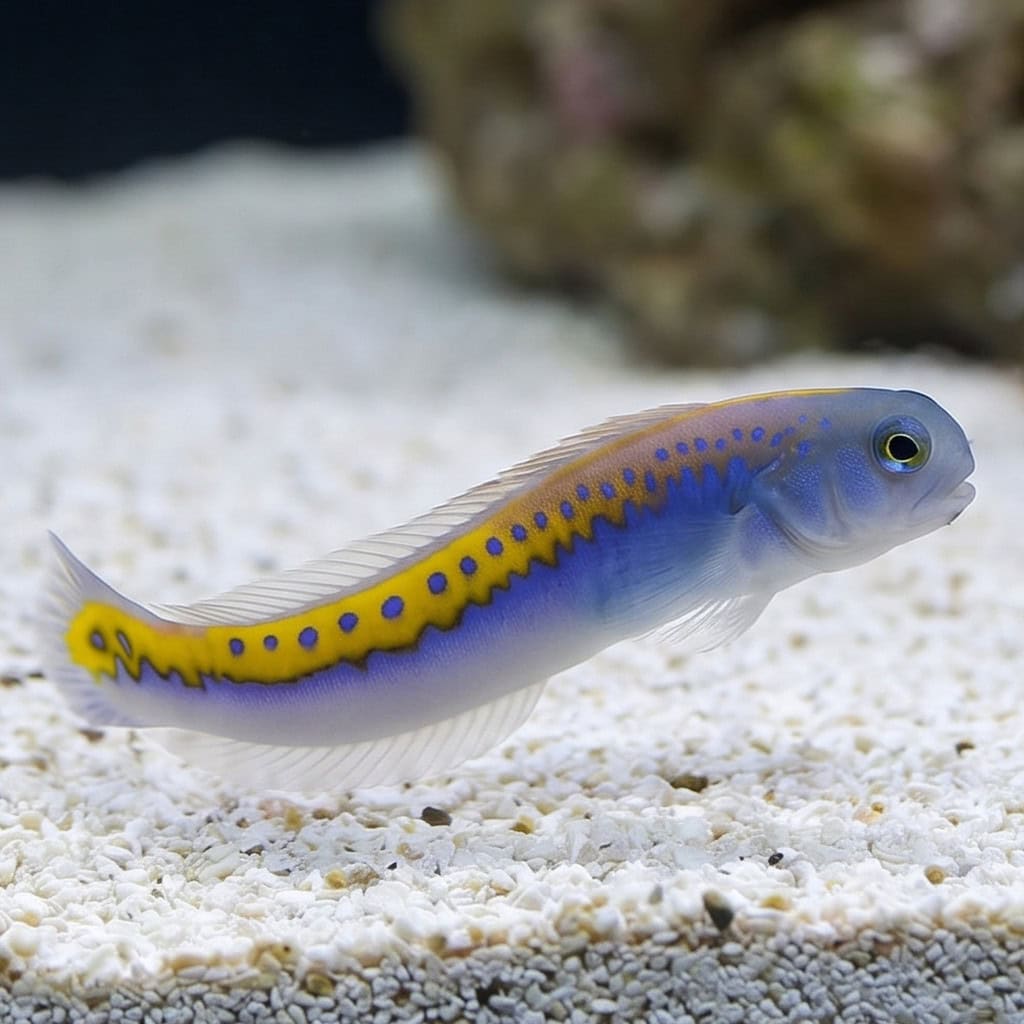
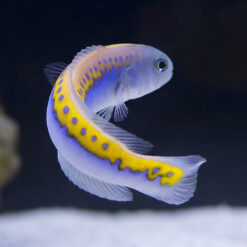
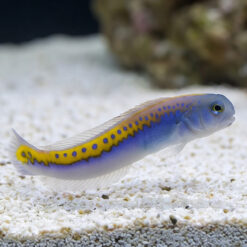
Oreni Tilefish
Hoplolatilus oreni
| Stock | Variations | Price | Quantity | |
|---|---|---|---|---|
| Out of Stock | 4.75" or larger - Africa | Original price was: $1,240.99.$651.99Current price is: $651.99. | Email me |
Every order ships with our standard 3-hour live arrival guarantee. Need more time? Add our 5-Day Guarantee at checkout.
Full guarantee terms →Ships Monday – Thursday for next-day arrival at your nearest FedEx Hold location — typically ready by 9 AM. We monitor every delivery.
Shipping details →
Monday – Friday 8 AM – 9 PM
Saturday 12 PM – 4 PM
Sunday 12 PM – 9 PM
Healthy, stable animals from vetted suppliers — inspected before packing, shipped overnight. Decades of experience built this model so we can deliver premium livestock at 30%+ less than you'd pay elsewhere.
| Care Level | Moderate |
|---|---|
| Temperament | Peaceful |
| Reef Safe | Yes |
| Functional Benefit | Ornamental Only |
| Diet Type | Carnivore |
| Mininum Tank Size | 90 gallons |
| Max Size | 8 inches |
| Temperature | 72–78°F |
| pH Range | 8.1–8.4 |
| Specific Gravity | 1.022–1.025 |
The Oreni Tilefish (Hoplolatilus oreni) is a sand-dwelling tilefish known for a metallic blue zig-zag stripe and scattered blue spotting along the body. It naturally stays close to sandy areas at the base of reef structure, where it maintains a home burrow and hovers above it between short trips for food.
What You’ll Observe:
- A “hover and retreat” routine—spending time out in the water column, then returning to the same burrow
- Daytime activity with frequent, quick dashes back to its shelter when something changes in the room
- Consistent interest in feeding time, often meeting food in midwater once settled in
- Burrow upkeep using mouthfuls of sand and small rubble, usually focused in one chosen area
Provide a deep, fine sand zone and stable rockwork so it can establish a secure burrow under an overhang. Offer smaller meaty foods in multiple feedings to match its natural “hunt throughout the day” pattern, and keep the top fully covered so it can explore confidently.
Should I buy 1 or 2 Oreni Tilefish?
Most hobbyists report the best long-term consistency keeping a single specimen, unless you have a proven bonded pair and a tank layout that can support multiple burrow zones.
Will it bury my corals while it builds a burrow?
It usually concentrates sand-moving right around its burrow entrance. Corals placed directly in front of the burrow area are the most likely to get a light dusting.
Does it stay on the sand bed all day or swim up in the tank?
Many keepers see a shift over time: early on it stays close to its burrow, then it spends more time hovering higher in the water column once it “claims” the area.
Do “dither fish” actually help tilefish act more normal?
A calm group of midwater fish often seems to cue more open-water hovering and earlier daytime activity, especially during the first few weeks.
Are cleaner shrimp safe with Hoplolatilus tilefish?
Larger adult cleaner shrimp are commonly kept successfully, but very small ornamental shrimp can be viewed as food depending on the individual fish and how/when the shrimp are introduced.
We work with trusted suppliers who keep our specimens healthy and well-fed before shipping.
Recently viewed products