
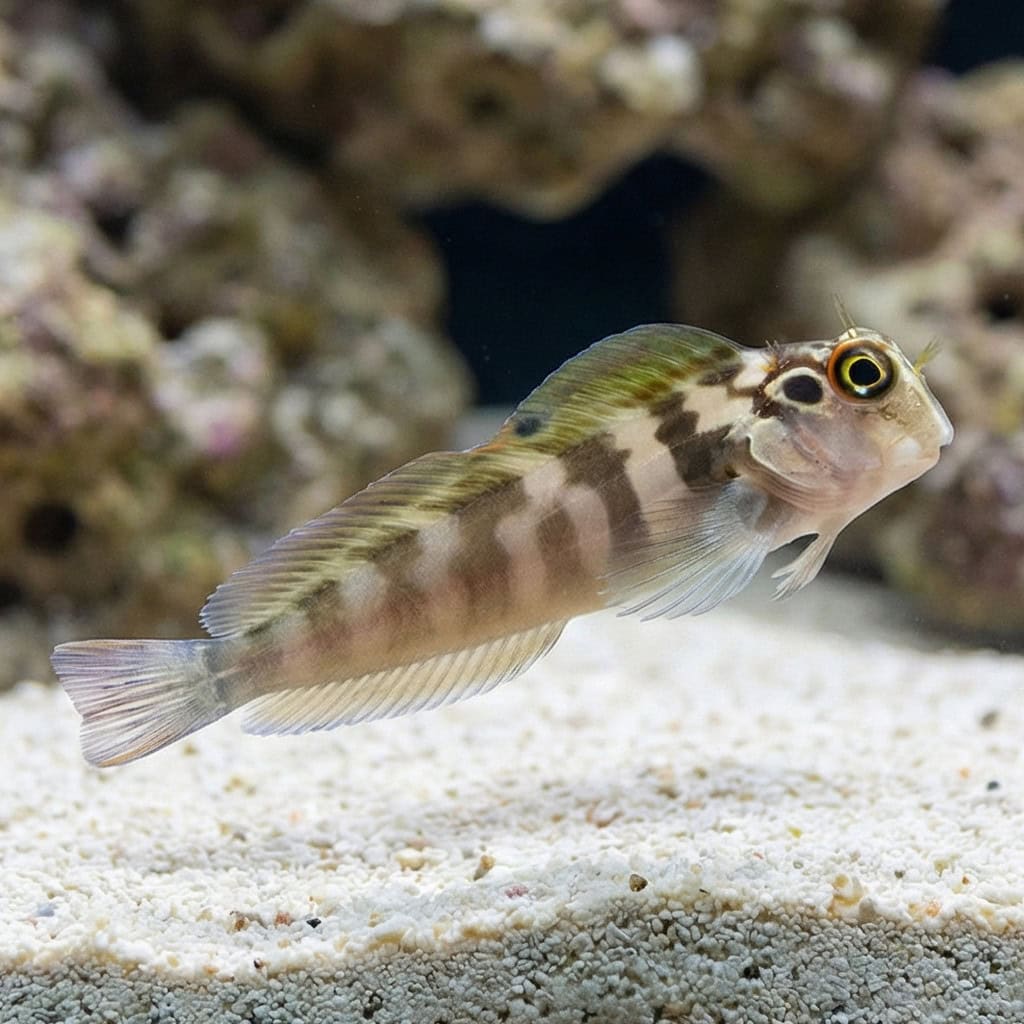
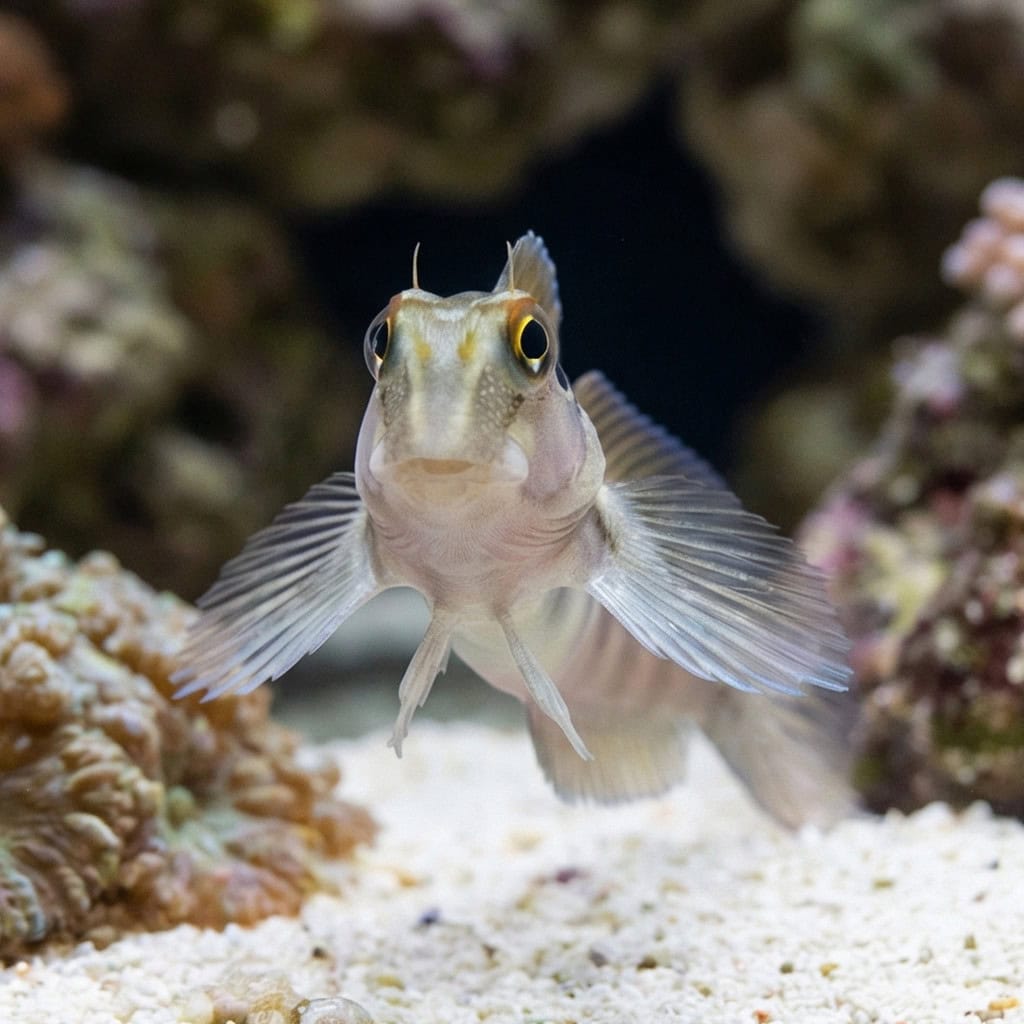
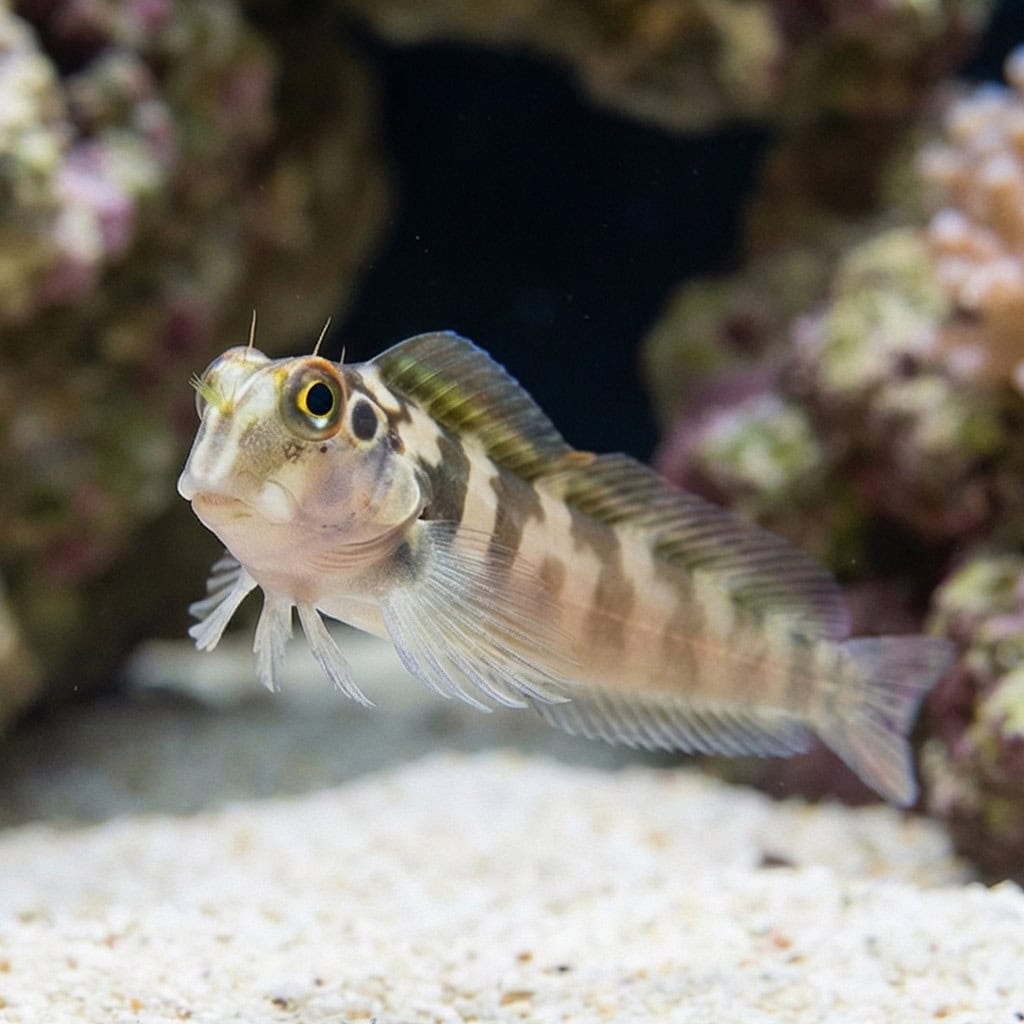
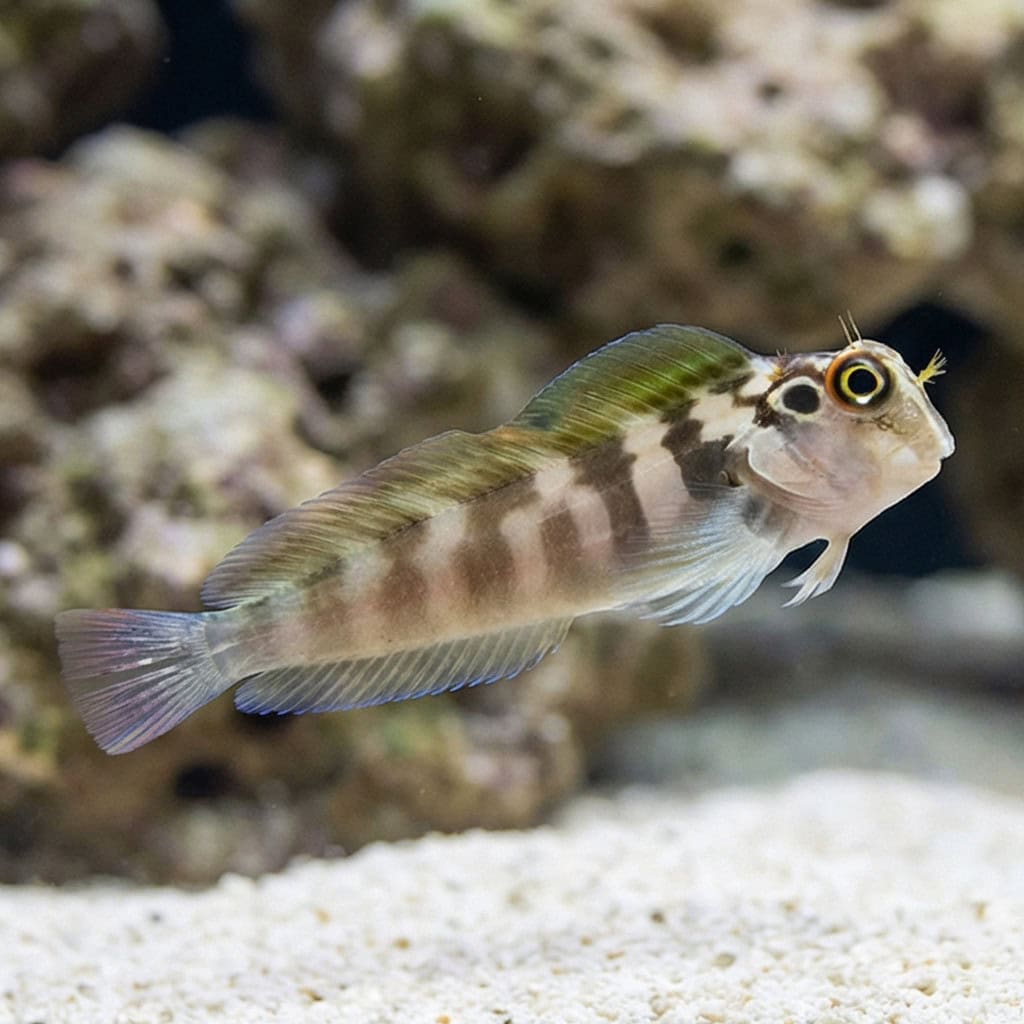
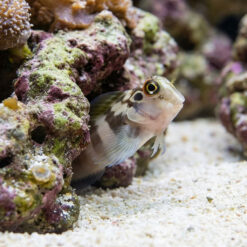
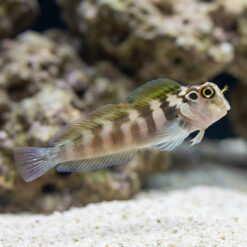
Panamic Fanged Blenny
Ophioblennius steindachneri
| Stock | Variations | Price | Quantity | |
|---|---|---|---|---|
| Out of Stock | 2.25 - 4.25" - East Pacific | Original price was: $83.99.$43.99Current price is: $43.99. | Email me |
Every order ships with our standard 3-hour live arrival guarantee. Need more time? Add our 5-Day Guarantee at checkout.
Full guarantee terms →Ships Monday – Thursday for next-day arrival at your nearest FedEx Hold location — typically ready by 9 AM. We monitor every delivery.
Shipping details →
Monday – Friday 8 AM – 9 PM
Saturday 12 PM – 4 PM
Sunday 12 PM – 9 PM
Healthy, stable animals from vetted suppliers — inspected before packing, shipped overnight. Decades of experience built this model so we can deliver premium livestock at 30%+ less than you'd pay elsewhere.
| Care Level | Moderate |
|---|---|
| Temperament | Semi-Aggressive |
| Reef Safe | With Caution |
| Functional Benefit | Algae Control |
| Diet Type | Omnivore |
| Mininum Tank Size | 55 gallons |
| Max Size | 8 inches |
| Temperature | 72–78°F |
| pH Range | 8.1–8.4 |
| Specific Gravity | 1.022–1.025 |
The Panamic Fanged Blenny is an active rock-dweller that spends the day grazing film and short algae from hard surfaces, helping keep established reef rock looking clean. Adults develop a brown-to-olive base color with lighter markings and broad banding, and they’re naturally found along rocky reef areas in the eastern Pacific.
What You’ll Observe:
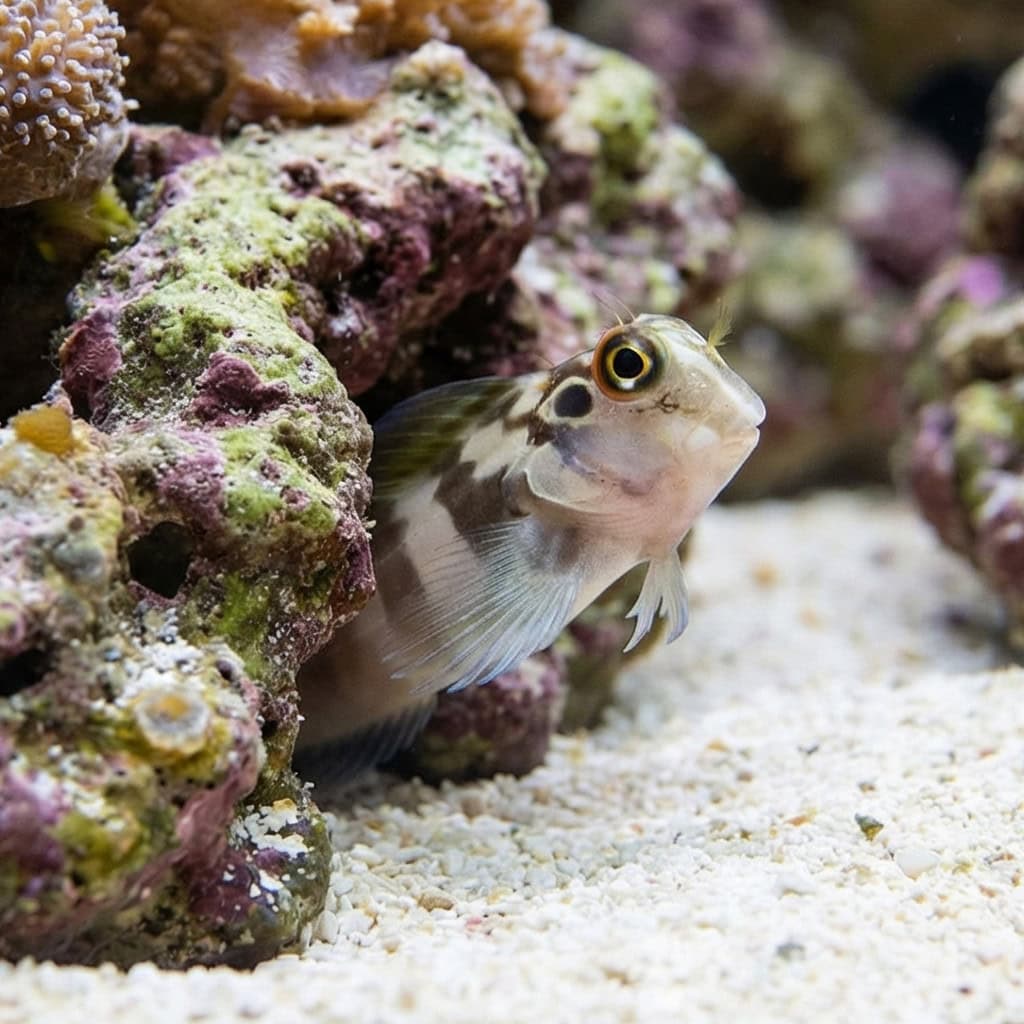
- Choosing a favorite crevice and “parking” there, then making quick patrols across nearby rock
- Short, purposeful dashes out to scrape rock, then returning to the same shelter
- Noticeable color darkening/lightening tied to activity, feeding, and territory checks
- A consistent daytime routine of grazing, perching, and watching the tank from its hideout
To help this blenny thrive, provide mature live rock with multiple tight caves and ledges so it can claim a home base and graze naturally. Offer a mixed menu that includes algae-based foods (like nori or spirulina blends) alongside small meaty items to round out its diet. Giving it its own defined “zone” in the rockwork helps it settle in and stay active.
Is it normal for this blenny to wedge into a crack and only show its head?
Yes’many combtooth blennies pick a specific crevice as a home base and venture out in short loops to graze before returning.
Will it eat prepared foods, or does it only graze algae?
Most learn prepared foods over time; offering a clip of dried algae plus small frozen foods during regular feedings usually builds a steady routine.
Why does its color or contrast change from day to day?
Shifts in shade and band contrast are commonly tied to lighting, mood, and “territory mode,” especially when it’s actively patrolling or feeding.
Does it need a “blenny hole,” and what counts as a good one?
A narrow rock crevice, small cave, or a barnacle-cluster-style hiding spot works well’what matters is a snug space it can consistently return to.
Can I keep it with other blennies if there are lots of hiding spots?
It often does best when it’s the only similar-shaped grazer in its area; mixing blennies works most smoothly when each fish can claim a clearly separate perch/zone.
Our selection process means you get robust, well-adjusted specimens that settle in quickly.
Recently viewed products