Picta Coris Wrasse
Coris picta
| Stock | Variations | Price | Quantity |
|---|
Every order ships with our standard 3-hour live arrival guarantee. Need more time? Add our 5-Day Guarantee at checkout.
Full guarantee terms →Ships Monday – Thursday for next-day arrival at your nearest FedEx Hold location — typically ready by 9 AM. We monitor every delivery.
Shipping details →
Monday – Friday 8 AM – 9 PM
Saturday 12 PM – 4 PM
Sunday 12 PM – 9 PM
Healthy, stable animals from vetted suppliers — inspected before packing, shipped overnight. Decades of experience built this model so we can deliver premium livestock at 30%+ less than you'd pay elsewhere.
| Care Level | Moderate |
|---|---|
| Temperament | Semi-Aggressive |
| Reef Safe | With Caution |
| Functional Benefit | Ornamental Only |
| Diet Type | Carnivore |
| Mininum Tank Size | 90 gallons |
| Max Size | 10 inches |
| Temperature | 72–78°F |
| pH Range | 8.1–8.4 |
| Specific Gravity | 1.022–1.025 |
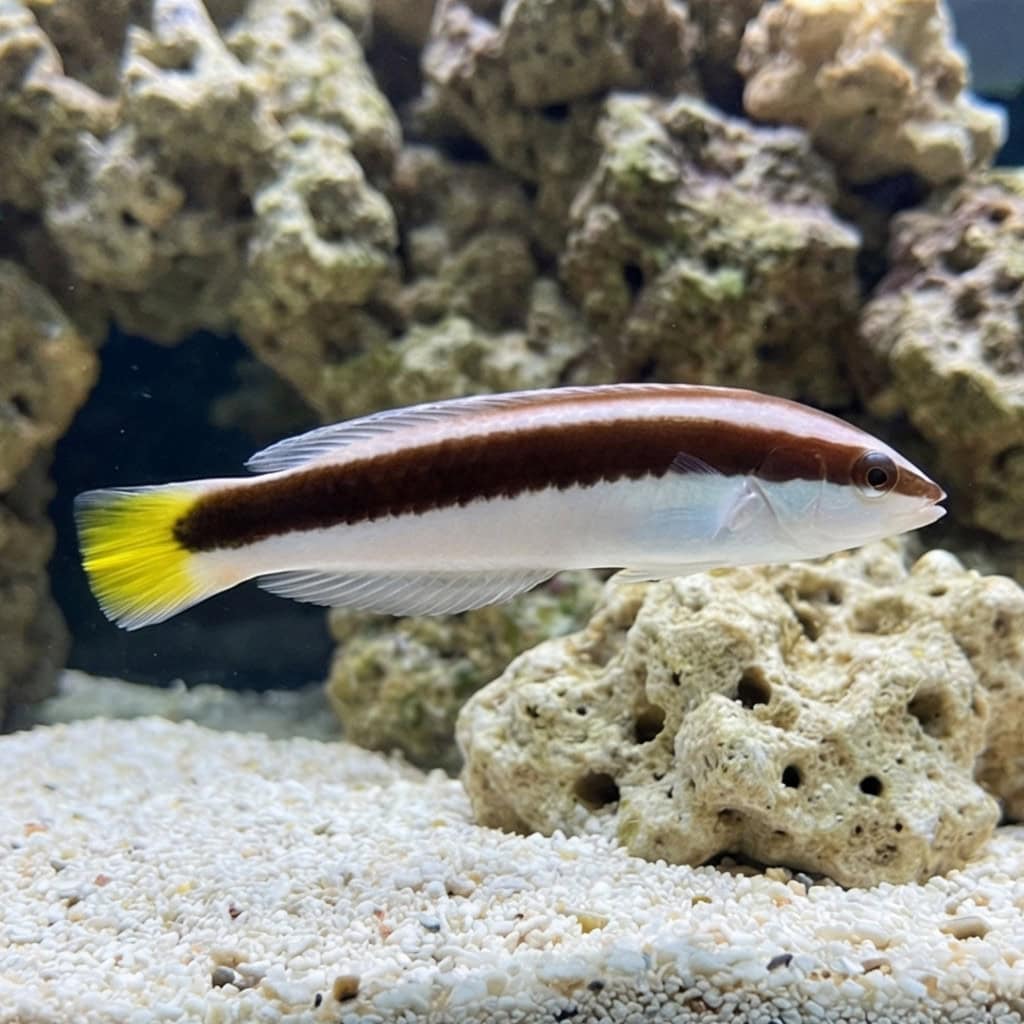
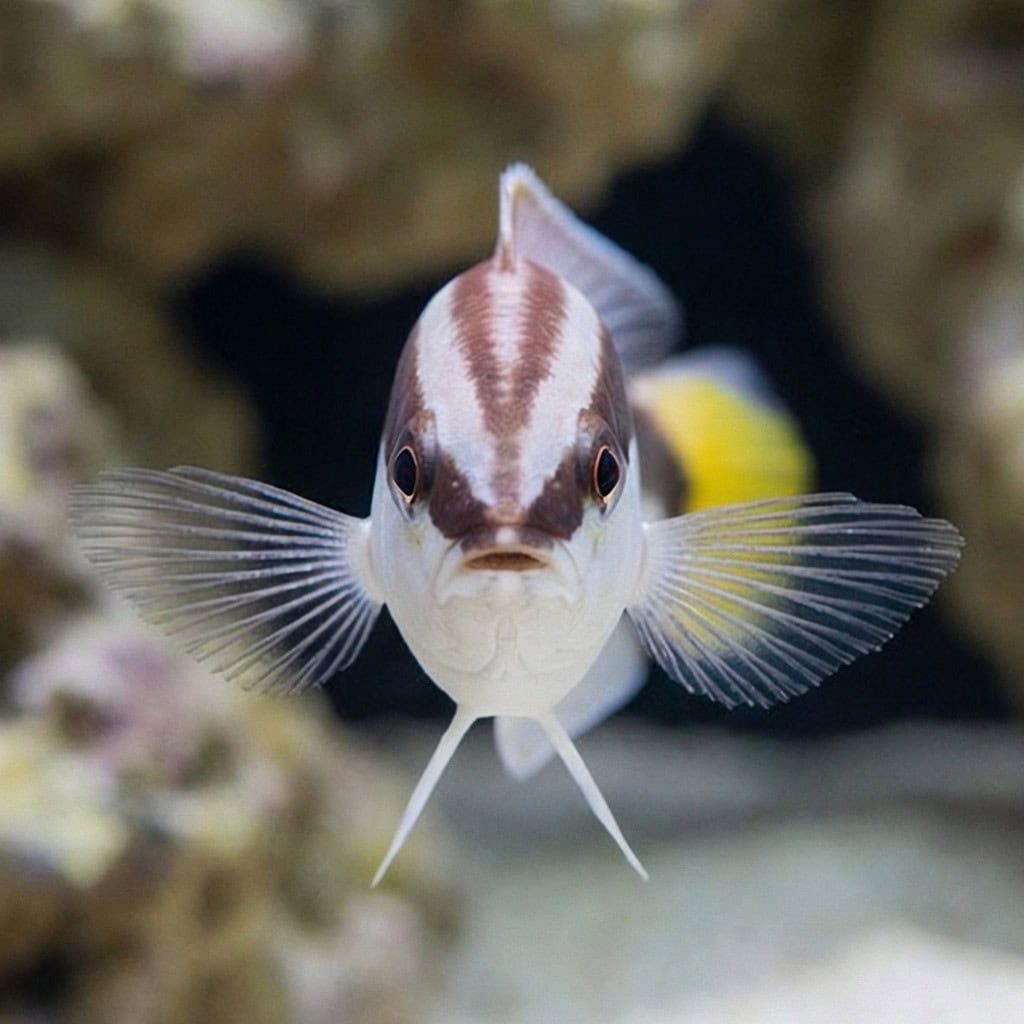
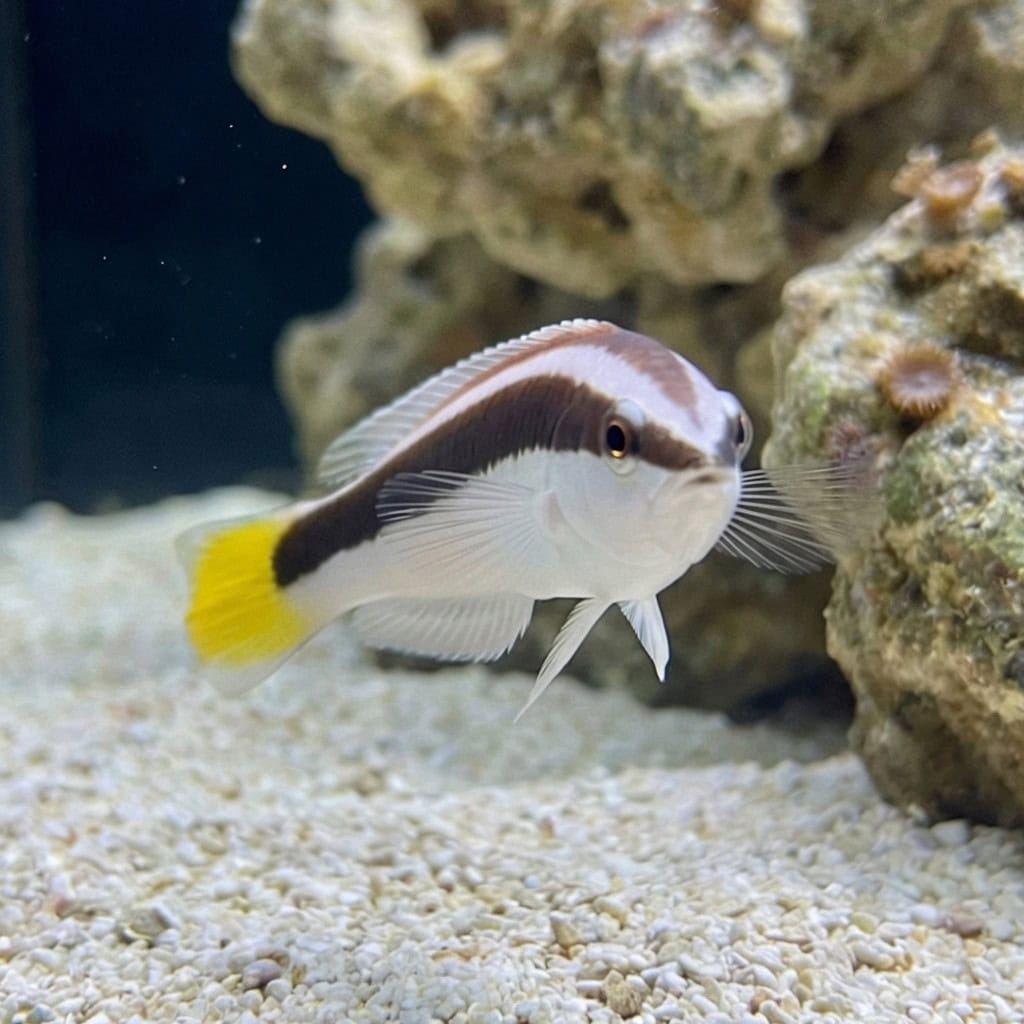
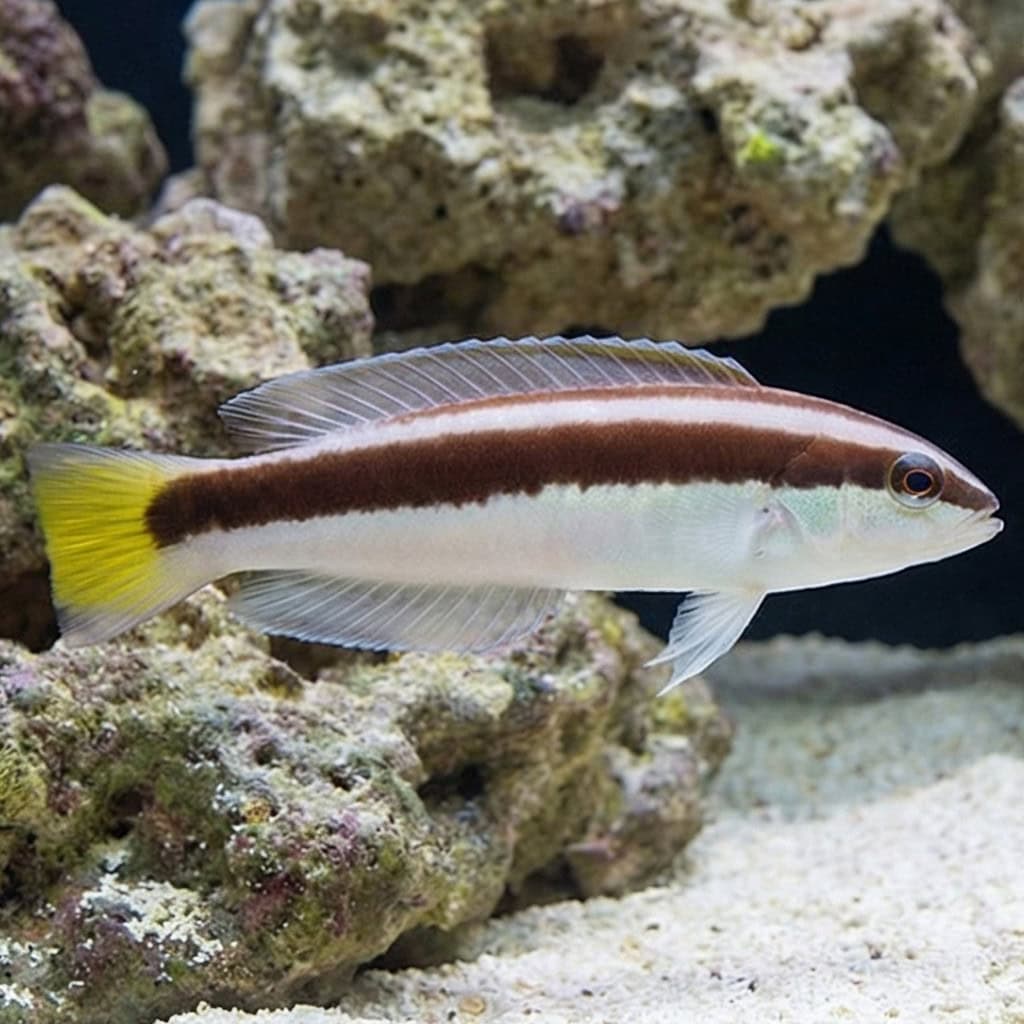
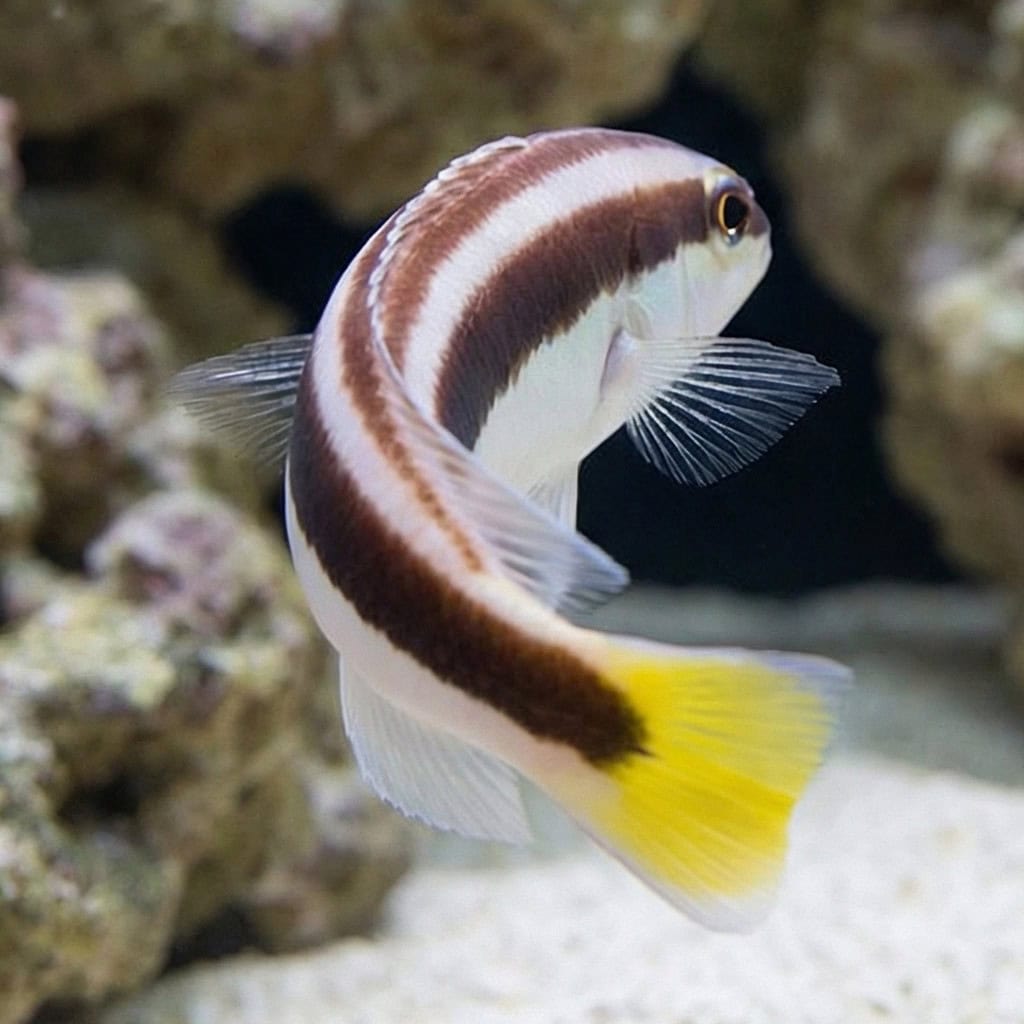
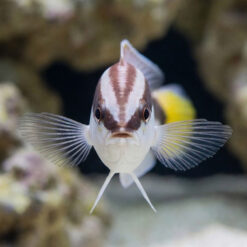
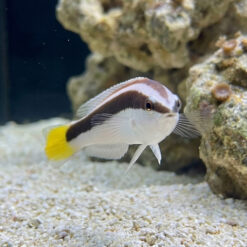
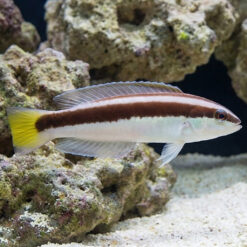
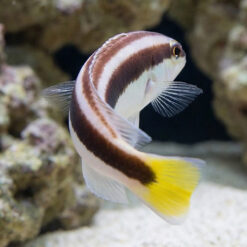
The Picta Coris Wrasse (Coris picta), also known as the comb wrasse, is a high-contrast Coris wrasse with a bold black band over a white body. Adults can show a red accent along the top line and yellow in the tail area, while smaller fish may resemble a black-and-white cleaner-style pattern. It’s an active, rock-and-sand cruiser that spends the day inspecting surfaces for meaty bites.
What You’ll Observe:
- Regular laps around the rockwork with quick stops to pick at the substrate and lower rock faces
- Confident “front of tank” behavior during feeding and when people approach the glass
- Noticeable pattern and color shift as it grows, especially around the head and tail area
- Short bursts of speed between hiding spots, then back to steady patrolling
Provide a secure rockscape and an open sand area so it can move naturally between rock and substrate. Offer meaty foods (like mysis, chopped seafood, and quality pellets) in consistent portions so it stays engaged and feeding predictably. Does best in a tank with similarly sized, active fish and clear feeding access at mealtimes.
Will it look like the photos right away, or change as it grows?
Juveniles and adults can look noticeably different; the cleaner-style black-and-white look is most common in smaller fish, while larger individuals develop stronger head and tail accents over time.
Is it the same fish as a “yellow coris wrasse” from most stores?
No—“yellow coris” is a common nickname used for Halichoeres chrysus, which is a different genus; Coris picta is a true Coris wrasse and develops a very different adult pattern.
How do I know it’s settling in during the first week?
A settled fish typically starts doing routine patrols, comes out quickly at feeding time, and repeats the same rock-to-sand routes each day.
What’s the best way to feed it in a mixed community so it doesn’t get outcompeted?
Feed in two areas of the tank (or stagger sinking and drifting foods) so it can grab food while other fish are distracted, then finish with a second small portion.
Does it prefer to sleep in the sand or wedge into rockwork?
Many keepers report a predictable “lights-out routine” where it chooses the same resting zone each night; giving it both a sand zone and a few rock ledges lets it pick a consistent spot.
We source from vetted suppliers known for healthy, long-lived specimens.
Recently viewed products