
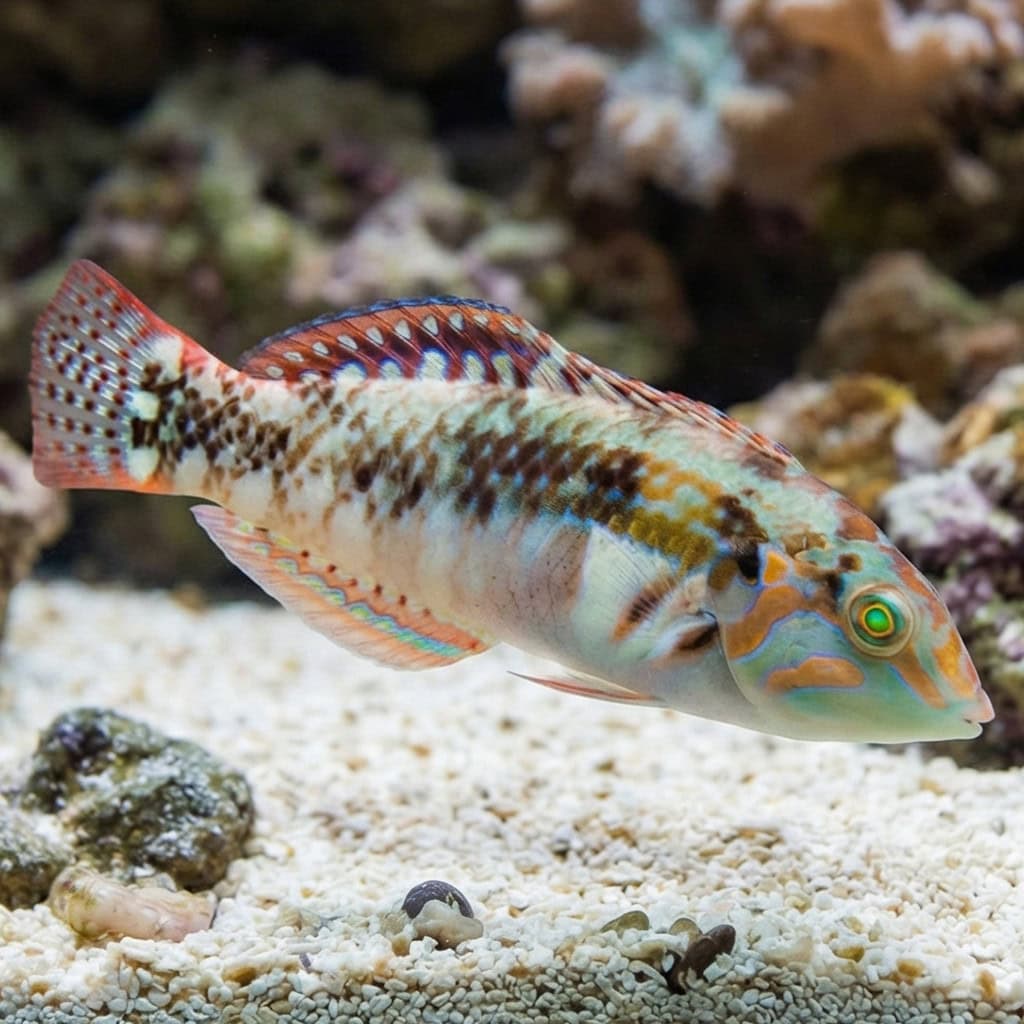
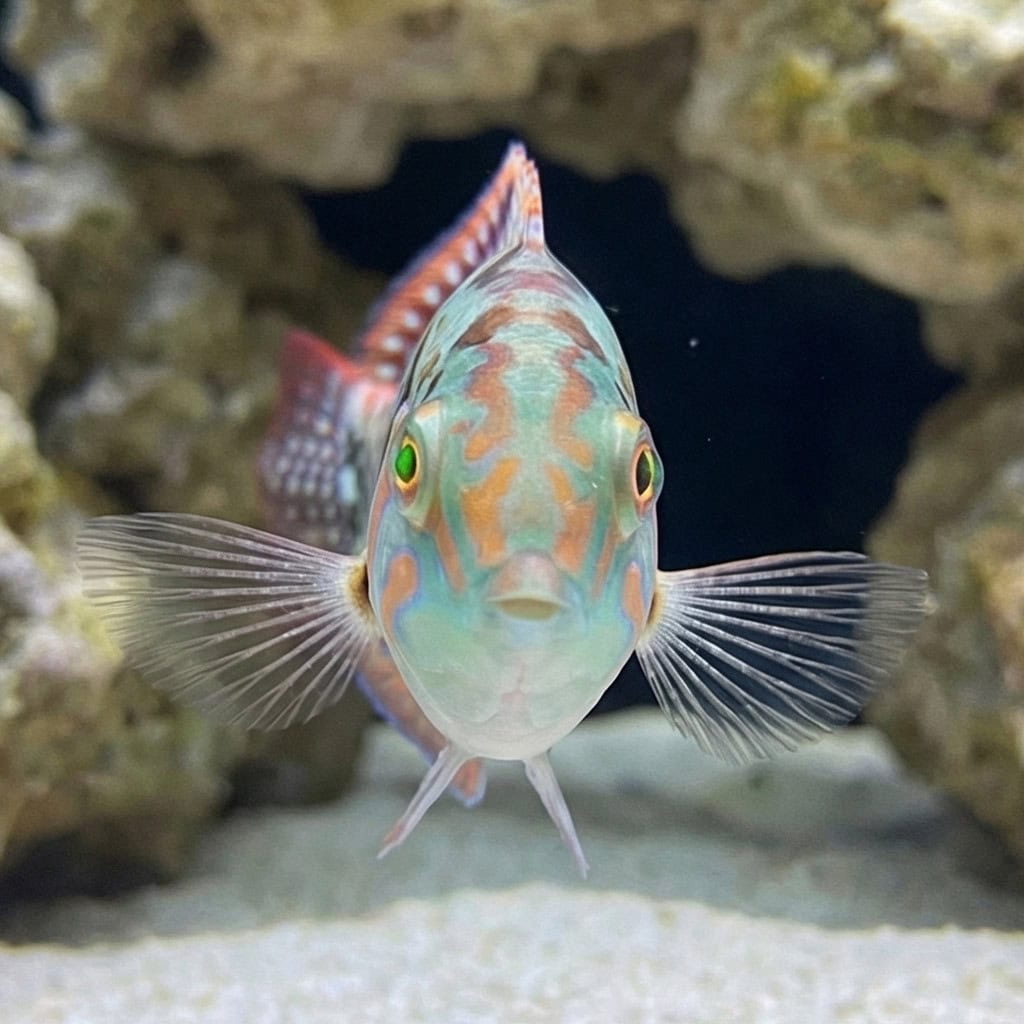
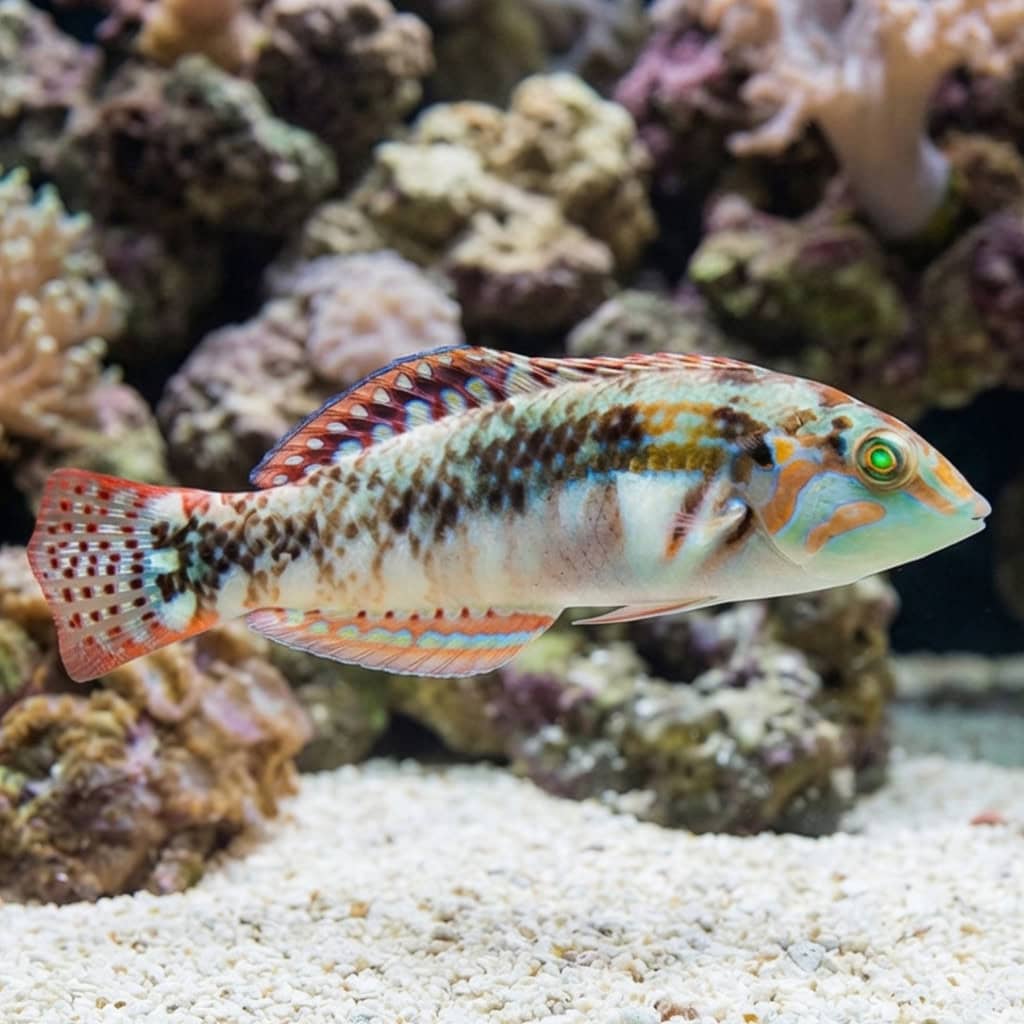
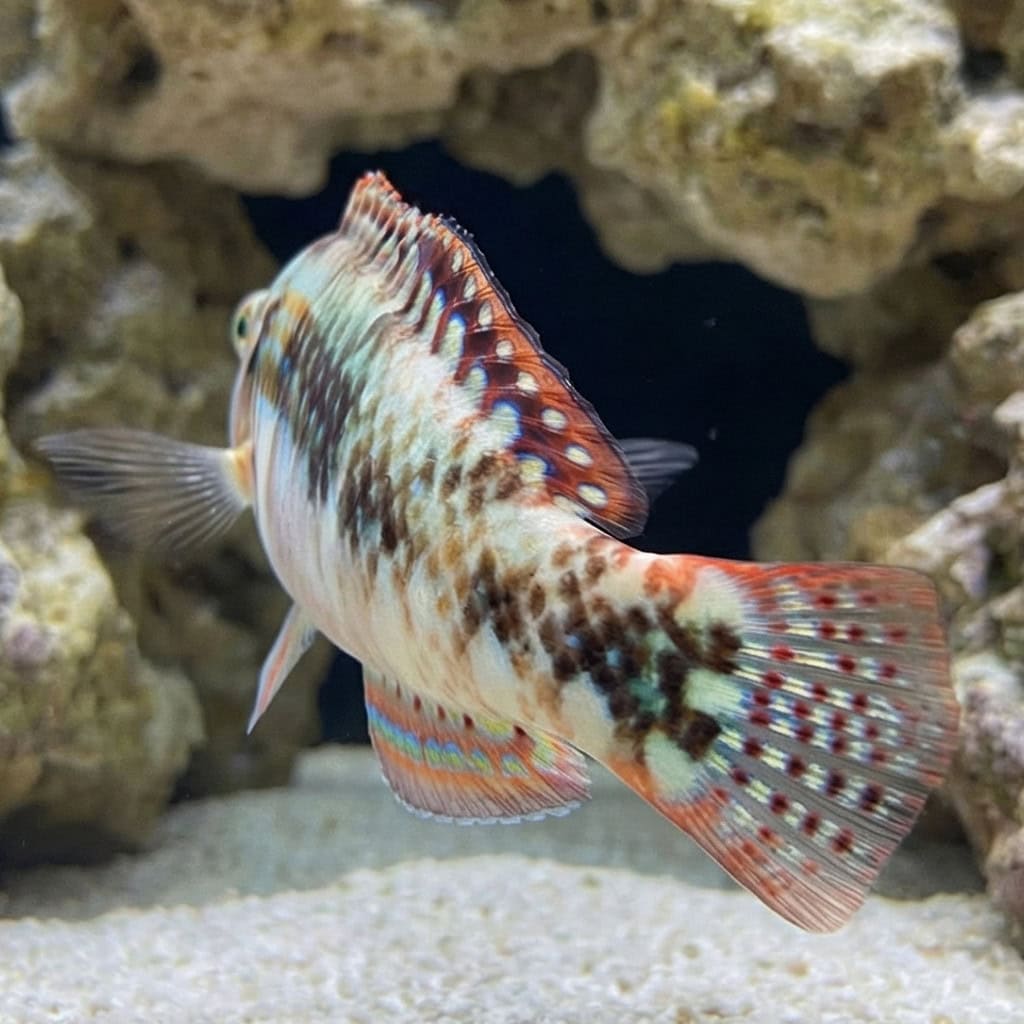
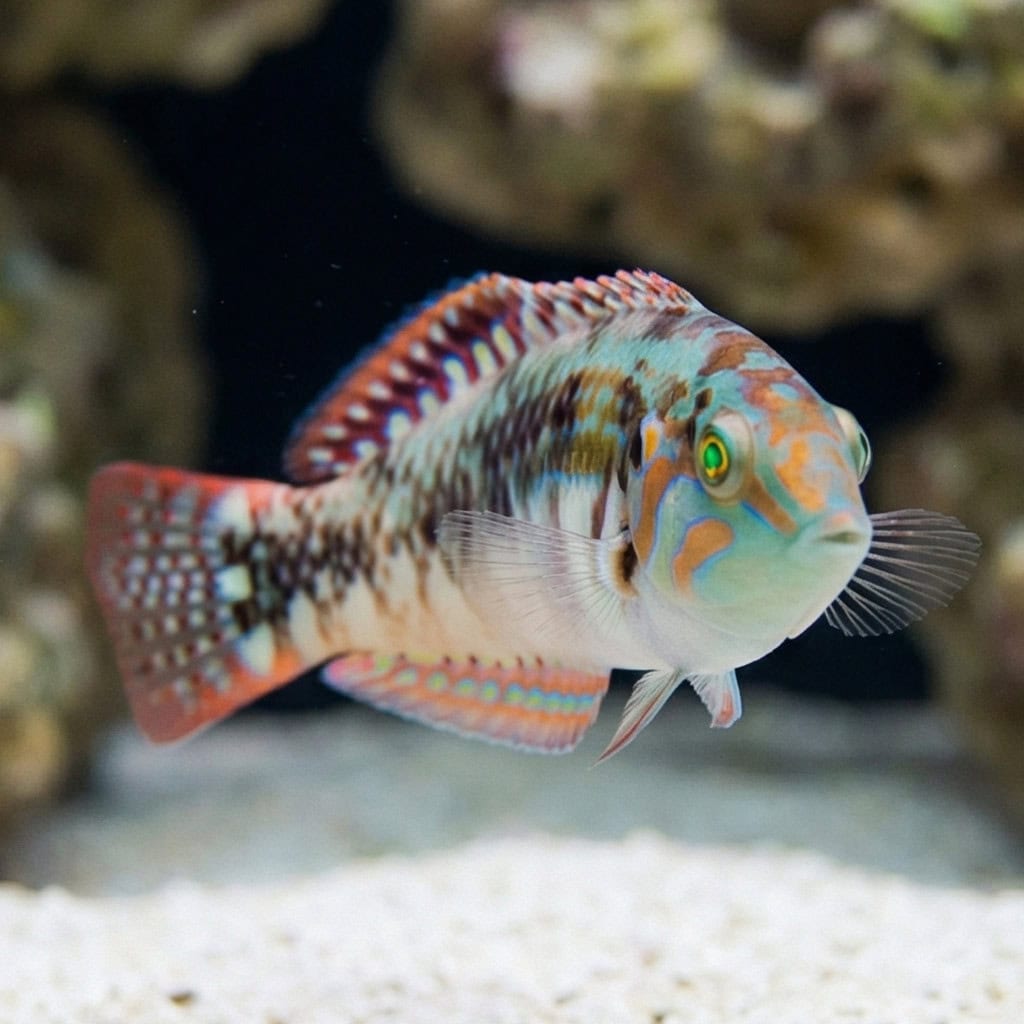
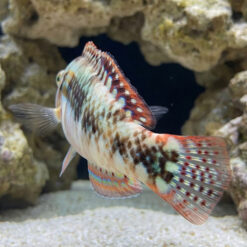
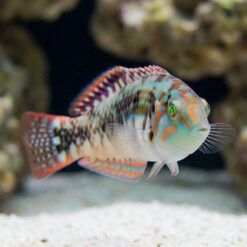
Pink Belly Wrasse
Halichoeres margaritaceus
| Stock | Variations | Price | Quantity | |
|---|---|---|---|---|
| Out of Stock | 2.25 - 3.5" - Indian Ocean | Original price was: $132.99.$69.99Current price is: $69.99. | Email me |
Every order ships with our standard 3-hour live arrival guarantee. Need more time? Add our 5-Day Guarantee at checkout.
Full guarantee terms →Ships Monday – Thursday for next-day arrival at your nearest FedEx Hold location — typically ready by 9 AM. We monitor every delivery.
Shipping details →
Monday – Friday 8 AM – 9 PM
Saturday 12 PM – 4 PM
Sunday 12 PM – 9 PM
Healthy, stable animals from vetted suppliers — inspected before packing, shipped overnight. Decades of experience built this model so we can deliver premium livestock at 30%+ less than you'd pay elsewhere.
| Care Level | Moderate |
|---|---|
| Temperament | Peaceful |
| Reef Safe | Yes |
| Functional Benefit | Pest Control |
| Diet Type | Carnivore |
| Mininum Tank Size | 90 gallons |
| Max Size | 5 inches |
| Temperature | 72–78°F |
| pH Range | 8.1–8.4 |
| Specific Gravity | 1.022–1.025 |
The Pink Belly Wrasse (Halichoeres margaritaceus), often sold as the Pearly Wrasse, is a sand-sleeping wrasse that spends the day cruising rockwork and nearby sand while picking at small benthic invertebrates. Its base color is typically sage-green to tan with irregular pink “scribble” patterning that helps it blend into algae-covered reef surfaces.
What You’ll Observe:
- Steady patrolling along the lower rockwork, with frequent short “investigation” stops
- Quick darts into the sand when startled, then reappearing once it feels settled
- Repeated pecking at tiny targets on rock and rubble zones
- A consistent daily routine of active daytime foraging and sand-burying at lights-out
Provide open sand plus rockwork breaks so it can forage and reset between laps. Feed small meaty foods (like mysis and other fine frozen blends) in portions it can grab quickly, and keep the flow and aquascape stable so it learns a predictable route through your tank.
Will a Pink Belly Wrasse bother ornamental shrimp?
Many keepers report Halichoeres wrasses stay coral-safe but may show hunting interest in very small shrimp. Larger cleaner-type shrimp are more commonly reported as compatible in established reefs.
Does this species get more assertive as it matures?
Some hobbyists note it can become more confident and occasionally more pushy with age, especially toward new additions. Planning the stocking order (and adding similarly-sized fish thoughtfully) tends to produce smoother long-term dynamics.
Is it normal for it to “disappear” for a day or two after being added?
Yes—new wrasses commonly spend extra time tucked away while they map the tank and settle into a routine. Once comfortable, most are seen making regular laps through the same zones each day.
What foods get the best feeding response early on?
Small, meaty frozen foods with a strong scent are most commonly mentioned as quick starters. Offering a couple of smaller feedings instead of one large dump often keeps it engaged and visible.
Can I keep more than one of these wrasses together?
In typical home reef tanks, most keepers stick to a single Halichoeres of this type unless the system is very large and introductions are planned around size and temperament. When attempted, adding the more passive fish first is a common strategy.
Shipped with pure oxygen and temperature control so it arrives stress-free and ready to eat.
Recently viewed products