
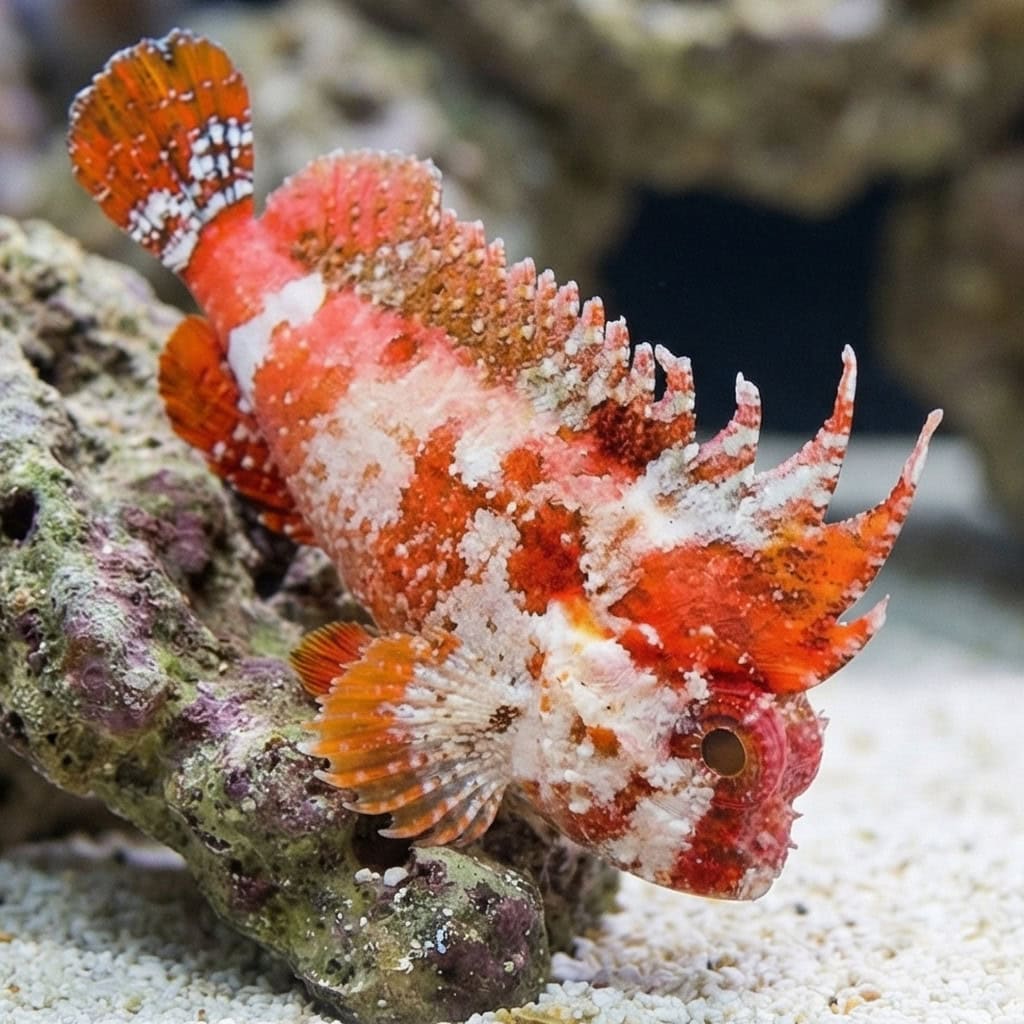
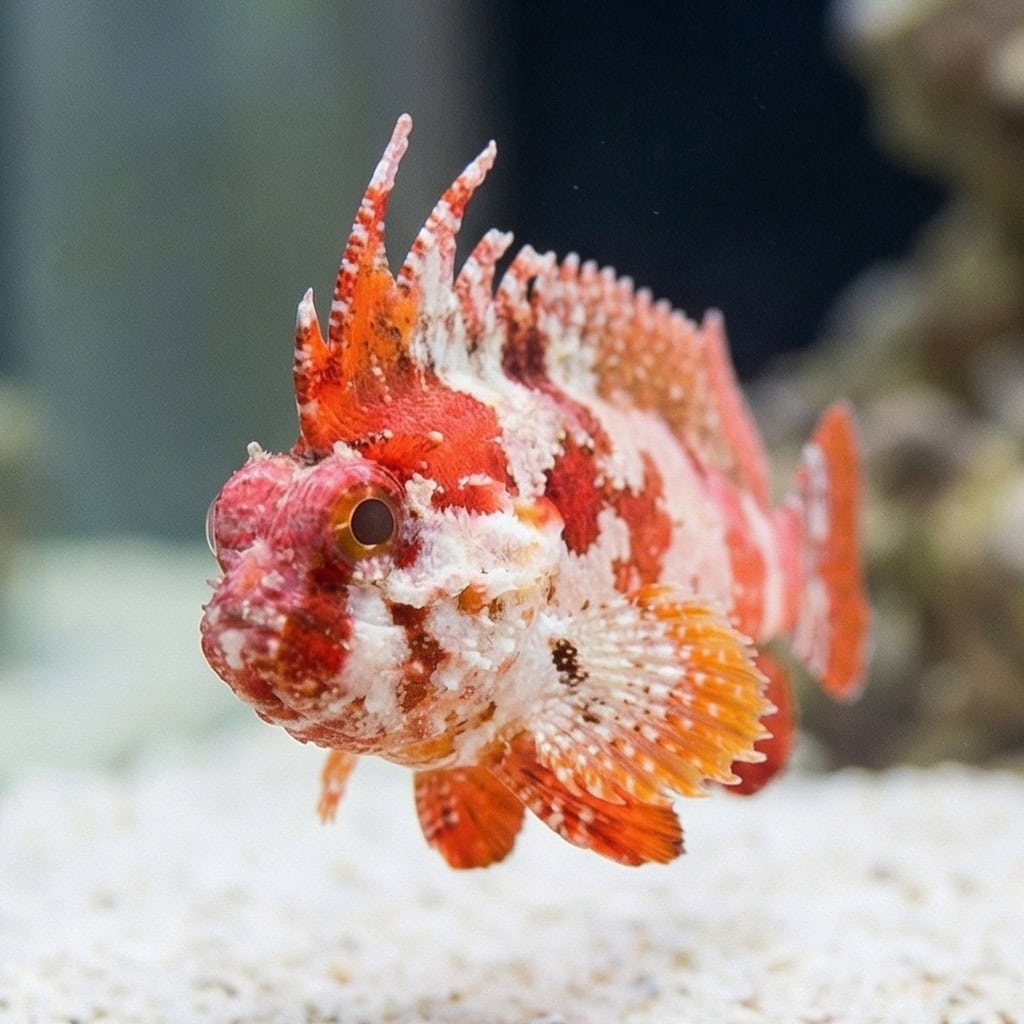
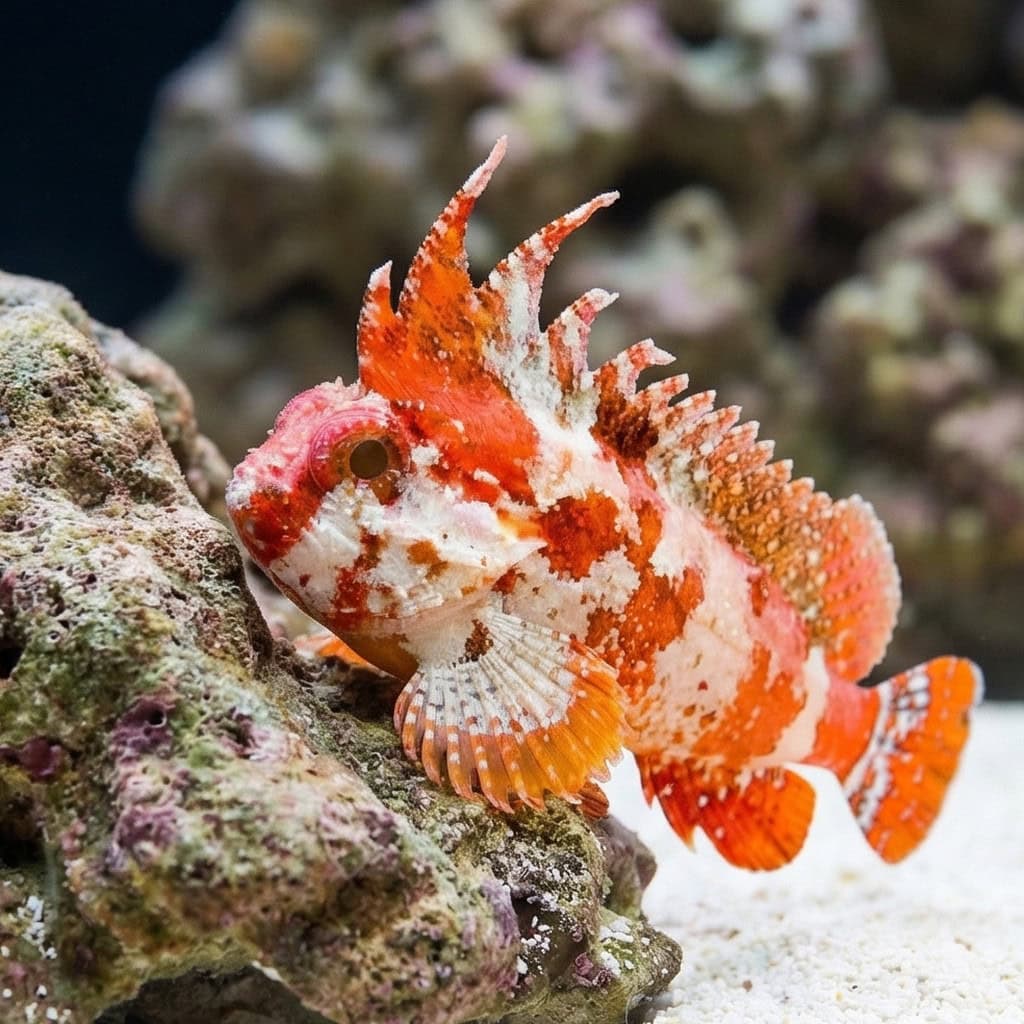
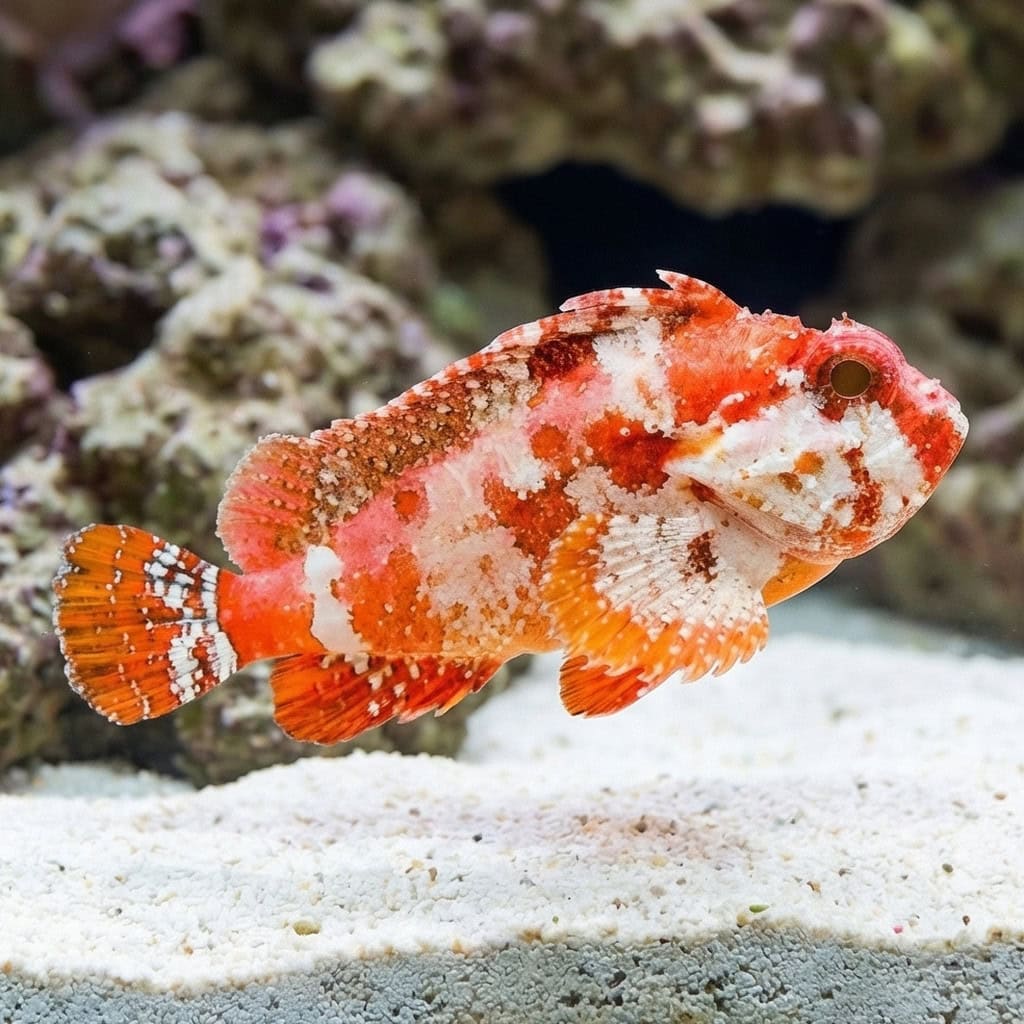
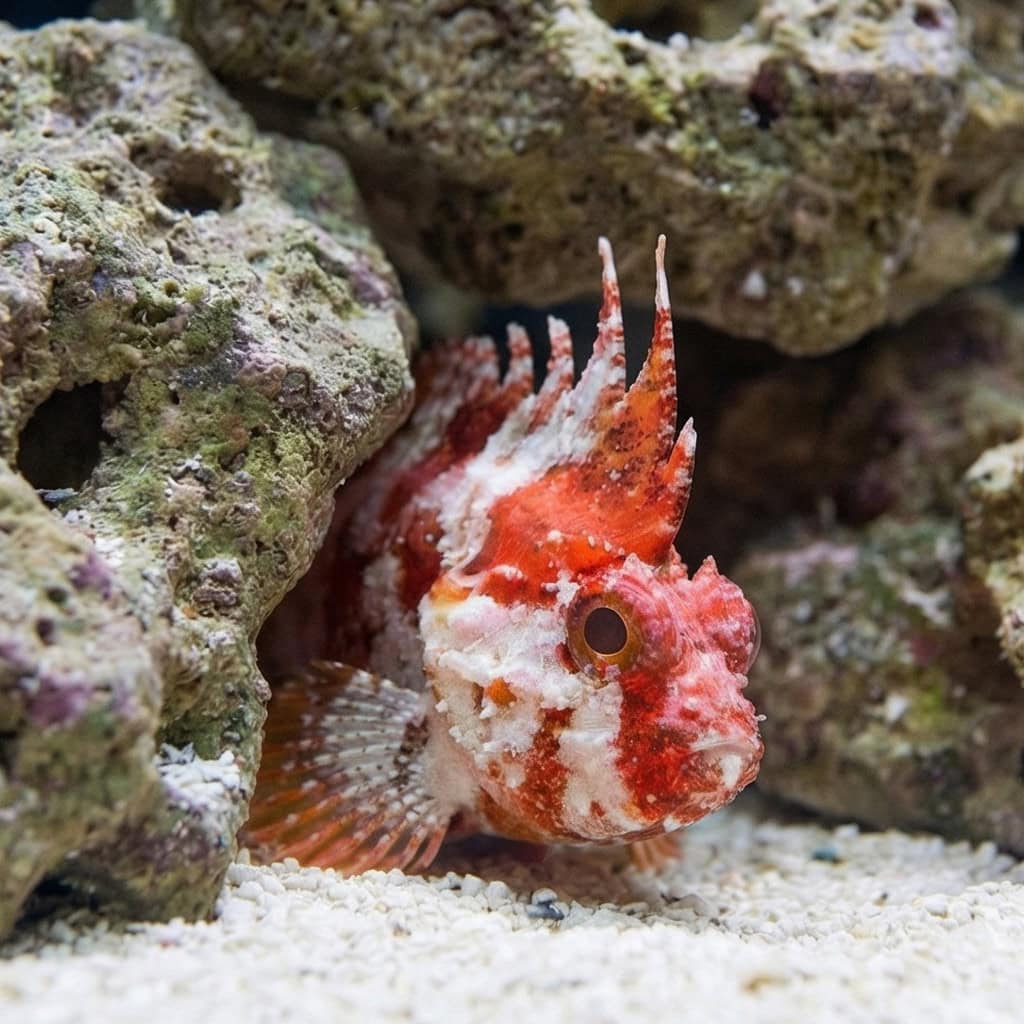
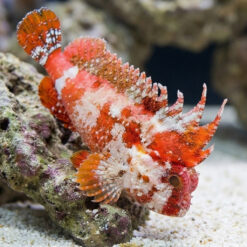
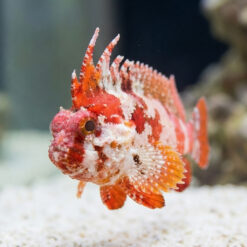
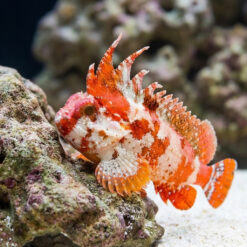
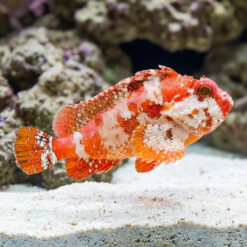
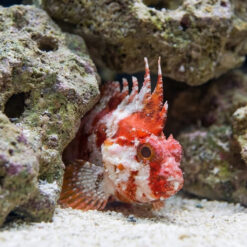
Pygmy Red Rooster Waspfish
Paracentropogon zonatus
| Stock | Variations | Price | Quantity | |
|---|---|---|---|---|
| Out of Stock | 2" or smaller - Indo-Pacific | Original price was: $132.99.$69.99Current price is: $69.99. | Email me |
Every order ships with our standard 3-hour live arrival guarantee. Need more time? Add our 5-Day Guarantee at checkout.
Full guarantee terms →Ships Monday – Thursday for next-day arrival at your nearest FedEx Hold location — typically ready by 9 AM. We monitor every delivery.
Shipping details →
Monday – Friday 8 AM – 9 PM
Saturday 12 PM – 4 PM
Sunday 12 PM – 9 PM
Healthy, stable animals from vetted suppliers — inspected before packing, shipped overnight. Decades of experience built this model so we can deliver premium livestock at 30%+ less than you'd pay elsewhere.
| Care Level | Expert |
|---|---|
| Temperament | Semi-Aggressive |
| Reef Safe | With Caution |
| Functional Benefit | Ornamental Only |
| Diet Type | Carnivore |
| Mininum Tank Size | 20 gallons |
| Max Size | 2 inches |
| Temperature | 72–78°F |
| pH Range | 8.1–8.4 |
| Specific Gravity | 1.022–1.025 |
The Pygmy Red Rooster Waspfish (Paracentropogon zonatus), also sold as a bandtail waspfish, is a small perch-and-pounce predator with mottled red coloration and a pale face that helps it blend into rockwork. It uses stout pectoral fins to “hop” between ledges and crevices, so it tends to look like part of the reef until feeding time.
What You’ll Observe:
- Long perching sessions on rock shelves, followed by short, deliberate hops to a new spot
- A quick ambush strike when meaty food passes close
- Preference for shaded overhangs and tight caves, especially after lights come on
- Most activity concentrated around feeding time, then a return to its favorite ledge
Provide established rockwork with multiple caves and calm perches so it can settle into a consistent routine. Offer small meaty foods (and use a feeding stick if needed) so the waspfish can take pieces at its own pace. Choose tankmates that are too large to fit in its mouth and that won’t crowd it off its resting spots.
Can it live with smaller “nano” fish if they are fast?
If a fish can fit in its mouth, it may eventually be viewed as food, even if it ignored it at first. Most keepers have the best results with similarly sized (or larger) tankmates.
Why does it sit still for hours?
That’s normal ambush behavior. Many owners describe it as a “perch fish” that saves energy and waits for food to come close.
How do I transition it off live foods?
Start by mixing live with frozen meaty items and offering food with tongs or a feeding stick in the same spot each time. Consistent placement helps it learn a repeatable feeding routine.
Will it bother corals if it perches on them?
It’s generally not interested in coral tissue, but it can irritate corals by sitting on them. Giving it dedicated perches (flat rocks/ledges) usually reduces this.
What’s the safest way to move it during maintenance?
Most hobbyists use a specimen container or rigid cup rather than a net, and guide the fish in with a tool. This keeps the process controlled and avoids fin snags.
We work with trusted suppliers who keep our specimens healthy and well-fed before shipping.
Recently viewed products