
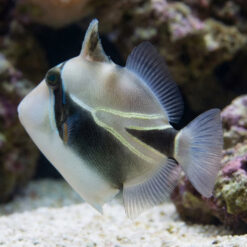
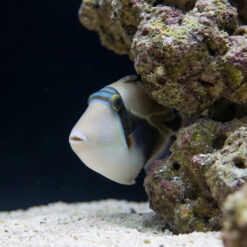
Rectangular Trigger
Rhinecanthus rectangulus
| Stock | Variations | Price | Quantity | |
|---|---|---|---|---|
| Out of Stock | 2.25" or smaller - Indian Ocean | Original price was: $83.99.$44.99Current price is: $44.99. | Email me | |
| Out of Stock | 2.25" or smaller - Indo-Pacific | Original price was: $68.99.$36.99Current price is: $36.99. | Email me |
Every order ships with our standard 3-hour live arrival guarantee. Need more time? Add our 5-Day Guarantee at checkout.
Full guarantee terms →Ships Monday – Thursday for next-day arrival at your nearest FedEx Hold location — typically ready by 9 AM. We monitor every delivery.
Shipping details →
Monday – Friday 8 AM – 9 PM
Saturday 12 PM – 4 PM
Sunday 12 PM – 9 PM
Healthy, stable animals from vetted suppliers — inspected before packing, shipped overnight. Decades of experience built this model so we can deliver premium livestock at 30%+ less than you'd pay elsewhere.
| Care Level | Moderate |
|---|---|
| Temperament | Aggressive |
| Reef Safe | No |
| Functional Benefit | Ornamental Only |
| Diet Type | Carnivore |
| Mininum Tank Size | 120 gallons |
| Max Size | 12 inches |
| Temperature | 72–78°F |
| pH Range | 8.1–8.4 |
| Specific Gravity | 1.022–1.025 |
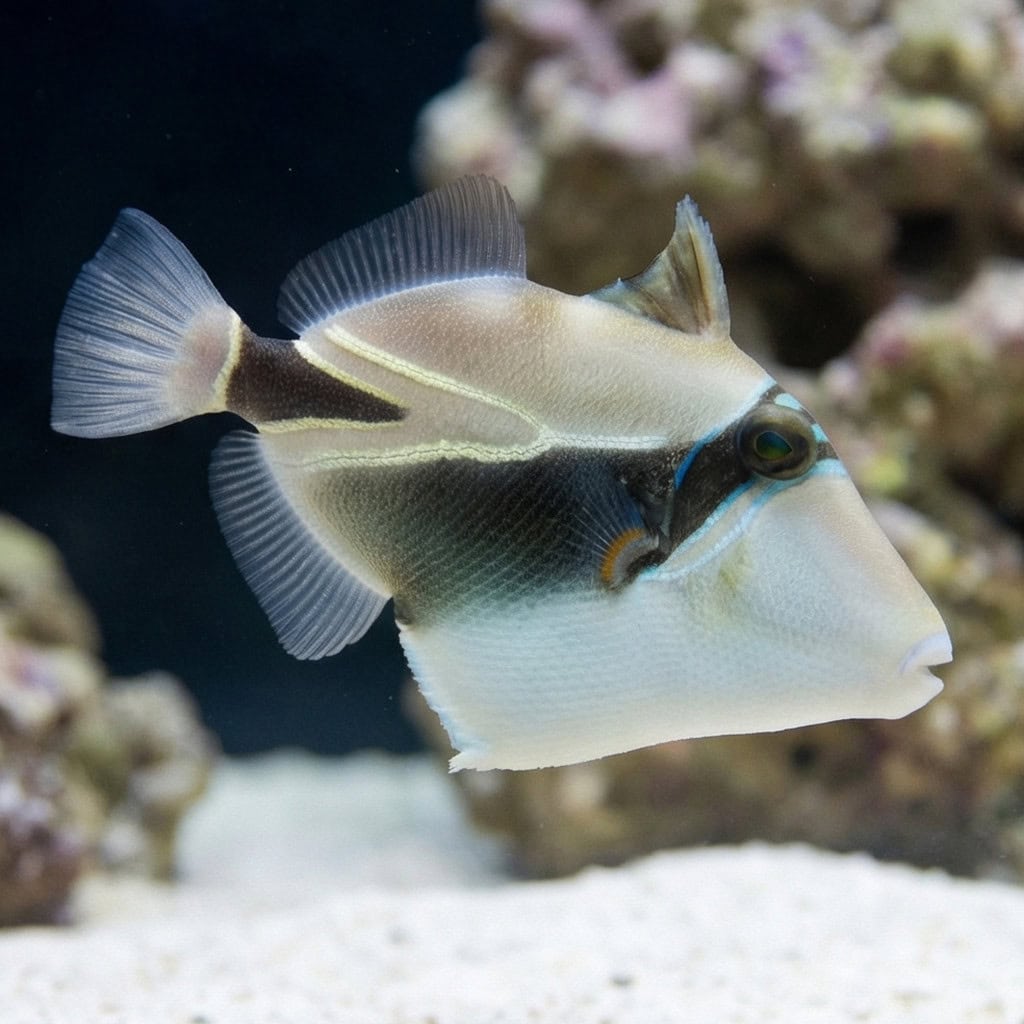
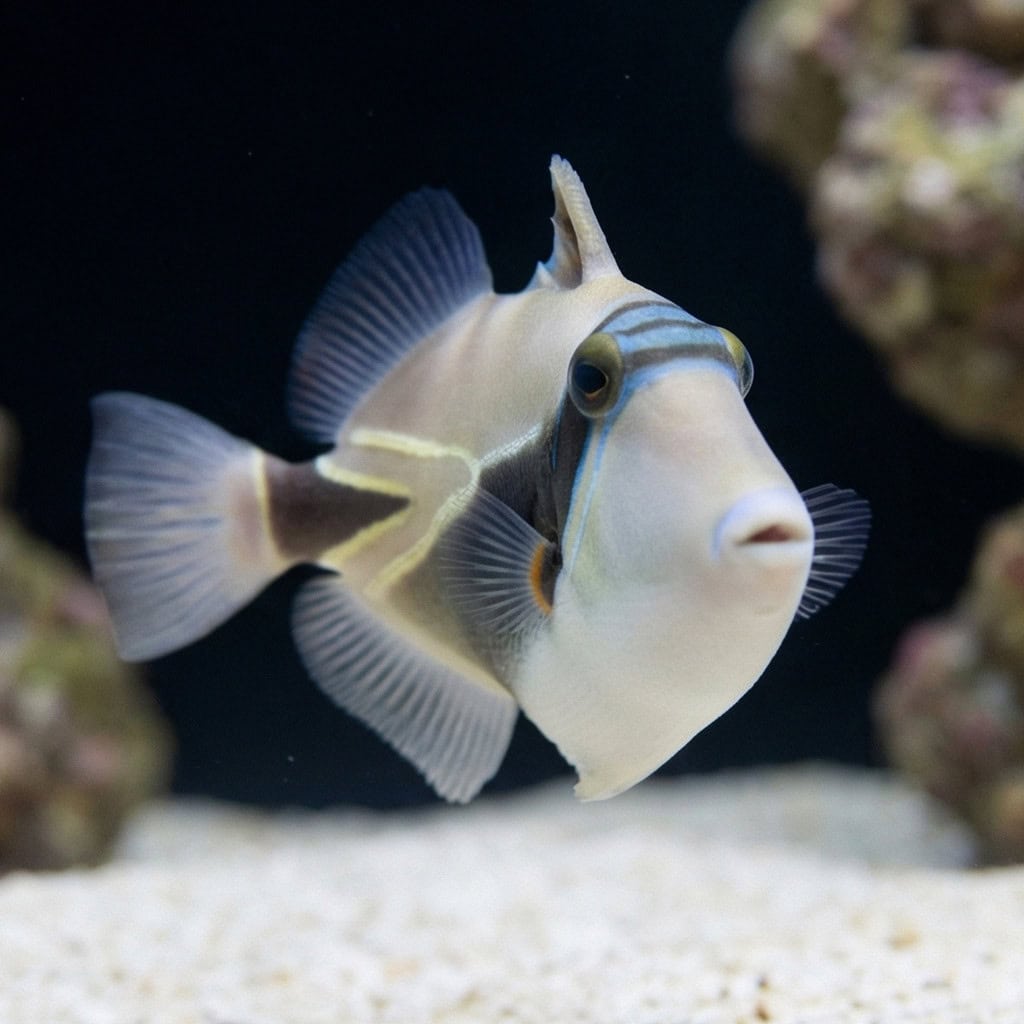
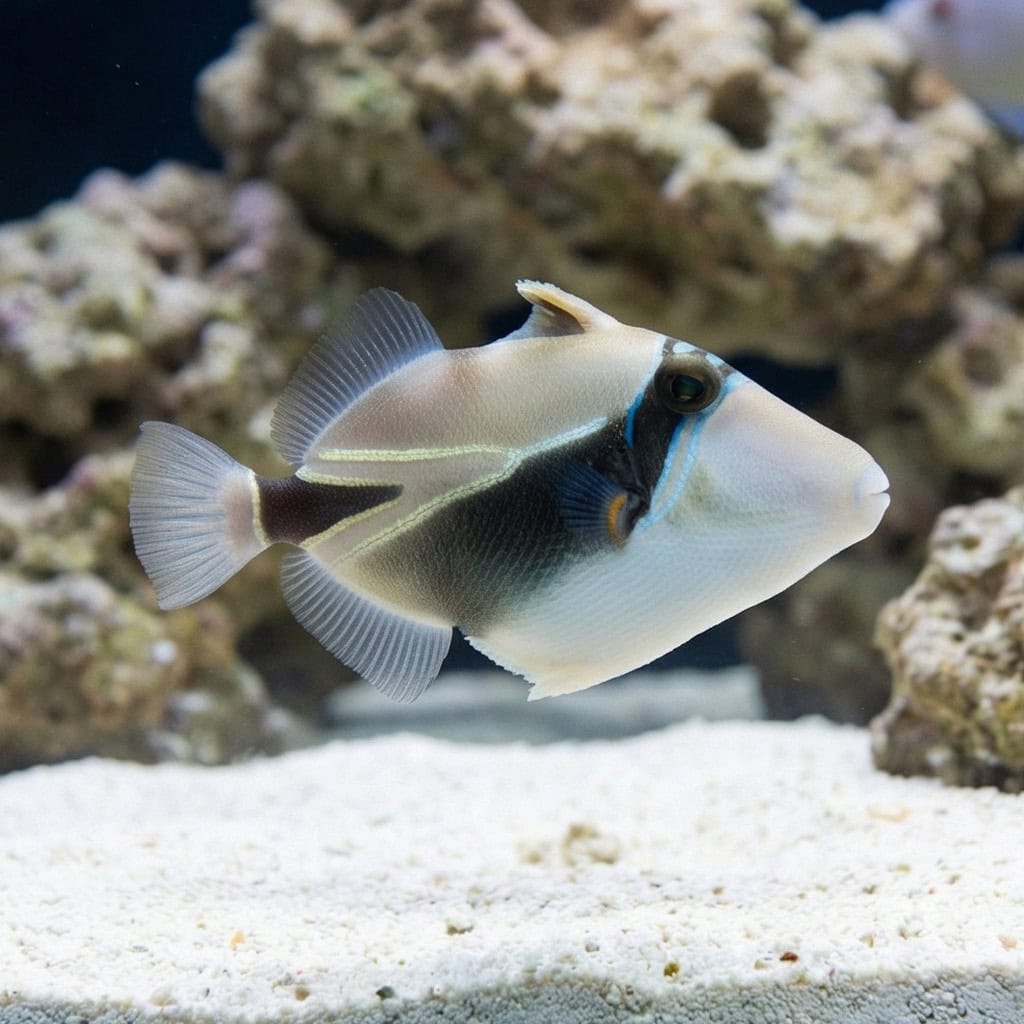
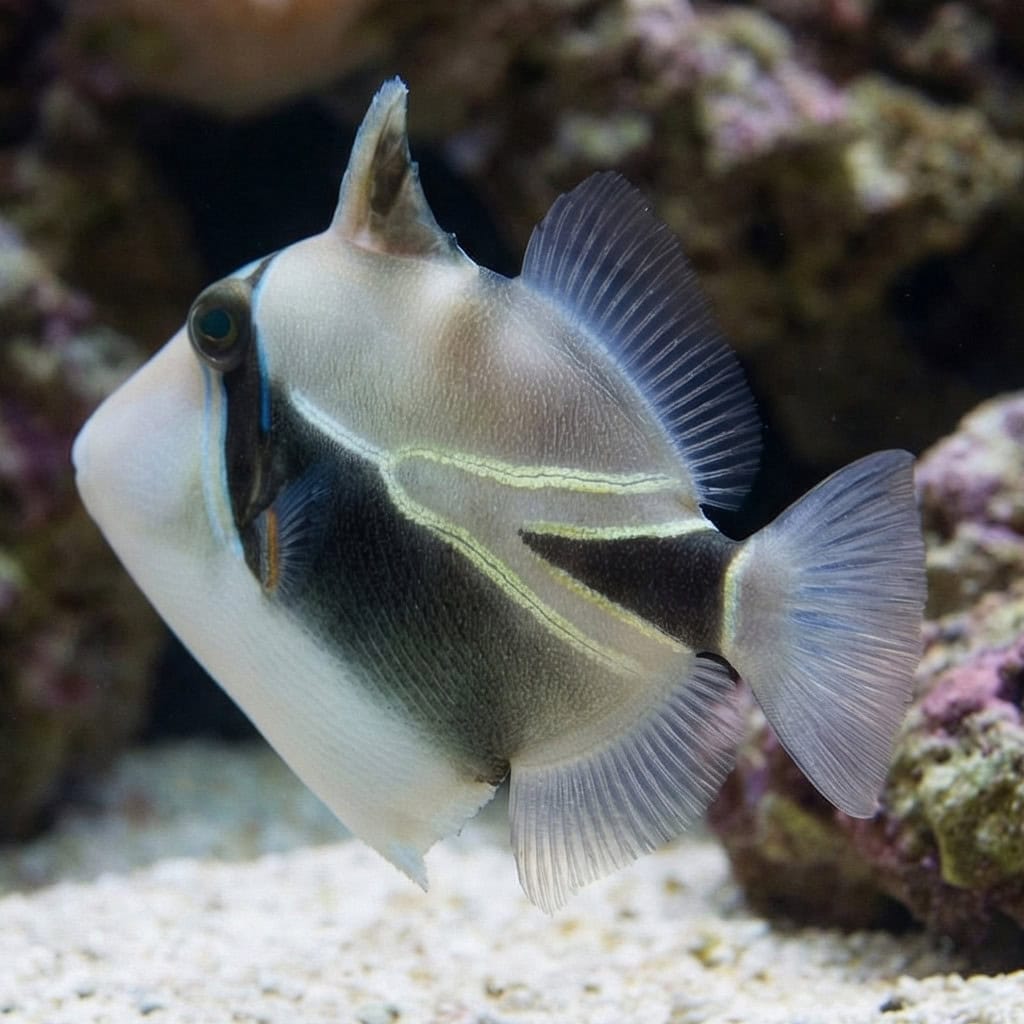
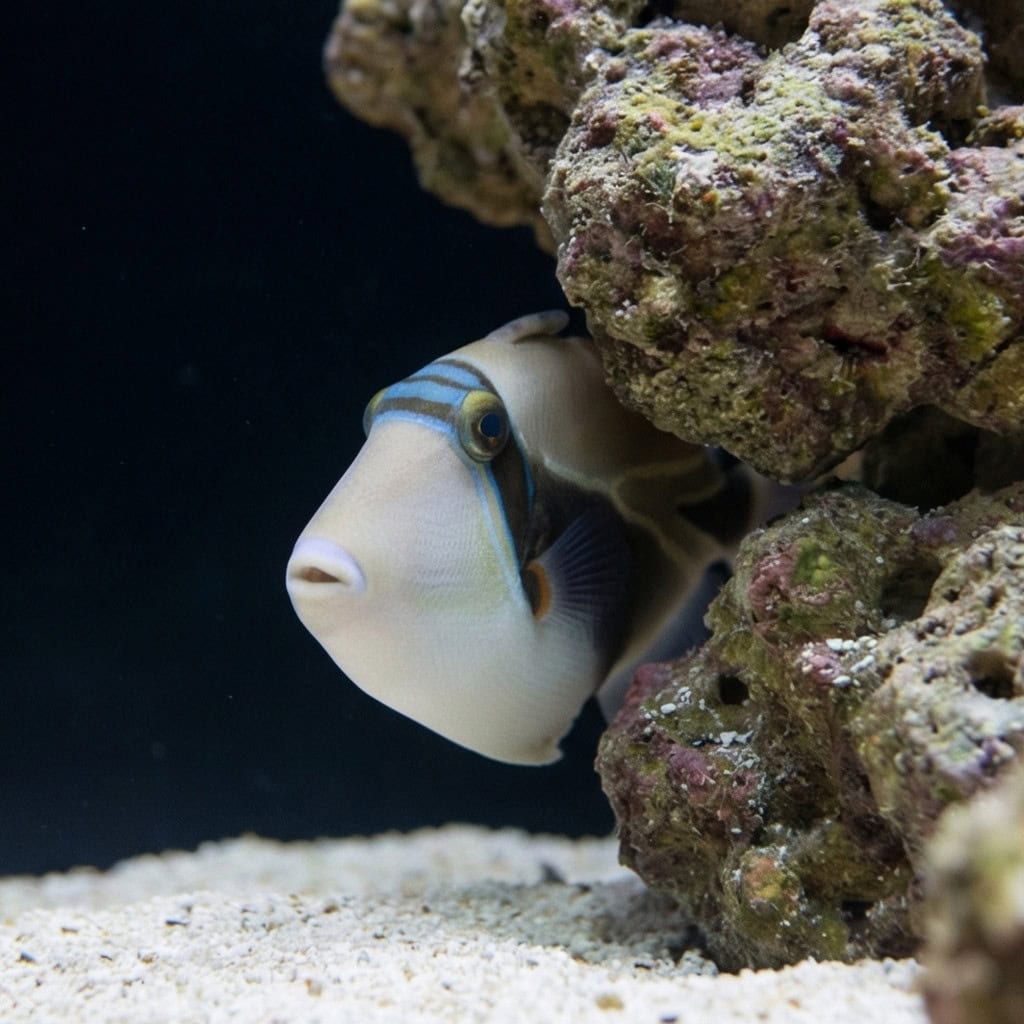
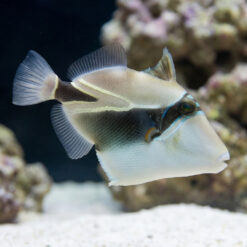
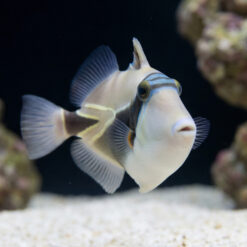
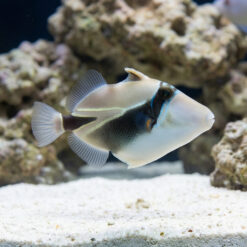
The Rectangular Trigger (Rhinecanthus rectangulus), also called the reef triggerfish or wedgetail triggerfish, is an Indo-Pacific trigger known for its yellow back, white underside, and bold black markings that run from the face toward the body and tail. Its compact, armor-plated build and strong jaw make it a natural fit for larger fish-only marine aquariums.
What You’ll Observe:
- Patrolling the rockwork and sand line, then stopping to hover and “aim” at spots it wants to investigate
- Quick bursts of speed followed by precise picking at the rock and substrate while searching for food
- A regular “home cave” routine, especially after lights-out, where it wedges in and rests
- Clear recognition of feeding time—often coming to the front glass when you approach
Provide a well-established aquarium with multiple caves, a stable rock structure, and open swimming lanes so it can move between cover and open areas. Offer a varied menu of meaty frozen foods, and include occasional hard-shelled items to support natural chewing behavior. With consistent feeding and a structured layout, it settles into a predictable daily pattern and becomes a very interactive display fish.
Is the Rectangular Trigger the same fish as a Picasso (Humu Humu) trigger?
They’re closely related and often confused, but they are different species. “Humuhumu” is used as a common name for more than one Rhinecanthus trigger, so it helps to match the fish to the scientific name.
Why does my trigger wedge itself into a rock and look “stuck”?
This is normal resting behavior for triggerfish. They can lock their dorsal spine while wedged into a crevice, which lets them sleep and hold position securely.
Why does it spit water or blow jets at the surface?
Many triggers learn to shoot water as part of feeding-time behavior and interaction. It’s commonly seen when they’re focused on food or responding to movement near the tank.
Will it dig pits or move sand around the aquarium?
It’s common for triggers to fan sand and excavate shallow “work zones” while foraging. A sandbed with a dedicated open area makes this behavior easy to accommodate.
What foods count as “hard-shelled” for natural chewing?
Pieces of clam on the half shell, shell-on shrimp, and similar crunchy marine items are commonly used. Rotating these into the feeding routine helps mimic how they process tougher prey in nature.
Each fish is checked for strong appetite and activity before we approve it for your tank.
Recently viewed products