
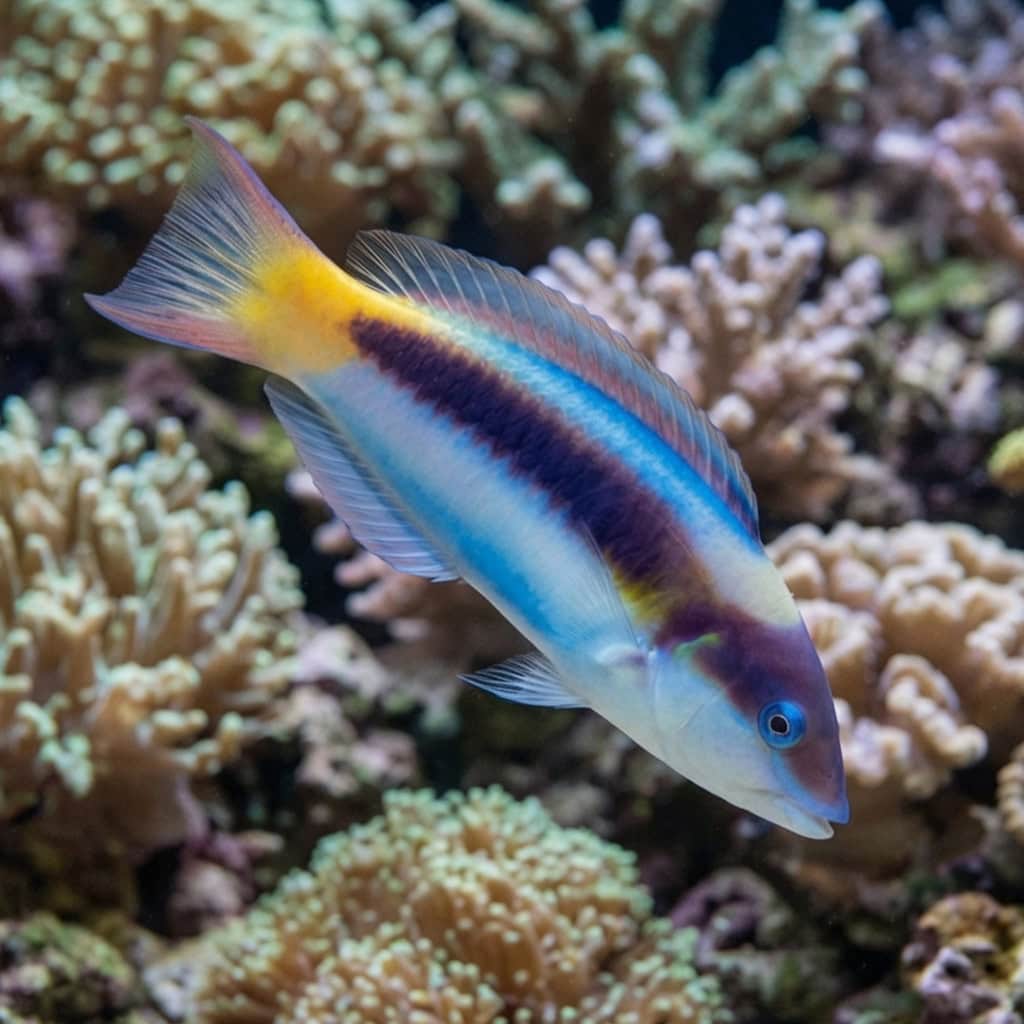
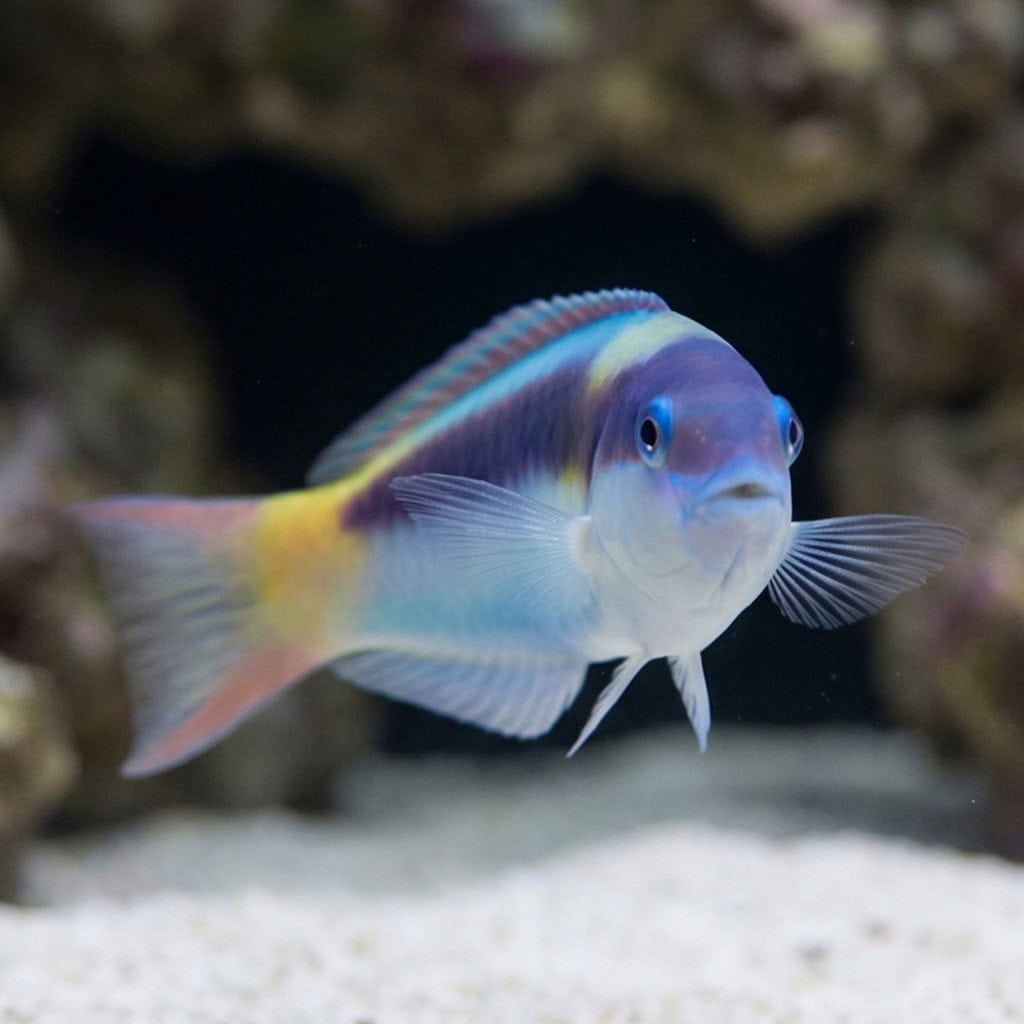
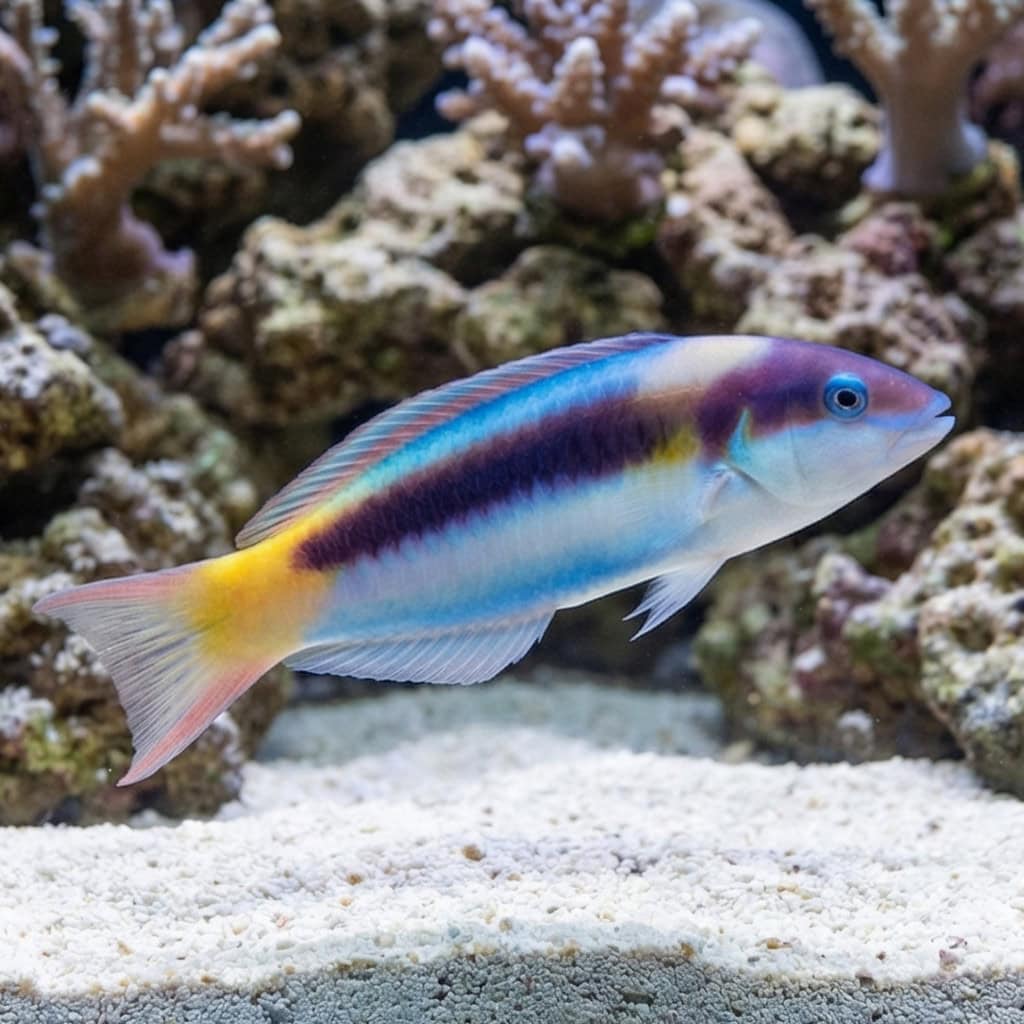
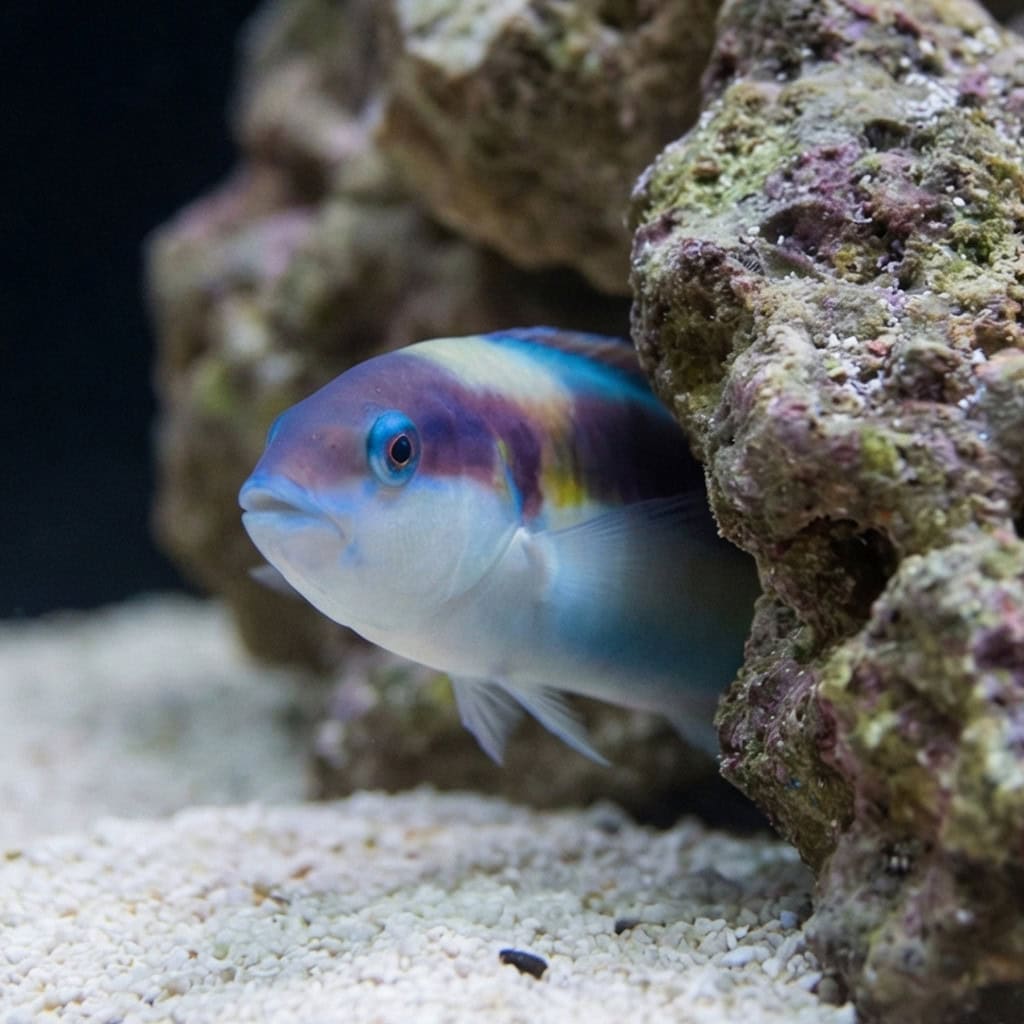
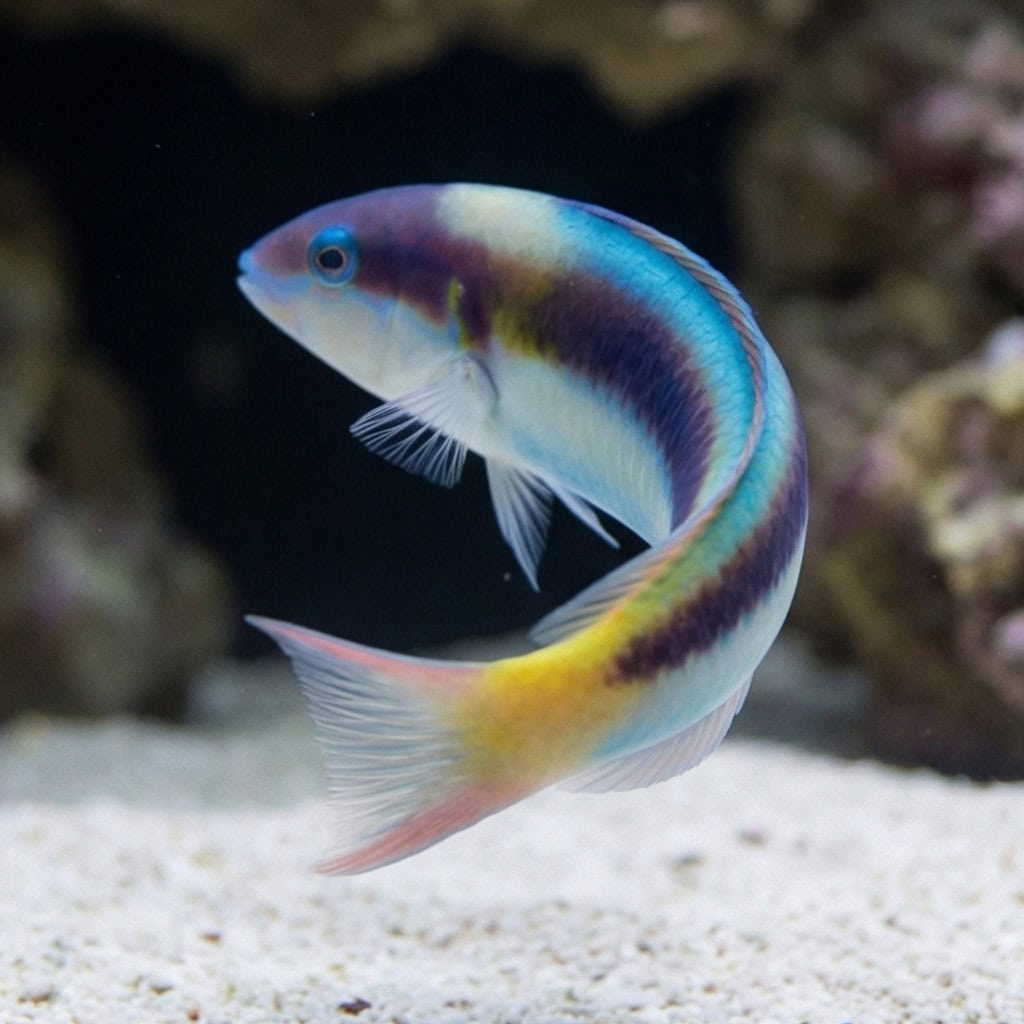
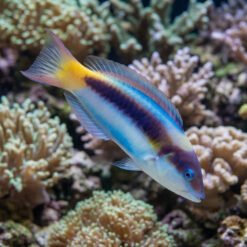
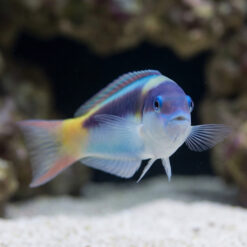
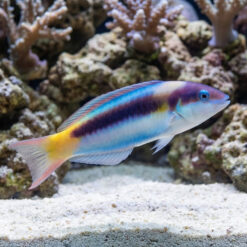
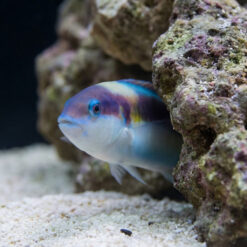
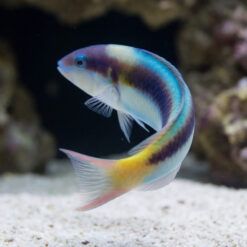
Red Cheek Wrasse
Thalassoma genivittatum
| Stock | Variations | Price | Quantity |
|---|
Every order ships with our standard 3-hour live arrival guarantee. Need more time? Add our 5-Day Guarantee at checkout.
Full guarantee terms →Ships Monday – Thursday for next-day arrival at your nearest FedEx Hold location — typically ready by 9 AM. We monitor every delivery.
Shipping details →
Monday – Friday 8 AM – 9 PM
Saturday 12 PM – 4 PM
Sunday 12 PM – 9 PM
Healthy, stable animals from vetted suppliers — inspected before packing, shipped overnight. Decades of experience built this model so we can deliver premium livestock at 30%+ less than you'd pay elsewhere.
| Care Level | Easy |
|---|---|
| Temperament | Semi-Aggressive |
| Reef Safe | With Caution |
| Functional Benefit | Ornamental Only |
| Diet Type | Carnivore |
| Mininum Tank Size | 90 gallons |
| Max Size | 8 inches |
| Temperature | 72–78°F |
| pH Range | 8.1–8.4 |
| Specific Gravity | 1.022–1.025 |
The Red Cheek Wrasse (Thalassoma genivittatum) is a western Indian Ocean wrasse that naturally lives around rocky reef habitat and brings fast, cruising movement to a saltwater aquarium. It can reach about 8 inches as an adult, so it’s a strong fit for larger reef tanks where it has room to make regular loops and patrol routes.
What You’ll Observe:
- Constant swimming through open water, with quick turns around rock faces and ledges
- A “patrol” routine where it revisits the same areas of the tank throughout the day
- Confident feeding in the water column and quick response when food hits the surface
- Brief display behavior during busy moments (especially around feeding time)
To help it settle in, provide a mix of open swimming space plus rockwork with multiple pass-throughs and retreats. A tight-fitting lid or well-sealed mesh top supports long-term success with active wrasses. Offer a varied meaty menu (mysis, chopped shrimp/clam, and quality pellets) fed 2–3 times daily to match its activity level.
Does it really need a lid/mesh top?
Most keepers treat a full-coverage lid (with gaps sealed) as standard for wrasses, since jumping can happen during feeding or sudden light changes.
Will it bother snails, hermits, or shrimp if it’s “reef safe”?
Many hobbyists report that active wrasses may investigate or hunt motile invertebrates; keeping them well-fed often reduces how persistent that behavior is.
Can it be kept with other wrasses long-term?
Mixing can work best in larger systems when you avoid look-alike/body-shape “rivals” and manage introductions so territories form with less direct conflict.
Why does its color/pattern intensity change at times?
Thalassoma wrasses can show noticeable shifts with mood, activity, and social “display” moments, especially as they mature.
Is fast pacing along the glass normal right after introduction?
It’s common for highly active wrasses to spend the first days mapping the tank’s perimeter before they settle into a more rockwork-focused route.
We source from vetted suppliers known for healthy, long-lived specimens.
Recently viewed products