
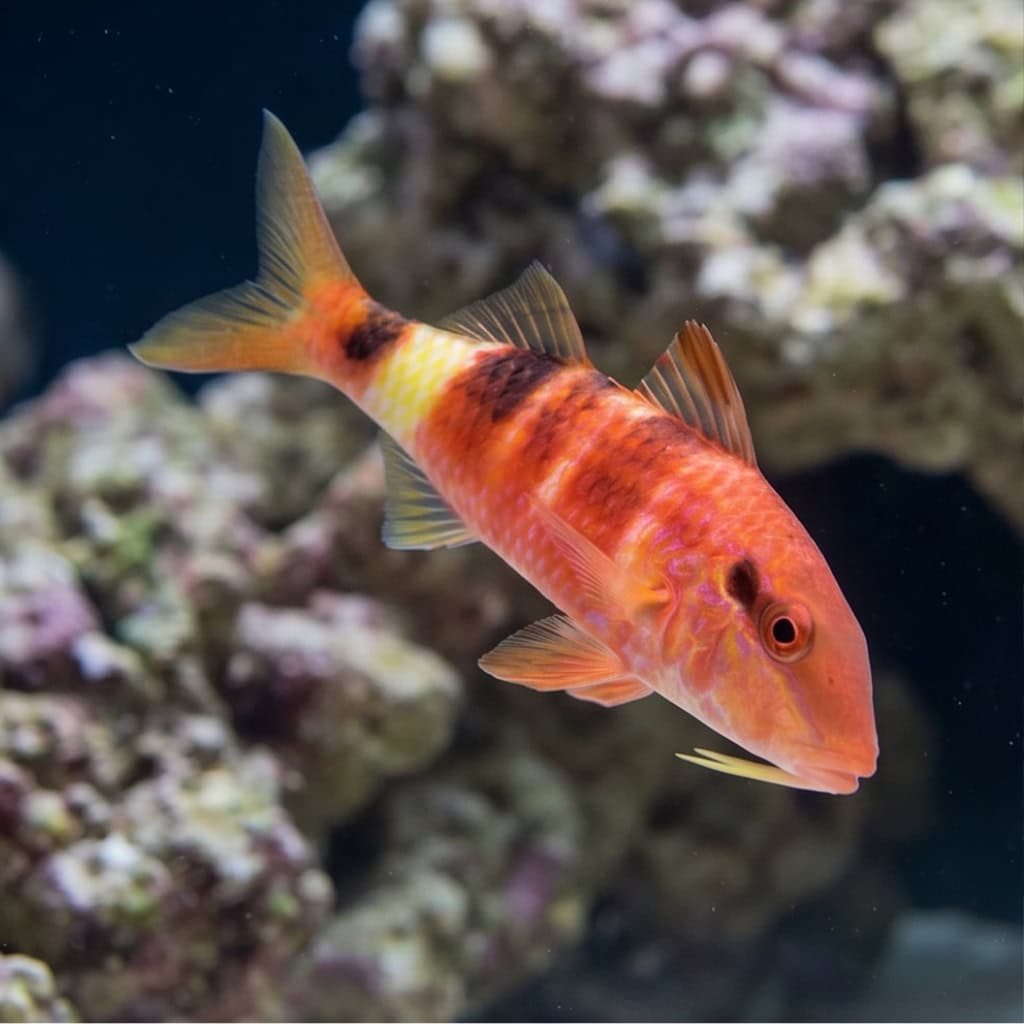
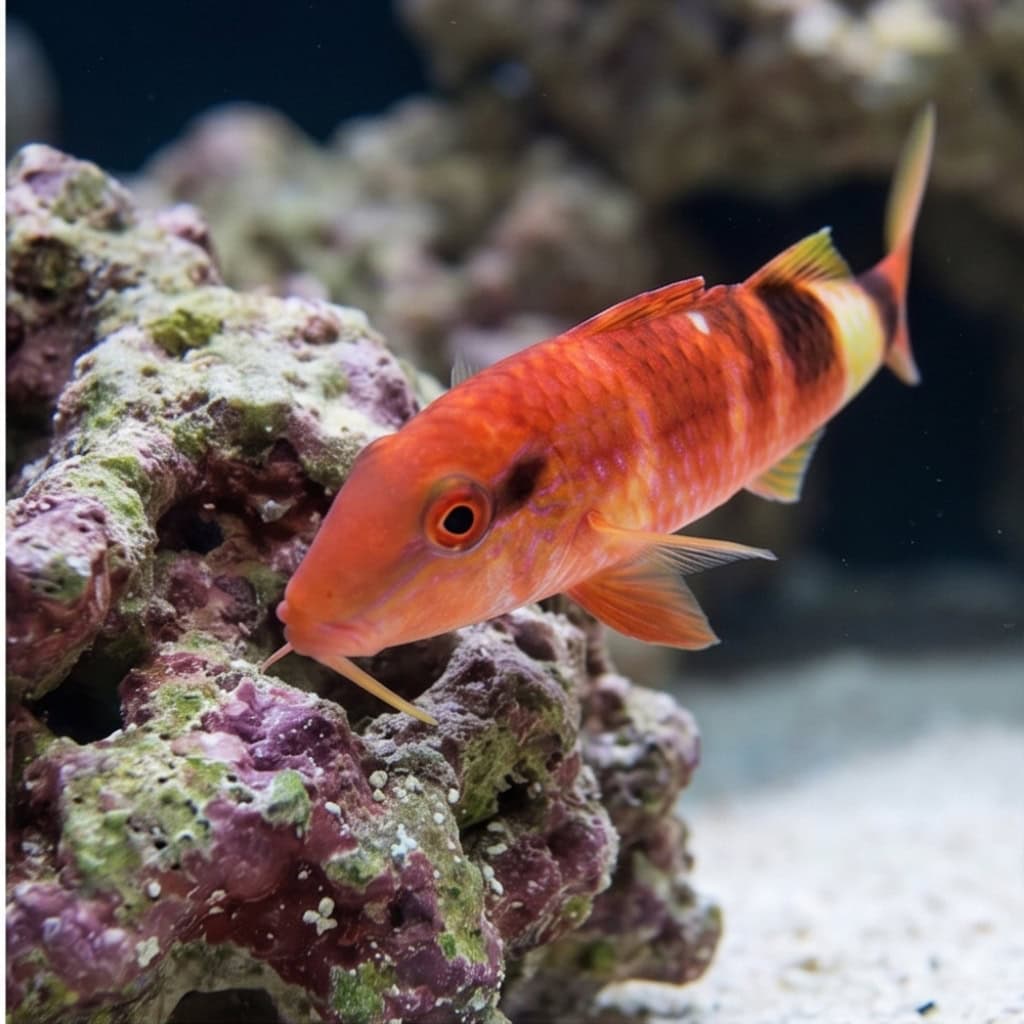
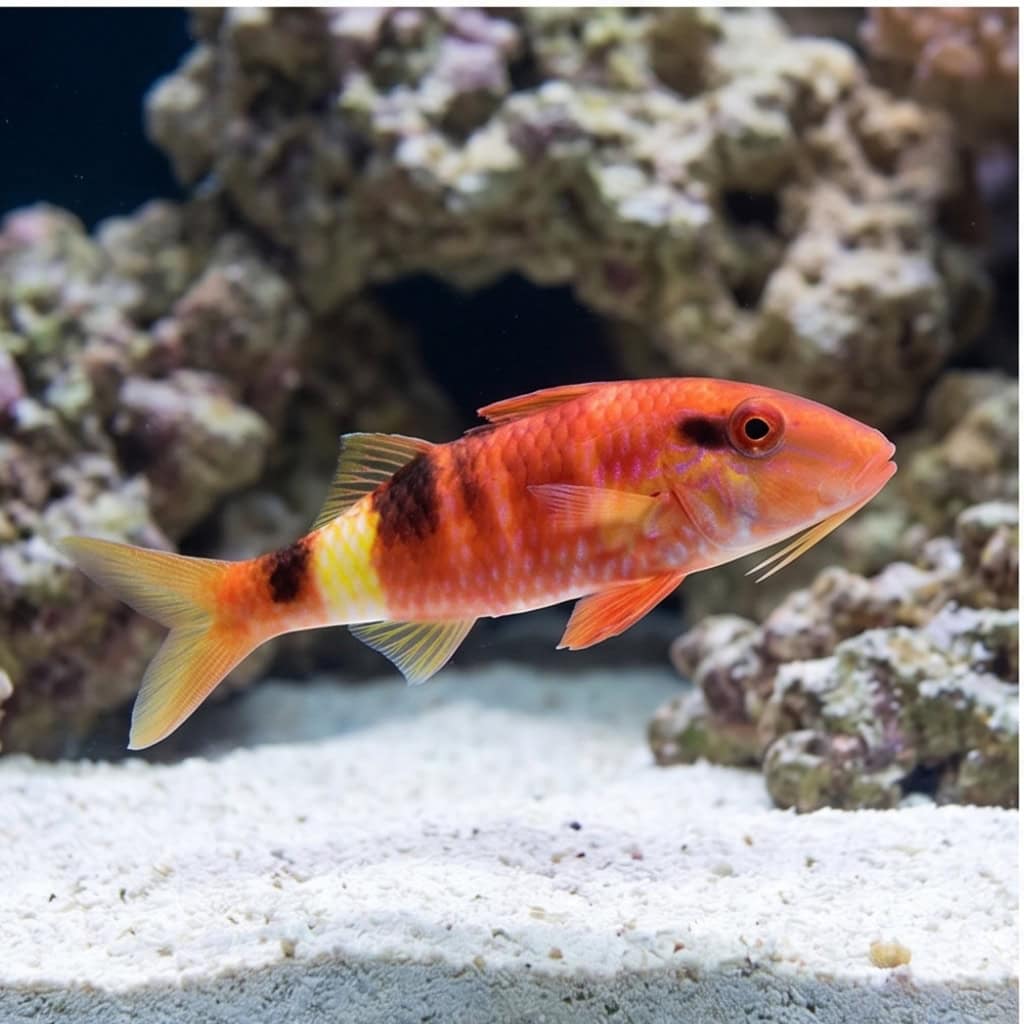
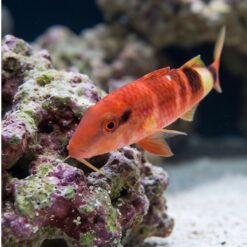
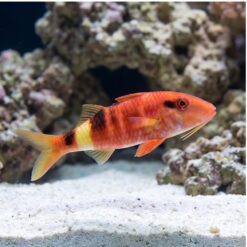
Red Goatfish
Parupeneus multifasciatus
Original price was: $70.99.$37.99Current price is: $37.99.
| Stock | Variations | Price | Quantity | |
|---|---|---|---|---|
| Out of Stock | 3 - 4" - SSC Certified - Central Pacific | Original price was: $75.99.$39.99Current price is: $39.99. | Email me | |
| Only 2 left | 2 - 3" - SSC Certified - Central Pacific | Original price was: $70.99.$37.99Current price is: $37.99. |
-
+
|
Every order ships with our standard 3-hour live arrival guarantee. Need more time? Add our 5-Day Guarantee at checkout.
Full guarantee terms →Ships Monday – Thursday for next-day arrival at your nearest FedEx Hold location — typically ready by 9 AM. We monitor every delivery.
Shipping details →
Monday – Friday 8 AM – 9 PM
Saturday 12 PM – 4 PM
Sunday 12 PM – 9 PM
Healthy, stable animals from vetted suppliers — inspected before packing, shipped overnight. Decades of experience built this model so we can deliver premium livestock at 30%+ less than you'd pay elsewhere.
| Care Level | Moderate |
|---|---|
| Temperament | Peaceful |
| Reef Safe | With Caution |
| Functional Benefit | Ornamental Only |
| Diet Type | Carnivore |
| Mininum Tank Size | 120 gallons |
| Max Size | 12 inches |
| Temperature | 72–78°F |
| pH Range | 8.1–8.4 |
| Specific Gravity | 1.022–1.025 |
The Red Goatfish (Parupeneus multifasciatus) is a reef-associated, sand-and-rubble forager known for its long chin barbels and a red-to-gray body with darker banding. In the aquarium it spends much of the day cruising the lower half of the tank, stopping often to “taste” the substrate and rock edges for small meaty bites.
What You’ll Observe:
- Active daytime “patrolling” along the bottom and around rock bases
- Barbels sweeping the sand as it searches, then quick darting strikes at food
- Frequent short laps across open areas, with pauses under ledges between passes
- A consistent routine where it learns feeding times and meets sinking foods quickly
Provide open swimming room plus a soft sand bed so it can forage naturally, with stable rockwork it can loop around. Offer meaty frozen foods (like mysis, chopped shrimp, and clam) and use a mix of sinking and broadcast feeding so it can hunt and pick throughout the day. It does best in a calm community where tankmates don’t crowd it during meals.
Do the barbels mean it needs sand, or can it live on bare-bottom?
A sand bed is the most natural setup because it uses its barbels to probe and sift; fine sand lets it forage constantly without changing your aquascape.
Why does it take sand into its mouth and spit it out?
That’s normal hunting behavior—goatfish grab mouthfuls and sort out tiny edible items, then expel the leftover sand.
Will it bury itself or “sleep” in the sand like some wrasses?
Most of its resting is under ledges and in low-light areas; you’ll usually see it settle into a preferred spot once it learns the tank layout.
Can I keep it with decorative shrimp or small crabs?
This species is a bottom hunter, so choose ornamental inverts with that in mind and expect it to show strong interest in small, mobile crustaceans.
My goatfish is pacing the glass after introduction—normal?
Early on, they often do steady perimeter laps while mapping the tank; consistent feeding and a predictable rock-and-sand layout usually settles the pattern into calmer patrol routes.
We work with trusted suppliers who keep our specimens healthy and well-fed before shipping.
Only logged in customers who have purchased this product may leave a review.
Recently viewed products
Reviews
There are no reviews yet.