
Red Head Pseudochromis
Pseudochromis elongatus
| Stock | Variations | Price | Quantity |
|---|
Every order ships with our standard 3-hour live arrival guarantee. Need more time? Add our 5-Day Guarantee at checkout.
Full guarantee terms →Ships Monday – Thursday for next-day arrival at your nearest FedEx Hold location — typically ready by 9 AM. We monitor every delivery.
Shipping details →
Monday – Friday 8 AM – 9 PM
Saturday 12 PM – 4 PM
Sunday 12 PM – 9 PM
Healthy, stable animals from vetted suppliers — inspected before packing, shipped overnight. Decades of experience built this model so we can deliver premium livestock at 30%+ less than you'd pay elsewhere.
| Care Level | Easy |
|---|---|
| Temperament | Semi-Aggressive |
| Reef Safe | Yes |
| Functional Benefit | Ornamental Only |
| Diet Type | Carnivore |
| Mininum Tank Size | 20 gallons |
| Max Size | 2 inches |
| Temperature | 72–78°F |
| pH Range | 8.1–8.4 |
| Specific Gravity | 1.022–1.025 |
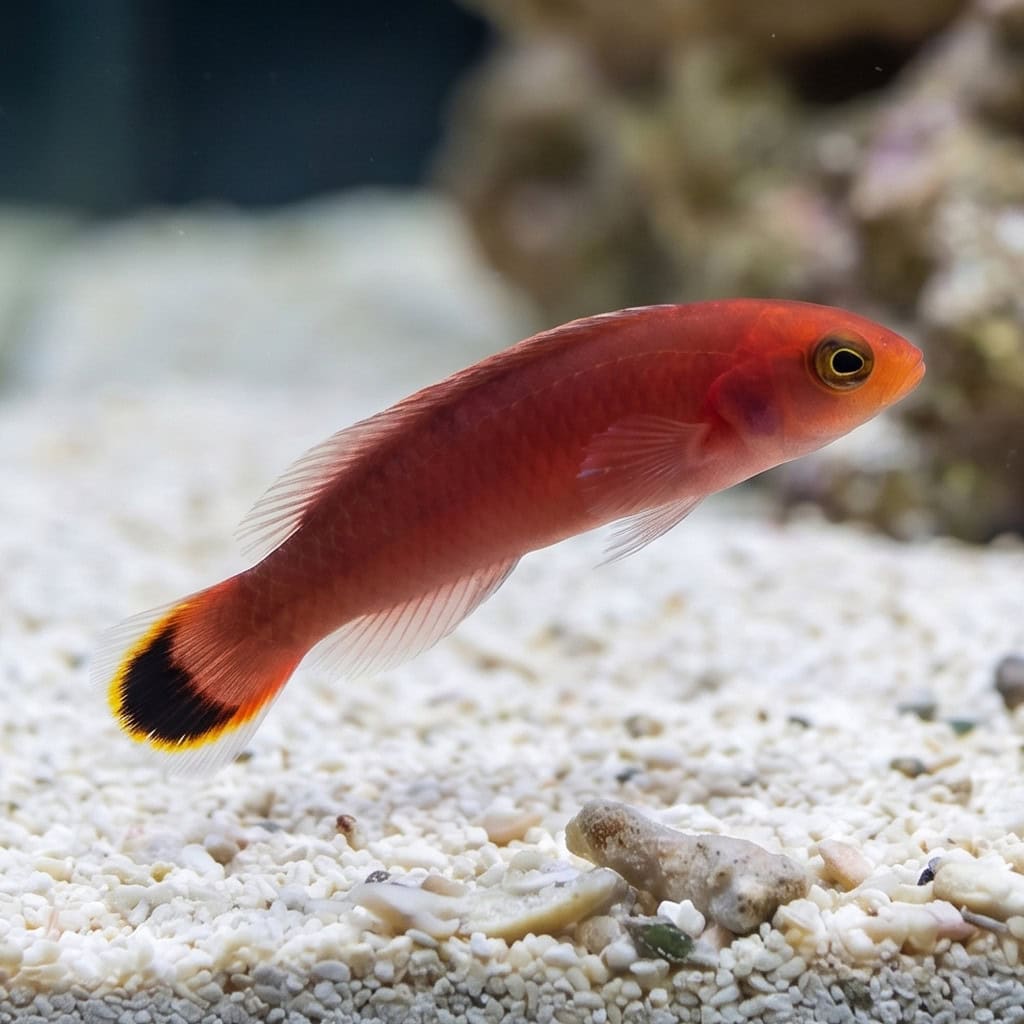
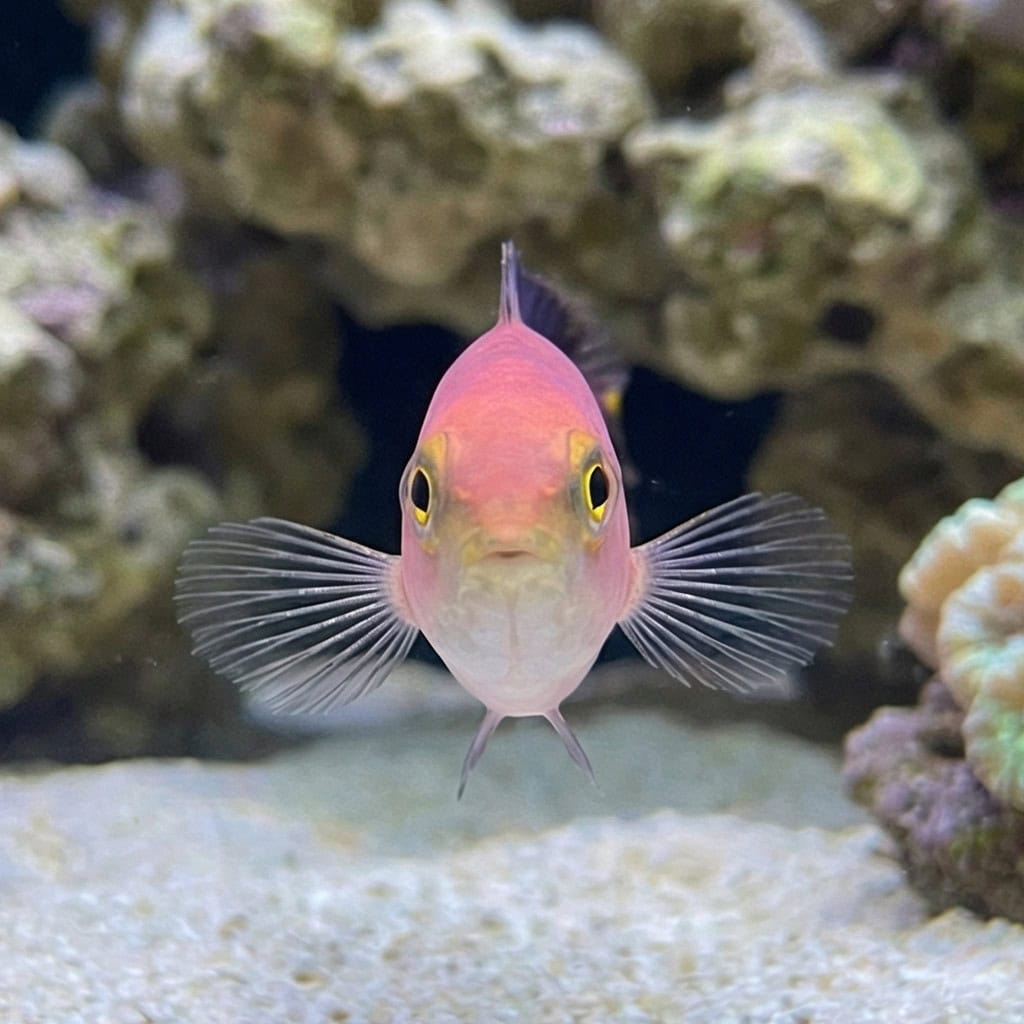
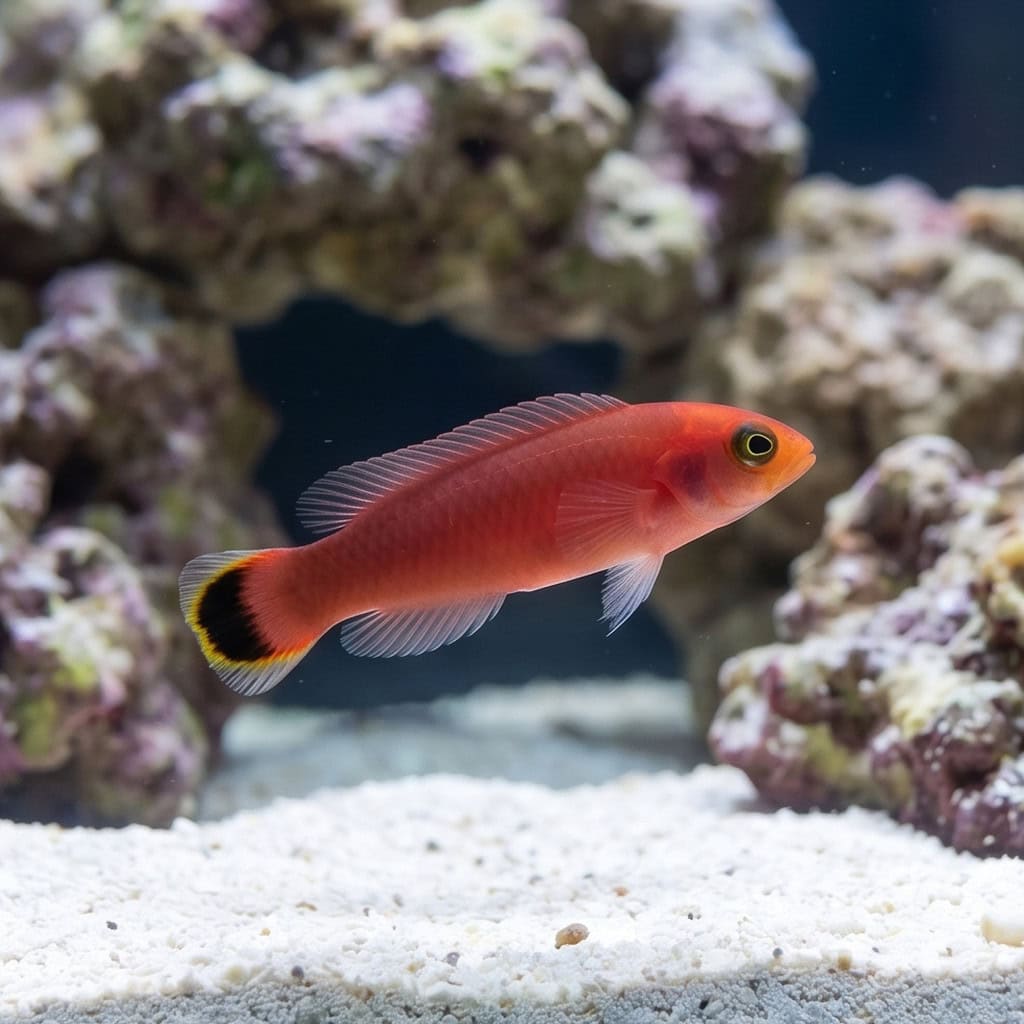
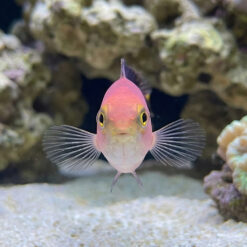
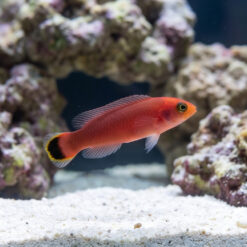
The Red Head Pseudochromis (Pseudochromis elongatus), also known as the Elongate (or “Floppy-Tail”) Dottyback, is a small reef fish with a dark body and a red-to-orange head and tail. It’s associated with Indonesia (including Sulawesi and the Moluccas) and typically lives tight to structure, using rock crevices and short caves as its home base.
What You’ll Observe:
- Quick, stop-and-go swimming as it moves between nearby caves and overhangs
- Short “patrol” laps around a chosen hideout, then returning to the same spot
- Fast strikes at passing food in the water column, especially once it learns your feeding routine
- More out-in-the-open time as it gets familiar with your aquascape over the first week or two
Provide live rock with several tight caves so it can choose a home base and make short patrols without crossing open sand. Offer small meaty foods and slow-sinking pellets in manageable portions. With multiple hiding options and a consistent routine, it settles in and becomes a reliable, active presence around the rockwork.
Why does it hide most of the day at first?
It often picks one cave as a “home base” and uses short trips to map the tank; as it settles, you usually see it out for longer windows.
Will it bother fish that perch or live in similar rock crevices?
It can focus attention on fish that try to use the same exact holes; spreading out shelters (multiple small caves) helps each fish keep its own space.
Does it usually take pellets, or only frozen foods?
Many individuals learn pellets quickly when they’re slow-sinking and offered in small amounts alongside frozen foods during the first week.
Is a lid or overflow guard worth using with this fish?
Yes—dottybacks are known to launch upward when startled and may explore overflow openings, so covering gaps is a practical setup upgrade.
Can I keep two together if I add them at the same time?
Some hobbyists have success when both are introduced together and the rockwork provides multiple separate hideouts, so neither fish has to “share” one cave.
Our selection process means you get robust, well-adjusted specimens that settle in quickly.
Recently viewed products