
-
×
 Acropora Coral Premium - Indo Pacific, Size Small
1 × $64.99
Acropora Coral Premium - Indo Pacific, Size Small
1 × $64.99 -
×
 Zebra Turbo Snail - Indo-Pacific, Size Small
1 × $4.99
Zebra Turbo Snail - Indo-Pacific, Size Small
1 × $4.99
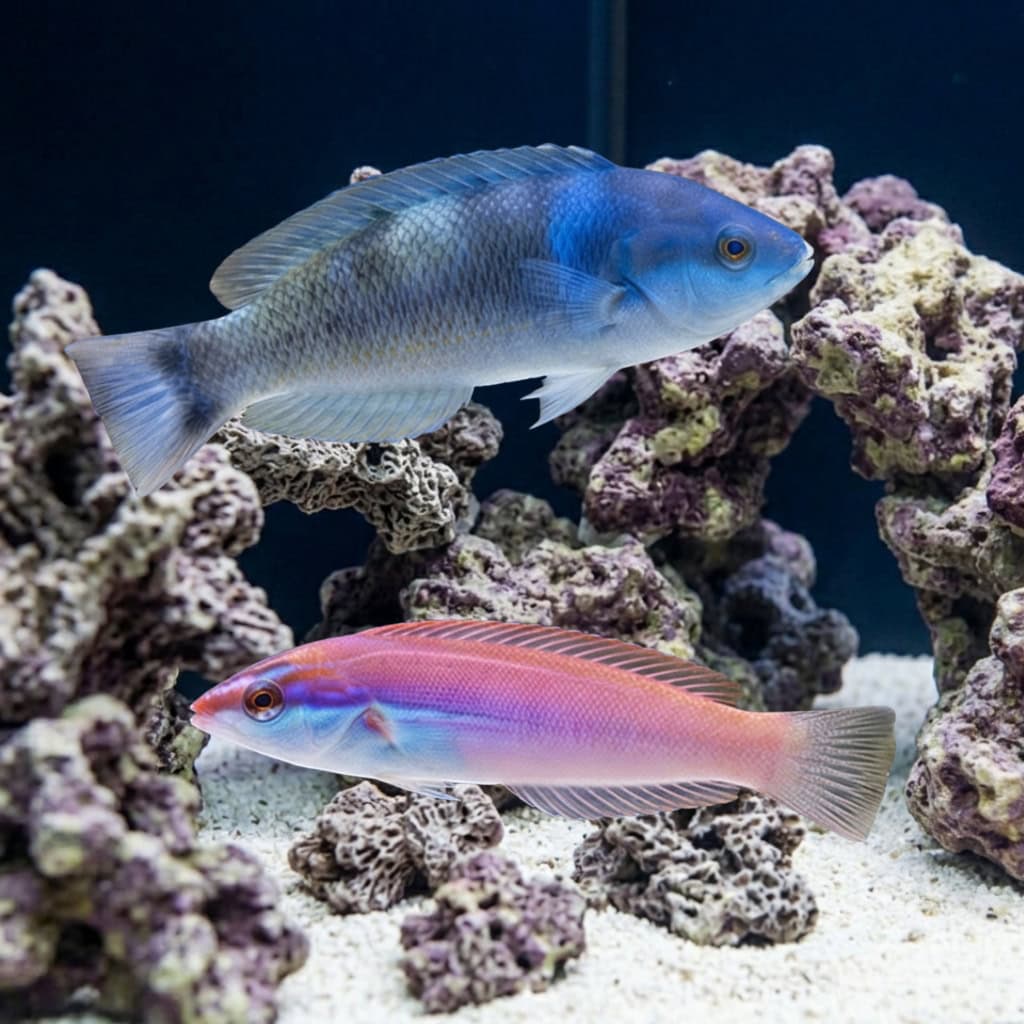
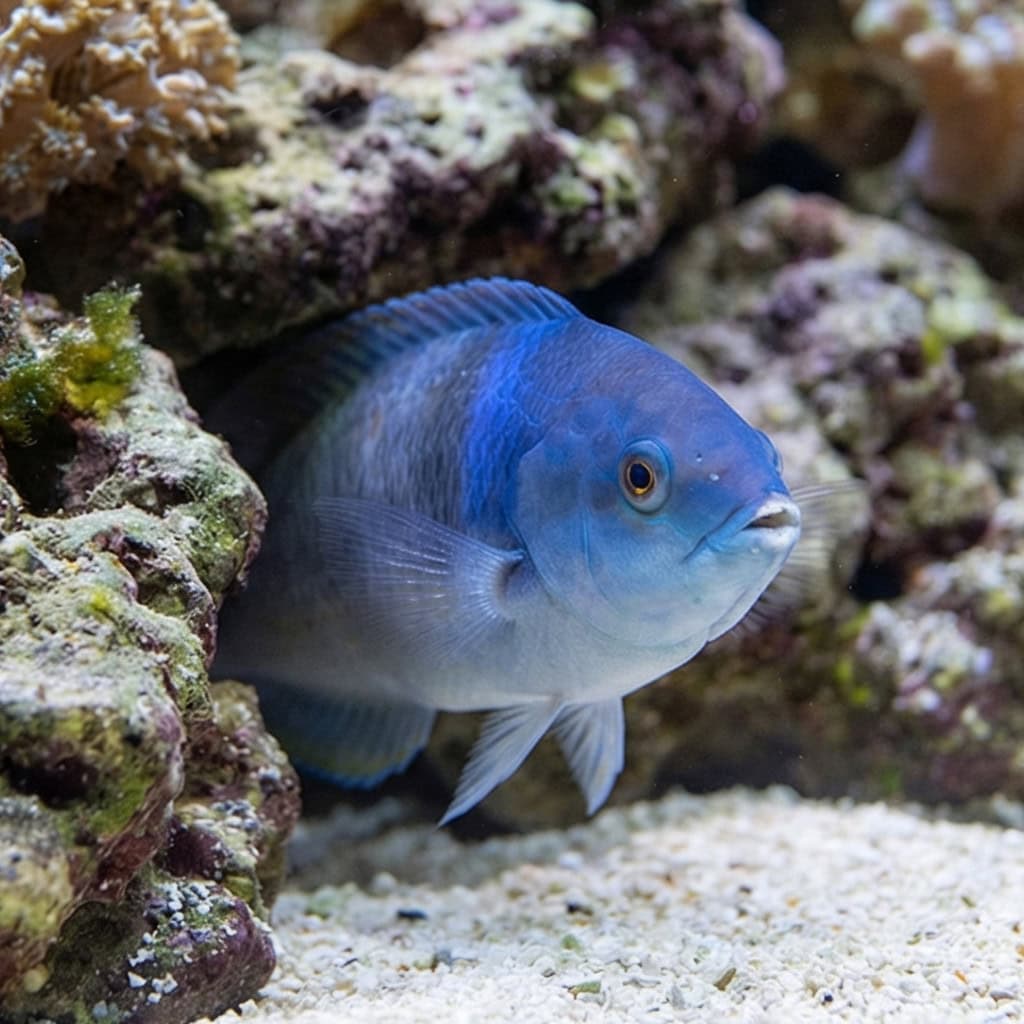
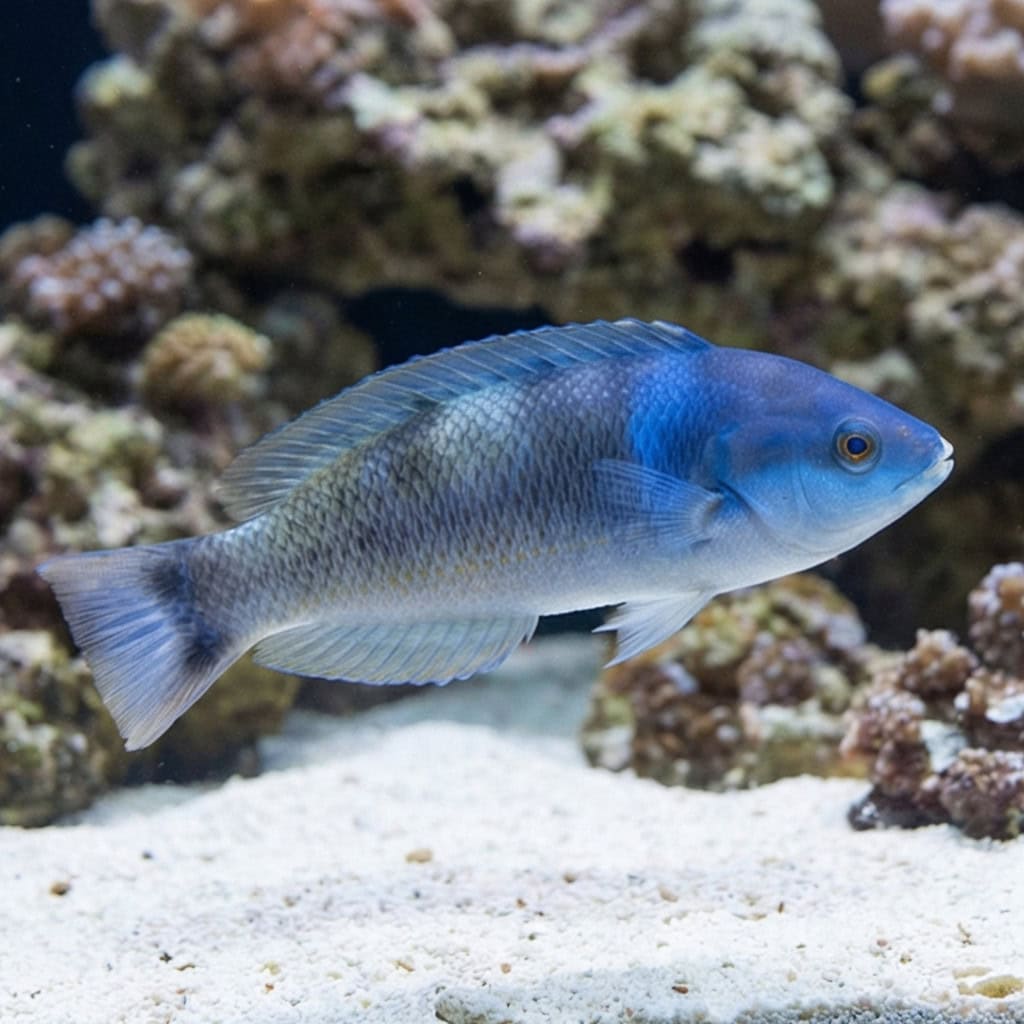
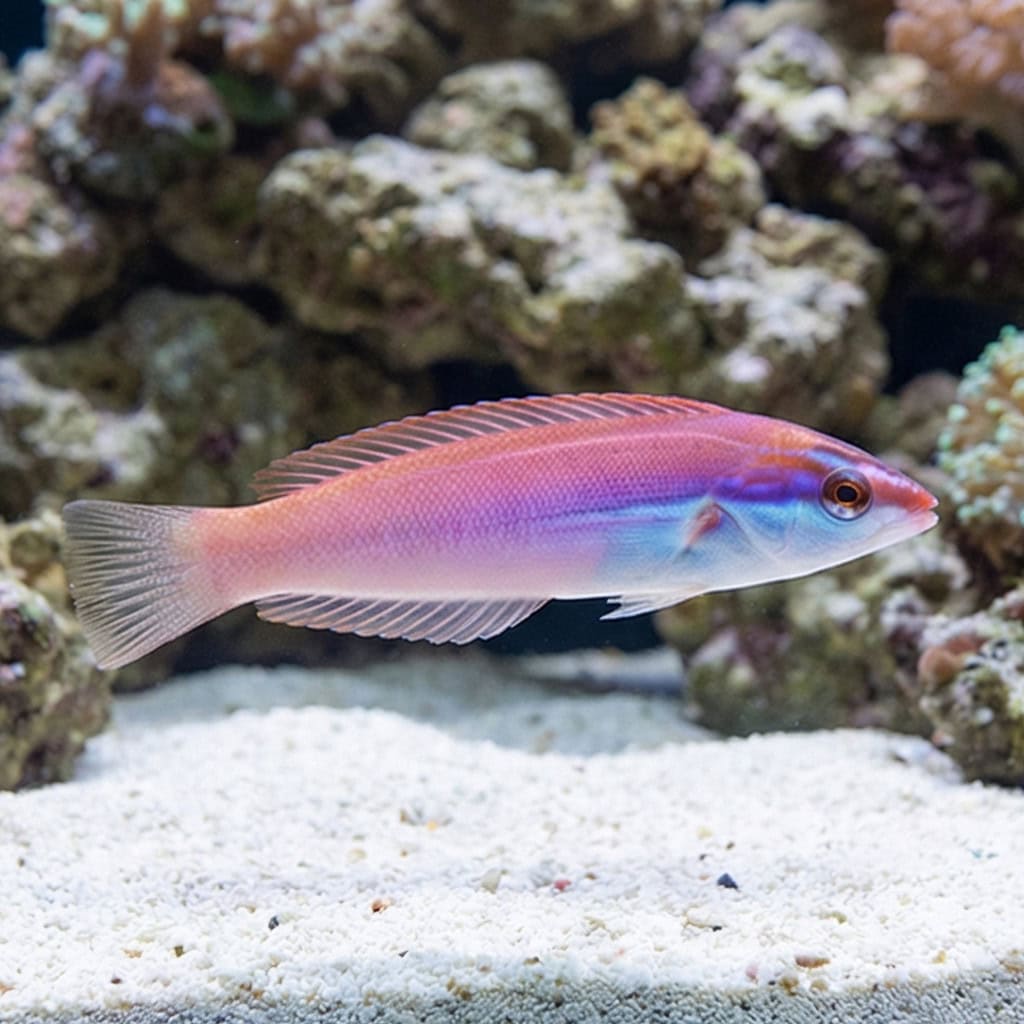
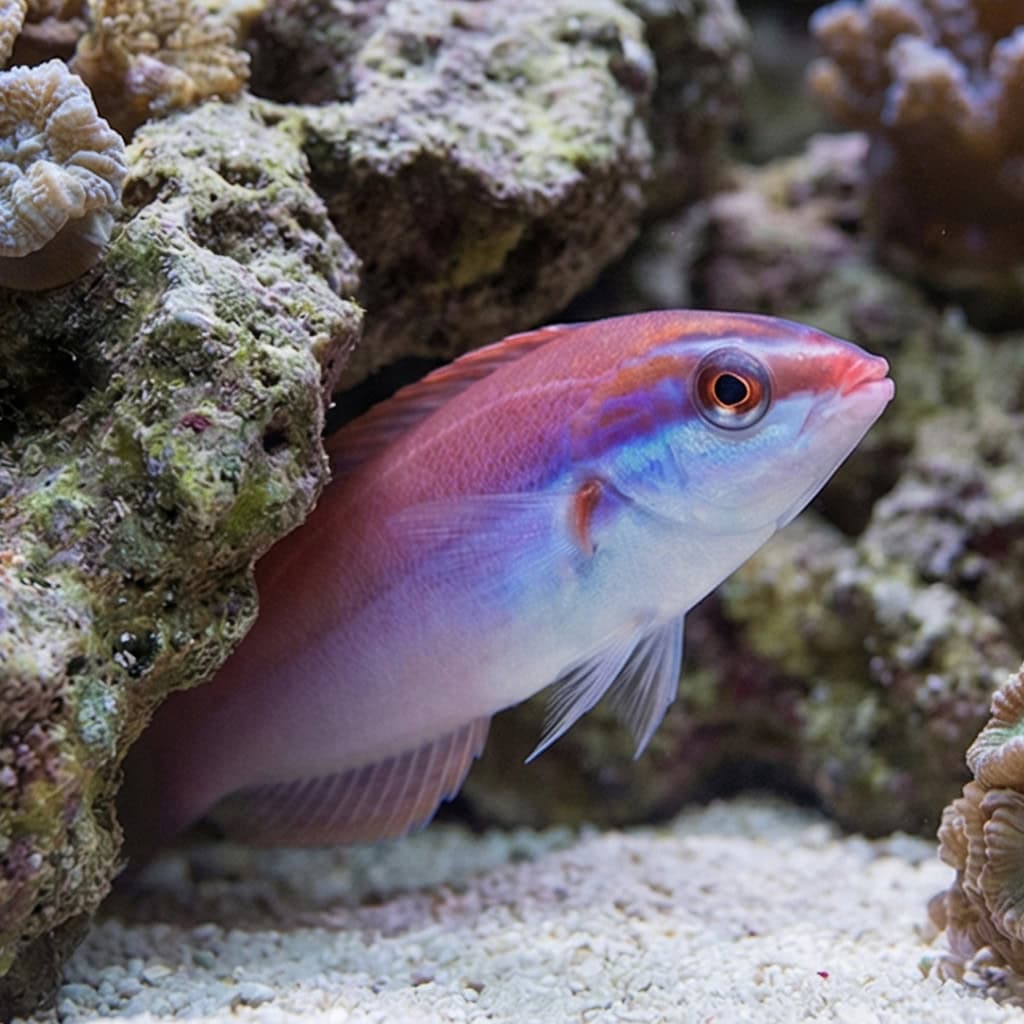
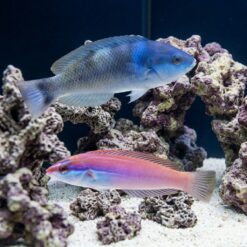


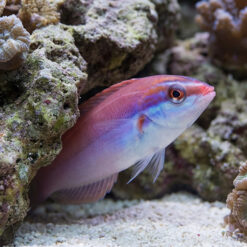
Redspot (Pink) Wrasse
Pseudocoris yamashiroi
Original price was: $93.99.$48.99Current price is: $48.99.
| Stock | Variations | Price | Quantity | |
|---|---|---|---|---|
| Only 2 left | 2.25 - 4.25" - Indo-Pacific | Original price was: $93.99.$48.99Current price is: $48.99. |
-
+
|
|
| Out of Stock | 2.25" or smaller - Indo-Pacific | Original price was: $83.99.$43.99Current price is: $43.99. | Email me |
Arrives Alive. Guaranteed.
▼
Every order ships with our standard 3-hour live arrival guarantee. Need more time? Add our 5-Day Guarantee at checkout.
Full guarantee terms →
FedEx Overnight. Every Order.
▼
Ships Monday – Thursday for next-day arrival at your nearest FedEx Hold location — typically ready by 9 AM. We monitor every delivery.
Shipping details →
Real People. 7 Days a Week.
▼
Monday – Friday 8 AM – 9 PM
Saturday 12 PM – 4 PM
Sunday 12 PM – 9 PM
Phone
Chat
Email
Text
Contact us →
Aquarium-Ready Livestock
▼
Healthy, stable animals from vetted suppliers — inspected before packing, shipped overnight. Decades of experience built this model so we can deliver premium livestock at 30%+ less than you'd pay elsewhere.
| Care Level | Moderate |
|---|---|
| Temperament | Semi-Aggressive |
| Reef Safe | With Caution |
| Functional Benefit | Ornamental Only |
| Diet Type | Planktivore |
| Mininum Tank Size | 70 gallons |
| Max Size | 6 inches |
| Temperature | 72–78°F |
| pH Range | 8.1–8.4 |
| Specific Gravity | 1.022–1.025 |
The Redspot (Pink) Wrasse (Pseudocoris yamashiroi) is an active “torpedo wrasse” that spends its day cruising the water column and weaving through rockwork. In reef lighting it’s often described by keepers as a pink-to-red, pinstriped wrasse type that stays in motion and explores constantly.
What You’ll Observe:
- Fast, searching laps along the rock face, then quick sprints into open water
- A “disappear and reappear” routine, especially early on, as it learns the tank and sleep spots
- More visible activity around feeding time, grabbing suspended foods quickly
- Confident patrol behavior once settled, often becoming a regular midwater swimmer
To succeed with this wrasse, provide plenty of live rock to weave through plus a fine sand area (many Pseudocoris-related wrasses use sand as a sleep/dive-in spot). Offer small meaty foods and quality pellets in at least two feedings daily, and keep a tight-fitting lid since wrasses can jump when startled.
Why did my wrasse vanish right after introduction?
It’s common for burying/sand-sleeping wrasses to stay out of sight for several days while they adjust, then begin showing up on a more predictable schedule.
Is it normal for it to “dive” into the sand at lights-out?
Yes—many wrasses use the sandbed as a sleep spot, and the behavior can look sudden once they commit to a bedtime location.
What does “settled in” look like for this fish?
Most keepers describe a shift from short appearances to longer, confident patrol laps, especially once it learns where food enters the tank and where it sleeps.
How do hobbyists prevent wrasse jumping without changing the tank look?
A low-profile mesh top that covers overflow gaps and cable cutouts is the most common approach, since jumping is usually a startle response.
How does it act in a community once established?
Keepers often report it can get “pushy” around very timid fish and may investigate small shrimp closely; giving it space and consistent feeding helps keep interactions predictable.
We work with trusted suppliers who keep our specimens healthy and well-fed before shipping.
Only logged in customers who have purchased this product may leave a review.
Recently viewed products
Redspot (Pink) Wrasse (Pseudocoris yamashiroi)
Starting at: $48.99
This product has multiple variants. The options may be chosen on the product page

Star Polyp: Starburst Green – Indo Pacific, Size Medium (Briareum or Pachyclavularia sp.)
Sale price: $98.99
Reviews
There are no reviews yet.