
Ring Tail Tang
Acanthurus auranticavus
| Stock | Variations | Price | Quantity |
|---|
Every order ships with our standard 3-hour live arrival guarantee. Need more time? Add our 5-Day Guarantee at checkout.
Full guarantee terms →Ships Monday – Thursday for next-day arrival at your nearest FedEx Hold location — typically ready by 9 AM. We monitor every delivery.
Shipping details →
Monday – Friday 8 AM – 9 PM
Saturday 12 PM – 4 PM
Sunday 12 PM – 9 PM
Healthy, stable animals from vetted suppliers — inspected before packing, shipped overnight. Decades of experience built this model so we can deliver premium livestock at 30%+ less than you'd pay elsewhere.
| Care Level | Moderate |
|---|---|
| Temperament | Semi-Aggressive |
| Reef Safe | Yes |
| Functional Benefit | Algae Control |
| Diet Type | Herbivore |
| Mininum Tank Size | 300 gallons+ |
| Max Size | 18 inches |
| Temperature | 72–78°F |
| pH Range | 8.1–8.4 |
| Specific Gravity | 1.022–1.025 |
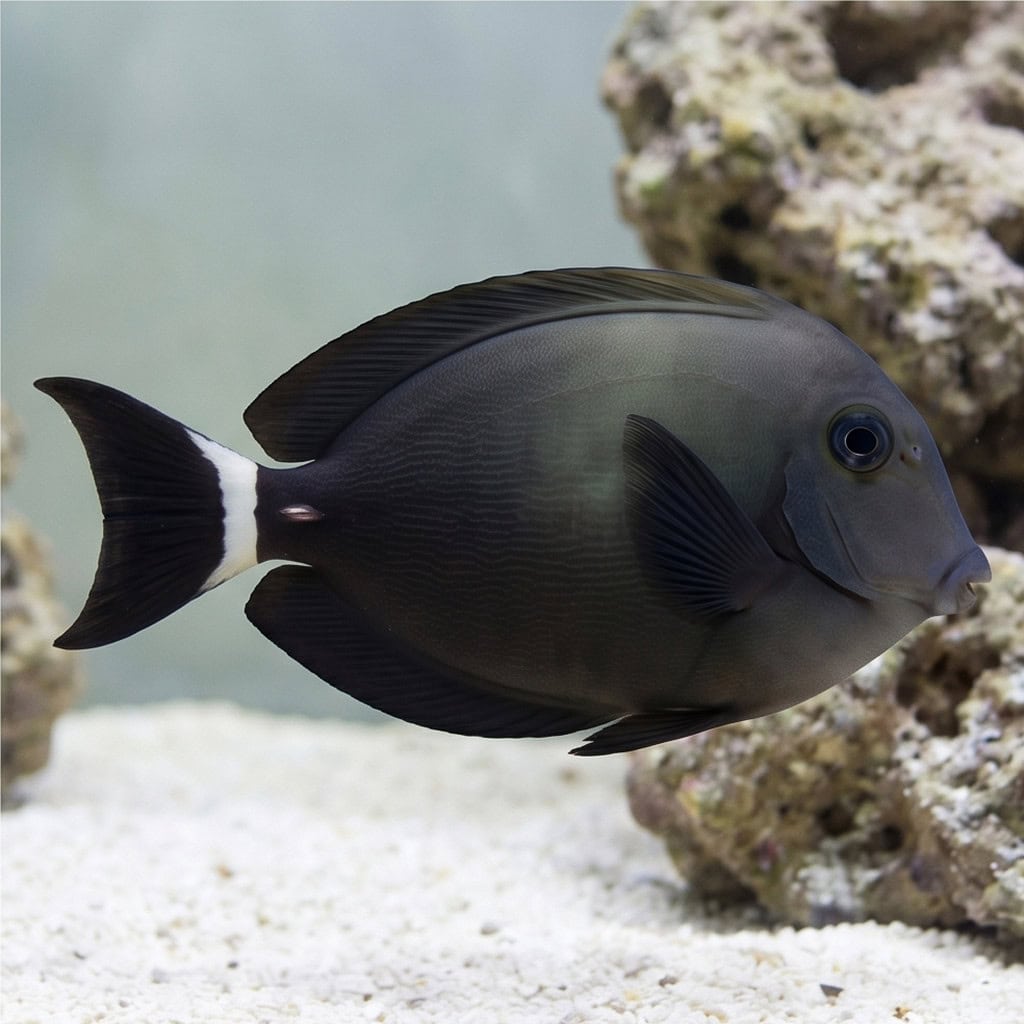
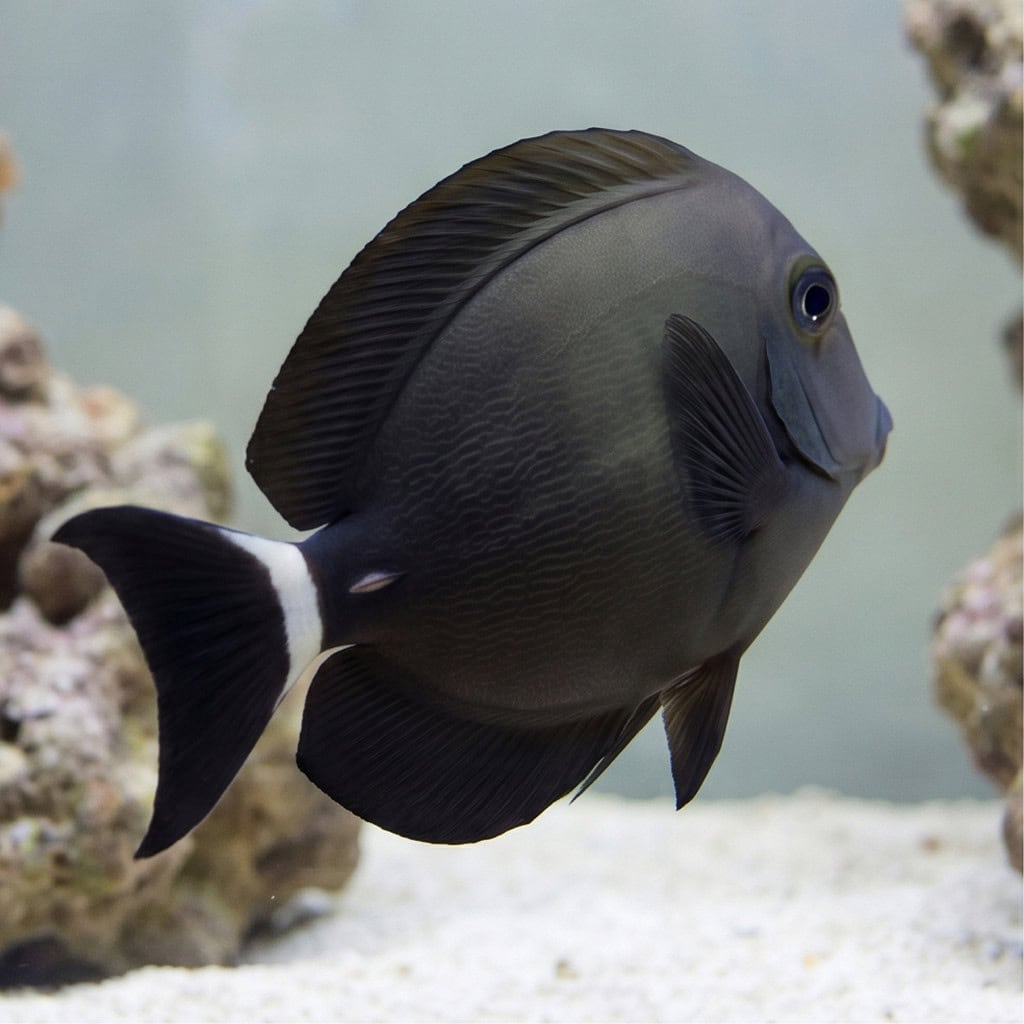
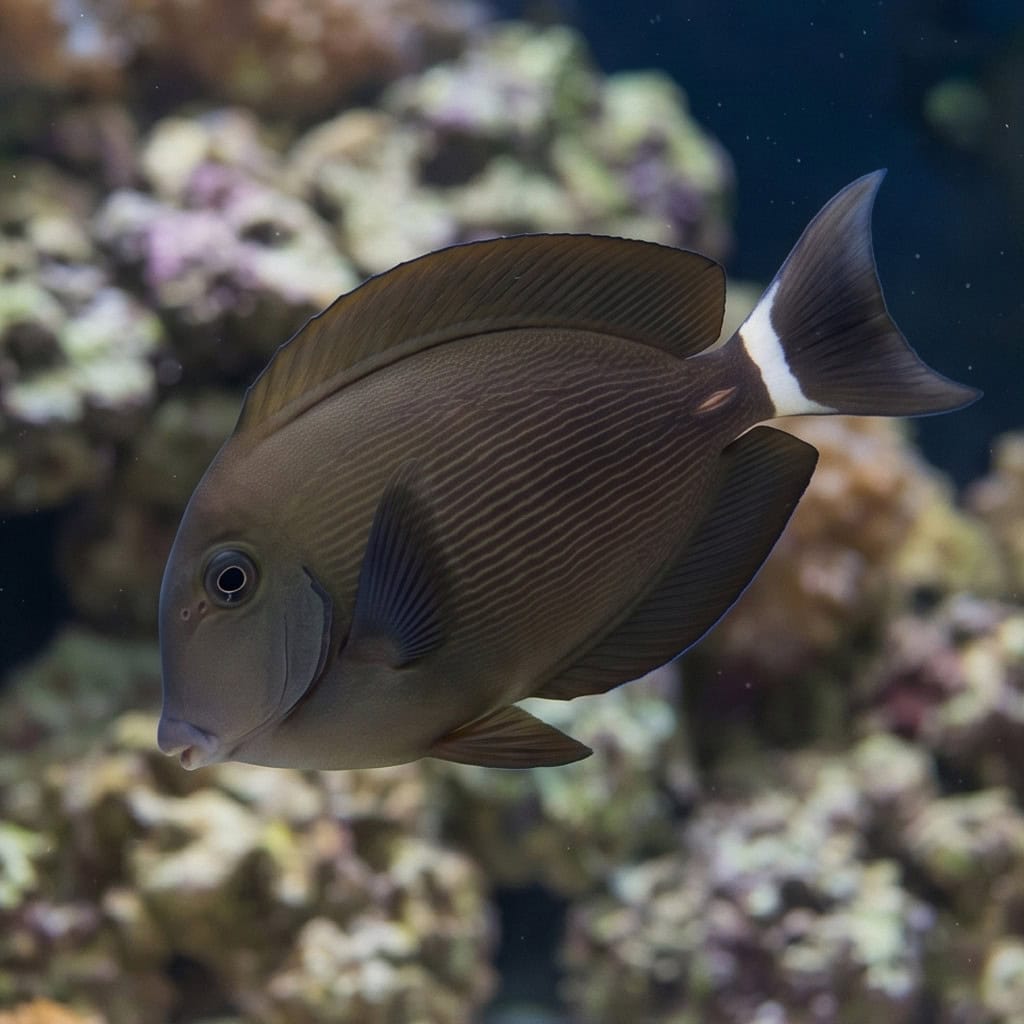
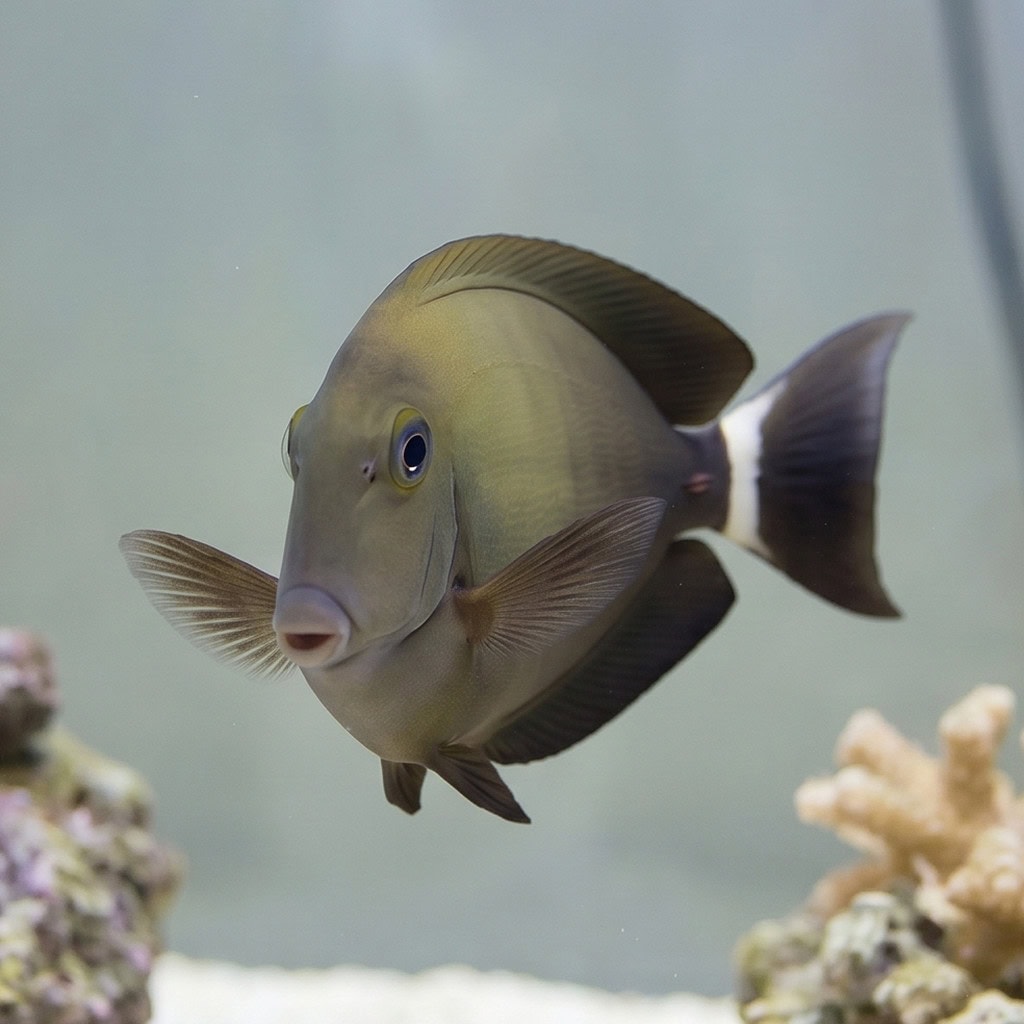
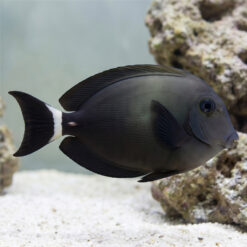
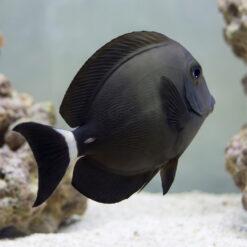
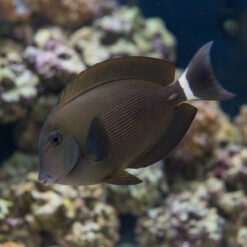
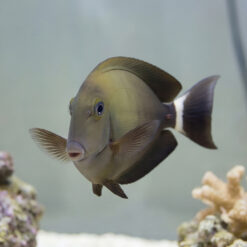
The Ring Tail Tang (Acanthurus auranticavus) is a large surgeonfish that contributes to algae control by spending much of its time cruising rockwork and reef surfaces. It is typically dark brown with an orange “socket” area around the tail spine and a pale band around the base of the tail, a look that stands out even in big reef displays.
What You’ll Observe:
- Long, steady laps across open areas, with frequent passes along rock faces and ledges.
- Periods of active browsing broken up by short “hover” stops to inspect rock and sand surfaces.
- A consistent “patrol route” that becomes more predictable after it learns the tank’s layout.
- In larger systems, behavior that fits a schooling surgeonfish, including swimming alongside other active fish in the same water column.
Provide broad swimming lanes plus substantial live rock so it can graze and still retreat into structure between laps. Offer marine algae/seaweed on a clip regularly and rotate in other herbivore-friendly foods to keep it engaged at feeding time.
Why do some stores list “Ringtail” tangs as a different species?
The common name “ringtail surgeonfish” is often used for Acanthurus blochii, while Acanthurus auranticavus is also called ringtail surgeonfish (and orange-socket surgeonfish), so scientific name is the best way to confirm what you’re buying.
What’s the orange area near the tail—injury or normal coloration?
On this species, the orange coloration is associated with the socket that holds the tail spine, and it’s a normal identifying feature.
Why does it repeatedly “loop” the same route around the tank?
Many larger tangs settle into a repeatable circuit that runs along rock edges and open swim lanes; once established, this pattern is usually consistent day to day.
Is it normal for it to wedge into rockwork at night?
Many surgeonfish choose a specific nook or crevice to rest in after lights-out, and they often return to the same spot once they feel established.
How can I tell it apart from similar brown Acanthurus tangs at a glance?
Look for the pale band around the base of the tail and the orange accents near the eye and tail-spine socket that are commonly noted for this species.
We work with trusted suppliers who keep our specimens healthy and well-fed before shipping.
Recently viewed products