
Rosy Scales Fairy Wrasse
Cirrhilabrus finifenmaa
| Stock | Variations | Price | Quantity | |
|---|---|---|---|---|
| Out of Stock | 2 - 3" - Male - Indian Ocean | Original price was: $310.99.$162.99Current price is: $162.99. | Email me | |
| Out of Stock | 2 - 3" - Indian Ocean | Original price was: $177.99.$93.99Current price is: $93.99. | Email me |
Every order ships with our standard 3-hour live arrival guarantee. Need more time? Add our 5-Day Guarantee at checkout.
Full guarantee terms →Ships Monday – Thursday for next-day arrival at your nearest FedEx Hold location — typically ready by 9 AM. We monitor every delivery.
Shipping details →
Monday – Friday 8 AM – 9 PM
Saturday 12 PM – 4 PM
Sunday 12 PM – 9 PM
Healthy, stable animals from vetted suppliers — inspected before packing, shipped overnight. Decades of experience built this model so we can deliver premium livestock at 30%+ less than you'd pay elsewhere.
| Care Level | Moderate |
|---|---|
| Temperament | Peaceful |
| Reef Safe | Yes |
| Functional Benefit | Ornamental Only |
| Diet Type | Carnivore |
| Mininum Tank Size | 70 gallons |
| Max Size | 3 inches |
| Temperature | 72–78°F |
| pH Range | 8.1–8.4 |
| Specific Gravity | 1.022–1.025 |
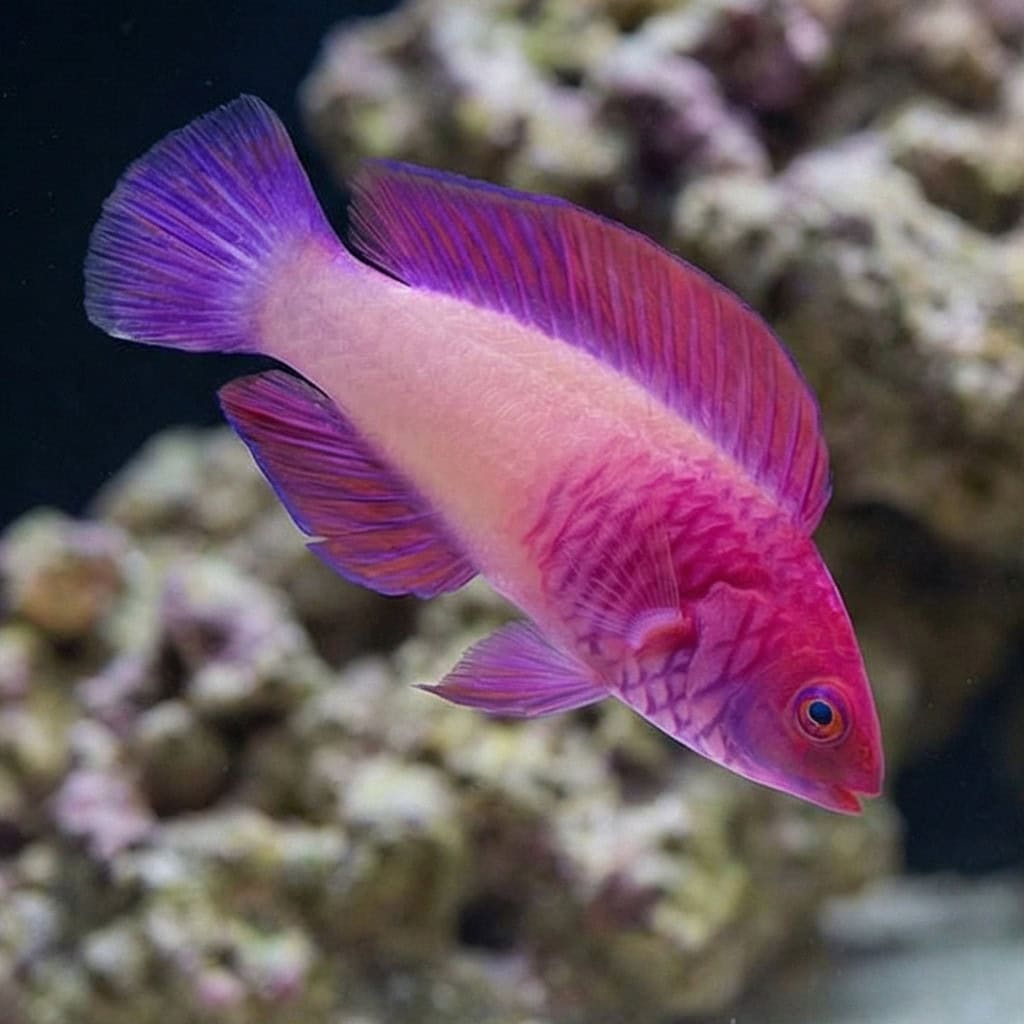
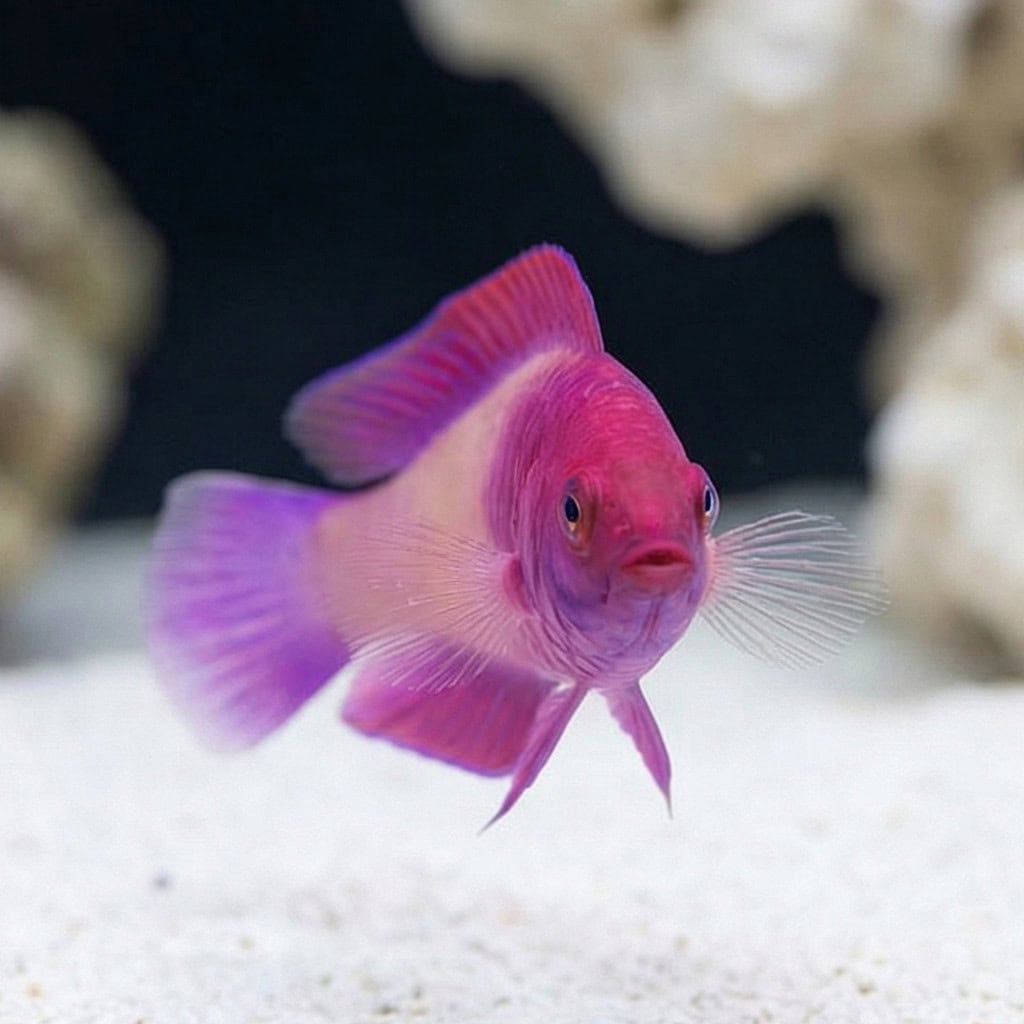
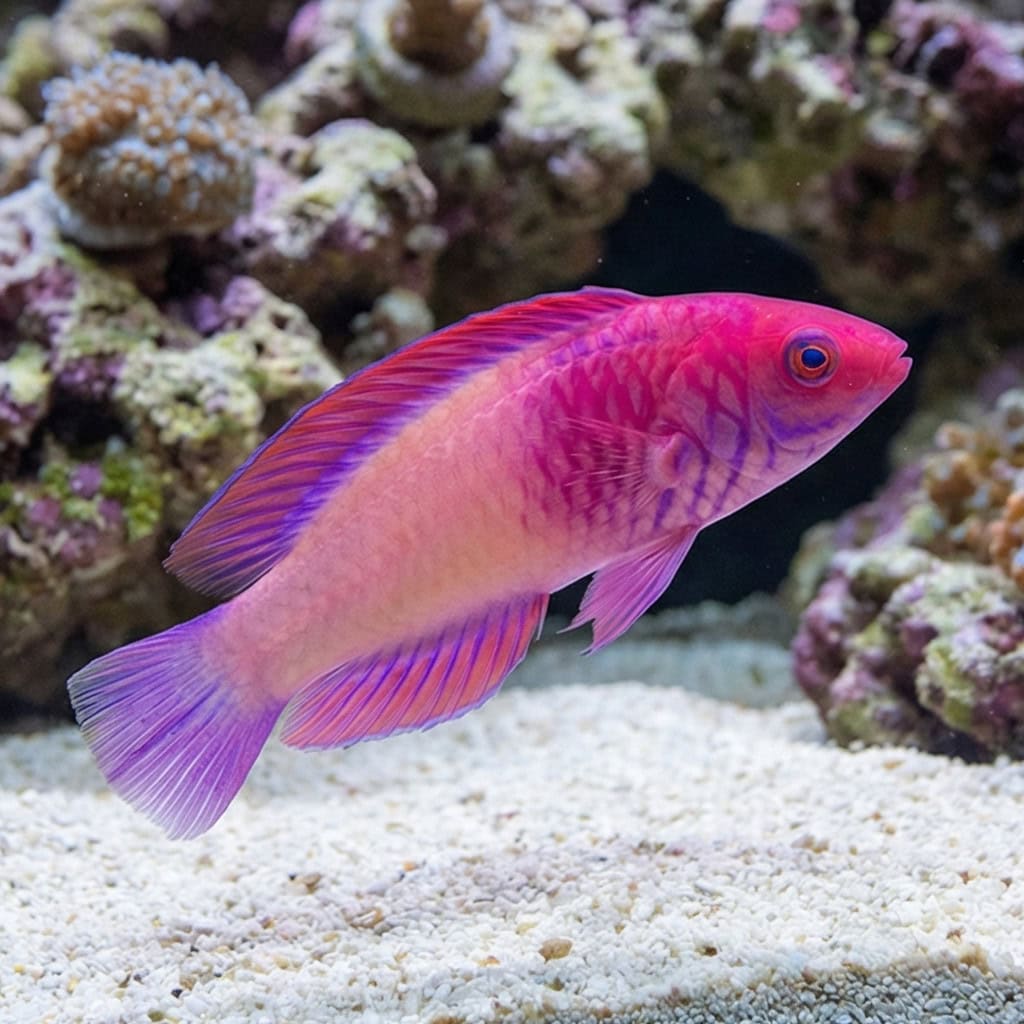
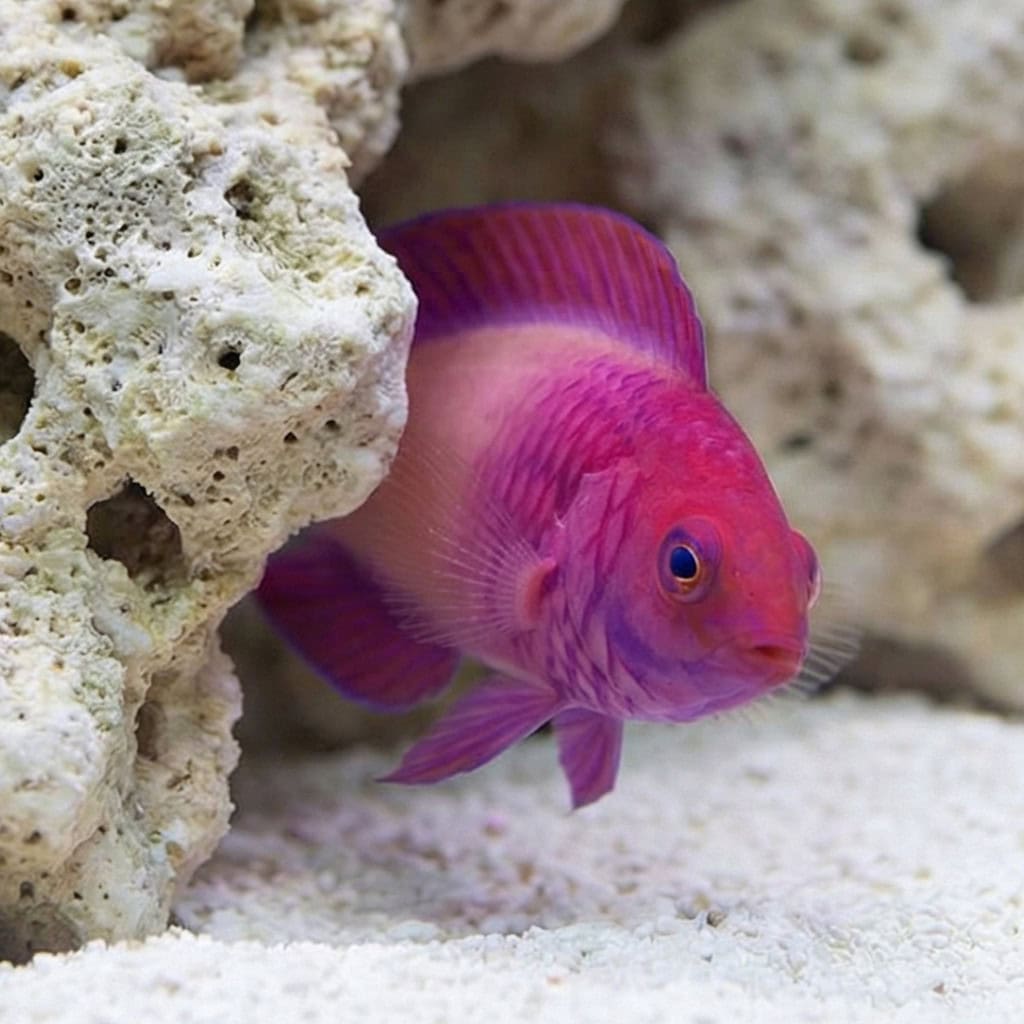
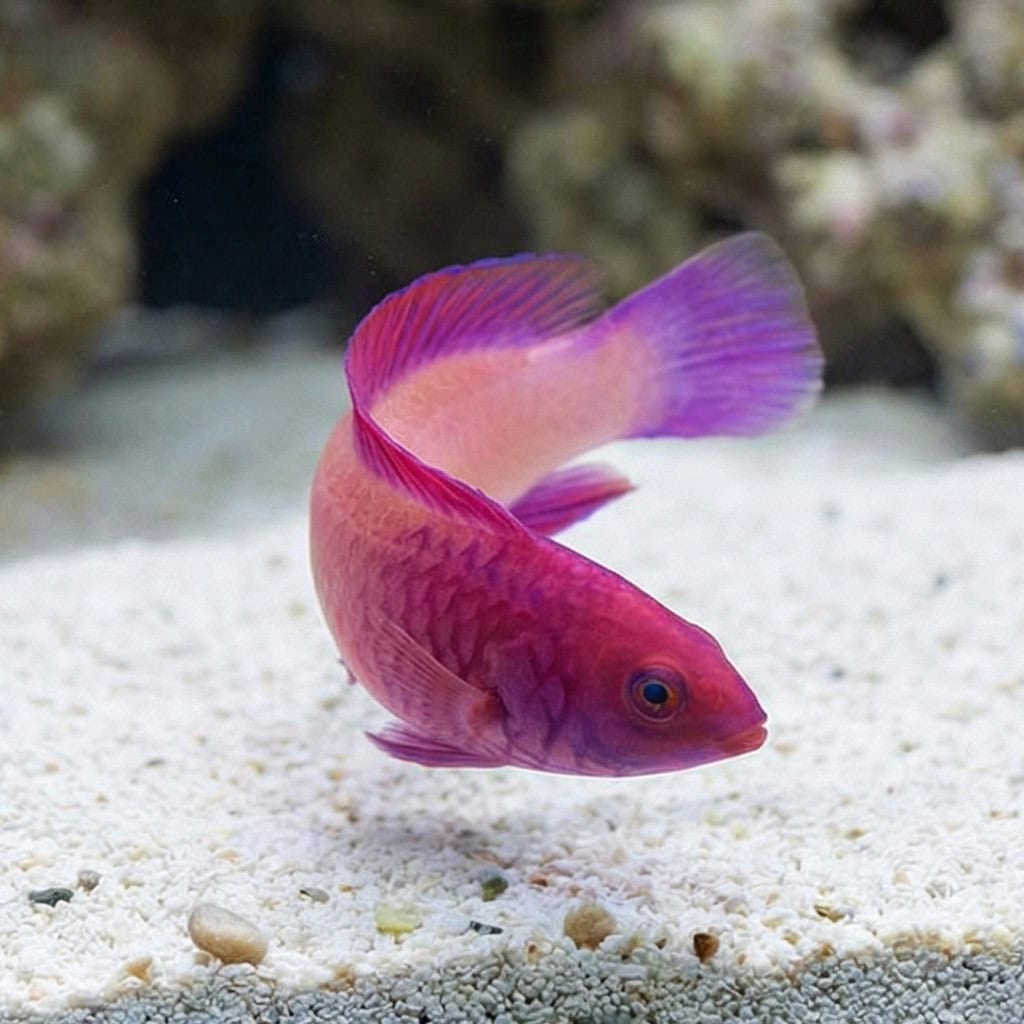
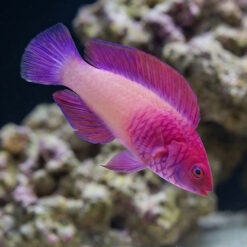
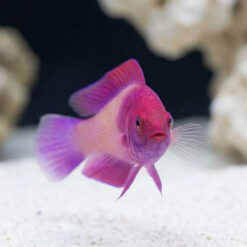
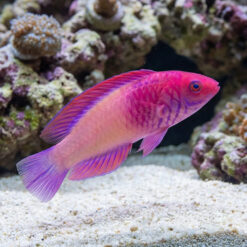
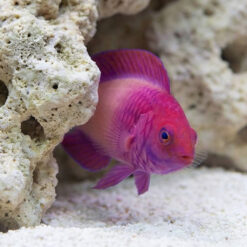
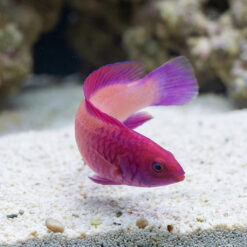
The Rosy Scales Fairy Wrasse (Cirrhilabrus finifenmaa), also known as the rose-veiled fairy wrasse, is a reef-safe Cirrhilabrus species native to the Maldives. It shows a magenta-to-purple front half that blends into warmer orange-pink tones toward the back, with blue/purple fin highlights that can shift as it settles in.
What You’ll Observe:
- Spends most of the day cruising the mid-water and making short passes through rockwork
- Uses the rock structure as “checkpoints,” repeatedly looping a familiar route around the tank
- Becomes more visible at feeding time, often meeting food in the water column
- Color intensity can change through the day, especially when it’s exploring or interacting with nearby fish
For best results, provide an established reef with open swimming space plus plenty of rockwork for quick cover, and keep a tight-fitting lid since fairy wrasses can launch upward when startled. Offer small meaty foods in a few smaller feedings each day so it can graze naturally between patrols.
Is it normal for it to disappear into the rockwork the first few days?
Yes—many fairy wrasses keep a low profile at first, then start following a regular “lap route” once they recognize the tank and feeding schedule.
Will the colors change over time?
They often do. As the fish settles in (and as males mature), you can see stronger contrast and more defined fin and body tones compared to the first week.
How do I reduce jumping risk during feeding and maintenance?
Keep the lid on even during quick feedings, and open only one small access point at a time so the fish isn’t exposed to a full open-top sprint lane.
Can I keep more than one fairy wrasse with it?
Often yes, but introductions matter—adding wrasses in a planned order and providing multiple rock “zones” helps them spread out and follow separate routes.
What foods get the best feeding response long-term?
Most keepers get the strongest response by rotating small frozen meaty foods with a quality pellet, so the fish learns multiple “food cues” and stays consistent even if one item is skipped.
Our selection process means you get robust, well-adjusted specimens that settle in quickly.
Recently viewed products