
Saddleback Butterfly
Chaetodon ephippium
Price range: $48.99 through $51.99
| Stock | Variations | Price | Quantity | |
|---|---|---|---|---|
| Only 5 left | 2.25 - 3.5" - Central Pacific | Original price was: $97.99.$51.99Current price is: $51.99. |
-
+
|
|
| Out of Stock | 3.5 - 4.75" - Central Pacific | Original price was: $119.99.$62.99Current price is: $62.99. | Email me | |
| Out of Stock | 2.25 - 3.5" - Indo-Pacific | Original price was: $142.99.$74.99Current price is: $74.99. | Email me | |
| Only 8 left | 2.25 - 3.5" - SSC Certified - Central Pacific | Original price was: $97.99.$51.99Current price is: $51.99. |
-
+
|
|
| Only 3 left | 2.25" or smaller - SSC Certified - Central Pacific | Original price was: $92.99.$48.99Current price is: $48.99. |
-
+
|
Every order ships with our standard 3-hour live arrival guarantee. Need more time? Add our 5-Day Guarantee at checkout.
Full guarantee terms →Ships Monday – Thursday for next-day arrival at your nearest FedEx Hold location — typically ready by 9 AM. We monitor every delivery.
Shipping details →
Monday – Friday 8 AM – 9 PM
Saturday 12 PM – 4 PM
Sunday 12 PM – 9 PM
Healthy, stable animals from vetted suppliers — inspected before packing, shipped overnight. Decades of experience built this model so we can deliver premium livestock at 30%+ less than you'd pay elsewhere.
| Care Level | Moderate |
|---|---|
| Temperament | Semi-Aggressive |
| Reef Safe | No |
| Functional Benefit | Ornamental Only |
| Diet Type | Omnivore |
| Mininum Tank Size | 120 gallons |
| Max Size | 10 inches |
| Temperature | 72–78°F |
| pH Range | 8.1–8.4 |
| Specific Gravity | 1.022–1.025 |
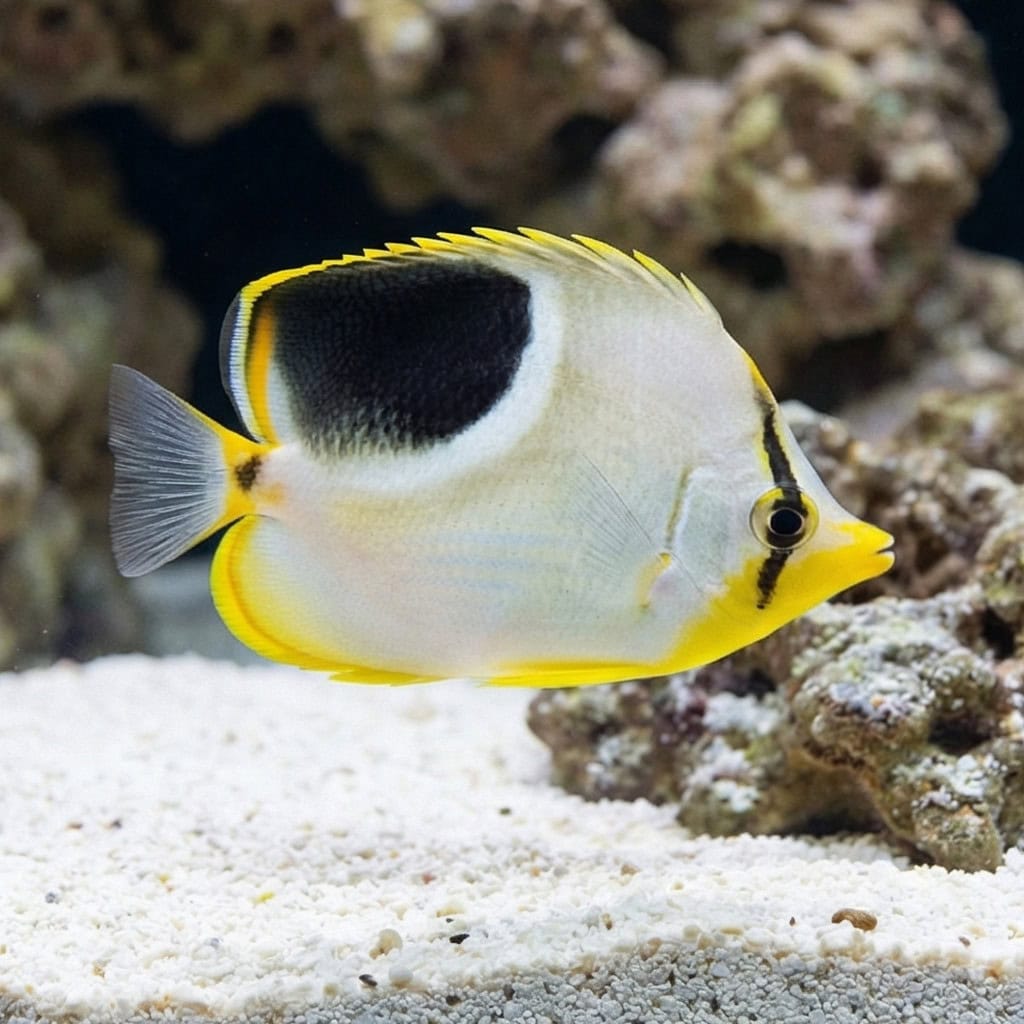
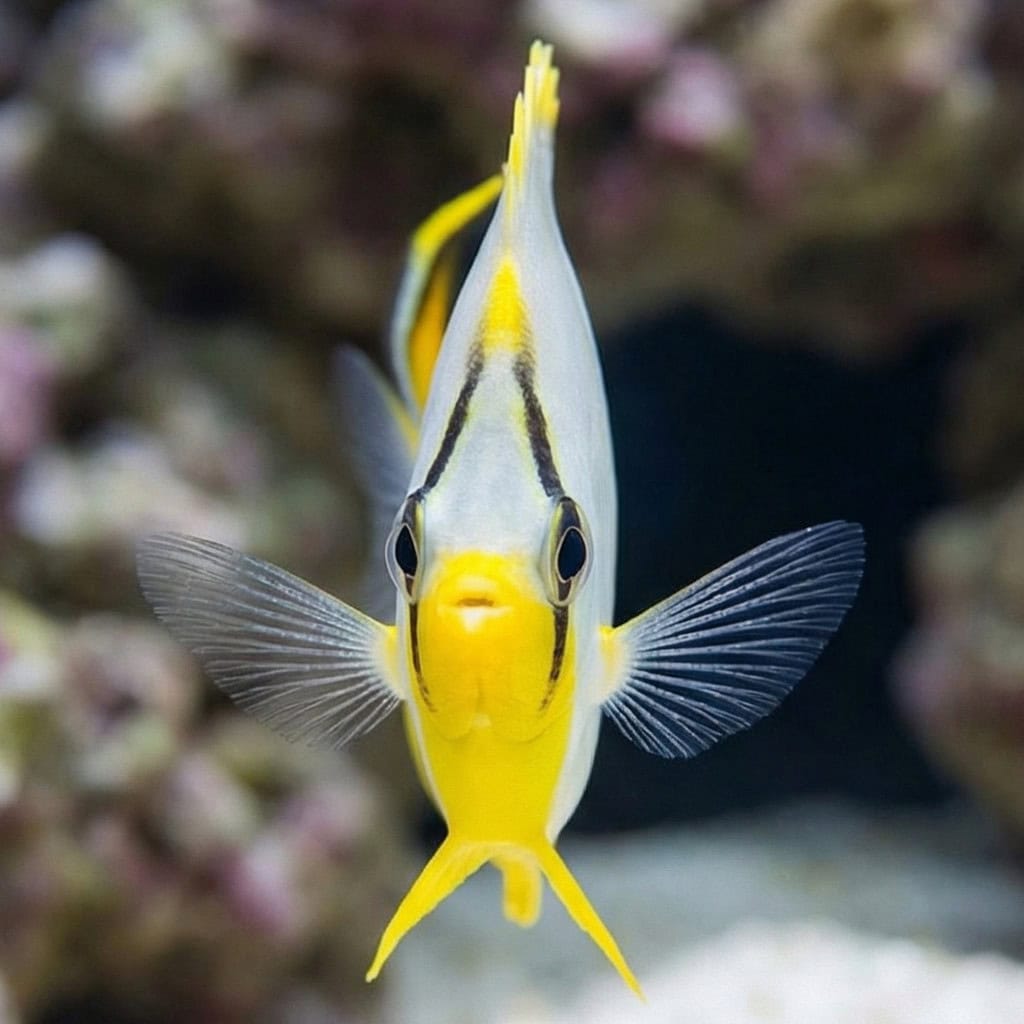
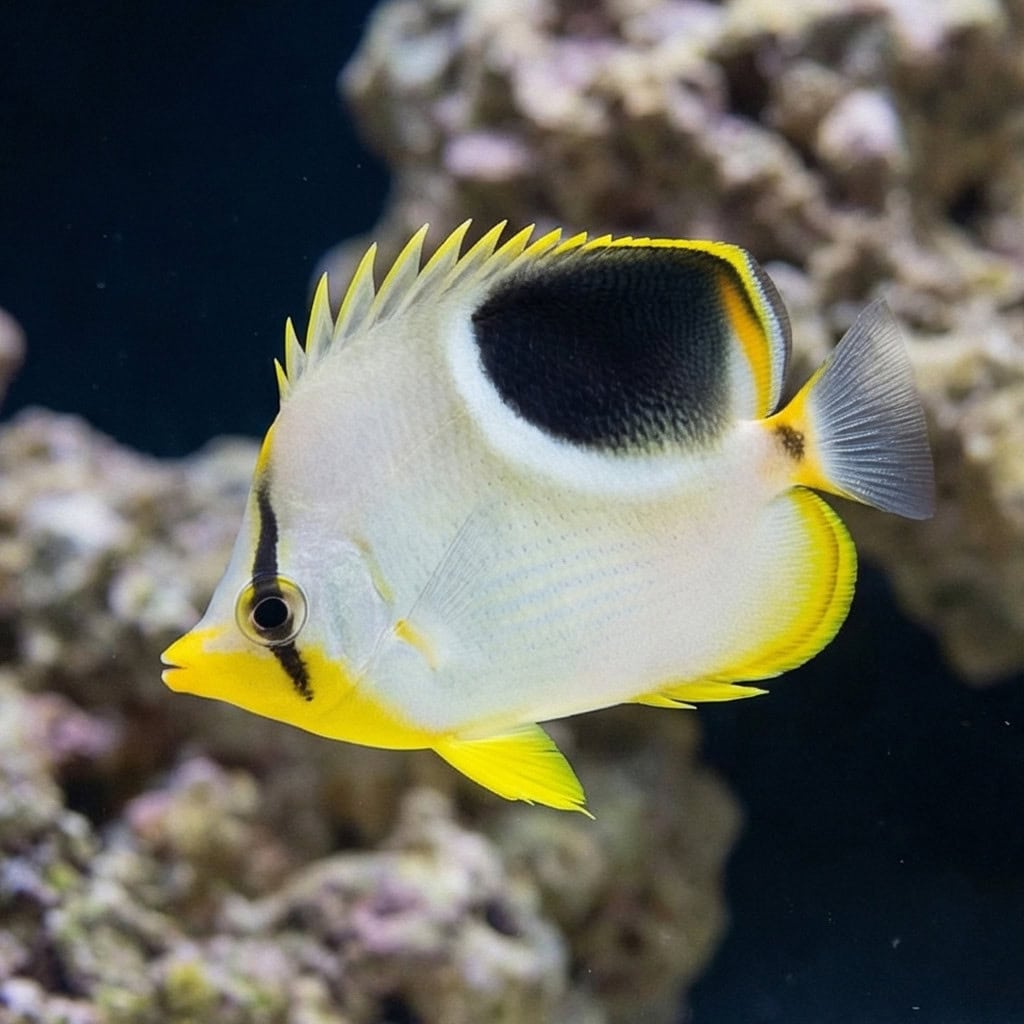
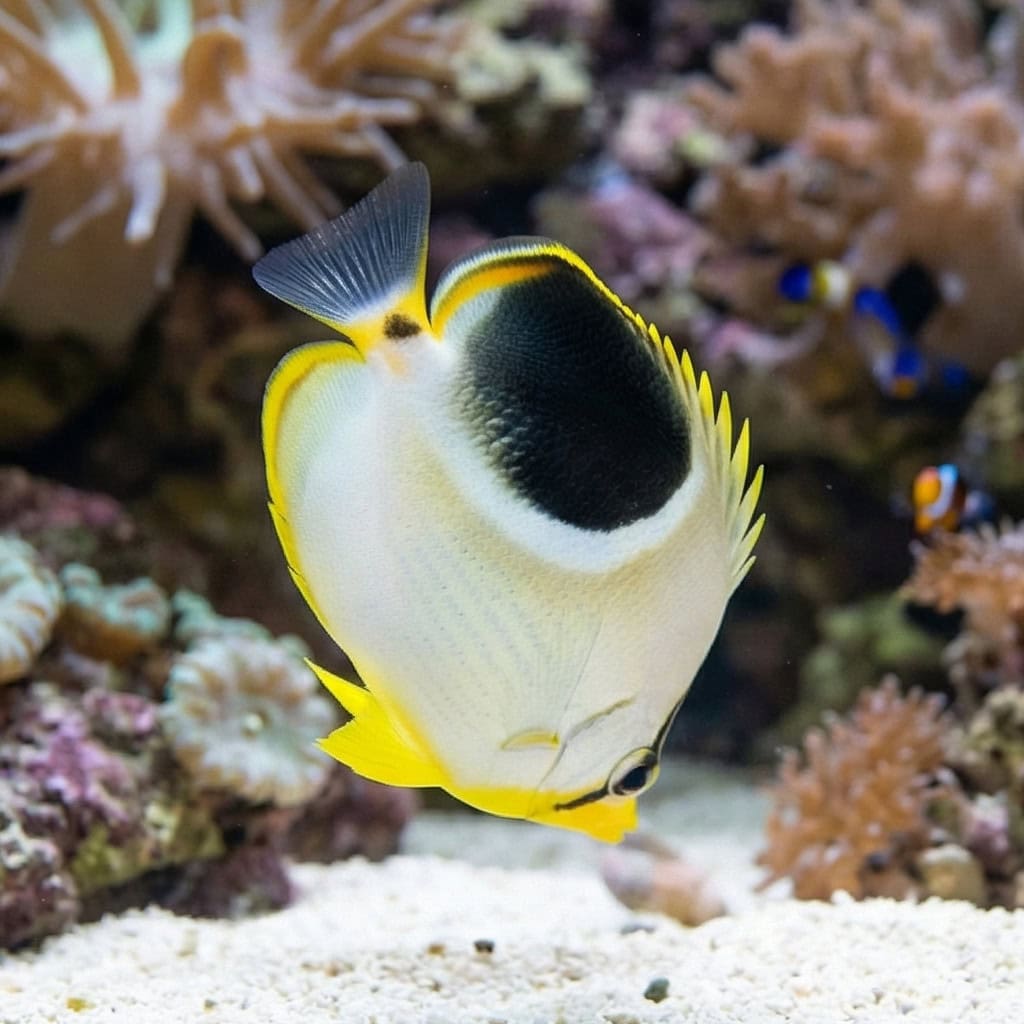
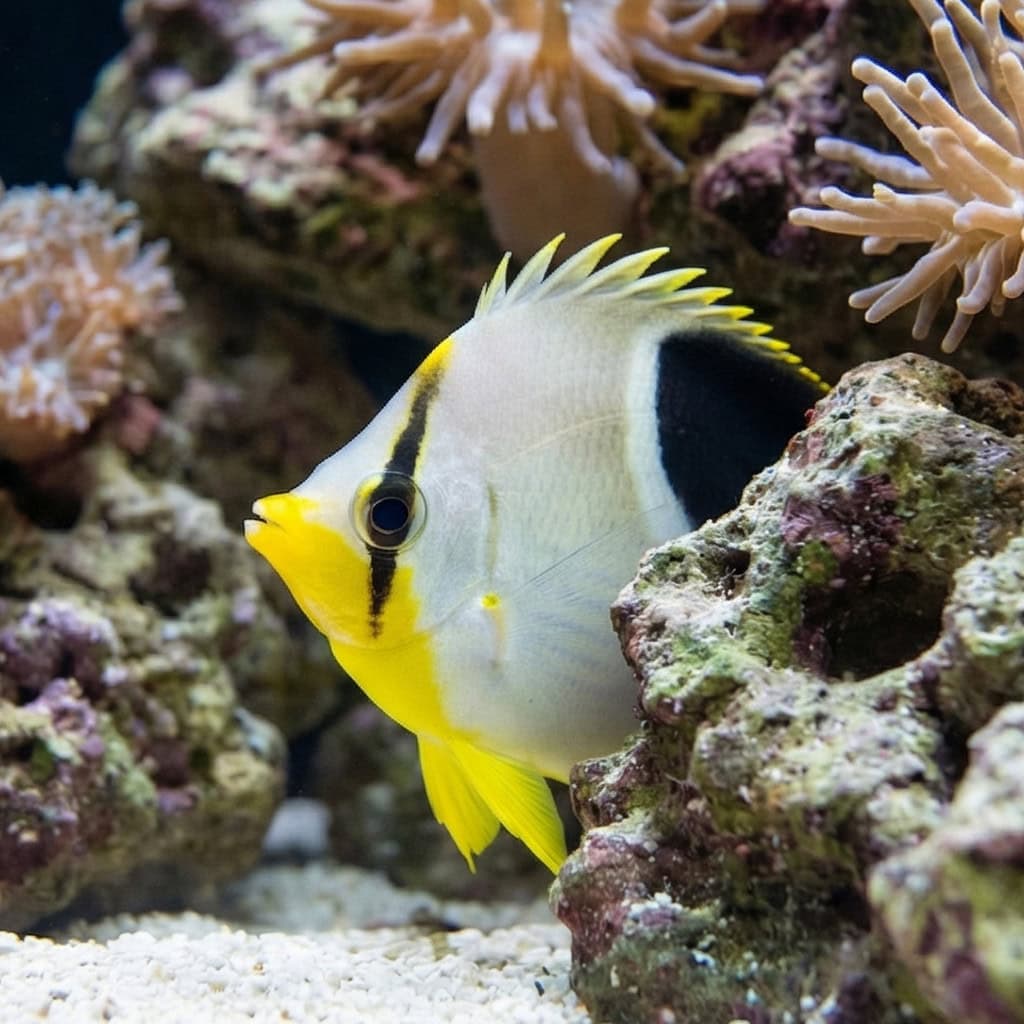
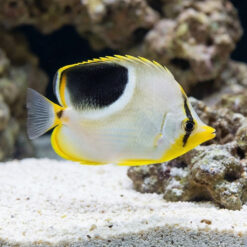
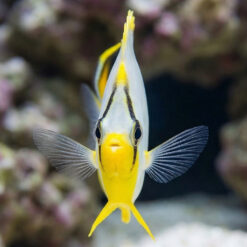
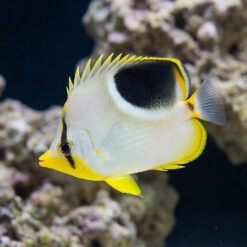
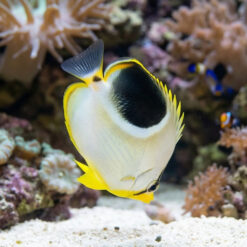
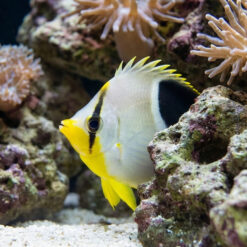
The Saddleback Butterfly (Chaetodon ephippium) is a large butterflyfish with a bold black ‘saddle’ near the rear of the body, plus orange facial color and fine blue-gray striping along the lower sides. It spends much of the day cruising open water and methodically picking at rock surfaces as it patrols your aquascape.
What You’ll Observe:
- Steady laps across the tank, with frequent stops to inspect rock edges and crevices
- Repeated ‘pecking’ behavior on mature live rock throughout the day
- A consistent daily route that becomes predictable as it settles in
- Noticeable engagement at feeding time once it learns your routine
Provide open swimming room with rockwork ledges and shaded pockets so it can move freely while still feeling secure. Offer a varied omnivore menu (frozen meaty foods, finely chopped seafood, quality pellets, and sheets of nori) and keep feedings small and consistent to maintain active foraging. With stable water quality and a dependable schedule, this species stays active and responsive in large marine aquariums.
How do I get a Saddleback Butterfly to start eating prepared foods quickly?
Many keepers have the best results by starting with highly enticing options (like clam on the half shell) and then mixing in frozen and pellet foods as it gains confidence.
Will it eat pellets, or does it need only frozen foods?
Once established, hobbyists often report them taking a wide range of foods, including pellets, alongside frozen meaty items.
Is it better to buy a smaller or larger specimen?
Common advice is to choose a specimen that is already eating well at the seller, and many aquarists prefer individuals around the mid-size range rather than very small new arrivals.
Do they need constant grazing opportunities in the tank?
They tend to do best in established systems where there is plenty to inspect and pick at between feedings, especially on mature rock surfaces.
Can I keep more than one Saddleback Butterfly together if they are introduced at the same time?
Some hobbyists keep a single fish, while others aim for a true pair; the most consistent reports involve adding compatible fish together and giving them ample space to settle into separate routines.
Shipped with pure oxygen and temperature control so it arrives stress-free and ready to eat.
Recently viewed products